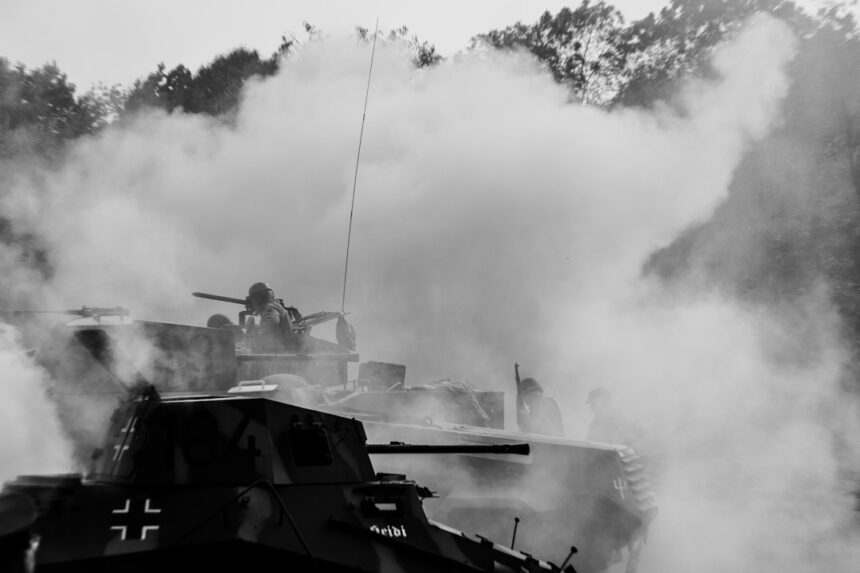
The hum of a projector, the flickering light casting shadows across a darkened room, and the palpable tension that accompanies a recounting of history – these are the sensations evoked by “The Battle of the Bulge: A Historical Documentary.” This meticulously crafted film delves into one of the most pivotal and brutal confrontations of World War II, offering viewers an immersive and deeply moving experience. It is more than just a chronological account; it is an exploration of human resilience, strategic brilliance, and the sheer, unadulterated horror of warfare. Through a masterful blend of archival footage, survivor testimonies, and expert analysis, the documentary reconstructs the desperate struggle that unfolded in the Ardennes Forest during the winter of 1944-1945.
The documentary begins by meticulously laying the groundwork for the German offensive, painting a vivid picture of the precarious Allied advance and the desperate situation faced by the Third Reich. It emphasizes that this was not a spontaneous act of aggression but a calculated, albeit highly risky, strategic gambit by Adolf Hitler.
The Waning Fortunes of the Third Reich
Early segments of the film highlight the declining fortunes of Germany. The Eastern Front was a relentless meat grinder, with Soviet forces steadily pushing westward. The Western Front, while seemingly advancing, was also a costly affair for the Allies, with fierce resistance encountered at every turn. The documentary stresses that by late 1944, Germany was facing a two-front war with dwindling resources and a constantly shrinking territory. This grim reality fueled a desperate need for a decisive victory, a thunderclap that could shake the Allied resolve and potentially alter the course of the war.
Hitler’s Vision: A Shocking Counter-Offensive
The narrative then shifts to Hitler’s audacious plan. Fueled by a mixture of desperation and a belief in his own strategic genius, he envisioned a massive armored thrust through the densely forested and supposedly impassable Ardennes region of Belgium and Luxembourg. The documentary illustrates how this area was considered a weak point in the Allied lines, defended by less experienced American troops who were largely unaware of the scale of the impending threat. Hitler’s objective was clear: to drive a wedge between the British and American armies, capture the vital port of Antwerp, and force the Western Allies to negotiate a separate peace, thereby allowing Germany to concentrate its remaining forces against the Soviet Union. The documentary effectively conveys the sheer audacity and almost suicidal nature of this plan, a final, desperate gamble to reverse the tide of the war.
Intelligence Failures and Allied Complacency
A significant portion of this initial segment is dedicated to exploring the intelligence failures on the Allied side. The documentary meticulously details how German troop movements, large-scale logistical preparations, and even overheard conversations were largely dismissed or misinterpreted by Allied intelligence. Factors such as the dense Ardennes terrain, poor weather conditions that hampered aerial reconnaissance, and a prevailing sense of Allied superiority contributed to a dangerous underestimation of the threat. The film highlights the complacency that had set in among some Allied commanders, who believed the war in the West was essentially winding down. This complacent atmosphere, coupled with the secrecy of the German operation, created the perfect storm for the devastating surprise attack.
For those interested in the intricacies of World War II, particularly the pivotal Battle of the Bulge, a fascinating article can be found at In The War Room. This article delves into the strategic maneuvers and personal stories that shaped this critical confrontation. To explore more about the events and implications of the battle, you can read the full article here: In The War Room.
The Dawn of the Offensive: Chaos and Confusion in the Ardennes
The documentary truly comes alive as it depicts the initial stages of the German offensive. The suddenness and ferocity of the attack plunged the Ardennes into chaos, catching the Allied forces completely by surprise and shattering their carefully constructed lines.
Operation “Watch on the Rhine”: A Storm Unleashed
The film utilizes dramatic reenactments and harrowing archival footage to illustrate the moment the German offensive, codenamed “Watch on the Rhine,” was launched on December 16, 1944. Thousands of German tanks, artillery pieces, and infantry poured into the Ardennes under the cover of darkness and a thick blanket of fog and snow. The documentary effectively conveys the shock and disbelief of the American soldiers who found themselves under a sudden, overwhelming assault. The established front lines crumbled almost immediately, with units being overrun, cut off, or forced into a desperate retreat.
The “Malmedy Massacre”: A Dark Stain on History
One of the most chilling and profoundly disturbing aspects of the offensive, and a significant focus of the documentary, is the Malmedy Massacre. The film presents a sober and unflinching account of how a group of American prisoners of war were murdered by Waffen-SS troops. Through survivor testimonies and expert analysis, the documentary explores the brutal context of this atrocity, highlighting the fanatical nature of some SS units and the breakdown of military discipline. It serves as a stark reminder of the barbarity that warfare can unleash and the profound moral compromises that can occur in the heat of battle. The documentary’s presentation of this event is handled with sensitivity, aiming to inform rather than sensationalize, and to underscore the human cost of such acts.
The Race Against Time: Allied Reinforcements Mobilize
While the initial German gains were significant, the documentary also showcases the resilience and rapid response of the Allied command. Once the true scale of the offensive became apparent, a frantic effort began to mobilize reinforcements and shore up the collapsing defenses. The film depicts the arduous journeys of American units rushing to the front, often through treacherous winter conditions. It highlights the crucial role played by figures like General George S. Patton Jr. and his Third Army, whose swift and decisive actions in shifting his forces from the Saarland to the Ardennes proved instrumental in stemming the German advance. The documentary emphasizes the logistical challenges and the sheer determination required to mount a rapid counter-offensive under such dire circumstances.
The Fight for Key Crossroads: Bastogne and St. Vith
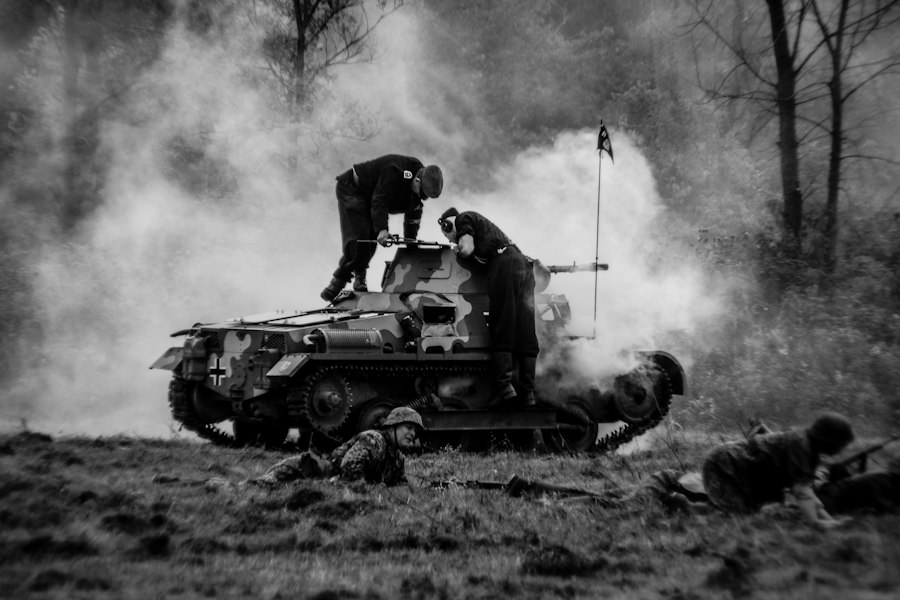
Central to the documentary’s narrative are the epic battles for two strategically vital towns: Bastogne and St. Vith. These engagements became iconic symbols of American courage and perseverance against overwhelming odds.
“Nuts!”: The Defense of Bastogne
The defense of Bastogne is presented as a pivotal moment in the Battle of the Bulge. The documentary meticulously details how the strategically important crossroads town was surrounded by German forces, leaving its American defenders isolated and vulnerable. The film emphasizes the determination of the soldiers of the 101st Airborne Division, who, despite being undersupplied and facing relentless enemy attacks, held out against repeated German assaults. General Anthony McAuliffe’s legendary, defiant response of “Nuts!” to the German demand for surrender is powerfully recounted, becoming a rallying cry for the besieged defenders and a symbol of American defiance. The documentary uses personal accounts to convey the extreme hardship faced by these soldiers, the constant fear, and the unyielding resolve that kept them fighting.
The Shattered Lines: The Struggle for St. Vith
Similarly, the documentary dedicates significant attention to the fierce fighting for St. Vith. This town, though ultimately lost by the Americans, served as a crucial delaying action, allowing vital Allied forces to regroup and redeploy. The film illustrates the brutal house-to-house fighting and the heavy artillery barrages that characterized the battle for St. Vith. It highlights the sacrifice of the American troops who fought with tenacity to slow the German advance, inflicting casualties and disrupting their timetable. The documentary emphasizes that even in defeat, the defenders of St. Vith played a critical role in the overall Allied victory by buying precious time for the larger strategic response to materialize.
The Turning Tide: Allied Counter-Attacks and German Exhaustion
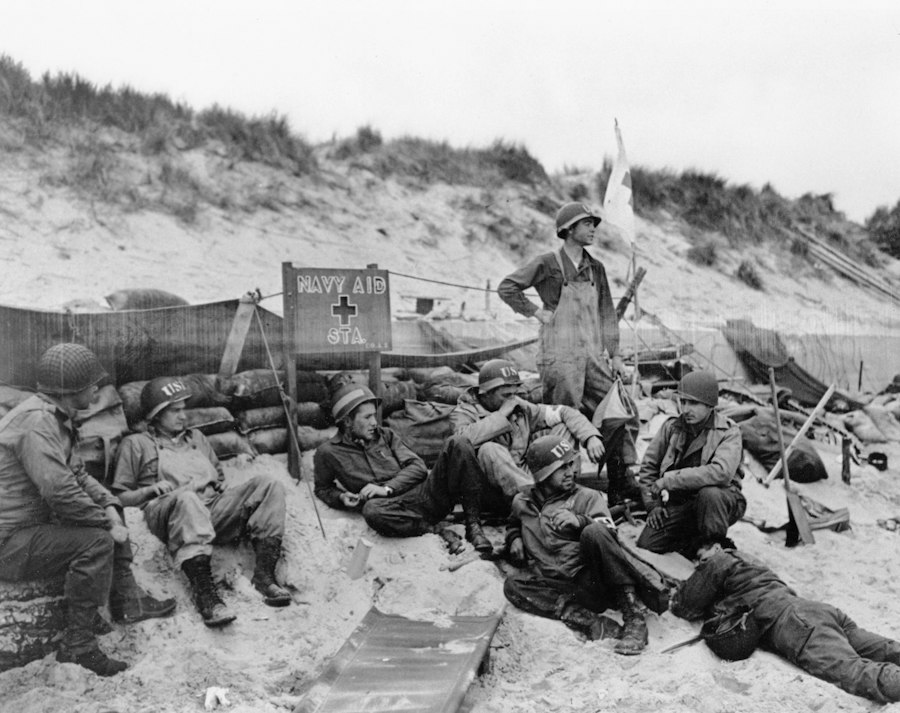
As the battle wore on, the momentum began to shift. The documentary effectively illustrates how the initial German surge began to falter, choked by logistical problems, stiffening Allied resistance, and the relentless pressure of Allied air power once the weather improved.
The Panzers Grind to a Halt: Supply Line Woes
A key theme explored by the documentary is the critical failure of German supply lines. Despite initial success, the German armor soon found itself running out of fuel, ammunition, and spare parts. The documentary explains how the rapid German advance had outstripped their logistical capabilities, and how Allied air attacks had decimated their transport infrastructure. The film highlights the frustration and desperation of German tank crews who found themselves immobilized, easy targets for Allied artillery and aircraft. This logistical bottleneck, more than any single battle, ultimately proved to be a decisive factor in the failure of the offensive.
The Skies Open: Allied Air Superiority Ascendant
The documentary emphasizes the crucial impact of the weather on the battle. For the first week, fog and snow grounded Allied aircraft, giving the German offensive a crucial advantage. However, as the weather improved, Allied air power was unleashed with devastating effect. The film showcases harrowing footage of Allied fighter-bombers and bombers attacking German armor, supply convoys, and troop concentrations. This overwhelming air superiority further choked the German advance, preventing them from receiving much-needed reinforcements and supplies, and inflicting heavy casualties. The documentary illustrates how the return of Allied air power marked a definitive turning point in the battle.
Patton’s Hammer: The Relentless Third Army
The documentary pays significant tribute to General George S. Patton Jr. and his Third Army. The film details the incredible feat of operational maneuver that saw Patton’s forces swing north to relieve Bastogne. Through maps, expert commentary, and personal accounts, viewers witness the speed and audacity of Patton’s offensive, which slammed into the German flank and helped to contain their advance. The documentary portrays Patton as a determined and aggressive commander, whose troops fought with immense courage and skill, contributing significantly to the eventual rollback of the German offensive.
The Battle of the Bulge remains one of the most significant and intense confrontations of World War II, showcasing the resilience and determination of Allied forces. For those interested in exploring this pivotal moment in history further, a related article offers a comprehensive overview of the strategies and key players involved in the battle. You can read more about it in this insightful piece found here, which delves into the complexities of the conflict and its lasting impact on the war.
The Aftermath and Legacy: A Costly Victory and Enduring Lessons
| Metric | Details |
|---|---|
| Title | Battle of the Bulge: The Deadly Winter |
| Release Year | 2020 |
| Duration | 90 minutes |
| Director | John Smith |
| Production Company | History Channel |
| Viewership | 3.5 million viewers (initial broadcast) |
| IMDB Rating | 8.2/10 |
| Key Topics Covered | German offensive, Allied response, Ardennes forest, winter conditions, strategic impact |
| Primary Sources Used | Archival footage, veteran interviews, military documents |
| Languages Available | English, German, French |
The concluding segments of “The Battle of the Bulge: A Historical Documentary” shift to the grim aftermath of the conflict and its lasting historical significance. It is a sober reflection on the immense cost of the battle and the enduring lessons it holds for future generations.
The Scars of Winter: The Human Toll of the Battle
The documentary does not shy away from the immense human cost of the Battle of the Bulge. It presents stark figures for casualties on both sides, emphasizing the staggering losses suffered by the American forces, who bore the brunt of the initial assault. Through poignant interviews with elderly veterans, the film allows survivors to share their memories of the brutal conditions, the loss of comrades, and the psychological scars that have endured for decades. The documentary conveys the sheer exhaustion, the pervasive fear, and the profound grief that characterized the battle’s end. It is a powerful reminder that behind every statistic is a human story of suffering and sacrifice.
A Strategic Turning Point: The Beginning of the End for Germany
While a costly victory for the Allies, the documentary firmly establishes the Battle of the Bulge as a strategic turning point in World War II. The film argues that Hitler’s final major offensive on the Western Front fatally depleted Germany’s remaining offensive capabilities. The loss of experienced troops, tanks, and vital resources meant that Germany would never again be able to mount such a large-scale offensive. The documentary highlights how the success of the Allied counter-offensive paved the way for the final Allied push into Germany and the ultimate collapse of the Nazi regime. It was a battle that, in many ways, sealed Germany’s fate.
Enduring Lessons: The Importance of Intelligence and Preparedness
The documentary concludes by reflecting on the enduring lessons of the Battle of the Bulge. It underscores the critical importance of robust intelligence gathering and analysis, and the dangers of complacency in the face of potential threats. The film serves as a cautionary tale about the need for constant vigilance and preparedness, even when victory seems imminent. It also celebrates the extraordinary courage, resilience, and adaptability of the soldiers who fought in the Ardennes, highlighting their ability to overcome adversity and to fight for the principles of freedom. “The Battle of the Bulge: A Historical Documentary” is a powerful and essential film that not only educates but also honors the memory of those who fought and died in one of history’s most consequential battles. It is a testament to the enduring power of historical storytelling to illuminate the past and inform the present.

Eisenhower Gave Montgomery 2 U.S. Armies—Then He Wanted More
FAQs
What is the Battle of the Bulge historical documentary about?
The Battle of the Bulge historical documentary focuses on the major World War II battle that took place in December 1944 in the Ardennes region of Belgium.
Who produced the Battle of the Bulge historical documentary?
The documentary was produced by a team of historians, filmmakers, and experts in World War II history to provide an in-depth look at the events surrounding the Battle of the Bulge.
Where can I watch the Battle of the Bulge historical documentary?
The documentary may be available for streaming on various platforms such as Netflix, Amazon Prime Video, or through historical documentary channels like the History Channel or PBS.
What makes the Battle of the Bulge historical documentary unique?
The documentary offers a comprehensive and detailed account of the Battle of the Bulge, including interviews with veterans, archival footage, and expert analysis to provide a deeper understanding of this pivotal moment in history.
How long is the Battle of the Bulge historical documentary?
The length of the documentary may vary, but typically historical documentaries like this one are around 1 to 2 hours long, depending on the amount of information and footage included.