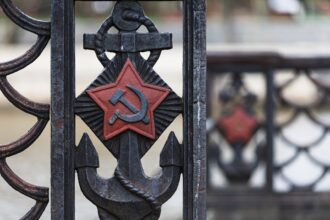
The vast expanse of Soviet territory, often depicted as a monolithic entity of unified will and unwavering obedience, harbored a hidden undercurrent of dissent. Beyond the iron curtain that shielded its citizens from the West, and beneath the pervasive gaze of state security, a diverse tapestry of resistance bloomed. These were not the grand, organized uprisings that occasionally flared and were swiftly extinguished, but rather the quieter, more insidious acts of defiance that chipped away at the foundations of Soviet power, often overlooked and deliberately obscured in official narratives. The untold stories of resistance behind Soviet lines offer a crucial counterpoint to the dominant historical accounts, revealing the resilience of the human spirit in the face of overwhelming oppression.
The complexities of resistance movements behind Soviet lines during the Cold War are explored in depth in a related article that highlights the bravery and strategies of those who fought against oppression. For a comprehensive understanding of these covert operations and the impact they had on the broader geopolitical landscape, you can read more about it in this insightful piece: Resistance Behind Soviet Lines.
The Seeds of Discontent: Early Forms of Opposition
The genesis of resistance predates the formation of the Soviet Union itself, rooted in the very anxieties and aspirations that fueled the Bolshevik Revolution. While many initially embraced the promise of a workers’ paradise, the brutal realities of collectivization, political purges, and the suppression of individual liberties soon sowed seeds of discontent.
Peasant Resistance to Collectivization
The forced collectivization of agriculture, initiated in the late 1920s and early 1930s, stands as one of the most devastating policies of the early Soviet era. Forcing independent farmers onto collective farms (kolkhozes) was met with fierce, albeit localized and often desperate, opposition.
The “Kulak” Uprising and its Brutal Suppression
The Soviet government labeled any farmer who resisted collectivization, particularly those who owned more land or employed labor, as a “kulak” – an enemy of the people. This label became a death sentence. Millions were dispossessed, deported to labor camps (gulags), or executed. Yet, the resistance was not passive. Reports, though often suppressed, speak of peasants destroying their crops and livestock rather than surrender them to the state, of sabotage of farm machinery, and of armed clashes with OGPU (secret police) detachments. These were not organized armies, but desperate individuals and communities fighting for their livelihoods and their way of life.
Silent Sabotage and Passive Resistance
Beyond outright confrontation, a more subtle form of resistance emerged. Peasants would intentionally under-produce, hoard grain, or perform their duties with deliberate inefficiency. This “slowdown” tactic, while less dramatic, had a significant impact on agricultural output, directly undermining Soviet economic plans and contributing to widespread famine in certain regions. The sheer scale of this passive resistance, born out of a deep-seated resentment and a desire to preserve a semblance of autonomy, represented a constant thorn in the side of the Soviet agricultural machinery.
Intellectual Dissent and the Birth of Samizdat
While the peasantry fought for survival, a different kind of resistance was brewing within intellectual circles. The suppression of free thought and expression, a hallmark of Soviet totalitarianism, spurred the creation of underground networks for the dissemination of forbidden ideas.
The Rise of Samizdat: “Self-Publishing” Against the Grain
Samizdat, literally meaning “self-published,” became the lifeblood of intellectual dissent. Dissidents would meticulously type and re-type manuscripts, often on carbon paper, creating multiple copies that were then circulated discreetly among trusted individuals. This allowed for the distribution of banned literature, poetry, political essays, and even religious texts, bypassing state censorship entirely.
Key Figures and Their Forbidden Works
Writers like Boris Pasternak, whose novel Doctor Zhivago was initially published in the West, and poet Anna Akhmatova, whose poignant verses often alluded to the suffering of the era, became unwitting icons of samizdat. Dissidents also circulated the writings of Western thinkers, Marxist critiques of the Soviet system, and even news from abroad that contradicted official propaganda. The act of simply copying and sharing these materials was a courageous act of defiance, carrying the risk of severe punishment.
The Dangers of Circulation
Possession of samizdat was a criminal offense. Individuals caught distributing or even possessing these forbidden texts faced interrogation, arrest, imprisonment, or exile. The inherent risk made the circulation of samizdat a testament to the deep desire for truth and intellectual freedom that persisted within Soviet society.
Resistance in the Workplace and Public Sphere

The struggle against Soviet authority was not confined to the fringes of society; it permeated everyday life, manifesting in the very institutions designed to enforce conformity. The workplace and public spaces became arenas for subtle yet persistent acts of defiance.
Labor Discontent and Work-to-Rule
The idealized image of the diligent Soviet worker, wholly dedicated to the socialist cause, was a carefully constructed facade. The reality was often one of low wages, poor working conditions, and a profound disconnect between propaganda and lived experience.
Strikes and Work Stoppages (Often Suppressed)
While large-scale, officially recognized strikes were virtually impossible, smaller, spontaneous work stoppages did occur. These were often triggered by immediate grievances – a sudden cut in rations, a safety violation, or the dismissal of a popular colleague. Such actions were swiftly and brutally suppressed, but they served as a stark reminder that the workforce was not a pliant mass.
The Memory of Vorkuta and Novocherkassk
The Vorkuta massacre of 1953, where striking Gulag prisoners were shot down by guards, and the Novocherkassk massacre of 1962, where protesting workers were met with deadly force, stand as chilling examples of the state’s willingness to use extreme violence to quell labor unrest. These events, though officially downplayed or outright denied, were seared into the collective memory of those who experienced or heard about them, fueling further resentment.
The Power of “Slowdown” Tactics
Similar to the agricultural sector, workplace “slowdown” tactics were a common form of resistance. Workers would deliberately work at a reduced pace, feign illness, or engage in minor acts of sabotage to disrupt production and express their dissatisfaction. This subtle resistance, while rarely making headlines, had a tangible impact on the efficiency of Soviet industries.
Everyday Acts of Defiance
Beyond organized labor, ordinary citizens found myriad ways to resist the suffocating grip of the Soviet state in their daily lives. These acts, though seemingly small, collectively chipped away at the edifice of control.
Humor as a Weapon: Political Satire and Jokes
Humor, particularly in the form of political jokes (anekdoty), served as a powerful outlet for dissent. These jokes, often sharp and witty, exposed the absurdities of Soviet life, lampooned its leaders, and offered a sense of solidarity and shared understanding among those who felt disillusioned. The ability to share these jokes, often whispered in clandestine gatherings, provided a psychological release and a subtle rebellion against the rigid official narrative.
The Risks of Laughter
While seemingly harmless, the dissemination of political jokes could lead to severe consequences. Informants were everywhere, and sharing jokes that were deemed critical of the state or its leaders could result in reprimands, loss of employment, or even imprisonment. The fact that people continued to tell these jokes, despite the risks, speaks to their importance as a form of cultural resistance.
Religious Observance and Underground Churches
Despite decades of official atheism and persecution, religious faith remained a potent force for many Soviet citizens. The state attempted to suppress religious practice, but faith often found clandestine avenues for survival and expression.
Hidden Chapels and Secret Services
Underground churches, often operating in private homes or remote locations, provided solace and community for believers. Clergy and laypeople alike risked imprisonment to conduct services, baptisms, and other religious rites. The persistence of religious practice, often in defiance of state directives, represented a significant ideological challenge to the Soviet regime.
The Role of Religious Literature
The circulation of forbidden religious texts, much like samizdat, played a crucial role in sustaining faith. Bibles, prayer books, and theological works were smuggled in, painstakingly copied, and shared among believers, ensuring the transmission of religious knowledge across generations.
National and Ethnic Resistance Movements

The Soviet Union, a vast empire of diverse nationalities, was a fertile ground for nationalistic sentiment. While the state actively promoted a unified Soviet identity, the deep-seated pride and aspirations of various ethnic groups fueled a persistent undercurrent of resistance.
The Baltic States: A Persistent Uprising
The annexation of Estonia, Latvia, and Lithuania by the Soviet Union in 1940, and their subsequent re-occupation after World War II, was met with widespread resistance. These nations, with a history of independence, did not readily accept Soviet rule.
The Forest Brothers: A Decade of Guerrilla Warfare
Following the Soviet re-occupation in 1944, a widespread armed resistance movement known as the “Forest Brothers” emerged in the Baltic states. These were largely young men who evaded Soviet conscription and fought a protracted guerrilla war against the Red Army and Soviet security forces from the forests and swamps.
Tactics and Ideals of the Forest Brothers
The Forest Brothers engaged in ambushes, sabotage, and propaganda efforts. Their aim was to disrupt Soviet authority, maintain national identity, and hope for eventual liberation. They operated in small, mobile units, blending into the civilian population when necessary. Their resistance, though ultimately overcome, represented a significant challenge to Soviet control and a symbol of national defiance.
The Suppression and Legacy
The Soviet authorities launched massive campaigns to eradicate the Forest Brothers, involving tens of thousands of troops. The fight was brutal, and by the mid-1950s, the organized armed resistance was largely defeated. However, the memory of their struggle remained, and continued to inspire national sentiment in the Baltic states for decades.
Ukrainian Nationalism: A Long and Bitter Struggle
Ukraine, with its distinct cultural and historical identity, was another region where nationalistic resistance remained a potent force. The Ukrainian Insurgent Army (UPA), which fought against both Nazi Germany and the Soviet Union during and after World War II, continued its struggle against Soviet rule for years.
The UPA’s Fight for an Independent Ukraine
The UPA engaged in a complex guerrilla war, targeting Soviet infrastructure, collaborators, and security forces. Their struggle was fueled by a deep desire for an independent Ukraine and a rejection of Soviet domination.
The Ideological Divide and Brutal Reprisals
The UPA’s ideology was complex and often controversial, but their fight for national self-determination resonated with many Ukrainians. The Soviet response was equally brutal, involving mass arrests, deportations, and executions. The conflict left deep scars on the Ukrainian countryside and its people.
The Lingering Echoes of Resistance
Despite the suppression of the UPA as an organized force, Ukrainian national sentiment continued to simmer beneath the surface. The memory of the UPA’s struggle, passed down through generations, played a significant role in the eventual re-emergence of Ukrainian independence in 1991.
Other National Minorities: Subtle Forms of Resistance
While large-scale national resistance movements were most prominent in the Baltic states and Ukraine, other national minorities within the Soviet Union also found ways to express their distinct identities and resist cultural assimilation.
Maintaining Language and Traditions
In many regions, the preservation of native languages, cultural traditions, and religious practices served as a quiet but powerful form of resistance. These acts of cultural preservation were crucial for maintaining a sense of distinct identity in the face of a homogenizing Soviet ideology.
Clandestine Cultural Circles and Publications
In some communities, clandestine cultural circles would meet to share forbidden literature, music, and historical accounts that celebrated their national heritage. This kept alive the memory of pre-Soviet times and fostered a sense of collective identity.
During World War II, the resistance movements behind Soviet lines played a crucial role in undermining enemy operations and gathering intelligence. These brave individuals faced immense challenges, yet their efforts significantly contributed to the overall war effort. For a deeper understanding of the dynamics and impact of these resistance groups, you can explore a related article that provides valuable insights into their strategies and experiences. This article can be found here.
The Dissident Movement: A New Era of Intellectual and Political Opposition
| Location | Number of Resistance Groups | Number of Partisans | Number of Sabotage Operations |
|---|---|---|---|
| Ukraine | Over 1,000 | Approximately 300,000 | More than 10,000 |
| Belarus | Around 380 | About 120,000 | Over 5,000 |
| Baltic States | Over 200 | Approximately 50,000 | More than 3,000 |
As the Soviet Union evolved, so too did the forms of resistance. The post-Stalin era, marked by a degree of liberalization under Nikita Khrushchev and later by the stagnant Brezhnev regime, witnessed the rise of a more organized and vocal dissident movement.
The Human Rights Movement and the Helsinki Accords
The signing of the Helsinki Accords in 1975, which committed signatory states to respecting human rights and fundamental freedoms, provided a crucial impetus for the Soviet dissident movement.
The Formation of Human Rights Groups
Inspired by the Helsinki Accords, groups like the Moscow Helsinki Group emerged, dedicated to monitoring and documenting human rights abuses within the Soviet Union. These groups played a vital role in bringing the plight of Soviet citizens to the attention of the international community.
The Courage of the Helsinki Monitors
Members of these groups, often intellectuals, academics, and former political prisoners, bravely documented cases of arbitrary arrest, torture, forced psychiatric treatment, and religious persecution. They collected testimonies, published reports, and sent them to Western media and international organizations, often at great personal risk.
International Scrutiny and Pressure
The work of the Helsinki groups put international pressure on the Soviet government, forcing it to acknowledge, if only partially, its human rights record. While this did not immediately lead to widespread reforms, it created a space for dissent and made the state’s repression more visible.
The Role of Dissident Writers and Artists
Beyond the formal human rights movement, a generation of writers and artists continued to use their creative output as a form of resistance, challenging the boundaries of official ideology.
Exposing Social Ills and Bureaucratic Absurdities
Writers like Aleksandr Solzhenitsyn, whose monumental work The Gulag Archipelago exposed the vast system of Soviet forced labor camps, became international figures and powerful critics of the regime. Other artists used allegory, satire, and subtle symbolism to critique the social and political realities of Soviet life.
The Power of the Written Word
The impact of samizdat, as mentioned earlier, continued into this era. Dissident literature, even when banned within the USSR, found its way to readers abroad, influencing international perceptions of Soviet society and inspiring further dissent within.
The International Stage and Exile
Many prominent dissidents were eventually forced into exile, where they continued to speak out against the Soviet regime. Their voices, amplified by Western media, became a powerful force in the international discourse surrounding the Cold War and human rights.
The “Chronicle of Current Events” and its Significance
The Chronicle of Current Events, a samizdat publication that began in 1968, was arguably the most important and longest-running dissident publication in Soviet history.
Unflinching Reporting of Human Rights Abuses
The Chronicle meticulously documented instances of political arrests, trials, and the persecution of dissidents, religious believers, and national minorities. It provided factual accounts, often based on eyewitness testimonies, without commentary or editorializing.
The Network of Correspondents and Readers
The Chronicle relied on a vast, clandestine network of correspondents and readers who risked their freedom to gather and disseminate information. Its existence and continued publication, despite repeated crackdowns, demonstrated the deep-seated desire for truth and the resilience of the dissident movement.
The Impact on the International Community
The Chronicle served as an invaluable source of information for human rights organizations and Western governments, providing concrete evidence of Soviet repression and fueling international condemnation of the USSR’s human rights record.
The Legacy of Resistance: Echoes in the Modern World
The stories of resistance behind Soviet lines, though often marginalized in mainstream historical narratives, offer crucial insights into the complexities of Soviet society and the enduring human drive for freedom and self-determination. These acts of defiance, both grand and subtle, played a vital role in shaping the trajectory of Soviet history and continue to resonate today.
The Dissident Influence on Post-Soviet Societies
The individuals who participated in and were inspired by these resistance movements often played significant roles in the post-Soviet transition. Many became advocates for democracy, human rights, and national sovereignty in the newly independent states.
The Fight for Truth and Accountability
The legacy of samizdat and the dissident movement continues to inform contemporary struggles for freedom of speech and the press. The insistence on truth and accountability, so central to these historical acts of resistance, remains a vital principle in societies emerging from authoritarianism.
Preserving the Memory of Resistance
Efforts to preserve the memory of these untold stories are crucial. Museums, archives, and academic research dedicated to the history of dissent are essential for ensuring that the sacrifices and courage of those who resisted are not forgotten.
The Global Significance of Soviet-Era Resistance
The resistance behind Soviet lines was not merely a localized phenomenon; it had global implications. It challenged the perceived invincibility of the Soviet system and offered hope and inspiration to those living under oppressive regimes worldwide.
A Reminder of the Fragility of Totalitarianism
These stories serve as a powerful reminder that even the most seemingly impenetrable totalitarian regimes can be undermined by the persistent, often quiet, acts of individuals and communities striving for fundamental human rights and freedoms. The desire for autonomy, truth, and dignity, it appears, is a force that cannot be entirely extinguished. The untold stories of resistance behind Soviet lines are not just footnotes to history; they are vital chapters that illuminate the enduring power of the human spirit.

The Secret Armies NATO Prepared for a Soviet Invasion
FAQs
What was the resistance movement behind Soviet lines?
The resistance movement behind Soviet lines refers to the various groups and individuals who opposed the Soviet regime in the territories occupied by the Soviet Union during and after World War II. These resistance movements were active in countries such as Poland, Ukraine, the Baltic states, and other Eastern European countries.
What were the reasons for the resistance behind Soviet lines?
The reasons for the resistance behind Soviet lines were varied and included opposition to Soviet policies, desire for independence, nationalism, and anti-communist sentiments. Many of the resistance movements were also fueled by the harsh Soviet occupation and the repression of local cultures and traditions.
What were the tactics used by the resistance behind Soviet lines?
The tactics used by the resistance behind Soviet lines included guerrilla warfare, sabotage, underground publications, intelligence gathering, and acts of civil disobedience. These tactics were aimed at disrupting Soviet control and undermining their authority in the occupied territories.
What impact did the resistance behind Soviet lines have?
The resistance behind Soviet lines had a significant impact on the Soviet occupation and control of the territories. While the resistance movements were often outnumbered and outgunned, they were able to disrupt Soviet operations, gather intelligence, and maintain a sense of national identity and pride among the local populations.
How did the resistance behind Soviet lines come to an end?
The resistance behind Soviet lines gradually came to an end as the Soviet Union consolidated its control over the occupied territories and suppressed the resistance movements through military force, arrests, and executions. The resistance movements also faced internal divisions and external pressures that contributed to their decline.