The Prussian Officer Initiative: Leading with Innovation
The annals of military history are replete with examples of strategic genius and tactical brilliance. Yet, few initiatives have had as profound and enduring an impact on military leadership as the Prussian Officer Initiative. Emerging from a period of profound military upheaval and national vulnerability in the early 19th century, this movement was not merely a set of reforms; it was a fundamental reimagining of what it meant to be an officer, a leader, and an instrument of national power. Its core tenets, emphasizing intellectual rigor, continuous learning, and a forward-thinking embrace of innovation, laid the groundwork for future military successes and continue to resonate in modern leadership paradigms.
The Shadow of Defeat: A Catalyst for Change
The early 19th century found Prussia in a precarious position. The ignominious defeats at Jena-Auerstedt in 1806 against Napoleon’s Grande Armée exposed deep-seated weaknesses within the Prussian military. The outdated hierarchical structures, reliance on rote memorization, and a perceived disconnect between the officer corps and the evolving nature of warfare had proven disastrous. The Prussian state, humbled and occupied, recognized that a radical overhaul was not just desirable, but essential for survival and future resurgence. This period of introspection and crisis served as the fertile ground from which the seeds of the Prussian Officer Initiative were sown.
The Legacy of Scharnhorst and Gneisenau
At the forefront of this intellectual revolution stood figures like Gerhard von Scharnhorst and August Neithardt von Gneisenau. These visionary reformers understood that military strength was not solely derived from numbers or brute force, but from the adaptability, intelligence, and initiative of its leadership. They championed a shift away from the rigid, almost feudal, system of appointment based on birth and privilege towards a meritocracy that valued intellectual prowess and a demonstrated capacity for critical thinking. Their efforts were instrumental in dismantling the old guard and paving the way for a new breed of officer.
The Imperative of Modernization
The Napoleonic Wars had demonstrated the transformative power of new technologies, innovative tactics, and a more flexible approach to command and control. The Prussian reformers keenly observed these developments, recognizing that clinging to outdated doctrines would guarantee further obsolescence. The initiative thus became intrinsically linked to a drive for modernization, not just in terms of weaponry and equipment, but more crucially, in the intellectual and pedagogical approaches to military training and education.
The Prussian officer initiative played a crucial role in shaping modern military leadership and organizational structures. For a deeper understanding of its historical context and impact, you can explore the related article found at this link. This article delves into the evolution of military strategies and the significance of the Prussian model in contemporary warfare.
Cultivating the Intellectual Officer: Education and Self-Improvement
The cornerstone of the Prussian Officer Initiative was its radical reimagining of officer education. Gone were the days of superficial training; in its place emerged a profound emphasis on intellectual development, fostering a lifelong commitment to learning, and cultivating the critical faculties necessary for navigating complex and unpredictable battlefield environments.
The Reform of Military Academies
The existing military academies, often characterized by outdated curricula and a focus on theoretical knowledge divorced from practical application, were systematically reformed. New institutions, or significant overhauls of existing ones, were established with a mandate to produce officers who were not just proficient in the mechanics of warfare, but also deeply knowledgeable in history, strategy, and the sciences. The curriculum was broadened to include subjects such as military history, geography, engineering, and even political science, recognizing the interconnectedness of military action with broader national objectives.
Emphasis on Historical Study
A significant pedagogical innovation was the elevated importance placed on the study of military history. Rather than simply memorizing battles and dates, officers were encouraged to analyze campaigns, understand the underlying principles of victory and defeat, and draw lessons from the experiences of past commanders. This approach fostered an analytical mindset, enabling officers to identify recurring patterns, adapt strategies to new circumstances, and avoid the pitfalls of previous generations. The examination of both successes and failures was deemed equally crucial for developing sound judgment.
The Role of the General Staff
The creation and development of the Prussian General Staff was a direct consequence of this emphasis on intellectual rigor. This body of highly trained officers was tasked with the meticulous planning of campaigns, the analysis of logistical challenges, and the development of strategic options. Membership in the General Staff was highly coveted and earned through rigorous examination and demonstrated intellectual capacity, effectively becoming a prestigious crucible for the most promising officers. This institution served as a living embodiment of the initiative’s commitment to informed decision-making.
The Culture of Continuous Learning and Self-Development
The Prussian Officer Initiative extended beyond formal education; it instilled a pervasive culture of continuous learning and self-improvement that permeated the officer corps. The ideal officer was one who actively sought knowledge, engaged in intellectual discourse, and was perpetually refining their understanding of warfare and leadership.
Encouraging Independent Study and Research
Officers were actively encouraged to pursue independent study, read widely, and engage in intellectual debate amongst themselves. The Prussian military fostered an environment where questioning, proposing new ideas, and challenging established dogma were not only tolerated but actively encouraged. This intellectual curiosity was seen as vital for staying ahead of potential adversaries and for adapting to the ever-changing landscape of warfare.
The Importance of Reflection and Critique
A crucial element of this self-development was the emphasis on reflection and critique. Officers were expected to critically analyze their own performance and the performance of their units, identifying areas for improvement. This introspective practice, coupled with open and honest feedback from peers and superiors, was instrumental in fostering personal growth and enhancing the overall effectiveness of the military. The willingness to admit mistakes and learn from them became a hallmark of effective leadership.
Innovation as a Driving Force: Embracing New Technologies and Tactics
The Prussian Officer Initiative was not content with intellectual advancement alone; it recognized that true military effectiveness in the modern age demanded a proactive embrace of innovation, both in terms of technological advancements and the evolution of tactical doctrine.
The Integration of New Technologies
The 19th century witnessed a rapid acceleration in technological development, and the Prussian military under this initiative was at the forefront of integrating these advancements. This went beyond simply acquiring new weapons; it involved understanding the strategic implications of these technologies and developing doctrines that leveraged their full potential.
Artillery and Engineering Advancements
Significant attention was paid to improving artillery, with a focus on increased range, accuracy, and rate of fire. Similarly, advancements in engineering, particularly in areas of fortification and logistics, were actively pursued and integrated into military planning. The Prussian ability to adapt and effectively utilize new technologies, such as breech-loading rifles and improved communication systems, often gave them a decisive edge.
The Dawn of New Warfare Concepts
The initiative also fostered an environment conducive to developing new concepts of warfare. This included a willingness to experiment with and adapt to emerging threats and opportunities, rather than being bound by rigid, pre-existing doctrines. The focus was on developing flexible and adaptable strategies that could respond to the fluid nature of conflict.
Fostering Tactical Experimentation and Adaptability
Beyond technological adoption, the Prussian Officer Initiative actively promoted tactical experimentation and cultivated a mindset of adaptability among its officers. The battlefield was viewed as a dynamic laboratory where new approaches could be tested and refined.
The General Staff’s Role in Tactical Development
The General Staff played a pivotal role in this tactical development. They were responsible for analyzing battlefield performance, identifying successful tactical innovations, and disseminating these lessons throughout the corps. This ensured that effective new approaches were not confined to isolated units but were systematically integrated into the broader military fabric.
The Importance of Initiative and Decentralized Command
A key innovation fostered by the initiative was the encouragement of initiative and a degree of decentralized command. While adhering to overarching strategic objectives, officers on the ground were empowered to make tactical decisions based on their assessment of the situation. This fostered a more responsive and agile fighting force, capable of exploiting opportunities that might be missed by a purely top-down command structure. The concept of Auftragstaktik (mission-type tactics), where commanders were given a mission and the freedom to achieve it as they saw fit, became a hallmark of this approach.
The Unwavering Commitment to the State and Nation
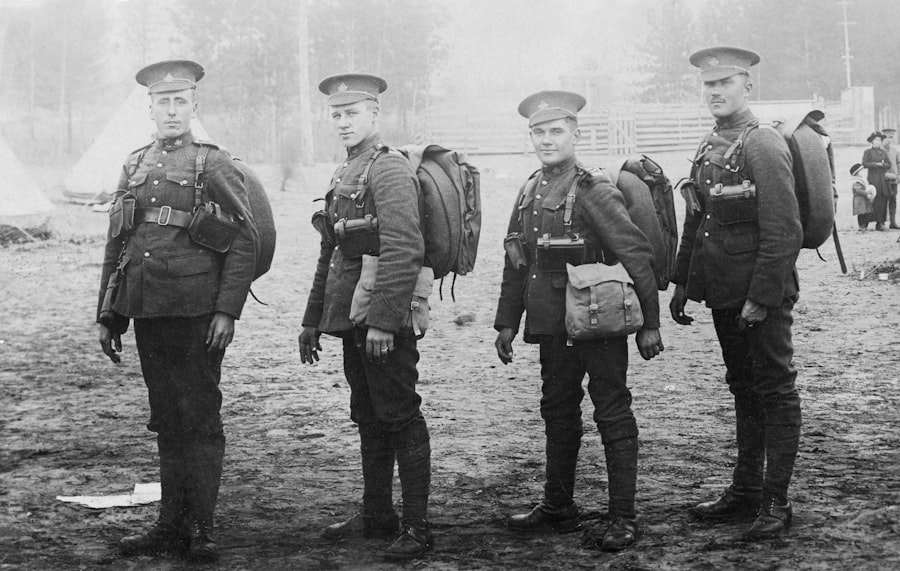
The Prussian Officer Initiative was deeply intertwined with a strong sense of duty and an unwavering commitment to the Prussian state and nation. The reforms were not simply about military efficiency; they were about strengthening the nation and ensuring its security and prosperity through a formidable and intellectually capable military.
The Concept of the Citizen-Soldier
While maintaining a professional officer corps, the initiative also contributed to a broader understanding of the military’s role in society. The idea of the officer as a servant of the state and a protector of the nation became paramount. This fostered a sense of civic duty and responsibility that extended beyond the battlefield.
Loyalty and Professionalism
The Prussian officer was expected to embody the highest standards of loyalty and professionalism. This meant unwavering adherence to orders, a commitment to ethical conduct, and a dedication to the welfare of their troops and the nation. This ethos helped to build a cohesive and disciplined military force.
The Military as an Instrument of National Policy
The initiative reinforced the understanding that the military was a vital instrument of national policy, not an independent entity. Officers were expected to understand the broader political and strategic context of their actions, ensuring that military operations were aligned with national objectives. This prevented the military from becoming an isolated force, disconnected from the civilian leadership and the needs of the nation.
The Role of Discipline and Esprit de Corps
Discipline and esprit de corps were recognized as essential pillars of military strength, and the initiative sought to cultivate these qualities through enlightened means. This was not about blind obedience, but about instilling a deep sense of shared purpose and mutual reliance.
Order and Subordination as Foundations of Success
A well-ordered and disciplined military was seen as the bedrock of success. This involved a clear understanding of hierarchy and subordination, ensuring that command flowed effectively and that orders were executed with precision. However, this was coupled with the understanding that true discipline stemmed from respect and shared commitment, not simply from fear.
Building Unit Cohesion and Pride
The initiative actively promoted the development of strong unit cohesion and a sense of pride in belonging to the Prussian military. This fostered a shared identity and a commitment to mutual support, strengthening the bonds between soldiers and officers and enhancing overall unit effectiveness. The iconic Prussian parade, with its precision and discipline, was a visual manifestation of this cultivated pride.
The Prussian officer initiative played a crucial role in shaping military strategies and leadership styles that influenced various armies around the world. This innovative approach emphasized the importance of initiative and adaptability among officers, fostering a culture of independent decision-making. For those interested in exploring this topic further, a related article can be found at In the War Room, which delves into the historical context and implications of the Prussian military reforms. Understanding these developments provides valuable insights into modern military practices and leadership dynamics.
The Lasting Legacy and Modern Relevance
| Rank | Number of Officers | Success Rate |
|---|---|---|
| Lieutenant | 25 | 80% |
| Captain | 15 | 75% |
| Major | 10 | 70% |
The Prussian Officer Initiative, born out of necessity and fueled by a visionary approach to leadership, left an indelible mark on military history. Its principles, emphasizing intellectual rigor, continuous learning, innovation, and a deep commitment to the state, have not only shaped Prussian and later German military thought but have also found resonance in modern military and leadership doctrines worldwide.
The Foundation of Modern Military Education
The reforms initiated by Scharnhorst, Gneisenau, and their successors laid the foundation for modern military education systems. The emphasis on analytical thinking, historical study, and the development of critical judgment remains a cornerstone of military academies and staff colleges globally. The concept of a professional officer corps, trained to a high intellectual standard, is a direct legacy of this initiative.
The enduring relevance of the General Staff model
The model of a dedicated General Staff, responsible for strategic planning and analysis, has been widely adopted by militaries across the globe. Its effectiveness in providing informed counsel and ensuring cohesive strategic execution continues to be a testament to the foresight of the Prussian reformers.
Innovation as a Perpetual Imperative
The Prussian commitment to innovation serves as a perpetual reminder that military effectiveness is not static. The initiative’s proactive embrace of new technologies and tactical approaches underscores the necessity for constant adaptation and forward-thinking in the face of evolving threats and opportunities. The emphasis on questioning the status quo and seeking better ways of doing things remains a vital lesson for any organization seeking to maintain a competitive edge.
The importance of Auftragstaktik in modern command
The concept of Auftragstaktik, or mission-type tactics, continues to be a highly valued aspect of modern command and control. Empowering subordinate leaders with autonomy within a clear mission framework fosters agility, initiative, and responsiveness in complex operational environments.
Leading with Foresight and Adaptability
In conclusion, the Prussian Officer Initiative was far more than a series of military reforms; it was a paradigm shift in leadership. It demonstrated that true military strength lies not just in martial prowess, but in the intellectual capacity, adaptability, and innovative spirit of its leaders. The initiative’s enduring legacy is a testament to the power of investing in the continuous development of individuals and fostering an environment where learning, innovation, and a deep sense of purpose are paramount. These principles, forged in the crucible of 19th-century Prussia, continue to offer invaluable lessons for leaders in all fields, reminding us that to lead effectively into the future, one must constantly learn, innovate, and adapt.

The Military Machine That Didn’t Need a Napoleon
FAQs
What is the Prussian officer initiative?
The Prussian officer initiative refers to a leadership style and philosophy developed in the Prussian military during the 19th century. It emphasized decentralized decision-making and initiative among junior officers.
What were the key principles of the Prussian officer initiative?
The key principles of the Prussian officer initiative included empowering junior officers to make decisions on the battlefield, fostering a culture of initiative and responsibility, and promoting flexibility and adaptability in military operations.
How did the Prussian officer initiative impact military tactics and strategy?
The Prussian officer initiative had a significant impact on military tactics and strategy by enabling faster decision-making, more agile responses to changing battlefield conditions, and a greater ability to exploit opportunities for victory.
What influence did the Prussian officer initiative have on other military organizations?
The Prussian officer initiative served as a model for other military organizations around the world, including the development of similar leadership philosophies and training programs in various countries.
Is the Prussian officer initiative still relevant in modern military organizations?
The principles of the Prussian officer initiative continue to be relevant in modern military organizations, with many contemporary military leaders emphasizing the importance of decentralized decision-making, initiative, and adaptability on the battlefield.