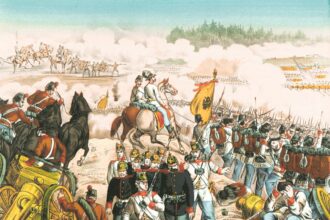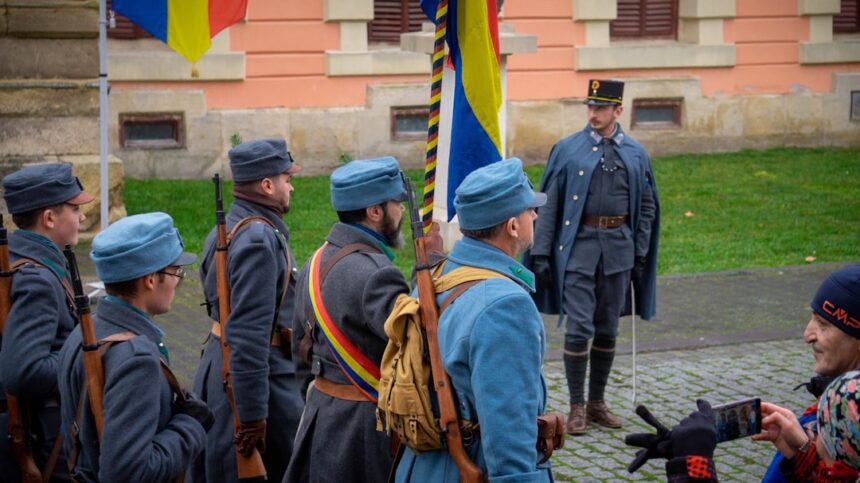
The humiliating defeat at Jena-Auerstedt in 1806 was a brutal awakening for Prussia. The once formidable Prussian military, the engine of Frederick the Great’s empire, was revealed to be stagnant, rigid, and utterly unprepared for the lightning warfare of Napoleonic France. The Treaty of Tilsit in 1807 imposed harsh terms, including territorial losses and crippling reparations, but it also provided a stark catalyst for a period of profound and necessary transformation. The years following 1806 witnessed a radical overhaul of the Prussian armed forces, a comprehensive reform movement that sought to modernize tactics, organization, leadership, and even the very spirit of the army. This era of reform was not merely about regaining military strength; it was about forging a new Prussian identity, one that embraced meritocracy, nationalistic fervor, and a more flexible approach to warfare, ultimately laying the groundwork for Prussia’s resurgence and eventual dominance in Germany.
The disaster of 1806 shattered the prevailing military dogma that had guided Prussian forces for decades. The rigid adherence to Napoleonic tactics had become outdated, and the emphasis on rote drilling and superficial parades had masked a deeper rot. The post-1806 era saw a crucial intellectual shift, with reformers recognizing the need to fundamentally re-evaluate military thought and adapt it to the realities of modern warfare. This intellectual renaissance was spearheaded by a group of forward-thinking officers and civilian thinkers who engaged in intense debate and analysis.
The Legacy of Frederick the Great and its Limitations
For generations, the ghost of Frederick the Great loomed large over the Prussian military. His tactical genius, his emphasis on discipline, and his strategic acumen had forged an army that had humbled its rivals. However, by the early 19th century, this legacy had become a straitjacket.
The Emphasis on Drill and Obedience
Frederick’s success was heavily reliant on the meticulous drilling of his troops, instilling a level of obedience that allowed for complex maneuvers on the battlefield. This focus on precise movements and unquestioning adherence to orders was essential in an era where communication was slow and often unreliable. However, this rigid system stifled initiative and adaptability. Soldiers were trained to execute commands, not to think for themselves or react to unforeseen circumstances.
The Outdated Tactics of Linear Warfare
The battle formations and tactical doctrines employed by the Prussian army in 1806 were largely unchanged from those of Frederick’s era. The linear battle, with its disciplined ranks of musketeers and bayonet charges, was still the preferred method of engagement. This approach proved disastrous against Napoleon’s more flexible use of skirmishers, artillery, and combined arms tactics. The Prussian forces were outmaneuvered, outgunned, and outfought.
The Influence of Napoleonic Warfare
The architect of Prussia’s downfall, Napoleon Bonaparte, ironically became a key source of inspiration for its subsequent reforms. The effectiveness of the French army under Napoleon was undeniable, and Prussian reformers meticulously studied its organization, tactics, and leadership.
The Cult of the Offensive and Maneuver
Napoleon’s campaigns were characterized by a bold, offensive spirit and a mastery of maneuver warfare. He understood the importance of concentrating forces, outflanking the enemy, and striking decisive blows. Prussian strategists recognized the shortcomings of their own passive and defensive postures and sought to emulate the French emphasis on speed and initiative.
The Art of Combined Arms
The French army excelled at integrating its infantry, cavalry, and artillery into a cohesive fighting force. This concept of combined arms, where each branch supported the others, was a significant departure from the more compartmentalized approach that had previously prevailed in Prussian strategy. Reformers understood that a truly modern army needed to leverage the strengths of all its components.
The Rise of New Military Thinkers
The intellectual vacuum created by the defeat gave rise to a new generation of military thinkers who challenged established norms and proposed innovative solutions. These men, often operating outside the direct military hierarchy, played a crucial role in shaping the new Prussian military philosophy.
Carl von Clausewitz and On War
Perhaps the most influential figure of this reform era was Carl von Clausewitz. His seminal work, On War, though published posthumously, laid the philosophical foundations for a modern understanding of warfare. Clausewitz viewed war as a continuation of politics by other means, emphasizing the importance of political objectives, the amorphous nature of war, and the central role of friction and chance. His ideas moved away from the mechanistic view of warfare and embraced its inherent complexity and human element.
Other Contributing Thinkers and Their Ideas
Beyond Clausewitz, other reformers contributed significantly to the intellectual ferment. Figures like August Wilhelm von Gneisenau and Gerhard von Scharnhorst, active military officers, recognized the need for practical reforms based on new theoretical insights. Gneisenau, in particular, championed the idea of a “people’s war” (Volkskrieg) and the importance of nationalistic sentiment in motivating soldiers. Scharnhorst, a brilliant organizer, focused on improving the practical aspects of military training and education.
The Prussian military reforms after 1806 were pivotal in transforming the Prussian army into one of the most effective military forces in Europe. These reforms, which included changes in organization, training, and tactics, were largely a response to the defeats suffered during the Napoleonic Wars. For a deeper understanding of these reforms and their impact on military strategy, you can read a related article that explores the intricacies of this transformation at this link.
Reorganizing the Command Structure: Efficiency and Meritocracy
The traditional Prussian command structure was characterized by a rigid hierarchy, where promotion was often based on birth and seniority rather than merit. This system bred inefficiency, stifled innovation, and led to a disconnect between the officer corps and the common soldier. The post-1806 reforms aimed to create a more streamlined, efficient, and merit-based system of command.
Breaking Down the Old Aristocratic Privileges
The Prussian officer corps had long been a preserve of the aristocracy. This exclusivity fostered a sense of entitlement and discouraged the promotion of talented individuals from lower social strata. The reforms recognized that a modern army needed to draw talent from the broadest possible pool.
The Principle of Meritocracy in Promotion
The concept of meritocracy, the idea that advancement should be based on ability and performance, was central to the reforms. This meant that commissions and promotions were to be awarded based on skill, leadership potential, and battlefield performance, rather than purely on social standing or family connections. While the aristocracy retained influence, the door was opened to a more diverse and capable officer corps.
The Creation of a Professional Officer Corps
The reforms aimed to elevate the status and professionalism of the officer corps. This involved improved education and training, the establishment of military academies, and a greater emphasis on intellectual development alongside martial prowess. The goal was to create officers who were not only brave but also knowledgeable and adaptable.
Streamlining the Chain of Command
The pre-reform Prussian military had a convoluted and inefficient command structure that hindered rapid decision-making and effective communication. The reforms sought to simplify and rationalize this chain of command.
The Introduction of the General Staff
A pivotal innovation was the creation of a professional General Staff, modeled on the French example. This body was responsible for planning, intelligence gathering, and coordinating the movements of the army. The General Staff acted as the brain of the army, allowing for more sophisticated strategic planning and operational execution.
Improved Communication and Coordination
Efforts were made to improve communication between different units and branches of the army. This included the development of more efficient signaling methods and a greater emphasis on clear and concise orders. Better coordination was essential for the successful implementation of complex maneuvers.
Transforming Training and Education: The Modern Soldier

The Prussian soldier of 1806 was a product of a system that emphasized blind obedience and repetitive drills. The post-1806 reforms recognized that a modern army required soldiers who were not only disciplined but also intelligent, adaptable, and motivated by a sense of national purpose. This led to a radical overhaul of military training and education.
The Shift from Drill to Tactical Training
The focus of training shifted from the rote memorization of drill movements to the development of tactical understanding and battlefield improvisation. Soldiers were trained to react to changing situations and to make independent decisions within the framework of their orders.
Emphasis on Maneuver and Firepower
Training incorporated more realistic scenarios that emphasized maneuver warfare, effective use of firepower, and cooperation between different elements of the battlefield. Soldiers learned to operate in more dispersed formations and to utilize cover and concealment.
Development of Soldier Initiative
A crucial aspect of the new training was the encouragement of soldier initiative. While discipline remained paramount, soldiers were taught to think for themselves and to take calculated risks when necessary. This fostered a more dynamic and responsive fighting force.
The Creation of New Educational Institutions
The reform era saw the establishment and expansion of military educational institutions designed to equip officers and NCOs with the knowledge and skills necessary for modern warfare.
The Kriegsakademie (War Academy)
The establishment and elevation of the Kriegsakademie became a cornerstone of officer education. This institution provided advanced theoretical and practical training in strategy, tactics, military history, and logistics, producing highly qualified officers capable of commanding larger formations.
Reforming the Cadet Schools
The cadet schools, which traditionally served as the entry point for aspiring officers, were reformed to provide a more rigorous and comprehensive education. The curriculum was expanded to include subjects beyond pure military science, such as mathematics, history, and languages, fostering a more well-rounded officer.
NCO Training and Development
Recognizing the vital role of non-commissioned officers, the reforms also focused on improving their training and development. Well-trained NCOs were essential for leading platoons and squads effectively, bridging the gap between officers and the rank-and-file.
The Citizen Soldier: Nationalization and Motivation
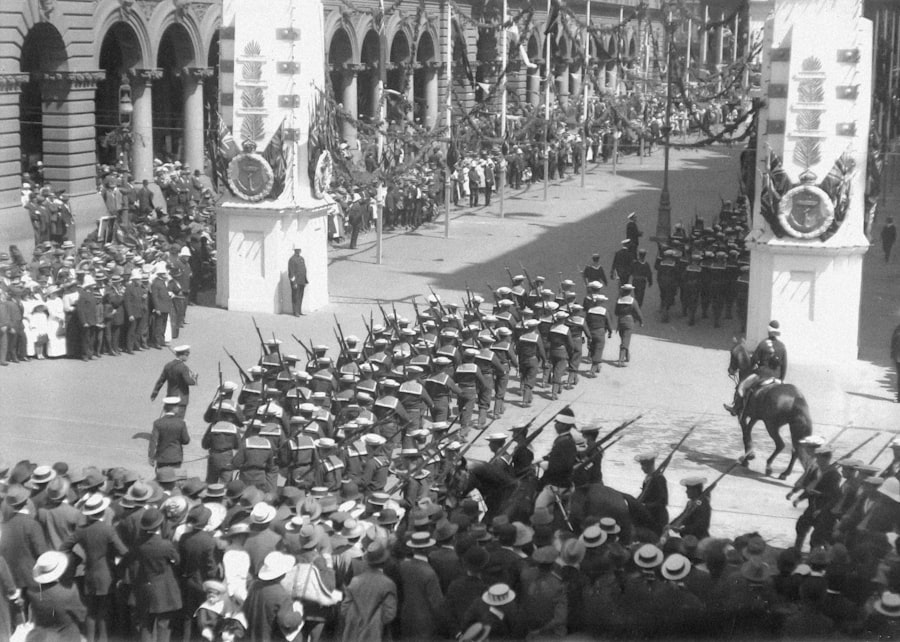
The Prussian military’s effectiveness had historically relied on a professional core, often augmented by conscripts. The post-1806 reforms sought to transform the army into a truly national force, one that drew strength from the patriotism and dedication of the entire populace. This involved a fundamental shift in the relationship between the state and its citizens in the military sphere.
The Introduction of Universal Conscription
The Napoleonic Wars demonstrated the power of armies composed of citizens fighting for their nation. Prussia, previously reliant on a system that included a significant proportion of foreign mercenaries and long-service professionals, introduced universal conscription.
The Obligation of All Citizens to Serve
This reform meant that all able-bodied male citizens had a duty to serve in the military for a set period. This dramatically expanded the pool of available manpower and fostered a sense of shared responsibility for national defense.
The Creation of a Reserve Force
Beyond the standing army, a robust reserve force was established. These trained soldiers could be mobilized quickly in times of crisis, providing a significant strategic advantage and demonstrating the nation’s commitment to defense.
Fostering Nationalistic Sentiment and Patriotism
The reforms recognized that a motivated citizenry was crucial for military success. This led to a conscious effort to cultivate nationalistic sentiment and patriotism within the army and the broader population.
The “Volkskrieg” (People’s War) Concept
Inspired by the French Revolution and Napoleon’s successful appeals to national pride, Prussian reformers championed the idea of a “Volkskrieg.” This concept posited that a unified nation, fighting for its freedom and existence, could overcome a numerically superior but less motivated foe.
Propaganda and Symbolism
The state actively employed propaganda and symbolism to foster a sense of national identity and loyalty. National heroes, historical narratives, and patriotic anthems were used to instill a sense of pride and belonging, transforming military service into a patriotic duty.
The Prussian military reforms after 1806 were pivotal in reshaping the structure and strategy of the Prussian army, leading to significant victories in subsequent conflicts. These reforms emphasized the importance of a more flexible and professional military force, which ultimately laid the groundwork for the unification of Germany. For a deeper understanding of the impact of these changes on modern warfare, you can explore a related article on military strategies at In The War Room.
The Impact and Legacy: Forging a Future Powerhouse
| Reform | Impact |
|---|---|
| Abolition of serfdom | Increased recruitment pool for the army |
| Introduction of universal conscription | Expanded the size of the army |
| Creation of Landwehr (reserve forces) | Improved readiness for defense |
| Reorganization of the army structure | Enhanced efficiency and effectiveness |
The Prussian military reforms initiated after 1806 were not merely a response to a single defeat; they were a fundamental restructuring that propelled Prussia from the brink of collapse to a position of immense military and political power. The changes implemented during this period had a profound and lasting impact on Prussia and, by extension, on the future of Germany.
The Resurgence of Prussian Military Might
The reformed Prussian army proved its mettle in the Wars of Liberation against Napoleon, culminating in Prussia’s significant contribution to his final defeat at Waterloo. The efficiency, tactical acumen, and nationalistic fervor of the new army were evident on the battlefield.
The Wars of Liberation (1813-1815)
The Prussian forces played a crucial role in the campaigns of 1813-1815, demonstrating their renewed strength and effectiveness. Victories at battles like Leipzig and their participation in the final defeat of Napoleon at Waterloo showcased the success of the reforms.
The Foundation for Future Victories
The military system forged in this era provided the foundation for Prussia’s subsequent military successes, including the Second Schleswig War (1864), the Austro-Prussian War (1866), and the Franco-Prussian War (1870-1871). These victories ultimately led to the unification of Germany under Prussian leadership.
The Evolution of Military Thought and Organization
The Prussian reforms had a ripple effect far beyond its own borders. The innovative concepts and organizational structures developed in Prussia became models for other militaries around the world.
Influence on Other European Armies
Many European powers studied and adapted Prussian military innovations, particularly the development of the General Staff and the emphasis on meritocracy. The Prussian model of military organization and training became a benchmark for military modernization.
The Enduring Principles of the Prussian General Staff
The concept of a professional, independent General Staff, capable of strategic planning and operational oversight, proved to be a lasting innovation that shaped military thinking for decades to come. It became an integral part of modern military institutions globally.
The Unification of Germany and Prussian Dominance
The military prowess of the reformed Prussian army was a crucial factor in the unification of Germany in 1871. Prussia’s military superiority allowed it to outmaneuver and defeat its rivals, forging a new German Empire with Prussia at its core. The army, thus, became not just a tool of defense but an instrument of national ambition and consolidation. The post-1806 reforms, therefore, represent a pivotal moment in European history, a testament to Prussia’s ability to learn from its failures and transform itself into a formidable and enduring military power.
The Military Machine That Didn’t Need a Napoleon
FAQs
What were the key military reforms implemented by Prussia after 1806?
After the devastating defeat at the hands of Napoleon in 1806, Prussia implemented a series of military reforms. These included the reorganization of the army, the introduction of conscription, the establishment of a general staff, and the adoption of new tactics and training methods.
How did the defeat in 1806 influence the Prussian military reforms?
The defeat in 1806 exposed the weaknesses of the Prussian military and led to a realization that significant reforms were necessary to modernize and strengthen the army. This defeat served as a catalyst for change and prompted the implementation of reforms to improve the effectiveness and efficiency of the Prussian military.
What impact did the military reforms have on the Prussian army?
The military reforms had a significant impact on the Prussian army, transforming it into a more modern and effective fighting force. The reforms improved the organization, training, and tactics of the army, making it better prepared for future conflicts and enabling Prussia to regain its status as a major military power in Europe.
Who were the key figures involved in implementing the Prussian military reforms?
Key figures involved in implementing the Prussian military reforms included Gerhard von Scharnhorst, August Neidhardt von Gneisenau, and Carl von Clausewitz. These individuals played crucial roles in shaping the reforms and modernizing the Prussian army.
What was the long-term impact of the Prussian military reforms after 1806?
The Prussian military reforms after 1806 had a lasting impact, not only on the Prussian army but also on military developments in Europe. The reforms set the stage for the Prussian military to become a dominant force in the wars of German unification and influenced military thinking and practices in other European countries.