The Imperial Japanese Navy submarine I-13, a vessel steeped in the grim realities of World War II’s Pacific theatre, met its end not in a fiery exchange of torpedoes or a desperate naval battle, but in the silent depths before it could even fulfill its intended mission. This is the story of a unique and ill-fated submarine, a carrier of specialized aircraft, and its premature demise, a fate that underscored the crushing weight of Allied air superiority and the relentless pursuit that characterized the war’s latter stages. The I-13 represented a sophisticated, albeit ultimately futile, technological gamble by the Japanese, designed to project air power in ways that stretched the boundaries of submarine warfare. Its sinking, therefore, was more than just the loss of a single warship; it was a stark indicator of the strategic shifts and overwhelming naval power that would ultimately lead to Japan’s defeat.
The Genesis of the I-13: A Submarine for a Strategic Purpose
The development of the I-13 class of submarines was a response to a perceived need for long-range strike capabilities that could project air power far beyond the reach of conventional land-based aircraft. Unlike standard submarines primarily designed for torpedo attacks on shipping, these giants were conceived as mobile airbases, capable of carrying and launching specialized reconnaissance and attack aircraft. The I-13, along with its sister ship I-14, belonged to a late-war design that prioritized these aerial capabilities, reflecting a Japanese strategic thinking that increasingly relied on daring and innovative, even desperate, measures to counter the growing might of the Allied forces.
The Vision: Carrier-Submarines and Their Role
The concept of a submarine aircraft carrier was not entirely new, with earlier Japanese submarines like the I-15 class having experimented with carrying floatplanes. However, the I-13 and I-14 represented a significant escalation in this concept. These vessels were considerably larger than their predecessors, designed to accommodate more powerful and capable aircraft. The primary envisioned role for these aircraft was reconnaissance, providing vital intelligence on Allied fleet movements and land targets. However, they were also equipped for attack missions, potentially carrying aerial torpedoes or bombs, thereby extending the offensive reach of the submarine. This vision was rooted in the hope of delivering surprise attacks and disrupting Allied operations in the vast expanses of the Pacific, a strategic gamble aimed at compensating for Japan’s declining naval strength.
Design and Armament: A Hybrid Warship
The I-13, commissioned in February 1944, was a formidable vessel. Its immense size, exceeding 114 meters in length, allowed for the integration of a substantial hangar and a unique catapult system designed to launch its aircraft. Typically, it carried two Yokosuka E14Y “Glen” floatplanes, renowned for their reconnaissance capabilities. These aircraft were lightweight and agile, capable of operating from limited water surfaces after recovery. For its primary role as a submarine, the I-13 was armed with torpedoes, boasting six 21-inch torpedo tubes and twenty torpedoes. This dual capability, the ability to launch aerial strikes and conduct traditional submarine warfare, made it a unique and potentially dangerous adversary. However, the sheer size and specialized nature of the I-13 also made it a more conspicuous target and arguably less maneuverable than smaller, more conventional submarines. Its construction and deployment were part of a desperate effort to maintain offensive pressure against an increasingly dominant enemy.
The Japanese submarine I-13, which was sunk before it could carry out its intended attack, has been the subject of various historical analyses. For a deeper understanding of the strategic implications surrounding its sinking and the broader context of submarine warfare during World War II, you can read a related article that delves into these themes. For more information, visit this article.
The Mission of the I-13: A Voyage into the Unknown
The I-13’s final mission was shrouded in secrecy and fraught with peril. Tasked with a critical role in a daring, albeit ultimately doomed, offensive operation, the submarine was to carry its aircraft to a strategic location to support Japanese forces. The context of this mission was the escalating intensity of the Pacific War, with Allied forces pushing relentlessly towards the Japanese home islands. The Japanese high command was seeking any means to disrupt this advance and inflict damage, and the I-13 was seen as a key asset in this endeavor.
The Kai-24 Operation: A Desperate Gambit
The I-13’s ultimate objective was part of the Kai-24 operation, a highly ambitious plan involving the deployment of specialized aircraft carrying incendiary bombs. The intention was to launch these aircraft from the vicinity of the Mariana Islands, targeting the continental United States, specifically San Francisco. The hope was to spread firestorms and sow panic on the American mainland, a psychological blow intended to weaken the Allied resolve. The I-13, along with other submarines of its class, was assigned the task of transporting these specially modified aircraft, equipped with bombs designed to ignite during their descent. This was a radical departure from traditional submarine warfare, showcasing the lengths to which Japan was willing to go in its final desperate days.
The Journey West: Into the Lion’s Den
Departing from Kure, Japan, on May 19, 1945, the I-13 began its arduous journey across the vast Pacific. The waters it traversed were increasingly controlled by the United States Navy, with extensive air and sea patrols actively hunting for any remaining Japanese threats. The I-13, burdened by its precious cargo and operating far from any friendly bases, was a lonely and vulnerable target. Its journey was a race against time and an enemy that possessed overwhelming intelligence and surveillance capabilities. The success of its mission hinged on its ability to evade detection for the entirety of its transit and then successfully launch its aircraft in hostile territory.
The Silent Hunter: The Allied Pursuit
The Allied forces were not unaware of the potential threat posed by Japanese submarines, particularly the advanced carrier-submarines. The intelligence networks of the Allies, bolstered by code-breaking efforts, were constantly monitoring Japanese naval activity. The I-13, despite its attempts at stealth, was ultimately detected, setting in motion a relentless pursuit that would seal its fate before it could even reach its operational objective. The sheer scale of Allied operations meant that any detected movement of a large Japanese vessel would be met with a concerted and overwhelming response.
Breaking the Codes: Intelligence Advantage
A significant factor in the Allied success was their ability to break Japanese naval codes, particularly JN-25. This intelligence coup provided invaluable insights into Japanese movements, intentions, and even the types of vessels being deployed. While the specific details of the I-13’s mission may not have been fully revealed through code-breaking alone, the general patterns of submarine deployments and the characteristics of newer submarines like the I-13 would have been observed. This allowed the Allies to anticipate potential threats and position their forces accordingly, effectively turning the tables on surprise attacks.
The Search and Destroy: Patrols in the Pacific
The waters where the I-13 was operating were teeming with Allied patrols, including aircraft carriers, destroyers, and submarines. These forces were specifically tasked with interdicting Japanese shipping and eliminating any naval threats. The I-13, as a large and identifiable vessel, would have been a prime target for these patrols. The vastness of the ocean meant that detection was a constant risk, and the presence of numerous Allied aircraft capable of long-range reconnaissance further amplified this danger. The United States Navy’s mastery of anti-submarine warfare, honed through years of relentless combat, made the Pacific a treacherous environment for any Japanese submarine.
The Unseen End: The Demise of the I-13
The I-13’s final moments were not marked by the dramatic explosions of a torpedo battle, but by the calculated and devastating attacks of Allied aircraft. While the precise details of the engagement remain somewhat obscured by the fog of war, the outcome was undeniable: the I-13 was sunk, its mission tragically unfulfilled. Its destruction served as a stark reminder of the futility of many late-war Japanese strategies against an overwhelmingly superior enemy.
The Attack by the USS Ticonderoga: A Devastating Encounter
The most widely accepted account of the I-13’s sinking attributes its destruction to aircraft from the United States Navy aircraft carrier USS Ticonderoga. On July 16, 1945, a Grumman TBF Avenger torpedo bomber from the Ticonderoga, piloted by Lieutenant Commander Dwight Miller, detected a large Japanese submarine on the surface. The submarine, identifiable by its size and configuration, was believed to be the I-13. Miller’s aircraft delivered a deadly payload of depth charges, which inflicted severe damage on the submarine. Accounts suggest that a second attack run by another Avenger, or subsequent attacks by other aircraft from the Ticonderoga’s air group, ultimately sealed the I-13’s fate. The submarine was observed to be listing heavily and then disappeared beneath the waves, presumably succumbing to the damage sustained.
The Silence of the Deep: Loss of Crew and Mission
The sinking of the I-13 resulted in the loss of all 133 men on board. This included its captain, Commander Hirano Osamu, and the pilots and crew of the two aircraft it carried. The mission to attack San Francisco with incendiary bombs, a desperate and unprecedented act of aerial warfare from a submarine, was thus aborted before it could even commence. The I-13, along with its unique offensive capabilities and the hopes it represented, was consigned to the ocean floor, a silent testament to the overwhelming power of the Allied war machine and the tragic end of Japan’s wartime ambitions.
The Japanese submarine I-13, which was sunk before it could carry out its planned attack, remains a significant topic of discussion among historians and military enthusiasts. This incident highlights the complexities of naval warfare during World War II and the strategic miscalculations that often occurred. For those interested in exploring more about the broader context of submarine warfare during this period, a related article can be found at In the War Room, where various aspects of military strategy and historical events are analyzed in depth.
Legacy and Significance: A Symbol of Futility
| Metric | Details |
|---|---|
| Submarine Name | Japanese Submarine I-13 |
| Type | Sentoku-class (Type AM) submarine |
| Mission | Planned attack on the U.S. West Coast during World War II |
| Date Sunk | July 16, 1945 |
| Location Sunk | Near Okinawa, East China Sea |
| Cause of Sinking | Attacked and sunk by U.S. Navy aircraft (TBM Avenger torpedo bombers) |
| Casualties | Approximately 116 crew members lost |
| Significance | Sunk before it could carry out its planned air attack using onboard aircraft |
The sinking of the I-13, while a relatively minor event in the grand sweep of World War II, carries a significant symbolic weight. It represents the increasingly desperate and technologically advanced, yet ultimately futile, efforts of Japan to stem the tide of Allied victory. The I-13 class of submarines, with their ambitious aerial capabilities, were a testament to Japanese ingenuity but also a reflection of a strategic situation that was rapidly deteriorating.
The End of an Era: Advanced Submarine Warfare
The I-13 and its sister ship, the I-14, were among the last of the large, specialized Japanese submarines to be built. Their failure to achieve their objectives, coupled with the relentless Allied pressure, effectively signaled the end of any serious consideration for such ambitious submarine carrier projects. The war had evolved to a point where air superiority was paramount, and the limitations of submarines, even those equipped with aircraft, in challenging such dominance became increasingly apparent. The I-13’s fate underscored the fact that even the most innovative of designs could not overcome the fundamental shifts in naval warfare that had occurred during the conflict.
A Ghost in the Archives: Unfulfilled Potential and Historical Footnote
The I-13 remains a fascinating historical footnote, a “what if” in the annals of naval history. Its intended mission, had it been successful, could have had a significant psychological impact, though likely not a decisive strategic one. However, its ultimate demise serves as a powerful reminder of the harsh realities of war. The submarine’s advanced design, its ambitious mission, and its tragic end all encapsulate the desperate struggles of Japan in the final year of the conflict. The I-13, sunk before it could unleash its aerial payload, became a symbol of unrealized potential and a chilling testament to the overwhelming might of the Allied forces that ultimately secured victory.
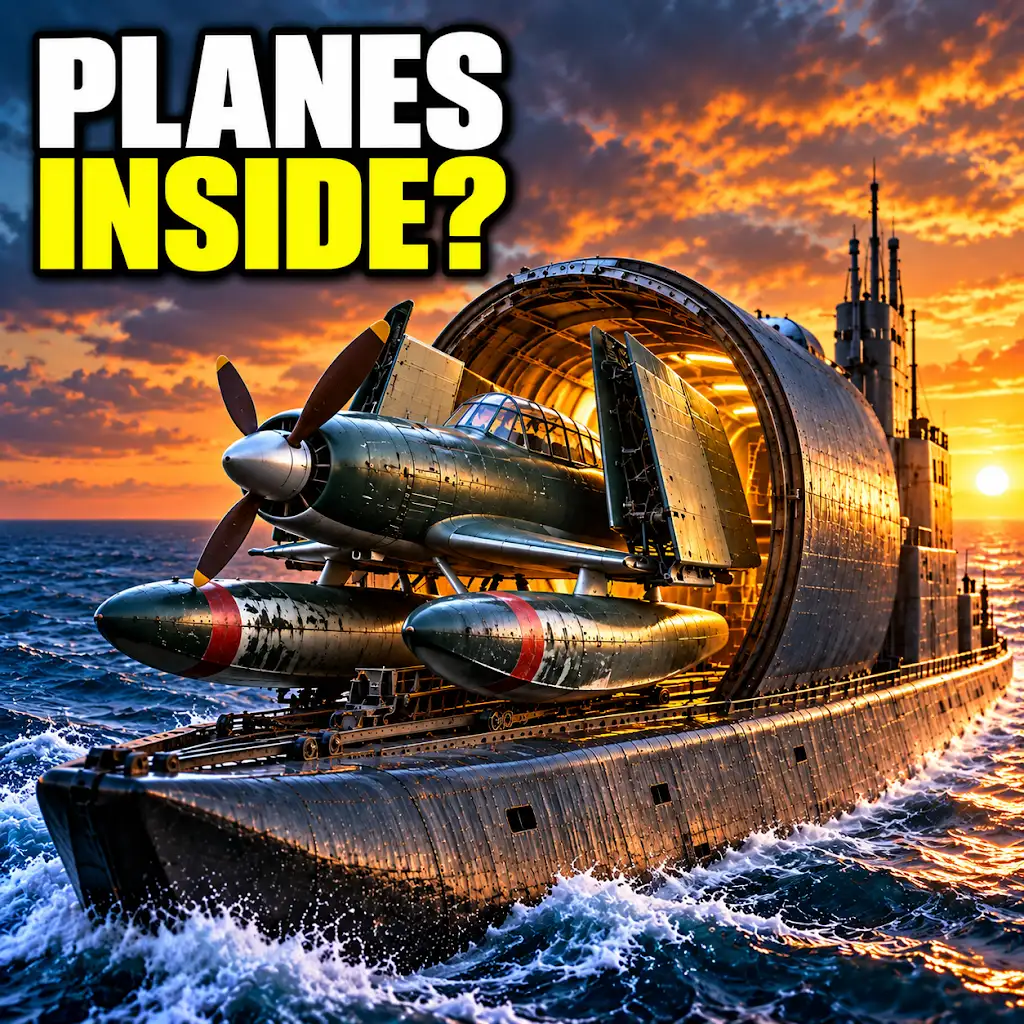
Japan Built a Submarine That Could Launch Three Planes
FAQs
1. What was the Japanese submarine I-13?
The Japanese submarine I-13 was a large cruiser submarine of the Imperial Japanese Navy during World War II.
2. How was the Japanese submarine I-13 sunk?
The Japanese submarine I-13 was sunk by the US Navy destroyer USS Patterson on September 19, 1943, near the Solomon Islands.
3. Was the Japanese submarine I-13 sunk before it could launch an attack?
Yes, the Japanese submarine I-13 was sunk before it could carry out its planned attack on Allied ships in the area.
4. What was the significance of sinking the Japanese submarine I-13?
The sinking of the Japanese submarine I-13 was a significant victory for the Allies as it prevented a potential threat to their naval operations in the Pacific.
5. Are there any known survivors from the sinking of the Japanese submarine I-13?
There were no known survivors from the sinking of the Japanese submarine I-13, as the entire crew perished in the attack.