Ensuring Accountability: Government Oversight of Private Military Contractors
The increasing reliance of states on private military contractors (PMCs) for a range of security functions has become a defining characteristic of modern warfare and international security operations. From logistical support and training to direct combat roles and intelligence gathering, PMCs have become deeply embedded in the operational frameworks of numerous governments. This phenomenon, while offering potential advantages in flexibility and specialized expertise, simultaneously presents significant challenges related to accountability and oversight. Ensuring that these private entities operate within legal, ethical, and operational boundaries is a complex undertaking that requires robust governmental frameworks and continuous vigilance. The absence of effective oversight can lead to a host of detrimental consequences, including human rights abuses, mission failures, erosion of state sovereignty, and a weakening of democratic control over the use of force. Therefore, understanding and implementing comprehensive government oversight mechanisms for PMCs is not merely a technical or legal necessity but a critical imperative for maintaining international law, upholding human rights, and ensuring the responsible application of military power.
The rise of PMCs is not a new phenomenon, with historical precedents found in mercenary forces and privateering. However, the scale, scope, and legal status of contemporary PMCs have evolved dramatically, particularly in the post-Cold War era. The demand for private security services surged in response to evolving global security threats, including terrorism, insurgency, and failed states. Governments, facing budgetary constraints, limited military capacity, or the political sensitivities associated with deploying national troops, found PMCs to be an attractive alternative.
Historical Context and the Modern Evolution
The initial deployment of PMCs in the late 20th century was often characterized by limited regulatory frameworks and a degree of ambiguity regarding their legal standing. However, the significant presence of PMCs in conflicts such as those in Afghanistan and Iraq brought their operations under intense public and governmental scrutiny. This heightened awareness led to a greater appreciation of the need for clear legal and contractual frameworks to govern their activities. The variety of services offered by PMCs has expanded significantly, moving beyond traditional security functions to encompass areas such as cybersecurity, intelligence analysis, and even diplomatic security.
Motivations for PMC Utilization
Several factors drive governments to engage with PMCs. These include:
Cost-Effectiveness and Efficiency
In certain scenarios, PMCs can offer cost savings compared to maintaining standing armies or engaging in prolonged military deployments. Their specialized skills can also lead to greater efficiency in specific tasks.
Flexibility and Rapid Deployment
PMCs can be rapidly deployed to areas where national military forces are either unavailable or politically undesirable. This flexibility allows governments to respond quickly to emerging security needs.
Access to Specialized Skills and Technology
PMCs often possess specialized skills, training, and access to advanced technologies that may not be readily available within national military structures. This can include expertise in areas like intelligence, electronic warfare, and specialized training programs.
Political Considerations and Force Protection
Utilizing PMCs can sometimes be a way to reduce the political fallout associated with casualties incurred by national forces. It can also allow for the outsourcing of dangerous tasks, thereby protecting domestic military personnel.
In recent discussions surrounding the role of private military contractors (PMCs) in modern warfare, the need for enhanced government oversight has become increasingly critical. An insightful article that delves into this topic can be found on In The War Room, which explores the implications of relying on PMCs and the potential risks associated with their operations. For a comprehensive analysis of the challenges and recommendations for regulatory frameworks, you can read the article here: In The War Room.
The Imperative of Robust Government Oversight
The inherent risks associated with the privatization of security functions necessitate stringent government oversight. Without effective mechanisms, the potential for abuse, lack of accountability, and erosion of state control over the use of force becomes a significant concern. Oversight aims to ensure that PMCs operate within legal parameters, adhere to ethical standards, and effectively contribute to stated security objectives without undermining democratic principles or international norms.
Defining the Scope and Boundaries of PMC Operations
Clear contractual agreements are fundamental to establishing the scope and boundaries of PMC operations. These contracts must precisely define the tasks, responsibilities, and limitations of the contractor, ensuring alignment with governmental objectives and legal frameworks. This includes specifying prohibited activities and outlining the rules of engagement.
Contractual Frameworks and Specifications
Well-defined contracts serve as the primary instrument for governing PMC engagement. These documents should be comprehensive, leaving no room for ambiguity regarding the services to be provided, performance metrics, reporting requirements, and termination clauses.
Rules of Engagement and Use of Force
Specific rules of engagement (ROE) are crucial for governing the actions of PMC personnel, especially when they operate in proximity to national forces or in complex operational environments. These ROE must be clearly articulated and strictly enforced.
Legal and Regulatory Frameworks
The legal status and operational framework for PMCs can be complex, often involving a patchwork of national laws, international conventions, and contractual obligations. Establishing clear legal and regulatory frameworks is essential for holding PMCs accountable for their actions.
Domestic Legislation and International Law
Governments must enact domestic legislation that addresses the licensing, registration, and oversight of PMCs operating within their jurisdiction. Furthermore, adherence to international humanitarian law and human rights law is paramount.
Extraterritorial Jurisdiction and Accountability
A significant challenge lies in establishing accountability for PMC actions that occur outside a state’s immediate territorial jurisdiction. Developing mechanisms for extraterritorial jurisdiction and ensuring cooperation between states is vital.
Vetting and Screening of Personnel
The personnel employed by PMCs play a crucial role in their operational conduct. Robust vetting and screening processes are essential to ensure that individuals with problematic backgrounds or propensities for misconduct are not employed.
Background Checks and Security Clearances
Thorough background checks, including criminal record checks, psychological evaluations, and assessment of past performance, are critical for identifying suitable candidates. Security clearances are also necessary, especially for contractors involved in sensitive operations.
Training and Ethical Indoctrination
Beyond technical skills, PMC personnel require comprehensive training in international humanitarian law, human rights, cultural sensitivity, and ethical conduct. This ensures they understand the legal and moral boundaries of their operations.
Mechanisms for Ensuring Accountability

Effective oversight is not just about setting rules; it is about establishing mechanisms that can enforce those rules and ensure accountability when breaches occur. This involves a multi-faceted approach that encompasses monitoring, reporting, investigation, and punitive measures.
Monitoring and Performance Evaluation
Continuous monitoring of PMC activities is essential to ensure compliance with contractual obligations, legal requirements, and ethical standards. This involves ongoing assessment of their performance and adherence to agreed-upon parameters.
On-Site Inspections and Audits
Regular on-site inspections and audits by government representatives are crucial for verifying PMC operations, reviewing documentation, and identifying any deviations from established protocols.
Independent Review and Assessment
The establishment of independent review bodies or the engagement of external experts can provide an objective assessment of PMC performance and adherence to standards, free from potential conflicts of interest.
Reporting and Transparency Mechanisms
Clear and consistent reporting mechanisms are vital for maintaining awareness of PMC activities and enabling timely intervention if issues arise. Transparency, while challenging in security contexts, is also a key component of accountability.
Regular Reporting Requirements
PMCs should be mandated to submit regular, comprehensive reports detailing their activities, personnel deployment, and any incidents that occur. These reports should be scrutinized by designated government agencies.
Whistleblower Protection
Establishing secure and accessible channels for whistleblowers within or associated with PMCs is crucial for surfacing instances of misconduct or illegal activity. Robust protection for whistleblowers is paramount to encourage reporting.
Investigation and Remediation Processes
When allegations of misconduct or violations arise, swift, thorough, and impartial investigation processes are essential. These processes must be capable of identifying responsible parties and implementing appropriate remedial actions.
Incident Investigation Protocols
Clear protocols for investigating incidents involving PMCs are necessary, outlining the procedures for evidence collection, witness interviews, and the determination of facts.
Disciplinary Actions and Contractual Remedies
The consequences for violating contractual obligations or legal standards must be clearly defined and consistently applied. This can include disciplinary actions against individuals, financial penalties, and contract termination.
Challenges and Limitations in Oversight
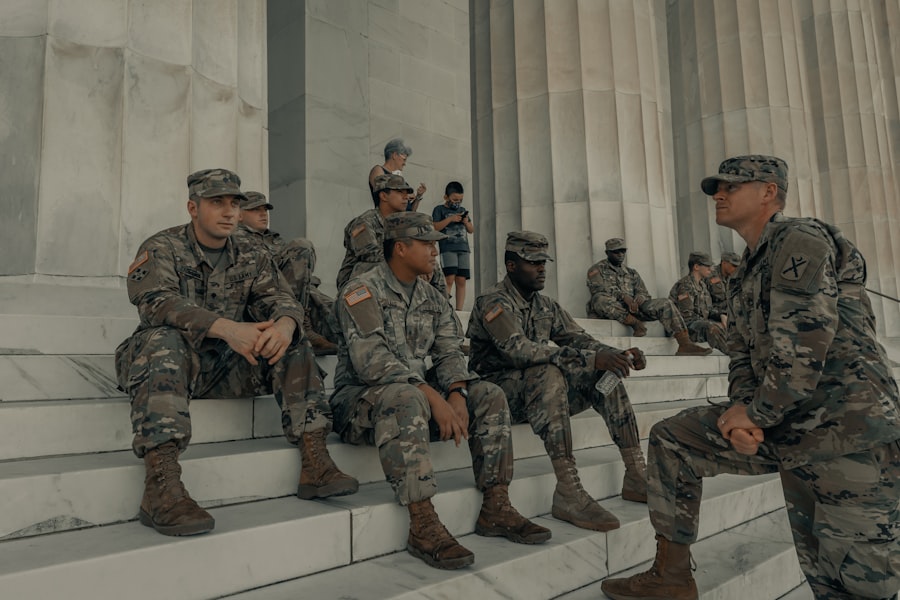
Despite the recognized need for robust oversight, governments face numerous challenges in effectively managing and holding PMCs accountable. These challenges stem from the nature of PMC operations, legal ambiguities, and practical difficulties in implementation.
The “Black Hole” of Accountability
One of the most significant challenges is the potential for a “black hole” of accountability, where it is difficult to determine who is responsible when something goes wrong. This can arise from complex chains of command, subcontracting, and the geographical dispersion of operations.
Attribution of Responsibility
Pinpointing responsibility for unlawful acts can be incredibly difficult, especially when multiple entities are involved. Distinguishing between the actions of individual contractors, the company itself, and the contracting government can be a complex legal and operational challenge.
Legal Jurisdiction and Immunities
Navigating the complexities of legal jurisdiction, particularly in international contexts, poses a significant hurdle. PMCs may operate in countries with weak legal systems or where their personnel claim some form of immunity, complicating enforcement actions.
Information Asymmetry and Secrecy
The inherently secretive nature of security operations can create an information asymmetry between the government and the PMC. Contractors may possess more detailed information about their operations, making independent monitoring and verification more difficult.
Limited Government Access to Operational Data
Governments may not have unfettered access to all the operational data and intelligence generated by PMCs, hindering their ability to conduct thorough assessments and investigations.
The Nature of Classified Information
The sensitive and often classified nature of the work performed by PMCs means that governments must balance the need for oversight with the imperative of protecting national security information.
Cultural and Operational Differences
Differences in organizational culture, training standards, and operational practices between national military forces and PMCs can create friction and complicate oversight efforts.
Divergent Training and Ethical Standards
The training and ethical indoctrination of PMC personnel may differ significantly from those of national armed forces, potentially leading to misunderstandings or divergent approaches to operational conduct.
Challenges in Integration with National Forces
When PMCs operate alongside national military units, integrating their operations and ensuring consistent command and control can be challenging, especially concerning rules of engagement and accountability protocols.
The increasing reliance on private military contractors has raised significant concerns regarding government oversight and accountability. A related article explores the complexities of this issue and highlights the need for more stringent regulations to ensure that these contractors operate within the bounds of the law. For a deeper understanding of the challenges and potential solutions, you can read more in this insightful piece found here.
Strategies for Enhancing Government Oversight
| Aspect | Metrics |
|---|---|
| Regulation | Number of regulations governing private military contractors |
| Oversight | Number of government agencies responsible for overseeing private military contractors |
| Transparency | Level of transparency in the contracts and operations of private military contractors |
| Accountability | Number of reported incidents and the corresponding accountability measures taken |
Addressing the challenges in PMC oversight requires proactive and adaptive strategies. Governments must continuously refine their approaches to ensure that accountability mechanisms are effective, comprehensive, and responsive to the evolving nature of PMC operations.
International Cooperation and Harmonization
Given the transnational nature of PMC operations, international cooperation and harmonization of legal and regulatory frameworks are essential. This fosters a more consistent approach to oversight and accountability across borders.
Development of International Norms and Standards
Efforts to develop international norms, guidelines, and best practices for the conduct and oversight of PMCs, such as those undertaken by the Montreux Document, are crucial for establishing common ground.
Information Sharing and Joint Investigations
Facilitating information sharing and conducting joint investigations between states where PMCs operate can enhance the ability to address transnational crimes and hold responsible parties accountable.
Strengthening Contractual Safeguards and Due Diligence
Governments must implement rigorous due diligence in selecting PMCs and ensure that contracts include robust safeguards and accountability clauses.
Pre-Contractual Vetting and Risk Assessment
Thorough pre-contractual vetting of potential PMC partners, including their past performance, financial stability, and ethical track record, is vital for minimizing risks.
Inclusion of Strong Accountability Clauses
Contracts should explicitly outline the accountability mechanisms, including clear reporting requirements, audit rights, and stipulated penalties for breaches of contract or misconduct.
Capacity Building within Government Agencies
Effective oversight requires dedicated resources, expertise, and robust institutional capacity within government agencies responsible for managing and monitoring PMCs.
Specialized Training for Oversight Personnel
Providing specialized training for government personnel involved in the oversight of PMCs is crucial. This training should cover legal frameworks, contractual management, and operational assessment techniques.
Interagency Coordination and Collaboration
Ensuring effective interagency coordination and collaboration among ministries of defense, foreign affairs, justice, and intelligence agencies is vital for a holistic approach to PMC oversight.
The ongoing reliance on private military contractors presents a complex dynamic in modern security. While they offer potential benefits, the imperative for robust government oversight remains paramount. By establishing clear legal and contractual frameworks, implementing stringent monitoring and investigation mechanisms, fostering international cooperation, and continuously adapting to evolving challenges, governments can strive to ensure that these private entities operate responsibly and accountably, safeguarding both national interests and international norms. The pursuit of accountability in the context of PMCs is not a static endeavor but an ongoing commitment to ensuring that the privatization of security functions does not come at the expense of justice, human rights, or democratic control over the use of force.

Blackwater Disappeared. America’s Private Army Didn’t.
FAQs
What are private military contractors?
Private military contractors are private companies that provide military and security services to governments, international organizations, and other clients. These services can include combat operations, training, logistics, and security.
How are private military contractors overseen by the government?
Private military contractors are overseen by the government through various means, including contracts, regulations, and oversight mechanisms. Governments may require contractors to adhere to specific rules of engagement, reporting requirements, and compliance with international law.
What are the benefits of using private military contractors for governments?
Private military contractors can provide governments with specialized skills and expertise, flexibility in operations, and cost savings compared to maintaining a standing military force. They can also supplement government forces in areas where capacity is limited.
What are the potential risks of using private military contractors for governments?
The use of private military contractors can raise concerns about accountability, transparency, and human rights abuses. There have been instances of misconduct and violations of international law by some contractors, leading to calls for increased oversight and regulation.
How do governments address the challenges of private military contractors?
Governments address the challenges of private military contractors through measures such as increased transparency, accountability, and regulation. This can include establishing clear guidelines for contractor conduct, monitoring their activities, and holding them accountable for any violations.