The crisp autumn air of Washington D.C. in October 1976 was thick with the tension of a nation still grappling with the lingering shadows of Vietnam and the Watergate scandal. Against this backdrop, President Gerald Ford found himself facing a sudden and brutal confrontation on the Korean Peninsula, a flashpoint that threatened to reignite Cold War hostilities and test the resolve of a weary America. The Korean Demilitarized Zone (DMZ), a stark symbol of the peninsula’s division, became the stage for an incident that would etch itself into the annals of presidential crisis management.
The Korean Peninsula, since the armistice of 1953, has been a perpetually volatile region. The DMZ, a heavily fortified buffer zone, is not a true demilitarized area but rather a heavily armed border patrolled by both North and South Korean forces, with the United Nations Command, primarily comprised of American troops, overseeing the southern sector. This precarious balance of power was constantly susceptible to friction.
A History of Provocations
North Korea, under the leadership of Kim Il-sung, had a history of testing the boundaries of the armistice agreement. Infiltration attempts, propaganda broadcasts, and skirmishes along the DMZ were not uncommon. These actions, often calculated and intended to gauge the reaction of the United Nations Command and the United States, served to keep Seoul and Washington on edge. The constant vigilance required by the UN Command was a significant drain on resources and a perpetual source of anxiety.
The Strategic Significance of the DMZ
The DMZ holds immense strategic importance. It represents the physical manifestation of the ideological divide between communism and democracy on the peninsula, a proxy battleground for the Cold War that had been simmering for decades. Any significant breach or escalation within the DMZ had the potential to ripple outwards, impacting regional stability and the broader global balance of power. The presence of significant military forces on both sides, coupled with the highly charged political environment, made any incident within its confines a matter of grave concern.
The United Nations Command’s Role
The United Nations Command, established to uphold the armistice and maintain peace on the Korean Peninsula, played a crucial role in de-escalating tensions and preventing further conflict. Its multinational force, though heavily reliant on American leadership and resources, was tasked with monitoring the DMZ, investigating violations, and responding to provocations. The effectiveness of the UN Command was directly tied to the commitment and responsiveness of its contributing nations, particularly the United States, which bore the primary responsibility for deterring North Korean aggression.
The Korean DMZ crisis during Gerald Ford’s presidency was a significant moment in Cold War history, highlighting the tensions between North and South Korea and the United States’ role in the region. For a deeper understanding of the geopolitical dynamics at play during this period, you can read a related article that explores the broader implications of U.S. foreign policy in Asia. Check it out here: In the War Room.
The Panmunjom Incident: A Violent Eruption
The crisis that would demand President Ford’s immediate attention occurred on August 18, 1976, in the Joint Security Area (JSA) of Panmunjom, a village situated within the DMZ where direct interactions between North and South Korean forces took place. This seemingly routine operation would devolve into a brutal and deadly confrontation.
The Task of Tree Trimming
The JSA, despite its name, was a place of constant surveillance and interaction. A particularly tall poplar tree, situated in a section of the JSA controlled by the UN Command, obstructed the view from an observation post, hindering the ability of UN personnel to monitor North Korean activities. A routine task was authorized: to trim the tree’s branches. This was not an unusual undertaking; such maintenance was regularly performed.
The Ambush: North Korean Aggression
As a team of American and South Korean soldiers, under the escort of UN Command officers, began their work, they were confronted by a group of North Korean soldiers and a UN Command liaison officer. The North Koreans, in an act of brazen defiance and aggression, demanded that the tree trimming cease. When their demands were ignored, a pre-planned ambush was sprung.
The Brutal Attack
In a sudden and savage assault, North Korean guards, armed with axes and other improvised weapons, descended upon the UN Command personnel. The attack was swift and brutal, characterized by sheer ferocity. Two American officers, Captain Arthur Bonifas and First Lieutenant Mark Barrett, were brutally murdered. Other soldiers were injured in the ensuing melee. The clear intent was to intimidate and to inflict casualties.
The Immediate Aftermath: Shock and Outrage
The news of the killings sent shockwaves through the UN Command and across the Pacific to Washington D.C. The brazenness of the attack, a direct violation of the armistice and a clear act of aggression against American servicemen, sparked outrage. The immediate priority was to secure the remaining personnel and to gather intelligence on the incident. The gravity of the situation was immediately apparent, demanding a measured but firm response.
Ford’s Strategic Imperative: Deterrence and Diplomacy
President Gerald Ford, a pragmatic and experienced leader, understood the delicate balance of power on the Korean Peninsula. His response to the Panmunjom incident was guided by a dual imperative: to deter further North Korean aggression and to avoid an unnecessary escalation that could plunge the region into full-scale war.
The Need for a Firm Signal
Ford recognized that a weak or hesitant response would be interpreted by Pyongyang as a sign of American vulnerability. Such an interpretation could embolden North Korea to further provocations, potentially leading to a more serious crisis. Therefore, a clear and unambiguous signal of American resolve was paramount. This signal needed to convey that the United States would not tolerate unprovoked attacks on its personnel.
Avoiding Unintended Escalation
Simultaneously, Ford was acutely aware of the devastating potential of a conflict on the Korean Peninsula. The presence of nuclear-armed North Korea, coupled with the massive conventional forces arrayed on both sides, made any military engagement a highly dangerous proposition. The experience of the Korean War, a bloody and protracted conflict, was a stark reminder of the human and geopolitical costs of such a war. Therefore, his strategy was to be firm without being reckless.
The Role of Consultation and Intelligence
Ford’s decision-making process was characterized by a reliance on expert advice and thorough intelligence gathering. He convened meetings with his National Security Council, including Secretary of State Henry Kissinger, Secretary of Defense James Schlesinger, and top military commanders. The advice he received emphasized the need for a strong deterrent posture while exploring diplomatic avenues to de-escalate the immediate crisis and to address the underlying issues.
The President’s Decisive Actions: A Multi-pronged Approach
President Ford’s response was swift, decisive, and multi-pronged, demonstrating a clear understanding of the need for both a show of force and a diplomatic outreach. This approach aimed to punish the perpetrators, reassure allies, and deter future aggression.
The “Shin Chon” Operation: A Show of Force
One of the most visible and impactful actions taken by the Ford administration was the authorization of “Operation Paul Bunyan,” a massive military exercise designed to demonstrate American resolve. This operation, codenamed “Shin Chon” by the Korean military, involved a significant deployment of American and South Korean forces.
Mobilization of Air and Naval Assets
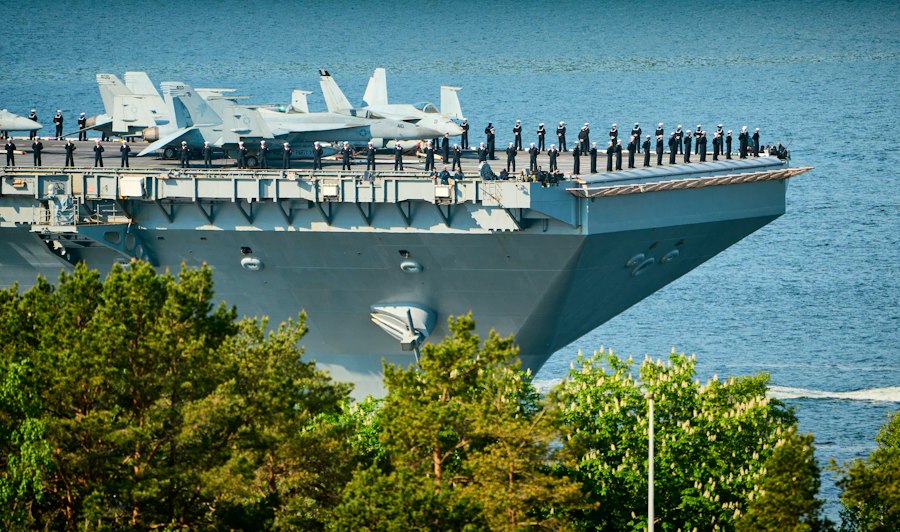
The operation saw the deployment of strategic bombers, including B-52s, to the region, accompanied by fighter escorts. Naval assets, including aircraft carriers, were also positioned to project power. This aerial and naval presence served as a potent symbol of American military capability and its willingness to use it. The visual spectacle of these assets in the skies and waters surrounding Korea was intended to send a clear message to Pyongyang.
The Controversial Tree Felling
The centerpiece of Operation Paul Bunyan was the controversial felling of the poplar tree that had been the original cause of the confrontation. This act, while symbolic, was a direct response to the North Korean provocation. The operation was conducted under heavy escort, with American helicopters providing air cover and ground troops forming a protective perimeter. The felling was completed without further incident, but the sheer scale of the military presence underscored the seriousness with which the U.S. and its allies viewed the attack.
Reinforcement of DMZ Defenses
In addition to the aerial and naval deployments, ground troop reinforcements were moved to strategic positions along the DMZ. Patrols were increased, and surveillance capabilities were enhanced. This bolstering of defenses aimed to reassure South Korea and to create a more formidable deterrent against any further incursions. The visible increase in military presence on the ground was designed to send a palpable message of vigilance.
Diplomatic Channels: Engaging with Beijing and Moscow
While demonstrating military strength, President Ford also pursued diplomatic channels to prevent the crisis from spiraling out of control. Recognizing the influence of the Soviet Union and the People’s Republic of China on North Korea, the administration engaged with both communist giants.
The Moscow Connection: A Subtle Pressure
Secretary of State Henry Kissinger communicated with Soviet officials, urging them to use their influence to restrain North Korea. While the direct impact of these communications is difficult to quantify, the Soviet Union, at that time, had its own strategic interests in maintaining regional stability and avoiding direct confrontation with the United States. The diplomatic overtures to Moscow aimed to leverage this shared interest.
The Beijing Dialogue: A Crucial Outreach
Crucially, the United States also engaged with the People’s Republic of China. China, as North Korea’s closest ally, held significant sway. The Ford administration sent a diplomatic message to Beijing, explaining the American position and seeking China’s assistance in de-escalating the situation. The Chinese response, while not immediately forthcoming with overt condemnation of North Korea, is believed to have conveyed a message of restraint to Pyongyang. This dialogue was vital in preventing a miscalculation by North Korea.
Public Statements and International Diplomacy
President Ford himself made several public statements addressing the incident. He unequivocally condemned the unprovoked attack and vowed to protect American servicemen. These statements, delivered with a firm tone, were carefully calibrated to express resolve without appearing aggressive. The administration also worked to rally international support through diplomatic channels, emphasizing the need for adherence to the armistice agreement.
The Korean DMZ crisis during Gerald Ford’s presidency was a significant moment in Cold War history, highlighting the tensions between North and South Korea. For a deeper understanding of the geopolitical implications and the events that unfolded during this period, you can read a related article that provides valuable insights into the strategies employed by the Ford administration. This article can be found here.
The Aftermath and Legacy: A Tense Peace Maintained
| Metric | Details |
|---|---|
| Event | Korean DMZ Crisis |
| Time Period | August 1976 |
| U.S. President | Gerald Ford |
| Location | Demilitarized Zone (DMZ), Korean Peninsula |
| Incident | Axe murder of two U.S. Army officers by North Korean soldiers |
| U.S. Military Response | Operation Paul Bunyan – Show of force to cut down the tree |
| Number of U.S. Troops Involved | Approximately 800 troops |
| North Korean Troops Present | Approximately 150 troops |
| Outcome | Tree was cut down without further violence; tensions temporarily eased |
| Casualties | 2 U.S. officers killed; no further casualties during Operation Paul Bunyan |
The Panmunjom incident and President Ford’s response had a significant impact on the dynamics of the Korean Peninsula and on the broader geopolitical landscape of the Cold War. While the immediate crisis was averted, the underlying tensions remained.
A Temporary De-escalation
Following Operation Paul Bunyan and the diplomatic initiatives, there was a discernible period of reduced tension along the DMZ. North Korea, having tested the American resolve and experienced a significant demonstration of force, appeared to exercise greater restraint. The immediate threat of renewed hostilities subsided, allowing for a return to a more stable, albeit still tense, peace.
The Enduring Symbol of Panmunjom
The Panmunjom incident forever etched itself into the collective memory of the Korean War and the Cold War. The JSA, the site of the brutal killings, continued to be a symbol of the divided peninsula and the ever-present risk of conflict. The poplar tree, once felled, became a somber reminder of the human cost of this geopolitical standoff.
Ford’s Crisis Management Legacy
President Ford’s handling of the Korean DMZ crisis is often cited as an example of effective crisis management. He demonstrated a nuanced approach, balancing a show of strength with diplomatic engagement. His ability to make swift, decisive, and well-considered decisions under immense pressure underscored his leadership qualities. He avoided escalating into a larger conflict while clearly signaling that American lives and alliances would be defended.
The Unresolved Korean Question
Despite the successful de-escalation of the Panmunjom crisis, the fundamental issue of Korean reunification and the continued division of the peninsula remained unresolved. The incident served as a stark reminder of the persistent dangers posed by North Korea’s regime and the enduring need for a robust defense posture in the region. The path towards lasting peace on the Korean Peninsula would continue to be fraught with challenges, with the specter of incidents like Panmunjom serving as a constant reminder of the stakes involved. The legacy of Ford’s response, therefore, is one of successfully navigating a critical moment, but within the context of an ongoing and complex geopolitical struggle.

America Sent an Aircraft Carrier to Cut Down One Tree
FAQs
What was the Korean DMZ crisis during Gerald Ford’s presidency?
The Korean DMZ crisis during Gerald Ford’s presidency refers to the incident in August 1976 when North Korean soldiers attacked a group of American soldiers who were trimming a tree in the Korean Demilitarized Zone (DMZ), resulting in the deaths of two American soldiers.
How did Gerald Ford respond to the Korean DMZ crisis?
Gerald Ford responded to the Korean DMZ crisis by ordering a show of force, known as Operation Paul Bunyan, which involved sending a large number of troops, including armed helicopters and fighter jets, to the DMZ to cut down the tree that had sparked the initial confrontation.
What was the outcome of the Korean DMZ crisis?
The outcome of the Korean DMZ crisis was that the tree was successfully cut down by American and South Korean forces without any further casualties. The crisis highlighted the ongoing tensions between North and South Korea, as well as the importance of maintaining a strong military presence in the region.
Did the Korean DMZ crisis escalate into a larger conflict?
No, the Korean DMZ crisis did not escalate into a larger conflict. While tensions were high during the incident, both sides ultimately chose to de-escalate the situation rather than risk a full-scale war.
How did the Korean DMZ crisis impact US-North Korea relations?
The Korean DMZ crisis had a mixed impact on US-North Korea relations. While the immediate crisis was resolved without further violence, it underscored the ongoing hostilities between the two countries and the need for continued diplomatic efforts to prevent future conflicts.