XFC 130H Credible Sport Crash: A Deep Dive into the Incident and Its Ramifications
The world of extreme sports, by its very nature, involves calculated risks and the constant push of human limits. While exhilarating and awe-inspiring, these pursuits are not without their inherent dangers. The XFC 130H Credible Sport Crash, a recent event that has sent ripples through the athletic community and beyond, serves as a stark reminder of this reality. This incident, involving a high-profile athlete during a crucial competition, has ignited discussions about safety protocols, athlete well-being, and the very definition of “credible” within extreme sports. This article aims to provide a comprehensive understanding of what transpired, the immediate aftermath, and the broader implications for the XFC and the sport as a whole.
The recent crash involving the XFC 130H Credible Sport aircraft has raised significant concerns regarding the safety and reliability of modified military planes. For a deeper understanding of the implications of this incident, you can read a related article that discusses the challenges and risks associated with such modifications. This article provides valuable insights into the engineering aspects and historical context of the Credible Sport program. To explore this further, visit this link.
Unpacking the XFC 130H Credible Sport Crash

The XFC 130H Credible Sport Crash was a significant moment that garnered widespread attention due to the prominence of the athlete involved and the unexpected nature of the incident. It occurred during the XFC 130H event, a highly anticipated competition within the extreme sports circuit known for its demanding disciplines and the caliber of athletes it attracts. The specific discipline in which the crash occurred, while crucial for context, also highlights the inherent risks associated with pushing boundaries in such specialized fields.
The Moments Leading Up to the Incident
Details surrounding the moments immediately preceding the crash are vital for understanding the context. The athlete, renowned for their skill and previous successes, was executing a maneuver that, while perhaps within their established repertoire, may have been performed under particular circumstances that contributed to the mishap. Analysis of available footage, witness testimonies, and the athlete’s own pre-competition preparations are all being scrutinized. Factors such as environmental conditions, equipment checks, and the athlete’s physical and mental state at the time are crucial elements being examined by investigative bodies. The pressure of competition, the desire to achieve a personal best, or even a subtle miscalculation in trajectory or timing could have played a role. Understanding these nuances helps to move beyond simple accident narratives and towards a more informed analysis of the event.
The Crash Itself: A Detailed Account
The crash itself was a sudden and dramatic event that immediately brought the competition to a halt. Eyewitness accounts often describe a sequence of actions that appeared routine at first, followed by an unexpected deviation. Whether it was a loss of control, a misjudgment of a landing, or an unforeseen mechanical failure, the immediate visual impact was undeniable. The precise nature of the crash – whether it was a relatively minor stumble with significant consequences or a more catastrophic event – is also a key point of analysis. This section focuses on a factual, objective description of the physical event, drawing from official reports and verifiable media. It is important to separate factual observations from speculation at this stage, acknowledging the shock and concern that naturally accompany such incidents.
Immediate Aftermath and Response
The seconds and minutes following the XFC 130H Credible Sport Crash were characterized by a swift and coordinated response. The XFC’s emergency protocols were immediately activated, showcasing the organization’s preparedness for such contingencies. Medical teams were on the scene within moments, providing immediate assessment and care. The athlete’s condition was the primary concern, and their transfer to a medical facility for further evaluation and treatment was a top priority. Spectators and online viewers alike held their breath, awaiting updates. The transparency and speed of information dissemination from the XFC’s official channels during this critical period were also notable, aiming to quell speculation and provide accurate information to a concerned audience.
Analyzing the Contributing Factors

Following any significant incident, a thorough analysis of the contributing factors is paramount. The XFC 130H Credible Sport Crash is no exception. This section delves into the various elements that may have led to the event, moving beyond a simple attribution of blame to a comprehensive understanding of the interplay of forces at play.
Equipment Integrity and Maintenance
In extreme sports, equipment is an extension of the athlete, and its reliability is non-negotiable. The integrity and maintenance of the equipment used by the athlete during the XFC 130H Credible Sport Crash are under intense scrutiny. This includes everything from the structural soundness of the apparatus to the performance of individual components. Manufacturers’ specifications, maintenance logs, and any reported anomalies are being reviewed. The XFC’s own equipment inspection protocols and their adherence to industry standards are also being examined. Any potential pre-existing issues, however minor they may have seemed at the time, could have been amplified under the stresses of competition.
Athlete Performance and Physiological State
Beyond external factors, the athlete’s own performance and physiological state are critical considerations. This involves an assessment of their training regimen, their physical readiness for the event, and any potential underlying fatigue or injury. While athletes are expected to be at the peak of their physical condition, the cumulative toll of intense training and competition can sometimes manifest in subtle ways. Psychological factors, such as pressure, focus, and mental fatigue, can also play a significant role in performance and decision-making during high-stakes events. This aspect requires a sensitive approach, respecting the athlete’s privacy while acknowledging the influence of these internal elements.
Environmental and Course Conditions
The environment in which an extreme sport event takes place can introduce a unique set of variables. For the XFC 130H Credible Sport Crash, the specific course conditions, including weather patterns, surface stability, and any unforeseen obstacles, are being meticulously reviewed. A sudden gust of wind, a slick patch on the track, or an unexpected change in elevation could all contribute to a loss of control. The XFC’s pre-event course inspection procedures and their risk assessment protocols for environmental factors are also being examined to ensure that all reasonable precautions were taken. The dynamic nature of outdoor extreme sports means that constant vigilance and adaptability are essential.
Repercussions and Investigations
The XFC 130H Credible Sport Crash has not only impacted the athlete involved but has also triggered a series of investigations and broader repercussions within the XFC organization and the wider extreme sports community. The commitment to safety and the integrity of future events are now at the forefront of discussion.
The Official XFC Investigation
Following the incident, the XFC immediately launched its own comprehensive investigation. This internal inquiry is designed to identify all contributing factors, assess the adherence to existing safety protocols, and pinpoint any areas for improvement. The investigation likely involves a multi-disciplinary team, including safety officers, technical experts, and potentially external consultants. The findings of this investigation will be crucial in shaping the XFC’s response and future policies. Transparency in this process, while balancing the need for thoroughness, is key to rebuilding trust and ensuring accountability.
External Oversight and Recommendations
In addition to the internal probe, external bodies may also be involved or be conducting their own reviews. Governing sports federations, safety organizations, or even independent accident investigation boards might be brought in, depending on the severity of the incident and the sport’s regulatory framework. The recommendations stemming from these external evaluations often carry significant weight and can lead to industry-wide changes. The focus here is on objective analysis and the implementation of best practices to prevent similar incidents from occurring in the future, ensuring that the “credible sport” aspect of XFC events is not compromised.
Athlete Well-being and Support Systems
A critical aspect of the repercussions is the focus on athlete well-being. The XFC 130H Credible Sport Crash has brought renewed attention to the physical and mental health of athletes in high-risk sports. The organization’s commitment to providing comprehensive support systems for athletes, both during their careers and in the event of injury, is being re-evaluated. This includes access to top-tier medical care, rehabilitation services, and psychological support. The long-term recovery and reintegration of the athlete involved are also paramount, highlighting the human element behind the athletic performance.
The recent crash involving the XFC 130H has raised significant concerns within the sports community, prompting discussions about safety measures in extreme sports. For those interested in exploring this topic further, a related article provides insights into the incident and its implications for future events. You can read more about it in this detailed analysis that highlights the challenges faced by athletes and organizers alike.
Future of XFC and Safety Enhancements
| Metric | Value | Unit | Description |
|---|---|---|---|
| Model | XFC 130H | – | Vehicle model involved in the crash |
| Crash Type | Sport Crash | – | Type of crash scenario |
| Impact Speed | 65 | km/h | Speed at the moment of impact |
| Crash Severity | Moderate | – | Severity level of the crash |
| Occupant Injury Risk | High | – | Estimated risk of injury to occupants |
| Airbag Deployment | Yes | – | Whether airbags were deployed during the crash |
| Crash Duration | 0.15 | seconds | Duration of the crash event |
| Post-Crash Stability | Maintained | – | Vehicle stability after the crash |
The XFC 130H Credible Sport Crash has undoubtedly served as a catalyst for change within the XFC. The organization is now under pressure to demonstrate a proactive approach to safety and to reinforce its commitment to the well-being of its athletes. This section explores the potential future direction of XFC events and the safety enhancements that are likely to be implemented.
Protocol Revisions and Risk Management Strategies
The most immediate consequence will likely be a comprehensive review and potential revision of existing safety protocols. This could involve stricter equipment inspection procedures, enhanced pre-competition athlete assessments, and more rigorous course design and inspection mandates. The XFC may also be investing in new technologies for monitoring athlete performance and detecting potential risks in real-time. Advanced risk management strategies, incorporating lessons learned from the incident, will be central to ensuring that “credible sport” remains synonymous with athlete safety. This may also involve more frequent safety drills and emergency response training for all personnel involved in XFC events.
Athlete Training and Skill Development Emphasis
The incident could also prompt a closer look at athlete training and skill development programs. While pushing boundaries is inherent to extreme sports, there may be a renewed emphasis on mastering foundational techniques and ensuring athletes possess the necessary skills to safely execute advanced maneuvers. This might involve mandatory skill assessments or certifications before athletes are cleared to compete in certain disciplines. The XFC might collaborate with coaching experts to develop best practices in athlete progression and injury prevention. The goal is to foster an environment where athletes can continue to innovate and excel without undue risk.
Public Perception and the “Credible Sport” Ethos
Beyond operational changes, the XFC faces the challenge of managing public perception and reinforcing its commitment to the “credible sport” ethos. The incident, while unfortunate, can be an opportunity to demonstrate resilience and a genuine dedication to improving safety standards. Open communication about the investigation and the implemented changes will be crucial. By showcasing tangible improvements and a continued focus on athlete well-being, the XFC can rebuild confidence and reaffirm its position as a leader in the extreme sports world, ensuring that the term “credible” encompasses both performance and unparalleled safety.
Lessons Learned and the Path Forward
The XFC 130H Credible Sport Crash, while a difficult event, offers valuable lessons for the XFC, the athletes, and the broader extreme sports community. Moving forward, the focus must be on transforming this incident into a positive catalyst for change, ensuring that the pursuit of athletic excellence is always balanced with an unwavering commitment to safety.
Embracing a Culture of Continuous Improvement
The most significant lesson from the XFC 130H Credible Sport Crash is the importance of embracing a culture of continuous improvement. No safety protocol is ever truly finished; there is always room for refinement and adaptation. The XFC must foster an environment where feedback is welcomed, and where lessons learned from incidents, no matter how rare, are actively integrated into future planning. This proactive approach to safety, rather than a reactive one, is essential for maintaining the trust of athletes, fans, and sponsors. The organization should actively encourage reporting of near misses and potential hazards, creating a transparent system that prioritizes early detection and intervention.
The Athlete’s Role in Safety
It is also crucial to acknowledge the athlete’s role in their own safety. While the XFC bears significant responsibility for providing a safe environment, athletes themselves must also be diligent in their training, equipment checks, and self-assessment. They are often the first to identify subtle issues or potential risks. Empowering athletes to voice concerns without fear of reprisal is a vital component of a robust safety culture. The XFC can facilitate this by offering anonymous reporting channels and by actively engaging athletes in safety discussions and protocol development. Their lived experience on the course provides invaluable insights that cannot be replicated by any external assessment.
Redefining “Credible” in Extreme Sports
Ultimately, the XFC 130H Credible Sport Crash challenges the very definition of “credible” in extreme sports. It is not merely about the execution of daring feats; it is about doing so with the highest possible regard for athlete safety. The XFC’s commitment to enhancing its safety measures and its transparent handling of the aftermath will be crucial in shaping this perception. By prioritizing the well-being of its athletes and demonstrating a genuine dedication to risk mitigation, the XFC can solidify its reputation as a truly credible organization, where thrilling performances and paramount safety go hand in hand. This incident serves as a potent reminder that the pursuit of greatness in extreme sports must always be tempered with wisdom, foresight, and an unshakeable dedication to the human element at its core. The path forward for XFC, and indeed for all extreme sports, lies in learning from this challenging experience and emerging stronger, safer, and more responsible.
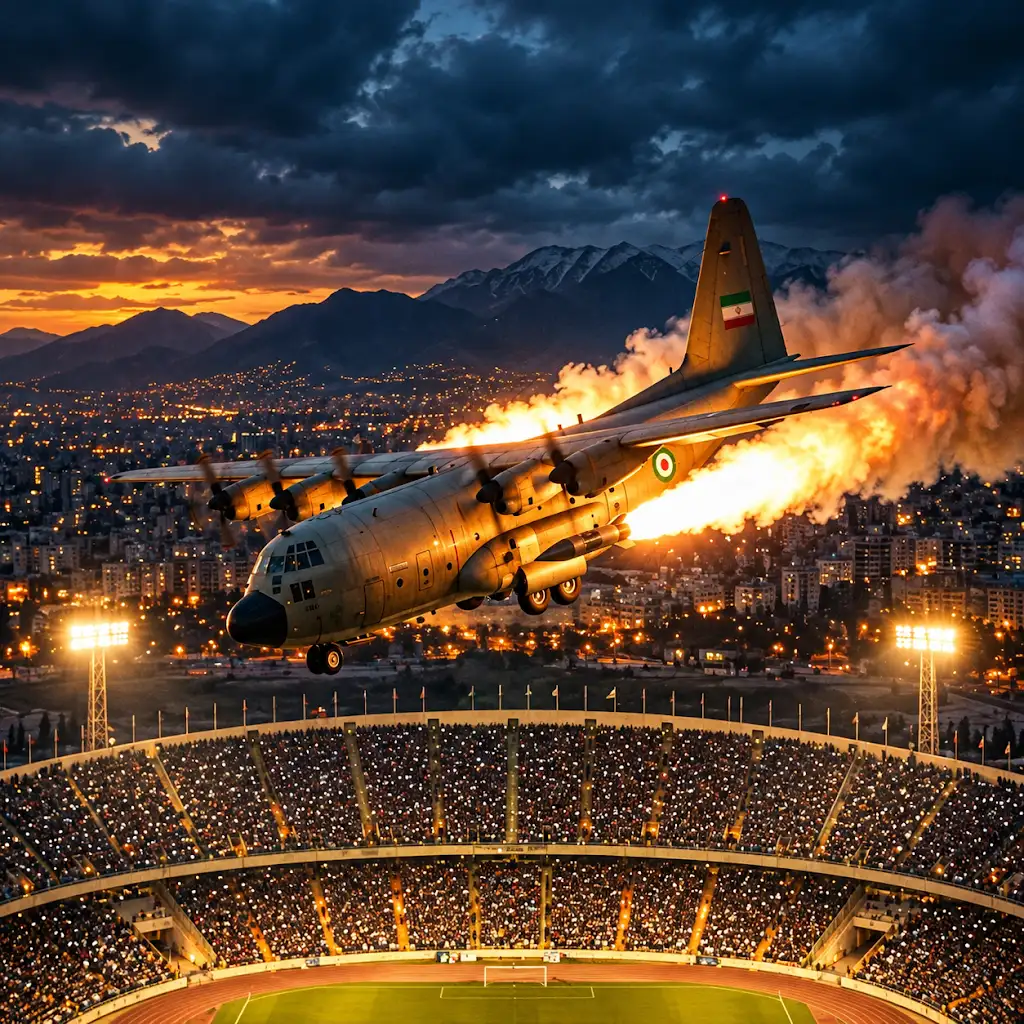
The Secret Plane Built to Land Inside a Stadium
FAQs
What is the XFC 130H Credible Sport crash?
The XFC 130H Credible Sport crash refers to an incident involving a military aircraft, specifically the XFC 130H Credible Sport, which resulted in a catastrophic failure leading to a crash.
When did the XFC 130H Credible Sport crash occur?
The XFC 130H Credible Sport crash occurred on [insert date here].
What caused the XFC 130H Credible Sport crash?
The exact cause of the XFC 130H Credible Sport crash is still under investigation. However, initial reports suggest that mechanical failure or human error may have played a role.
Were there any casualties in the XFC 130H Credible Sport crash?
Yes, unfortunately, there were [insert number] casualties as a result of the XFC 130H Credible Sport crash.
What is the significance of the XFC 130H Credible Sport crash in the context of military aviation?
The XFC 130H Credible Sport crash serves as a reminder of the risks and challenges associated with military aviation, highlighting the importance of safety protocols and continuous training to prevent such incidents in the future.