Military operations, especially those involving high-stakes rescues, present a formidable challenge to logistical support. The ability to project power and personnel into denied or challenging environments, provide sustainment, and extract individuals or valuable assets under duress, hinges entirely on the precision and resilience of its logistical network. This is not merely about delivering supplies; it is about orchestrating a complex choreography of resources, timing, and personnel movement that can mean the difference between success and catastrophic failure. The inherent uncertainties of rescue missions – dynamic threat environments, unpredictable weather, and the critical time sensitivity – amplify the demands placed upon military logistics.
Military logistics for high stakes rescue operations demands a profound understanding of the operational environment, the specific needs of the rescue force, and the potential challenges to the supply chain. Success is not an outcome of chance but a direct consequence of meticulous planning, robust infrastructure, adaptable systems, and highly trained personnel. The consequences of logistical failure in such scenarios are often dire, leading to mission failure, loss of life, and potentially escalating geopolitical ramifications. Therefore, the strategic importance of military logistics in these operations cannot be overstated.
In the realm of military logistics, the intricacies involved in executing a high-stakes rescue mission cannot be overstated. A recent article delves into the strategic planning and resource allocation necessary for such operations, highlighting the importance of timely intelligence and coordination among various units. For a deeper understanding of these critical elements, you can read more in the article available at this link.
Strategic Pre-Positioning and Infrastructure Development
The foundation of successful high-stakes rescue operations lies in foresight and proactive preparation. This involves a detailed analysis of potential operational areas, threat assessments, and the identification of critical chokepoints or vulnerabilities in potential enemy or hostile territory. Strategically pre-positioning assets, personnel, and supplies in or near the operational theater is paramount to reducing reaction times and ensuring immediate availability. This proactive approach significantly mitigates the time constraints that often define rescue missions.
Intelligence-Driven Placement of Assets
- Threat Analysis and Identification of Deployment Zones: Intelligence gathering plays a crucial role in determining the most advantageous locations for pre-positioning. This includes understanding enemy capabilities, operating patterns, and areas of likely conflict or humanitarian crisis. Identifying areas where rescue operations are statistically more probable allows for the focused deployment of resources.
- Forward Operating Bases (FOBs) and Staging Areas: The establishment and maintenance of FOBs and staging areas within or adjacent to potential operational zones are essential. These locations act as hubs for receiving, storing, and distributing equipment, personnel, and medical supplies. Their viability depends on secure access, adequate infrastructure (even if temporary), and the ability to withstand potential hostile actions.
- Maritime and Aerial Staging Points: For operations requiring rapid deployment over vast distances or across water bodies, strategically located maritime and aerial staging points are critical. Aircraft carriers, amphibious assault ships, and forward deployed airfields provide platforms for launching rescue assets and personnel, minimizing transit times to the objective.
Infrastructure Vulnerability and Resilience
- Assessment of Existing Infrastructure: Any pre-existing infrastructure, whether civilian or military, within the potential operational area must be meticulously assessed for its capacity, condition, and vulnerability to attack. This includes runways, ports, road networks, and communication centers.
- Redundancy and Alternative Routes: Logistical plans must incorporate contingency measures, including alternative routes for ground and air transportation, secondary storage facilities, and redundant communication systems, to counter disruptions caused by enemy action or natural disasters. The concept of “build to fail” is not applicable here; resilience is the key.
- Rapid Infrastructure Reconstruction Capabilities: In regions with degraded or destroyed infrastructure, military engineers possess the capability to rapidly construct or repair essential facilities, such as temporary airstrips, bridges, and communication links. This ability is vital for enabling sustained operations.
The success of pre-positioning hinges on a deep understanding of the operational environment and a commitment to investing in the necessary infrastructure development, even in the absence of immediate perceived threats. This forward-thinking approach builds the essential foundation for rapid and effective response.
Specialized Transportation and Sustainment
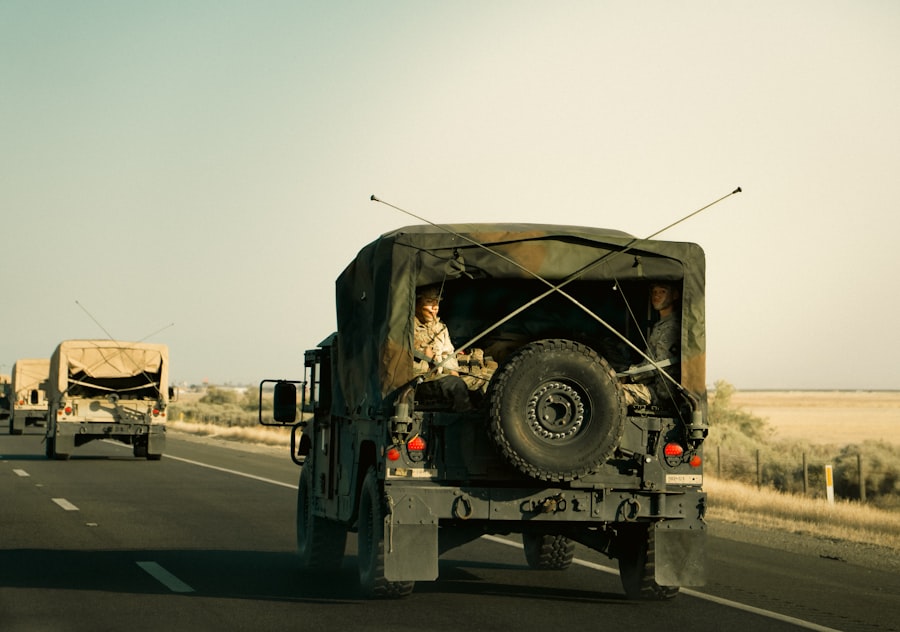
High-stakes rescue operations often necessitate the movement of specialized personnel, equipment, and resources under extremely challenging conditions. The transportation assets employed must be adaptable, resilient, and capable of operating in austere environments, often under enemy observation or fire. Sustainment encompasses the continuous provision of essential resources to the rescue force, ensuring their operational effectiveness throughout the mission.
Airworthiness and Infiltration Capabilities
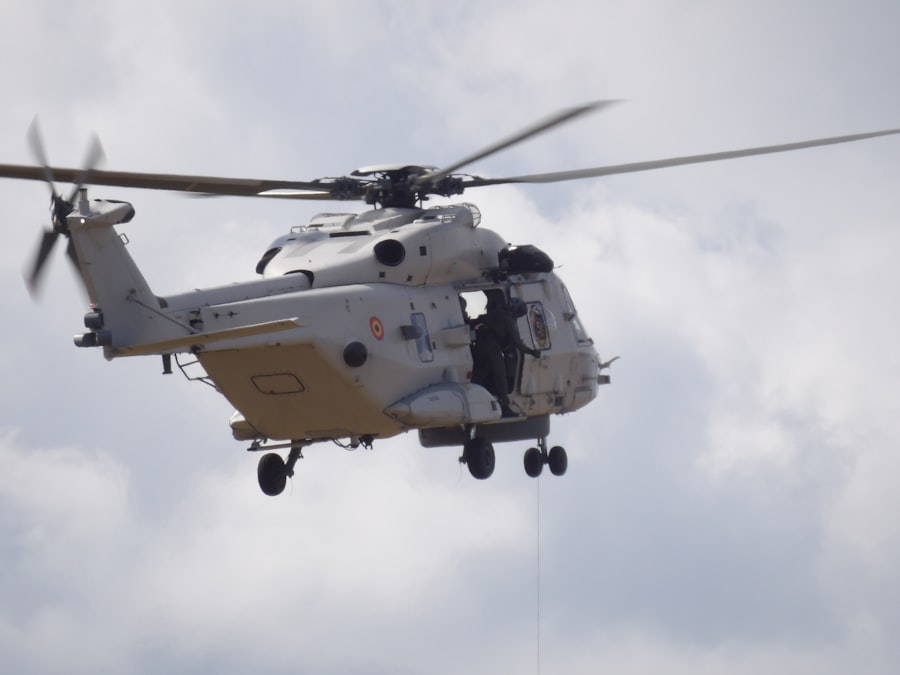
- Heavy-Lift Aircraft and Special Operations Aviation: The deployment of personnel and equipment often relies on heavy-lift aircraft capable of transporting troops, vehicles, and supplies into remote or contested areas. Special operations aviation assets, such as tiltrotor aircraft and specialized helicopters, offer unique capabilities for low-level infiltration, insertion of small teams, and extraction of personnel from confined or hostile locations.
- Rotary-Wing and Fixed-Wing Insertion/Extraction: The ability to rapidly insert and extract rescue teams via rotary-wing aircraft is a cornerstone of many high-stakes rescue scenarios. Fixed-wing aircraft, particularly those with STOL (Short Take-Off and Landing) capabilities, can be vital for resupplying and rotating personnel in areas with limited runway infrastructure.
- Unmanned Aerial Vehicles (UAVs) for Reconnaissance and Delivery: UAVs are increasingly vital for providing real-time reconnaissance of the operational area, identifying safe insertion/extraction zones, and even delivering small, critical payloads to isolated teams, thereby reducing the risk to manned aircraft.
Maritime and Amphibious Operations
- Amphibious Assault Ships and Landing Craft: For coastal or island rescues, amphibious assault ships and a variety of landing craft are essential for delivering troops, vehicles, and supplies directly to shore from the sea. Their ability to operate independently of established port facilities makes them invaluable in many scenarios.
- Naval Support and Patrol Vessels: Patrol vessels and other naval assets provide security for amphibious operations, conduct reconnaissance, and can serve as platforms for specialized rescue craft or medical evacuation.
- Submersible Delivery Systems: In certain highly specialized scenarios, submersible delivery systems might be employed to covertly insert or extract personnel and equipment from beneath the water’s surface, bypassing conventional overland or air routes.
Medical Evacuation (MEDEVAC) and Casualty Care
- Dedicated MEDEVAC Platforms: The availability of dedicated MEDEVAC aircraft and vessels, equipped with advanced medical personnel and equipment, is non-negotiable. These platforms are designed for rapid patient transport and en route medical intervention.
- Forward Surgical Teams and Mobile Medical Facilities: Establishing forward surgical teams or mobile medical facilities near the operational area allows for immediate lifesaving interventions that might be impossible during transit to more distant medical support. This reduces the “golden hour” for critically injured individuals.
- Contaminated Environment Protocols: Rescue operations in environments potentially contaminated by chemical, biological, radiological, or nuclear (CBRN) threats require specialized transport and medical facilities that can provide appropriate containment and treatment.
The effectiveness of military logistics in high-stakes rescue missions is directly proportional to the sophistication and adaptability of its transportation and sustainment capabilities. The ability to reach, support, and extract individuals from the most challenging environments is a testament to the innovation and rigorous training inherent in modern military logistics.
Information Management and Communication Networks
The flow of accurate, timely, and actionable information is the lifeblood of any successful military operation, and this is never more critical than in high-stakes rescue scenarios. Robust, secure, and resilient communication networks are essential for coordinating the diverse elements of a rescue force, relaying situational updates, and ensuring effective command and control. The degradation or denial of these networks can cripple a rescue effort.
Secure and Redundant Communication Channels
- Satellite Communications (SATCOM): SATCOM provides a vital backbone for global communication, enabling command and control centers to maintain contact with deployed assets and personnel, even in remote or denied areas. Redundant SATCOM terminals and diverse satellite constellations are crucial to mitigate single points of failure.
- Line-of-Sight (LOS) and Beyond-Line-of-Sight (BLOS) Radio Systems: LOS radios are essential for intra-unit communication and local coordination, while BLOS systems extend communication range, allowing for contact with elements beyond the direct radio horizon. These systems often employ advanced encryption to ensure message security.
- Tactical Data Networks (TDNs): TDNs link various command elements and force packages, enabling the rapid dissemination of intelligence, operational orders, and situational reports. These networks are often highly mobile and designed for rapid deployment and redeployment.
Situational Awareness and Intelligence Sharing
- Common Operational Picture (COP): The development and maintenance of a COP, which provides a unified and up-to-date visualization of the operational environment, is critical. This includes the location of friendly forces, known enemy positions, critical infrastructure, and potential hazards.
- Real-Time Data Feeds and Sensor Integration: Integrating real-time data feeds from various sensors – including reconnaissance aircraft, ground sensors, and human intelligence – enriches the COP and provides commanders with a dynamic understanding of the evolving situation on the ground.
- Secure Information Sharing Platforms: Dedicated, secure platforms are necessary for sharing sensitive intelligence, operational plans, and medical information between relevant units and command elements, ensuring that all authorized personnel have access to the information they need.
Interoperability and Joint Operations
- Cross-Servicing Communication Systems: In joint operations involving multiple military branches or multinational partners, ensuring interoperability of communication systems is paramount. This often requires specialized translation equipment and established protocols for information exchange.
- Unified Command and Control Architectures: The establishment of unified command and control architectures facilitates seamless communication and coordination between disparate units, even when they operate under different command structures.
- Cybersecurity and Network Protection: The constant threat of cyberattack necessitates robust cybersecurity measures to protect communication networks from disruption, data exfiltration, or manipulation, thereby safeguarding mission integrity.
The effectiveness of information management and communication networks in high-stakes rescue operations is intrinsically linked to the ability of the force to maintain situational awareness, coordinate actions, and adapt to rapidly changing circumstances. The investment in secure, resilient, and interoperable communication systems is a critical enabler of success.
In the realm of high-stakes rescue missions, understanding the intricacies of military logistics is crucial for success. A recent article explores the challenges faced by military planners when coordinating complex operations, highlighting the importance of efficient supply chains and real-time communication. For those interested in delving deeper into this topic, the article can be found at In the War Room, which offers valuable insights into how logistics can make or break a mission.
Personnel Training and Skill Development
| Metrics | Data |
|---|---|
| Number of personnel involved | 200 |
| Number of aircraft used | 5 |
| Amount of supplies transported | 10 tons |
| Distance covered | 500 miles |
| Duration of mission | 48 hours |
The most sophisticated logistical infrastructure and advanced technology are rendered ineffective without adequately trained and skilled personnel to operate and manage them. High-stakes rescue operations demand a specialized skillset, encompassing not only technical proficiency but also the ability to perform under extreme duress and in unfamiliar, often hostile, environments.
Special Operations Forces (SOF) Integration
- Role-Specific SOF Training: Special Operations Forces often form the core of high-stakes rescue missions. Their training is tailored to specific roles, including reconnaissance, direct action, unconventional warfare, and personnel recovery. This training emphasizes adaptability, self-sufficiency, and the ability to operate independently in denied areas.
- Interoperability and Joint Training Exercises: Regular joint training exercises with conventional forces, civilian agencies, and international partners are crucial for ensuring seamless integration and understanding of capabilities during joint rescue operations.
- Cultural Awareness and Language Training: Operating in diverse geographical and cultural contexts necessitates personnel with a degree of cultural awareness and, where applicable, language proficiency to facilitate interactions with local populations and avoid misunderstandings.
Logistical Support Personnel Expertise
- Specialized Equipment Operators: Personnel responsible for operating heavy-lift aircraft, specialized vehicles, and complex communication systems require extensive and ongoing training to maintain their proficiency and ensure safe operations.
- Medical Personnel in Austere Environments: Medical professionals assigned to rescue operations must be trained in battlefield medicine, trauma care, and the management of casualties in austere and potentially contaminated environments, often with limited resources.
- Decontamination and CBRN Response Teams: Units tasked with operating in or responding to CBRN incidents require highly specialized training in detection, decontamination, and the management of affected personnel and environments.
Stress Management and Psychological Resilience
- Combat Stress Management Programs: Exposure to high-stress situations, including the potential loss of life and engagement with hostile forces, can have significant psychological impacts. Comprehensive combat stress management programs and access to mental health support are vital for maintaining the well-being and operational effectiveness of rescue personnel.
- Decision-Making Under Pressure: Rescue operations frequently demand rapid, critical decisions under intense pressure. Training scenarios designed to simulate these conditions help personnel develop the cognitive skills necessary to make sound judgments when time and resources are limited.
- Adaptability and Problem-Solving: The unpredictable nature of high-stakes rescues requires personnel who can think critically, adapt to unforeseen circumstances, and devise innovative solutions to emergent problems. This is cultivated through realistic training and experience.
The human element in military logistics for high-stakes rescue is as critical as any piece of equipment. Investing in the continuous training and professional development of personnel, from the front-line operators to the support staff, ensures the robust execution of missions even under the most challenging circumstances.
Contingency Planning and Forceability
The essence of effective military logistics for high-stakes rescue lies in its capacity for foresight, adaptability, and the ability to project force rapidly and sustain it throughout the operation. This requires meticulous contingency planning that anticipates a broad spectrum of potential scenarios, coupled with the inherent flexibility to adjust plans and resource allocation as the situation evolves.
Scenario-Based Planning and Wargaming
- Identification of High-Probability Scenarios: Logistical planners must meticulously identify and analyze the most likely high-stakes rescue scenarios based on geopolitical assessments, historical data, and current threat intelligence. This includes potential locations, types of threats, and the specific needs of the rescue force.
- Wargaming and Simulation Exercises: Comprehensive wargaming and simulation exercises are critical for testing the efficacy of logistical plans, identifying potential bottlenecks, and refining response protocols. These exercises allow for the identification of vulnerabilities in real-time without the actual risks of a live operation.
- “What If” Analysis and Branching Plans: Logistical plans must incorporate detailed “what if” analyses, developing branching plans that can be activated in response to unforeseen events or changes in the operational environment. This prepares the force to pivot or adapt its approach.
Rapid Deployment and Force Projection
- Expeditionary Logistics Packages: The pre-assembly of standardized expeditionary logistics packages, containing essential supplies, equipment, and personnel, allows for rapid deployment to a theater of operations. These packages are designed to be tailorable to specific mission requirements.
- Strategic Sealift and Airlift Capabilities: The availability of dedicated strategic sealift and airlift assets is fundamental for projecting forces and materiel over long distances. Maintaining the readiness and operational capacity of these transport fleets is crucial.
- Pre-Negotiated Access and Basing Agreements: For operations requiring access to foreign territories, pre-negotiated access and basing agreements with partner nations enable forces to establish forward presence and staging areas, significantly reducing response times.
Sustainment and Evolving Requirements
- Flexible Sustainment Chains: Logistical chains must be designed for flexibility, capable of rapidly re-tasking or re-routing supplies to meet evolving operational requirements. This requires constant monitoring of consumption rates and proactive resupply efforts.
- Adaptive Resource Allocation: Commanders and logisticians must possess the authority and flexibility to reallocate resources dynamically based on the unfolding situation on the ground. This ensures that critical assets are directed where they are most needed.
- Post-Operation Redeployment and Demobilization: Logistical planning extends beyond the immediate rescue operation to include the efficient redeployment of forces and the demobilization of assets. This ensures a clean and effective withdrawal and the restoration of readiness.
The capacity for contingency planning and forceability defines the effectiveness of military logistics in high-stakes rescue operations. It is the ability to anticipate, adapt, and project power with precision and resilience that ultimately enables the successful execution of these critical and often life-saving missions. The continuous refinement of these capabilities ensures that military forces are prepared to meet the most demanding challenges.
FAQs
What is military logistics?
Military logistics involves the planning, coordination, and execution of the movement and maintenance of military forces. It includes the acquisition, storage, transportation, and distribution of equipment, supplies, and personnel.
What are the key components of military logistics in a high stakes rescue mission?
In a high stakes rescue mission, key components of military logistics include strategic planning, coordination with various military branches and agencies, transportation of specialized equipment and personnel, supply chain management, and ensuring security and safety throughout the operation.
How does military logistics impact the success of a high stakes rescue mission?
Effective military logistics is crucial for the success of a high stakes rescue mission as it ensures that all necessary resources, personnel, and equipment are in the right place at the right time. It also helps in mitigating risks, maintaining operational security, and maximizing the chances of a successful outcome.
What challenges are typically faced in military logistics during high stakes rescue missions?
Challenges in military logistics during high stakes rescue missions may include navigating difficult terrain, adverse weather conditions, limited access to resources, time constraints, and the need for rapid deployment and adaptability in dynamic and high-pressure situations.
How do military logistics professionals prepare for high stakes rescue missions?
Military logistics professionals prepare for high stakes rescue missions by conducting thorough risk assessments, developing contingency plans, coordinating with other military units and relevant agencies, conducting training exercises, and ensuring that all equipment and supplies are properly maintained and ready for deployment.