Echoes of War: The Untold Stories of WWII War Babies
The Second World War, a global cataclysm that reshaped continents and claimed millions of lives, left an indelible mark on humanity. Beyond the battlefields and the immense loss, the war also created a generation of children born under unique and often challenging circumstances. These “war babies,” born to parents whose lives were profoundly impacted by the conflict, represent a fascinating demographic, their stories often intertwined with displacement, separation, and the enduring search for identity. In recent years, the burgeoning field of genetic genealogy has begun to illuminate these narratives, offering unprecedented insights into the lives of these individuals and the complex familial connections forged amidst the chaos of war. This article delves into the world of WWII war babies and the revolutionary role genetic genealogy is playing in uncovering their genetic legacies.
The term “war baby” encompasses a broad spectrum of children whose births were directly or indirectly influenced by the war. This includes those born to soldiers serving abroad, to women displaced by conflict, or to partnerships formed under wartime conditions. For many, the circumstances of their conception and birth were fraught with uncertainty, secrecy, and societal stigma. Fathers were often absent, casualties of war, or unable to return home due to political or social barriers. Mothers, facing immense pressure and often ostracization, might have made difficult decisions regarding their children’s futures, including adoption or placing them with relatives. These experiences, passed down through generations, often created a void, a sense of missing pieces in family histories, a silent echo of the war’s impact. The desire to understand these gaps, to connect with lost family branches, and to unravel the mysteries of their origins has become a driving force for many war babies, particularly as they navigate later stages of life and grapple with existential questions.
The phenomenon of WWII war babies has garnered significant attention in recent years, particularly in the context of genetic genealogy. An insightful article that explores this topic in depth can be found at In the War Room. This piece delves into the unique challenges and experiences faced by individuals born to parents from different nationalities during the war, as well as how modern genetic testing can help them uncover their heritage and connect with long-lost relatives.
The Intertwined Paths of War and Reproduction
The Second World War dramatically altered the fabric of global society, and nowhere was this more evident than in the realm of personal relationships and family formation. Soldiers deployed across vast distances from their homes, often forming deep bonds with individuals from different cultures and backgrounds. These wartime romances, born out of shared experiences, camaraderie, and the potent mix of danger and intimacy, frequently led to unexpected pregnancies. The rapid movement of troops, the disruption of communication lines, and the sheer unpredictability of war meant that many of these relationships were transient, leaving behind a trail of unanswered questions and unresolved familial ties.
Overseas Deployments and Unforeseen Legacies
For millions of servicemen, the war meant an extended absence from their homelands. This geographical separation, coupled with the inherent risks and emotional toll of combat, fostered a unique environment for cross-cultural interactions. Soldiers stationed in Allied countries, in occupied territories, or in the midst of complex political landscapes encountered new populations and forged new relationships. These encounters, sometimes fleeting and sometimes developing into profound connections, often resulted in pregnancies that would later define the lives of the children born from them. The rapid demobilization following the war, coupled with differing immigration policies and societal attitudes, meant that many of these fathers were unable to return to their children, leaving them with only a name, a photograph, or a whispered story. The implications of these overseas connections are vast, impacting not only the immediate families but also potentially influencing the genetic makeup of populations in various countries.
Internal Displacement and Fragmented Families
The war’s impact was not confined to international borders. Within nations, widespread displacement due to bombing, invasion, and forced relocation fractured countless families. Individuals were separated from their spouses, children, and extended relatives, creating a climate of instability and uncertainty. In some instances, women found themselves alone, caring for children conceived during brief wartime unions or facing the challenges of rebuilding their lives in new, often unfamiliar, environments. The psychological and social repercussions of such displacement were immense, and the consequences for family continuity were profound. Children born in these fragmented circumstances often grew up with a sense of loss, a feeling of being disconnected from a part of their heritage, a void that the passage of time could not always fill. The desire to understand the circumstances of their birth and to connect with the paternal side of their lineage, often obscured by war-related trauma and upheaval, became a significant driver for many seeking to trace their roots.
Genetic Genealogy: A Bridge Across Time and Borders
The advent of direct-to-consumer genetic testing has revolutionized the field of genealogy, offering individuals a powerful tool to explore their ancestral past. For war babies, this technology has proven to be a particularly potent means of uncovering long-lost family connections, bridging geographical divides, and illuminating the circumstances of their birth. By analyzing DNA, these tests can identify relatives, trace ancestral origins, and provide a scientific basis for unraveling complex familial narratives that were previously lost to history.
Unraveling Paternity and Maternal Lines
The primary utility of genetic genealogy for war babies often lies in its ability to definitively establish biological relationships. For those born out of wedlock during wartime, or whose fathers were absent, the question of paternity can be a lifelong enigma. Autosomal DNA tests, which analyze a broad spectrum of DNA from across the chromosomes, can identify close relatives, including siblings, aunts, uncles, and cousins. By comparing DNA matches with other individuals who have also tested, war babies can potentially identify paternal relatives and, through them, gain access to information about their fathers. Similarly, mitochondrial DNA (mtDNA) tests, which trace maternal lineage, and Y-DNA tests, which trace paternal lineage, can provide further insights into specific ancestral lines, offering a more comprehensive understanding of their genetic heritage.
Navigating International Databases and DNA Matches
The global nature of World War II means that war babies and their potential relatives are often scattered across different countries. Genetic genealogy databases, which house the DNA profiles of millions of individuals worldwide, provide a crucial platform for connecting these dispersed family members. While initial DNA matches might be distant cousins, careful analysis and cross-referencing with genealogical research can help to pinpoint the common ancestor, thus revealing the direct line of descent. The challenges in this process can be significant, involving language barriers, differing cultural naming conventions, and the sheer volume of data. However, the persistence of dedicated genealogists and the collaborative efforts of individuals within the genetic genealogy community have facilitated remarkable breakthroughs in reuniting families separated by war. Online forums, dedicated Facebook groups, and specialized research services have emerged to support these efforts, fostering a sense of shared purpose and collective discovery.
Case Studies: Stories of Connection and Revelation
The impact of genetic genealogy on the lives of WWII war babies is best illustrated through compelling personal stories. These narratives, often filled with years of searching and longing, highlight the profound emotional and psychological benefits of finally uncovering one’s roots. Each successful connection represents not just a genealogical discovery but also a healing of generational wounds and a reclamation of lost identity.
The Soldier’s Son Found Decades Later
One compelling case involves a man born in England in 1945, whose mother had a brief wartime romance with an American soldier stationed in the UK. His father returned to the United States shortly after his birth, and all attempts to trace him proved fruitless. Decades later, the son, now in his late seventies, decided to take a DNA test. Within months, he received a match with a woman in the United States who turned out to be his father’s granddaughter. Through her, he learned about his father, a decorated veteran who had spoken fondly of his wartime sweetheart but had never known about his son. The discovery brought immense closure, allowing him to connect with a newfound family and understand a significant part of his own identity that had been hidden for so long. This story, like many others, underscores the power of DNA to transcend geographical and temporal barriers, offering reconciliation and a sense of belonging.
Reconnecting a European Refugee with Lost Kin
Another poignant example involves a woman born in Poland shortly before the end of the war. Her family fled their home as refugees, and in the ensuing chaos, her father was lost. She grew up with fragmented memories and the constant feeling of missing a crucial piece of her heritage. Years later, she submitted her DNA to a genealogy service. The results revealed a connection to cousins in Canada and Australia, descendants of her father’s siblings who had also emigrated after the war. Through these newfound relatives, she was able to reconstruct a detailed family tree, learn about her father’s life and his journey after being separated from his family, and finally put a face to the stories she had only heard. This reconnection not only provided genealogical information but also offered a profound sense of emotional healing and a renewed connection to her ancestral homeland.
The fascinating topic of WWII war babies and their genetic genealogy has gained significant attention in recent years, shedding light on the complex identities of those born during and after the war. A related article explores how advancements in genetic testing are helping these individuals uncover their ancestry and connect with long-lost relatives. For more insights into this intriguing subject, you can read the full article here. This growing field not only reveals personal histories but also contributes to a broader understanding of the social impacts of war on families and communities.
The Future of War Baby Genealogy and Beyond
| Metric | Description | Value/Statistic | Source/Notes |
|---|---|---|---|
| Estimated Number of WWII War Babies | Children born as a result of relationships during or immediately after WWII | Approximately 1-2 million worldwide | Various historical demographic studies |
| Common Genetic Markers Used | Markers used in genetic genealogy to identify WWII war babies | Y-DNA haplogroups, mtDNA haplogroups, autosomal STRs | Standard genetic genealogy panels |
| Percentage of War Babies Identified via Genetic Genealogy | Proportion of WWII war babies successfully identified through DNA testing | Estimated 30-40% | Based on case studies and genealogy projects |
| Most Common Countries of Origin | Countries with highest numbers of WWII war babies | Germany, Japan, France, United Kingdom, United States | Historical records and genetic studies |
| Average Number of Generations to Identify Ancestors | Generations traced back to confirm WWII war baby lineage | 2-3 generations | Typical range in genetic genealogy research |
| Common Challenges in Genetic Genealogy of WWII War Babies | Issues faced during identification | Incomplete records, non-paternity events, privacy concerns | Reported in genealogy forums and research papers |
The work of uncovering the genetic legacies of WWII war babies is far from over. As genetic genealogy continues to advance, and as more individuals embrace DNA testing, the potential for further discoveries remains immense. The lessons learned from these investigations extend beyond the specific context of wartime births, offering valuable insights into the broader human experience of seeking connection, understanding origins, and grappling with the impact of historical events on individual lives.
Advancements in DNA Analysis and Data Interpretation
The field of genetic genealogy is constantly evolving, with ongoing advancements in DNA analysis techniques and data interpretation methodologies. Newer testing technologies offer greater accuracy and the ability to analyze even more nuanced genetic markers. The development of sophisticated algorithms and artificial intelligence is also improving the efficiency and accuracy of identifying potential relatives and constructing complex family trees. For war babies, these advancements mean an even greater likelihood of finding matches and unraveling intricate familial relationships that might have previously been too complex to decipher. Furthermore, the increasing participation of individuals from diverse ancestral backgrounds in genetic databases will only enhance the ability to connect with relatives across different continents and ethnicities, a crucial aspect for war babies with international connections.
Ethical Considerations and Societal Impact
As genetic genealogy becomes more widespread, it raises important ethical considerations. The privacy of genetic data, the potential for unexpected discoveries, and the emotional impact of uncovering sensitive family histories are all critical aspects to address. For war babies, the process of genetic discovery can be emotionally charged, bringing both joy and sometimes sadness. Support systems, counseling, and ethical guidelines are essential to ensure that individuals are prepared for the potential outcomes of their genealogical journeys. Beyond individual stories, the collective impact of war baby genealogy contributes to a deeper understanding of the social and demographic consequences of major historical events, offering valuable historical data for researchers and historians. It highlights the enduring human need for connection and the powerful role of science in bridging the gaps left by conflict and time.
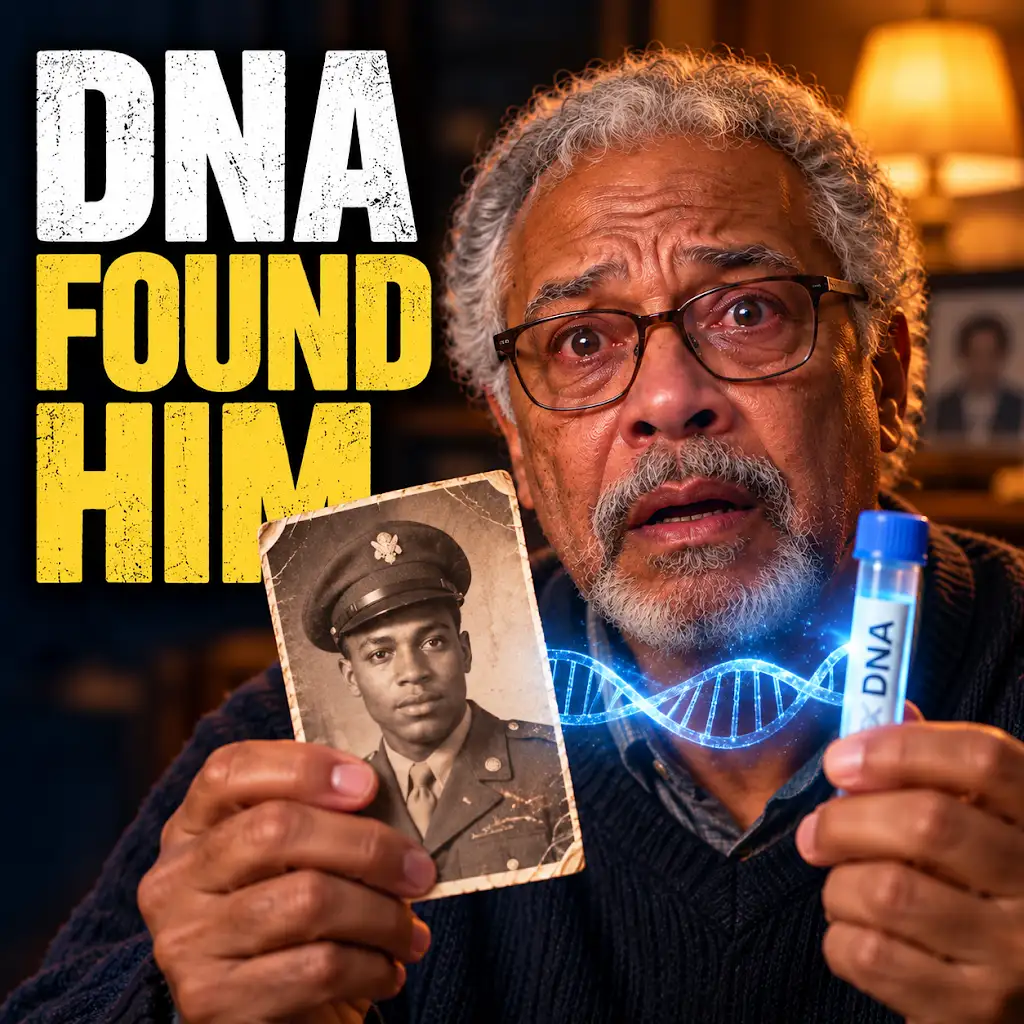
His WWII GI Father Was a Mystery for Nearly 80 Years
FAQs
What is genetic genealogy?
Genetic genealogy is the use of DNA testing in combination with traditional genealogical and historical records to infer relationships between individuals.
How can genetic genealogy help WWII war babies?
Genetic genealogy can help WWII war babies identify their biological parents or relatives by comparing their DNA with databases of other individuals who have also taken DNA tests.
What are the benefits of genetic genealogy for WWII war babies?
The benefits of genetic genealogy for WWII war babies include finding closure, discovering their heritage, connecting with biological family members, and gaining a better understanding of their genetic health risks.
Are there any privacy concerns with genetic genealogy?
There are privacy concerns with genetic genealogy, as individuals may uncover unexpected or sensitive information about their biological origins or health risks. It is important to carefully consider the potential implications before taking a DNA test.
How accurate is genetic genealogy in identifying biological relatives?
Genetic genealogy can be highly accurate in identifying biological relatives, depending on the quality and size of the DNA databases used for comparison. However, there may be limitations and uncertainties in cases where close biological relatives have not taken DNA tests.