The shadow of conflict often casts long and complex ripples, reaching far beyond the battlefield. For a unique group of individuals, those ripples led them across the Atlantic, from the heartland of America to the rolling hills and bustling cities of Britain. These are the children of American soldiers, whose fathers served in the United Kingdom during various conflicts, and whose mothers, British women, became their anchors and their futures. Their stories, often intertwined with wartime romances and wartime separations, paint a poignant picture of lives forged on the cusp of two cultures, ultimately finding a sense of belonging in a land that was once a temporary duty station for their fathers.
The echoes of World War II were particularly profound in shaping these transatlantic families. American servicemen, stationed in large numbers across the British Isles, formed bonds with local women. These were not fleeting encounters but deep connections that often blossomed into marriage and the establishment of new lives. For many British women, an American soldier represented a different world, a promise of opportunity, and a partner who could offer a sense of stability amidst the uncertainties of war. Conversely, for American soldiers, the warmth and familiarity of British homes, coupled with the deep affection for their British partners, drew them to plant roots in a foreign soil. The birth of children from these unions marked the beginning of a new generation, a generation with dual heritage, forever tethered to both the Stars and Stripes and the Union Jack. These post-war years saw a steady stream of American servicemen choosing to remain in Britain, either after their discharge or by opting for civilian life, thus solidifying these new family units and contributing to a growing demographic of British-born children of American military personnel.
Wartime Romances and Post-War Realities
The genesis of these unique families often lies in the whirlwind of wartime. Soldiers, far from home and facing immense pressure, found solace and companionship in the resilience and spirit of British women. These relationships, born out of shared experiences and mutual attraction, sometimes led to swift marriages, especially with the looming prospect of the soldier’s return to the United States. However, the post-war landscape presented its own set of challenges. For those who married and remained in Britain, the transition from military life to civilian existence, coupled with the integration into a new society, required significant adaptation. The economic realities of post-war Britain, the rebuilding efforts, and the cultural nuances all played a role in shaping the early lives of these families.
The Unexpected Turn of Duty
For many American soldiers, their tour of duty in Britain was intended to be temporary. They arrived with a mission, a commitment to their country, and the expectation of returning home once their service was complete. Yet, as is often the case with life, fate intervened. The bonds formed with British women, the blossoming of love, and the prospect of a family altered their trajectories entirely. Some soldiers, having experienced the charm of Britain and fallen deeply in love, found themselves reluctant to leave. They saw a future not just with their partners, but in Britain itself. This decision often involved navigating complex military regulations, seeking early discharge, or making commitments to civilian employment that would allow them to remain. The sheer number of American bases across the UK during World War II meant that these encounters were not isolated incidents but a widespread phenomenon, leading to a significant number of children born to these transatlantic pairings. The post-war demobilization further accelerated this trend, with many American servicemen choosing to stay rather than embark on the journey back to the United States.
Building Bridges Across the Atlantic
The challenges of establishing a life in a new country were substantial. For the British mothers, it meant adapting to the potential cultural differences, navigating social expectations, and raising children in an environment that was familiar to them but might have been less so to their American husbands. For the American fathers, it involved embracing a new way of life, often learning local customs and integrating into British communities. Many of these men brought with them a distinct American work ethic and perspective, which, when combined with British traditions, created a unique cultural tapestry within their homes. The presence of American servicemen also had a visible impact on British towns and cities, with burgeoning relationships and the subsequent establishment of these families contributing to a subtle but noticeable demographic shift in certain areas. The stories often shared are of initial adjustment periods, of learning each other’s quirks and customs, and of ultimately creating a harmonious blend of two cultures within the domestic sphere. The shared experience of raising children often served as a powerful unifying force, bridging any perceived cultural divides.
Children of American soldiers stationed in Britain during World War II faced unique challenges and experiences as they navigated life in a foreign country. Many of these children formed lasting friendships with local British kids, while also grappling with the complexities of their parents’ military duties. For a deeper understanding of their experiences and the impact of the war on their lives, you can read a related article at In The War Room. This resource provides valuable insights into the lives of these children and the cultural exchange that occurred during this tumultuous period.
A Dual Heritage: Navigating Identity
Growing up with a foot in both America and Britain often meant a childhood steeped in two distinct cultural narratives. These children were exposed to American traditions and values through their fathers and British customs and heritage through their mothers and their surroundings. This dual heritage could be a source of richness and a broadened perspective, but it also presented unique challenges in terms of identity formation. They might have felt a connection to a country they had never lived in, alongside a deep rootedness in the country they called home.
Echoes of the American Dream in British Fields
The American fathers, even while living in Britain, often retained a strong connection to their homeland. They would share stories of America, its vastness, its opportunities, and its cultural touchstones. This could manifest in various ways, from the food they ate to the music they listened to, and the values they instilled in their children. For the children, this meant growing up with an awareness of a distant land that was a significant part of their paternal lineage. They might have learned about American history alongside British history, or developed a fascination with American popular culture. This constant exposure, even at a distance, fostered a sense of connection, a yearning to understand the country their fathers hailed from. It was a subtle yet persistent influence, shaping their worldview and their understanding of themselves. The dreams and aspirations often associated with the American way of life could also be a subtle undercurrent in these households, influencing educational choices or career aspirations.
Embracing the Union Jack and the Stars and Stripes
The children of these unions were often raised with a deep appreciation for both their British and American identities. While they lived in Britain and their lives were intrinsically tied to its rhythms, the American element was never far away. This could mean celebrating American holidays alongside British ones, having relatives in America that they visited or corresponded with, or simply understanding the nuances of both cultures. The experience was not one of choosing one identity over the other, but rather of weaving them together into a complex and unique tapestry. Many of these individuals developed a nuanced understanding of both nations, appreciating the strengths and peculiarities of each. They often found themselves acting as informal ambassadors, able to explain aspects of American culture to their British friends and vice versa. This dual heritage could be a source of immense pride, allowing them to see the world from a broader and more inclusive perspective. They learned to navigate different social cues, understand different humor, and appreciate diverse perspectives, making them adaptable and well-rounded individuals.
The Legacy of Service and Sacrifice
The presence of American soldiers in Britain was, first and foremost, a consequence of military necessity. These men were deployed to support the war effort, and their presence, while leading to personal connections, was part of a larger national and international objective. The children of these unions, therefore, are living embodiments of that history, their existence a testament to the human connections forged in the crucible of conflict. Their stories are a reminder that even in times of war, personal lives and enduring relationships can bloom.
A Generation Shaped by Wartime Necessity
The deployment of American troops to Britain was a strategic decision driven by the exigencies of war. The sheer scale of this deployment meant that encounters between American servicemen and British women were inevitable. These were not simply casual meetings; they were often profound connections forged under the shadow of global conflict. For many of these women, the American soldiers represented a glimpse of a different world, one that offered a sense of hope and stability in turbulent times. For the soldiers, the companionship and affection they found in Britain provided a crucial emotional anchor, a counterpoint to the stresses of military life. The ensuing relationships and marriages, which led to the birth of children, were thus a direct consequence of this wartime presence. The children born from these unions, therefore, are a living legacy of that historical period, their very existence a testament to the human element that persisted even amidst the widespread destruction and upheaval of war.
The Enduring Bonds of Transatlantic Families
The families formed during this era often nurtured enduring bonds that transcended geographical distance and generational divides. The shared experiences of wartime, the cultural exchange, and the deep affection between partners created a foundation for lasting relationships. Even as the soldiers returned home or settled permanently in Britain, the connections remained strong. Children often grew up with a dual sense of family, with relatives in both America and Britain. This fostered a sense of belonging to both nations, and the stories of their parents’ wartime romances became a cherished part of their family history. The legacy of these transatlantic families continues to be felt today, with many individuals maintaining strong ties to both countries. They represent a unique chapter in the history of Anglo-American relations, a testament to the enduring power of love and human connection in even the most challenging of circumstances. The intergenerational sharing of stories, photographs, and traditions ensures that this unique heritage is passed down, keeping the memory of their fathers’ service and their mothers’ resilience alive.
Finding a Sense of Belonging in the United Kingdom
Despite their American paternal heritage, the vast majority of these children grew up fully immersed in British life. Their education, their social circles, and their formative experiences were all rooted in the United Kingdom. This naturally led to a strong sense of British identity, even with the awareness of their American lineage. The question of “home” was, for most, unequivocally answered by the country where they were born and raised.
The Familiar Comforts of British Life
For the children born to American soldiers and British mothers, Britain was the land of their upbringing. It was the place where they learned to walk, to talk, and to navigate the complexities of childhood. Their schools, their playgrounds, their local communities were all in the UK. They grew up with the cadence of British speech, the nuances of British humor, and the traditions of British life. While their fathers might have shared stories of America, and perhaps even visited the States, their daily reality was firmly rooted in Britain. This meant that their sense of identity, their core belonging, was inextricably linked to the United Kingdom. They learned the rules of cricket, the importance of queuing, and the art of a good cup of tea, all within the familiar embrace of British culture. The influence of their British mothers was paramount in shaping their everyday lives and instilling a deep sense of national pride in the country they called home.
The Ongoing Connection to the American Fatherland
Despite their deep integration into British society, the American heritage remained an intrinsic part of their identity. This connection was often nurtured by their fathers, who would share stories, traditions, and a sense of pride in their American roots. For many, this meant growing up with a dual consciousness, aware of their American lineage while fully embracing their British present. Visits to America, if they occurred, were often significant events, offering a tangible connection to their paternal heritage. Even without direct experience, a sense of curiosity and connection to the United States persisted. This dual identity was not seen as a conflict, but rather as an enrichment, a broader perspective that allowed them to appreciate the nuances of both cultures. They often became informal cultural bridges, able to explain American customs to their British friends and vice versa. This ongoing connection, whether through family ties, cultural touchstones, or personal interest, ensured that the American aspect of their heritage remained a meaningful and cherished part of their lives.
Children of American soldiers stationed in Britain during World War II faced unique challenges as they navigated life in a foreign country. Many of these children formed friendships with local British kids, creating bonds that transcended cultural differences. For a deeper understanding of their experiences and the impact of their parents’ military service, you can read a related article that explores the lives of these children in detail. It highlights their struggles, triumphs, and the lasting friendships they forged during this tumultuous time. To learn more, visit this article.
A Rich Tapestry of Anglo-American Lives
| Metric | Data | Notes |
|---|---|---|
| Estimated Number of Children | Approximately 10,000 | Children born to American soldiers stationed in Britain post-WWII |
| Time Period | 1942 – 1955 | Peak years of American military presence in Britain |
| Common Locations | East Anglia, Kent, Hampshire | Areas with large US airbases |
| Social Impact | Mixed | Varied acceptance in local communities |
| Support Organizations | American-British War Children Support Groups | Provide assistance and advocacy |
The children of American soldiers who found their homes in Britain represent a fascinating microcosm of Anglo-American relations. Their lives are a testament to the personal connections that can blossom even in the shadow of war, and to the enduring power of love and family to transcend national borders and cultural differences. Their stories are a reminder that history is not just made by grand political events, but also by the quiet, intimate dramas of individual lives, forging new identities and building futures on the foundations of shared experiences and mutual affection.
Living Legacies of Shared History
The stories of these individuals are more than just personal narratives; they are living legacies of a shared historical period that significantly impacted both Britain and America. The presence of vast numbers of American servicemen in Britain during wartime created unique social dynamics, leading to the formation of numerous transatlantic families. The children born from these unions, therefore, are a direct consequence of this historical phenomenon. They embody the human connections that were forged amidst the backdrop of global conflict, demonstrating that even in times of immense strain, personal relationships can flourish and lead to lasting bonds. Their existence is a tangible reminder of the sacrifices made, the alliances forged, and the enduring friendship between the two nations, a friendship that has been nurtured and strengthened through generations of personal ties. These families represent a unique and intimate thread in the broader fabric of Anglo-American relations.
The Nuances of a Dual Identity in Modern Britain
In contemporary Britain, these individuals often navigate their dual heritage with a sense of pride and a nuanced understanding of their multifaceted identities. They are British citizens, fully integrated into the fabric of modern British society, yet they also carry within them the echoes of their American paternal lineage. This dual identity can manifest in various ways, from an appreciation for American culture and history to a distinct perspective shaped by their unique upbringing. They may have relatives in America, maintaining a connection to that side of their family, or they may simply possess a deep personal interest in American affairs. The ongoing dialogue between their British upbringing and their American heritage creates a rich tapestry of experience and understanding. They are living examples of how cultures can blend and evolve, creating new identities that are both distinct and deeply rooted. Their stories contribute to the diverse and multicultural landscape of modern Britain, adding a unique Anglo-American dimension to the nation’s rich social tapestry. They often find themselves as bridges between cultures, able to offer insights and understanding that come from a deeply personal connection to both nations.
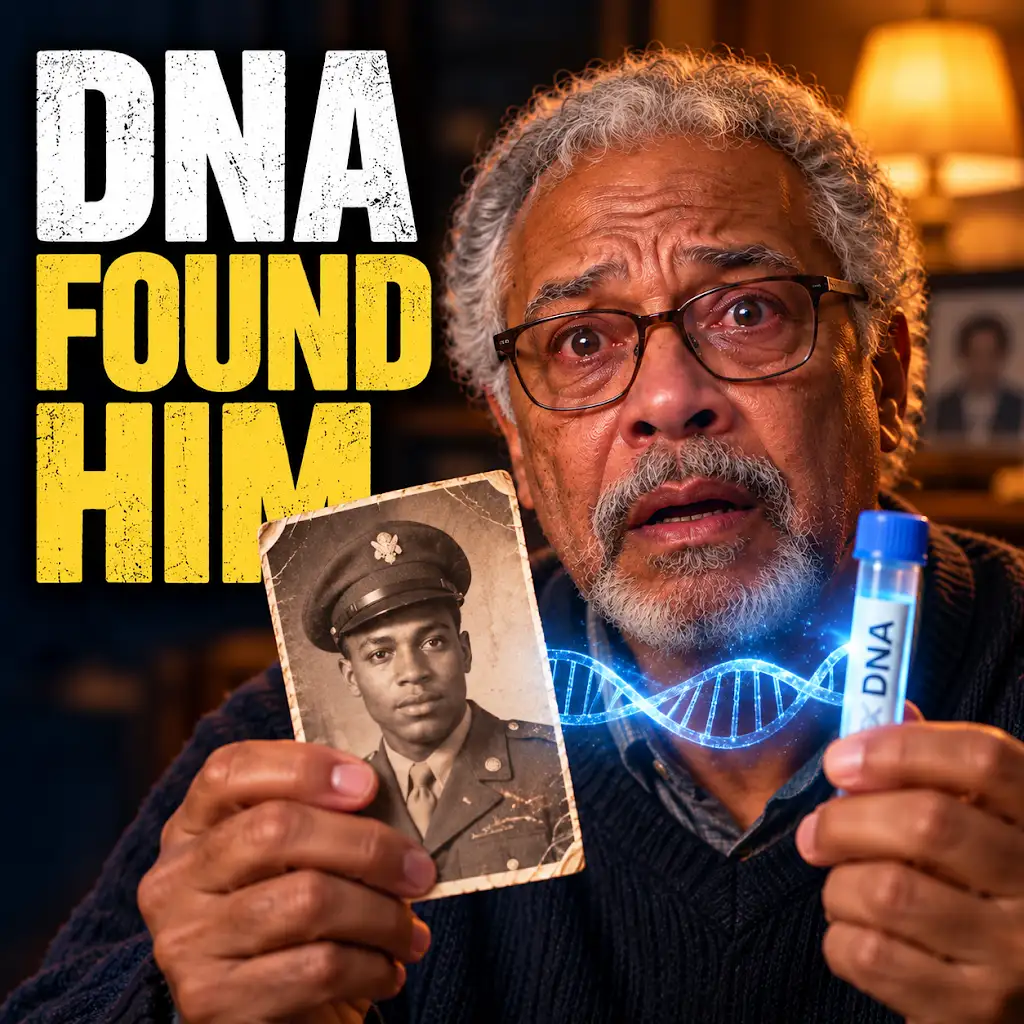
His WWII GI Father Was a Mystery for Nearly 80 Years
FAQs
What is the background of children of American soldiers in Britain?
Children of American soldiers in Britain are individuals born to American servicemen stationed in the United Kingdom during and after World War II. These children are often referred to as “GI babies” or “War Babies.”
How many children of American soldiers were born in Britain?
It is estimated that around 22,000 children were born to American soldiers and British women during and after World War II. These children faced unique challenges due to their mixed heritage and the circumstances of their birth.
What support is available for children of American soldiers in Britain?
Various organizations and support groups exist to help children of American soldiers in Britain connect with their American heritage, locate their biological fathers, and navigate the complexities of their identity. These groups provide emotional support, resources, and assistance in tracing family history.
What impact did being a child of an American soldier have on individuals in Britain?
Children of American soldiers in Britain often faced stigma, discrimination, and challenges growing up due to their mixed heritage and the circumstances of their birth. Many struggled with issues of identity, belonging, and acceptance in both American and British societies.
Are there any efforts to recognize and honor the experiences of children of American soldiers in Britain?
In recent years, there have been efforts to raise awareness about the experiences of children of American soldiers in Britain and to acknowledge their unique place in history. Some organizations work to preserve the stories and memories of these individuals and ensure that their contributions are not forgotten.