The Soviet 40th Army: A Descent into Afghanistan
The decision to deploy the Soviet 40th Army into Afghanistan in December 1979 marked a grave turning point, not only for the Soviet Union but for the region and the global geopolitical landscape. It was an intervention born of complex internal Soviet considerations and a perceived threat to their sphere of influence, one that would ultimately consume vast resources, sow immense human suffering, and contribute significantly to the unraveling of the Soviet empire itself. The invasion, ostensibly to support the People’s Democratic Party of Afghanistan (PDPA) government against rising internal dissent and external pressures, quickly devolved into a protracted and brutal conflict.
The diplomatic and political currents leading to the Soviet decision to intervene were intricate and fraught with anxiety within the Kremlin. While the PDPA had seized power in the Saur Revolution of 1978, its radical reforms and aggressive secularization policies alienated large swathes of the Afghan population, particularly in rural and religiously conservative areas. This alienation fueled widespread resistance, manifesting as armed insurgency. The PDPA, facing dwindling popular support and internal factionalism, increasingly relied on Soviet advisors and military hardware to maintain its grip.
Internal Soviet Debates and the Fear of Contagion
The question of Soviet intervention was not met with universal enthusiasm within the Politburo. Arguments against it were raised, highlighting the potential for a protracted and costly conflict, the risk of international condemnation, and the possibility of stirring up Islamic militancy on Soviet borders. However, a faction, influenced by hardline military and intelligence officials, pushed for decisive action.
The Brezhnev Doctrine and its Shadow
The prevailing foreign policy doctrine, often referred to as the Brezhnev Doctrine, asserted the Soviet Union’s right to intervene in socialist states where the gains of socialism were perceived to be under threat. This doctrine, solidified in the aftermath of the Prague Spring invasion of Czechoslovakia in 1968, provided a theoretical framework for intervention, even if its application in Afghanistan was more reactive than proactive.
Perceived External Threats and Regional Stability
Soviet leadership harbored a deep-seated concern about the implications of instability on their southern frontier. They viewed the burgeoning insurgency with suspicion, suspecting the involvement of external actors, particularly the United States and its allies, who they believed were seeking to destabilize Soviet Central Asia through Afghanistan. The perceived rise of Islamic fundamentalism, amplified by the Iranian Revolution of 1979, also contributed to Soviet anxieties about potential spillover effects into their own Muslim-majority republics.
The Hafizullah Amin Factor: A Catalyst for Action
The ousting and subsequent assassination of PDPA leader Nur Muhammad Taraki by Hafizullah Amin in September 1979 played a pivotal role in accelerating the Soviet decision. Amin, a more ruthless and uncompromising figure, alienated the PDPA’s own moderate factions and exacerbated the security situation. Soviet intelligence reports painted a picture of an increasingly unstable Afghanistan, with Amin viewed as unpredictable and potentially a liability. The decision was ultimately made to replace Amin, first through internal PDPA machinations, and when that proved insufficient, through direct military intervention.
The Soviet invasion of Afghanistan by the 40th Army in December 1979 marked a significant turning point in Cold War dynamics and had lasting implications for the region. For a deeper understanding of the geopolitical context and the consequences of this military intervention, you can read a related article that explores the intricacies of the conflict and its aftermath. For more information, visit this article.
The Onset of Operation Storm: The Shock of Invasion
The invasion itself was swift and ostensibly designed for a short duration. The initial deployment of the 40th Army, comprising elements from various Soviet military districts, was aimed at securing key infrastructure, neutralizing perceived threats, and installing a more pliant leadership. The element of surprise, while significant, did not prevent the emergence of immediate and fierce resistance.
Deployment and Initial Objectives
The initial force consisted of approximately 80,000 to 100,000 troops, supported by air power and armor. The primary objectives included:
- Securing Kabul: Paratroopers were dropped into the Afghan capital to seize strategic locations and neutralize the Presidential Palace.
- Eliminating Hafizullah Amin: The Soviet-backed assassination of Amin was a key immediate objective, achieved shortly after the invasion commenced.
- Stabilizing Key Cities and Transportation Routes: Ensuring government control over major urban centers and vital supply lines was deemed crucial.
- Providing Security to the New PDPA Leadership: Babrak Karmal, a more Moscow-aligned figure, was installed as the new head of state.
The Unexpected Resistance and the Erosion of Initial Plans
While the initial Soviet military operations were largely successful in achieving their immediate tactical goals, they failed to anticipate the depth and breadth of the Afghan resistance. The mujahideen, a disparate collection of anti-government factions united by their opposition to the Soviet presence and the secular PDPA regime, drew strength from local grievances, religious fervor, and foreign support.
The Mujahideen: Untangling the Opposition
The term “mujhideen” encompasses a wide array of resistance groups, many with distinct ideological leanings and tribal affiliations. These groups, often operating autonomously, shared a common enemy.
The Role of Tribal Structures and Religious Authority
Traditional Afghan social structures, particularly those based on tribal loyalties and the influence of religious scholars (ulama), provided a fertile ground for the growth of resistance. The perceived affront to Islamic values posed by the PDPA’s secular reforms galvanized considerable support for the mujahideen.
External Patronage and the Arms Race
Crucially, the mujahideen received substantial funding, training, and weaponry from external powers. Saudi Arabia, Pakistan, and crucially, the United States, channeled significant resources to these groups, viewing them as proxies in the Cold War struggle against Soviet influence.
The Illusion of a Short-Term Mission
The Soviet military and political leadership fundamentally miscalculated the nature of the Afghan conflict. They envisioned a swift operation, a quick restoration of order, and a relatively painless withdrawal. This optimistic assessment, however, overlooked the deep-seated complexities of Afghan society and the determination of those who opposed the Soviet presence. The conflict quickly began to morph from a limited intervention into a full-blown, attritional war.
The Grind of War: The 40th Army Against a Nation in Revolt
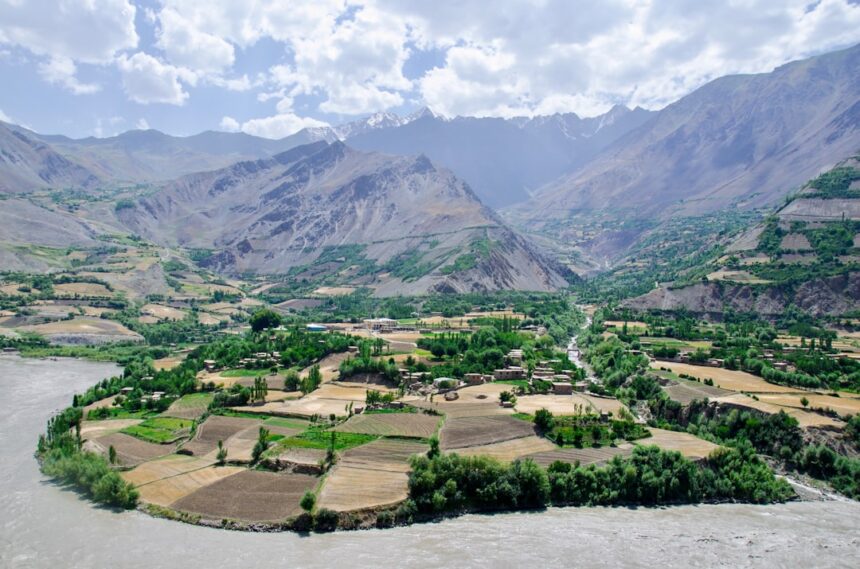
The initial euphoria of a swift victory quickly dissipated, replaced by the grim reality of a protracted and costly insurgency. The Soviet 40th Army found itself engaged in a brutal and often brutalizing conflict, facing an enemy that was deeply embedded in the local population and adept at guerrilla warfare. The rugged Afghan terrain, a formidable ally of the mujahideen, became a constant challenge for the Soviet forces.
Counter-Insurgency Operations and Their Limitations
The Soviet military, designed for conventional warfare, struggled to adapt to the demands of counter-insurgency. Their tactics often proved blunt and indiscriminate, further alienating the civilian population and fueling the mujahideen’s recruitment efforts.
The “Clear and Hold” Strategy and its Flaws
Soviet attempts to implement “clear and hold” operations, aimed at pacifying rural areas, were often met with limited success. The mujahideen, highly mobile and possessing extensive local knowledge, could melt away into the mountains and return once Soviet patrols departed.
The Impact of Soviet Tactics on the Civilian Population
Aerial bombardments, artillery shelling, and the indiscriminate use of force by Soviet troops inflicted immense suffering on Afghan civilians. Villages were destroyed, livelihoods were shattered, and a deep reservoir of resentment was created, pushing many previously neutral Afghans into the arms of the resistance.
The Growing Toll: Casualties and Psychological Strain
The human cost of the war for the Soviet side was significant and mounting. Loss of life, injury, and the psychological trauma of combat took a heavy toll on the soldiers of the 40th Army.
The “200s” and “300s”: A Growing Statistical Burden
The constant stream of casualties, referred to by grim Soviet slang as “200s” (deceased) and “300s” (wounded), became a grim reality for Soviet society. Official figures, often downplayed, did not fully reflect the true extent of the losses.
The Scars of War: Psychological Impact on Soldiers
Many Soviet soldiers returned from Afghanistan deeply scarred by their experiences. Post-traumatic stress disorder (PTSD), a condition not well understood or addressed at the time, became a significant issue for returning veterans. The disillusionment with the perceived futility of the war also contributed to a sense of alienation.
The Strategic Stalemate and the Unseen Enemy
Despite superior firepower and military might, the Soviet 40th Army found itself locked in a strategic stalemate. The mujahideen, though often outmatched in direct confrontation, proved adept at attrition warfare, bleeding the Soviet forces of men and matériel. The nature of the conflict meant that victories were often temporary and gains hard-won, with little strategic advantage gained in the long term.
Beyond the Battlefield: The Wider Repercussions of the Invasion
The Soviet invasion of Afghanistan was not confined to the physical battlegrounds. Its consequences rippled outward, impacting Soviet society, international relations, and the geopolitical balance of power. The war drained the Soviet economy, fueled internal dissent, and contributed to a growing sense of cynicism and disillusionment within the USSR.
Economic Strain and the Drain on Soviet Resources
The war represented a significant economic burden for an already strained Soviet economy. The cost of maintaining a large military presence, providing logistical support, and supplying the Afghan government placed immense pressure on Soviet finances.
The Cost of Armament and Logistics
Sustaining a large force in a remote and hostile environment required a constant supply of weapons, ammunition, fuel, and provisions. This immense logistical undertaking diverted resources from other sectors of the Soviet economy.
Diversion of Investment from Domestic Needs
The heavy investment in the Afghan war meant that resources that could have been used for domestic development, consumer goods, or infrastructure improvements were instead channeled into the military effort. This exacerbated existing economic inefficiencies.
International Condemnation and the “Soviet Vietnam” Narrative
The invasion was met with widespread international condemnation, particularly from Western nations and Islamic countries. The Soviet Union found itself increasingly isolated on the global stage.
The United States’ Response and the Proxy War Dynamic
The United States, under President Carter and later Reagan, actively supported the mujahideen, transforming the conflict into a significant proxy war in the Cold War. This support significantly bolstered the resistance’s capabilities.
The UN and Diplomatic Pressure
The United Nations repeatedly passed resolutions calling for the withdrawal of Soviet forces, though these had little immediate impact on Kremlin policy. The diplomatic isolation of the Soviet Union intensified throughout the conflict.
The “Afghan Syndrome” and its Social Impact
The return of thousands of Soviet soldiers from Afghanistan, many of them physically and psychologically wounded, had a significant social impact. The public perception of the war, coupled with the visible suffering of veterans, began to erode the legitimacy of the war and the Soviet government’s policies.
The Marginalization of Veterans
Many returning soldiers found themselves ostracized or unable to reintegrate into Soviet society. The psychological scars of war, combined with a lack of adequate support systems, led to widespread issues of alcoholism, unemployment, and social alienation among veterans.
Erosion of Public Trust and Anti-War Sentiment
As the war dragged on and the human cost became more apparent, a nascent anti-war sentiment began to emerge within the Soviet Union. The disconnect between official narratives and the lived experiences of soldiers and their families contributed to a growing erosion of public trust in the government.
The Soviet invasion of Afghanistan by the 40th Army in 1979 marked a significant turning point in Cold War dynamics, leading to a protracted conflict that would have lasting implications for both the region and global politics. This military intervention not only intensified the struggle between superpowers but also fueled the rise of insurgent groups within Afghanistan. For a deeper understanding of the geopolitical consequences of this invasion, you can read more in this insightful article on the topic at In The War Room.
The Dismal Legacy: Withdrawal and the Unforeseen Consequences
| Metric | Data |
|---|---|
| Start Date | December 24, 1979 |
| End Date | February 15, 1989 |
| Location | Afghanistan |
| Combatants |
|
| Outcome |
|
After nearly a decade of brutal conflict, the Soviet Union, under Mikhail Gorbachev, finally acknowledged the unwinnability of the war and began its withdrawal in 1989. The departure of the 40th Army, however, did not bring peace to Afghanistan. Instead, it left behind a deeply fractured nation, a power vacuum, and a legacy of devastation that would continue to plague the region for decades to come.
The Politics of Withdrawal: Gorbachev’s Decision
The Soviet defeat in Afghanistan was a significant factor in Mikhail Gorbachev’s broader reform agenda. Recognizing the economic drain and the growing political dissatisfaction, he made the difficult decision to extricate the Soviet Union from the conflict.
Perestroika and Glasnost’s Influence
Gorbachev’s policies of perestroika (restructuring) and glasnost (openness) created an environment where dissent was more tolerated, and the true costs of the Afghan war could be more openly discussed. This facilitated the eventual withdrawal.
The Symbolic Significance of the Withdrawal
The withdrawal of Soviet troops was a highly symbolic event, signaling a shift in Soviet foreign policy and a recognition of past misjudgments. It marked the end of an era of Soviet hegemonic ambitions in the region.
The Lingering Scars on Afghanistan: A Nation Divided
The Soviet withdrawal left Afghanistan in a state of chaos and civil war. The PDPA government, deprived of its Soviet patrons, struggled to maintain control, and the mujahideen factions, once united against a common enemy, turned on each other.
The Rise of the Taliban and Subsequent Conflicts
The ensuing power vacuum and continued instability paved the way for the rise of the Taliban in the mid-1990s. The ensuing decades saw further conflict, foreign interventions, and immense human suffering.
The Unresolved Trauma and the Legacy of War
The physical and psychological scars of the Soviet-Afghan War continue to affect Afghanistan. The widespread destruction, the loss of life, and the displacement of millions have left a indelible mark on the nation’s history and its future.
The 40th Army’s Place in History: A Costly Miscalculation
The Soviet 40th Army’s involvement in Afghanistan remains a stark lesson in the complexities of intervention, the limitations of military power against popular resistance, and the devastating consequences of miscalculated foreign policy. It became a symbol of Soviet strategic overreach, a costly endeavor that contributed to the unraveling of a superpower and the perpetuation of conflict in a war-torn nation.
FAQs
What was the Soviet 40th Army invasion of Afghanistan?
The Soviet 40th Army invasion of Afghanistan refers to the military intervention by the Soviet Union in December 1979, in response to the Afghan government’s request for assistance in combating a growing insurgency.
What were the reasons for the Soviet 40th Army invasion of Afghanistan?
The Soviet Union invaded Afghanistan to support the Afghan government, which was facing a growing insurgency and internal instability. The Soviet leadership was concerned about the potential spread of Islamic fundamentalism and the impact of a potential collapse of the Afghan government on Soviet interests in the region.
How long did the Soviet 40th Army stay in Afghanistan?
The Soviet 40th Army remained in Afghanistan for nearly a decade, from December 1979 to February 1989. The invasion and subsequent occupation resulted in a protracted and costly conflict for both the Soviet Union and Afghanistan.
What were the consequences of the Soviet 40th Army invasion of Afghanistan?
The Soviet invasion of Afghanistan had significant consequences, including a prolonged and destructive conflict that resulted in a high number of casualties and widespread devastation. It also had far-reaching geopolitical implications, contributing to the escalation of the Cold War and shaping the dynamics of the region for years to come.
How did the Soviet 40th Army invasion of Afghanistan end?
The Soviet 40th Army withdrew from Afghanistan in February 1989, following a series of negotiations and agreements between the Soviet Union, Afghanistan, and other regional powers. The withdrawal marked the end of the Soviet military intervention in Afghanistan, although the conflict and its aftermath continued to have lasting effects on the country and the region.