
The United States Navy has initiated a comprehensive assessment of the damage sustained by the USS Voge (FF-1047) following a collision with an unidentified submerged object. The incident, which occurred during routine operations in international waters, has prompted a detailed investigation into the cause and extent of the damage, as well as a thorough review of operational protocols. The Voge, a Knox-class frigate, is currently undergoing preliminary damage assessment at a secure location, with naval engineers and technical specialists working diligently to determine the path forward for the vessel.
Initial Incident Report and Immediate Response
The collision occurred on a Tuesday morning, while the USS Voge was conducting training exercises. Details regarding the exact time and location are being withheld for operational security reasons. Reports from the scene indicate that the frigate experienced a significant impact, leading to immediate concerns for the safety of the crew and the integrity of the ship. The commanding officer of the Voge immediately ordered a series of damage control procedures, prioritizing the containment of any potential breaches and ensuring the well-being of all personnel on board.
Crew Safety and Damage Control Efforts
The primary concern following the impact was the safety of the 200-plus crew members aboard the USS Voge. Fortunately, initial reports confirm that there were no serious injuries sustained by the crew. This is a testament to the rigorous training and preparedness of naval personnel, as well as the effectiveness of the ship’s damage control systems. Immediately after the collision, damage control teams sprang into action, working to assess and mitigate any flooding, fires, or structural compromises. Standard operating procedures for such emergencies were meticulously followed, demonstrating the crew’s unwavering dedication and professionalism under pressure.
Preliminary Assessment of the Submerged Object
While the primary focus remains on the USS Voge, efforts are also underway to ascertain the nature of the submerged object with which the Voge collided. The exact identity of this object is crucial for understanding the circumstances of the incident and for any future diplomatic or operational considerations. Given the location of the collision, speculation has ranged from a rogue submarine to a submerged piece of debris or even a natural underwater formation. Naval intelligence and oceanographic survey teams are collaborating to analyze any available data, including sonar readings and acoustic signatures, that might shed light on the object’s characteristics. The depth, size, and composition of the object are key factors being investigated.
The recent collision involving the USS Voge submarine has raised significant concerns regarding naval safety and operational protocols. For a deeper understanding of the implications of such incidents, you can read a related article that discusses the broader context of submarine collisions and their impact on naval operations. This insightful piece can be found at In The War Room.
Detailed Examination of Hull Damage
The most visible and immediate concern following the collision is the damage to the USS Voge’s hull. Naval architects and marine engineers have begun the painstaking process of documenting and analyzing the extent of the compromise to the vessel’s structural integrity. This detailed examination will inform all subsequent repair and recovery operations. The impact point, the depth of penetration, and any resulting deformation of the hull plating are being meticulously recorded.
Structural Integrity and Watertight Compartments
The frigates of the Knox class are designed with robust hull structures and multiple watertight compartments to ensure survivability in the event of battle damage. The collision with the submerged object has tested these design features. Engineers are conducting detailed inspections of the affected hull sections, paying close attention to the integrity of the watertight bulkheads and seals. The primary objective is to determine if any watertight compartments have been compromised, which could lead to uncontrolled flooding. Advanced non-destructive testing methods are being employed to assess the internal stresses and potential weaknesses in the hull plating.
Propulsion and Systems Impact
Beyond the direct hull damage, the collision may have also affected the Voge’s vital propulsion and operational systems. The engine room, shaft lines, and associated machinery are being thoroughly inspected to rule out any secondary damage. Naval engineers are also evaluating the impact on critical systems such as steering, navigation, and combat systems. The shockwaves from the impact, even if the primary damage is to the hull, can sometimes affect sensitive equipment. A comprehensive system-by-system check is essential before any decisions can be made regarding the Voge’s operational status or movement.
Operational Implications and Future Deployments
The incident involving the USS Voge has immediate implications for its operational schedule and the broader deployment plans of the U.S. Navy. A thorough assessment of the damage is the first step in determining the Voge’s future operational capabilities and the timeline for its return to service.
Current Operational Status and Mission Adjustments
The USS Voge was reportedly engaged in routine exercises at the time of the collision. The nature of these exercises and their purpose are currently not being disclosed. However, any naval vessel involved in an incident of this magnitude is immediately removed from active operational duties. This means that any missions or deployments the Voge was scheduled to undertake will need to be reassigned or postponed. The Navy will likely be reallocating resources and personnel to ensure that mission objectives are met by other available assets.
Impact on Fleet Readiness and Resource Allocation
The removal of a vessel like the USS Voge from active duty can have a ripple effect on fleet readiness. Naval planners will need to carefully consider how to backfill its capabilities and ensure that the overall operational tempo of the fleet is maintained. This might involve extending the deployments of other vessels, accelerating maintenance schedules for other ships, or potentially drawing on reserve assets. The incident underscores the constant balancing act the Navy performs in managing its global presence and responding to evolving security challenges. Resource allocation decisions will be critical in the coming weeks and months.
Investigation into the Collision’s Cause
A thorough investigation into the root cause of the collision is paramount. Understanding how and why this incident occurred is crucial for preventing future occurrences and for learning from the event. This investigation will involve a multidisciplinary team of experts.
Review of Navigational Data and Sonar Logs
The immediate priority for investigators is to meticulously review all available navigational data and sonar logs from the USS Voge. These records are expected to provide a detailed timeline of the Voge’s movements leading up to, during, and immediately after the collision. Sonar data, in particular, will be critical for understanding the presence and behavior of the submerged object. Analysts will be looking for any anomalies in the acoustic environment or any indications of unusual underwater activity.
Witness Testimony and Operational Protocol Analysis
In addition to technical data, witness testimony from the bridge crew and other personnel on watch will be vital. Their firsthand accounts of the moments leading up to and during the impact will provide invaluable context. Investigators will also be analyzing the operational protocols that were in place at the time of the incident. This includes examining watchstanding procedures, communication protocols, and the rules of engagement, if applicable. The goal is to identify any potential procedural breakdowns or areas where protocols could be strengthened.
The recent collision involving the USS Voge has raised concerns about the safety and operational protocols of naval submarines. For a deeper understanding of the implications of such incidents, you can read a related article that discusses the potential damage and recovery processes following submarine collisions. This article provides valuable insights into the challenges faced by the crew and the navy’s response strategies. To explore more about this topic, visit this link.
Repair, Refit, and Future of the USS Voge
| Metric | Details |
|---|---|
| Submarine Name | USS Voge (FF-1047) |
| Date of Collision | August 11, 1976 |
| Location | North Atlantic Ocean |
| Collision Partner | USS John F. Kennedy (CV-67) |
| Type of Damage | Hull breach and structural damage to starboard side |
| Extent of Damage | Moderate; required dry dock repairs |
| Casualties | None reported |
| Operational Impact | Temporary removal from active duty for repairs |
| Repair Duration | Approximately 3 months |
The long-term future of the USS Voge hinges on the outcome of the damage assessment and the subsequent repair and refit process. The severity of the damage will dictate the scope of work required and the time it will take for the vessel to return to full operational status.
Engineering Assessments for Repair Strategy
Once the initial damage assessment is complete, specialized engineering teams will develop a comprehensive repair strategy. This will involve determining the specific materials and techniques required to restore the hull’s integrity and address any system damage. The location of the Voge will also be a factor; repairs might be undertaken at a naval shipyard or potentially at a civilian facility if the damage is extensive and requires specialized capabilities. The cost and timeline for these repairs will be a significant consideration.
Potential Refit and Modernization Opportunities
Depending on the extent of the damage and the Voge’s remaining service life, the incident might present an opportunity for a refit or modernization program. If significant repairs are already required, naval planners may consider incorporating upgrades to the Voge’s systems and capabilities during the repair process. This could involve modernizing its combat systems, enhancing its sensor suites, or improving its habitability. Such decisions would be weighed against the overall costs and benefits, as well as the Navy’s long-term shipbuilding and modernization plans. The USS Voge, having served the nation for decades, will undergo a rigorous evaluation to determine its path forward, ensuring it continues to be a valuable asset to the U.S. Navy.
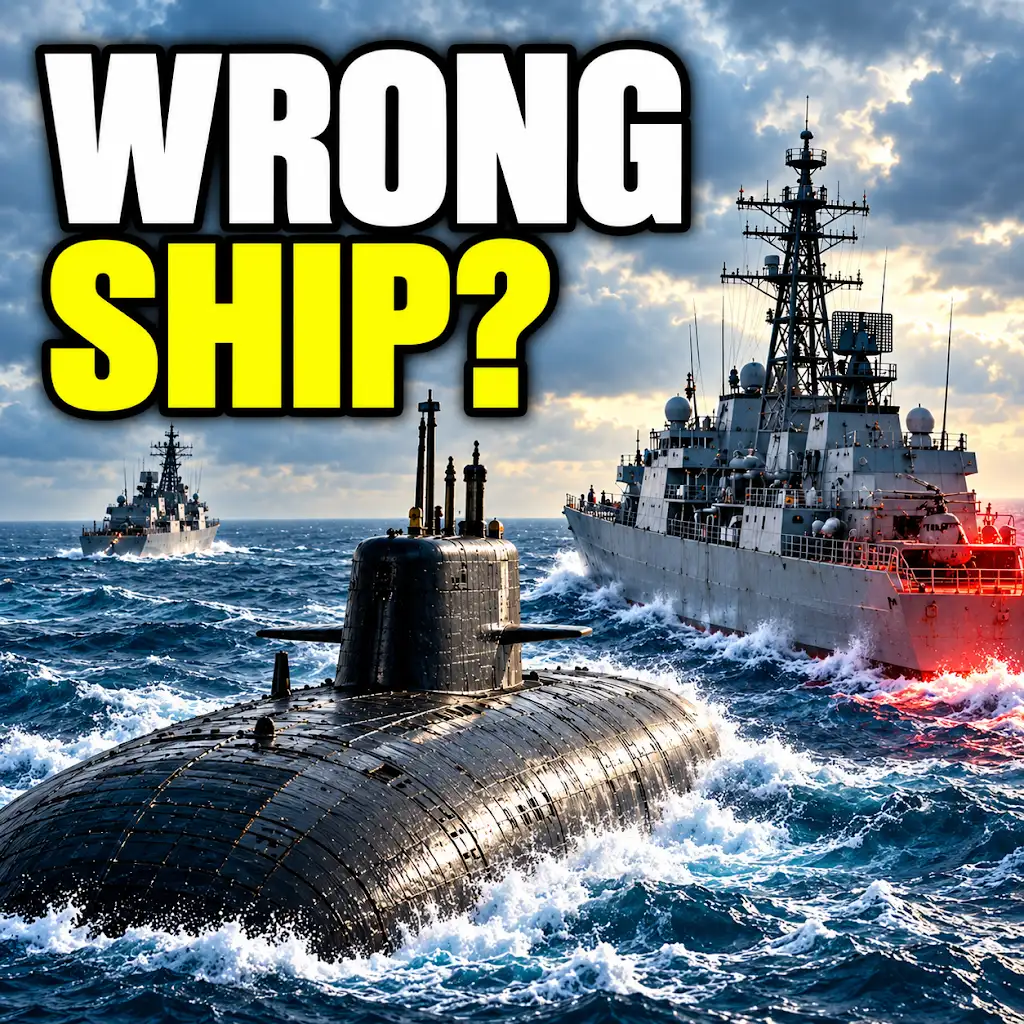
A Soviet Submarine Hit a U.S. Frigate. Was It the Wrong Ship?
FAQs
1. What caused the USS Voge submarine collision damage?
The USS Voge submarine collision damage was caused by a collision with an underwater object, which resulted in significant damage to the submarine’s hull.
2. How severe was the damage to the USS Voge submarine?
The damage to the USS Voge submarine was severe, with reports indicating that the collision caused a large dent in the submarine’s hull and resulted in flooding in some compartments.
3. Were there any injuries reported as a result of the collision?
Fortunately, there were no injuries reported as a result of the USS Voge submarine collision. The crew members were able to safely navigate the submarine back to port for repairs.
4. What measures are being taken to repair the damage to the USS Voge submarine?
Repair efforts are currently underway to address the damage to the USS Voge submarine. The submarine will undergo extensive repairs to ensure it is fully operational once again.
5. Has the cause of the collision been determined?
The cause of the collision that led to the USS Voge submarine damage is still under investigation. The Navy is working to determine what exactly the submarine collided with and how the incident occurred.