Espionage, the clandestine art of gathering intelligence, has often acted as a subtle yet potent force, navigating the currents of historical events and, at times, dramatically altering their course. While armies clash and treaties are signed, the unseen hand of the spy can reshape geopolitical landscapes, ignite conflicts, or avert them. This article endeavors to explore seminal instances where espionage played a pivotal, transformative role, offering a glimpse into the hidden mechanisms that underpin historical change.
The Cold War, a period characterized by ideological confrontation and a pervasive sense of global instability, was arguably the golden age of espionage. The two superpowers, the United States and the Soviet Union, engaged in a continuous, high-stakes game of cat and mouse, where information was the ultimate weapon.
The Atomic Spies: Unveiling the Manhattan Project
The development of nuclear weapons during World War II, a monumental scientific endeavor known as the Manhattan Project, was a closely guarded secret. However, its shroud of secrecy was meticulously penetrated by Soviet intelligence.
Klaus Fuchs: The Physicist Who Changed the Balance
Klaus Fuchs, a German-born theoretical physicist working alongside the most brilliant minds of his generation, systematically transmitted critical information about the design and construction of the atomic bomb to the Soviet Union. His contributions were not merely speculative; they were precise, detailing the methodologies behind uranium enrichment and plutonium production. Fuchs’s revelations significantly reduced the time it took for the Soviets to develop their own atomic bomb, directly contributing to the nuclear parity that fueled the Cold War arms race. Imagine a chess game where one player secretly possesses the blueprints to their opponent’s most powerful piece; that was the strategic advantage Fuchs provided.
The Rosenbergs: A Controversial Chapter
Julius and Ethel Rosenberg, a couple accused of conspiring to pass atomic secrets to the Soviet Union, became a focal point of Cold War paranoia and McCarthyism. While Julius’s involvement in a spy ring is largely accepted by historians, Ethel’s guilt remains a subject of considerable debate. Regardless of the nuances of their individual culpability, their trial and execution underscored the gravity with which the United States viewed espionage related to its nuclear program. The fear of atomic secrets falling into enemy hands was a palpable force, shaping public opinion and international relations.
Project VENONA: Cracking the Soviet Code
While Soviet espionage was highly effective, the United States was also engaged in its own sophisticated intelligence-gathering operations. Project VENONA, a top-secret counterintelligence program, stands as a testament to the power of cryptanalysis.
Unveiling Soviet Agents in America
For decades, American cryptographers meticulously worked to decrypt Soviet intelligence communications, ultimately unmasking a vast network of Soviet agents operating within the United States government and scientific community. VENONA revealed the identities of numerous individuals who had been providing classified information to the Soviets, including those involved in the Manhattan Project. This decryption effort was akin to sifting through countless grains of sand to find a hidden diamond, a painstaking process that yielded invaluable insights.
Impact on Cold War Strategy
The intelligence gleaned from VENONA provided a crucial understanding of Soviet capabilities and intentions. It allowed policymakers to make more informed decisions regarding national security and to counter Soviet influence more effectively. The revelations from VENONA also contributed to the Red Scare and fueled a widespread distrust of communism within the United States.
One of the most significant articles related to espionage that changed history is the detailed account of the “Venona Project,” which revealed the extent of Soviet spying in the United States during the Cold War. This project, a top-secret initiative by American intelligence, decrypted messages sent by Soviet agents and provided crucial evidence of espionage activities that influenced U.S. foreign policy and national security strategies. For more insights into the impact of espionage on global events, you can read the article at this link.
World War II: The Information Advantage
World War II, a conflict of unprecedented scale and brutality, was also a proving ground for the strategic deployment of intelligence. Both the Allied and Axis powers dedicated immense resources to espionage, understanding that a superior understanding of the enemy could spell the difference between victory and defeat.
Ultra and Enigma: Breaking German Codes
The Allied effort to break the German Enigma code, known as Ultra, represents one of the most significant intelligence triumphs in military history. This operation provided the Allies with an unparalleled window into German military planning and movements.
Bletchley Park: The Code-Breaking Hub
Bletchley Park, a stately Victorian mansion in England, became the nerve center of Allied code-breaking efforts. Here, a diverse group of mathematicians, linguists, and engineers, spearheaded by figures like Alan Turing, worked tirelessly to unravel the complexities of the Enigma machine. Their work was not just about decoding messages; it was about understanding the underlying patterns and idiosyncrasies of German communication. It was like solving a giant, constantly changing jigsaw puzzle with potentially life-or-death consequences.
Impact on Major Campaigns
The intelligence derived from Ultra played a pivotal role in countless Allied victories. It enabled commanders to anticipate German troop movements, submarine deployments, and strategic intentions. From the Battle of the Atlantic, where U-boat positions were revealed, to the D-Day landings, where vital information about German defenses was obtained, Ultra provided a crucial advantage. Without Ultra, the war’s duration could have been significantly extended, and the human cost far greater. Consider the impact of knowing your adversary’s next move in a literal battle of wits and strength; that was the power of Ultra.
Allied Deception Operations: The Mind as a Weapon
Beyond direct intelligence gathering, the Allies also employed sophisticated deception operations, using misinformation and misdirection to manipulate German perceptions and actions.
Operation Mincemeat: The Man Who Never Was
Operation Mincemeat, a daring British intelligence initiative, involved planting false documents on a deceased vagrant, dressed as a Royal Marine officer, and allowing his body to wash ashore in Spain. The documents suggested an Allied invasion of Greece and Sardinia, diverting German attention and resources away from the true target: Sicily. This elaborate ruse was so successful that Hitler himself was convinced and moved significant forces, leaving Sicily vulnerable to the Allied invasion. This was a testament to the power of narrative control, the ability to weave a compelling but utterly false reality for the enemy.
Ghost Armies and Inflatable Tanks: Project Fortitude
During the lead-up to D-Day, Project Fortitude was designed to convince the Germans that the main Allied invasion force would land at the Pas-de-Calais, not Normandy. This involved the creation of ‘ghost armies,’ complete with inflatable tanks, dummy airfields, and fabricated radio traffic. General Patton, a highly respected and feared Allied commander, was conspicuously placed in command of this fictitious force, further lending credibility to the deception. This elaborate play of shadows successfully tied down German forces, preventing them from reinforcing the critical Normandy beaches. It was an artful manipulation of perception, where the illusion was as potent as any physical army.
The Cold War’s End Game: The Collapse of Empires
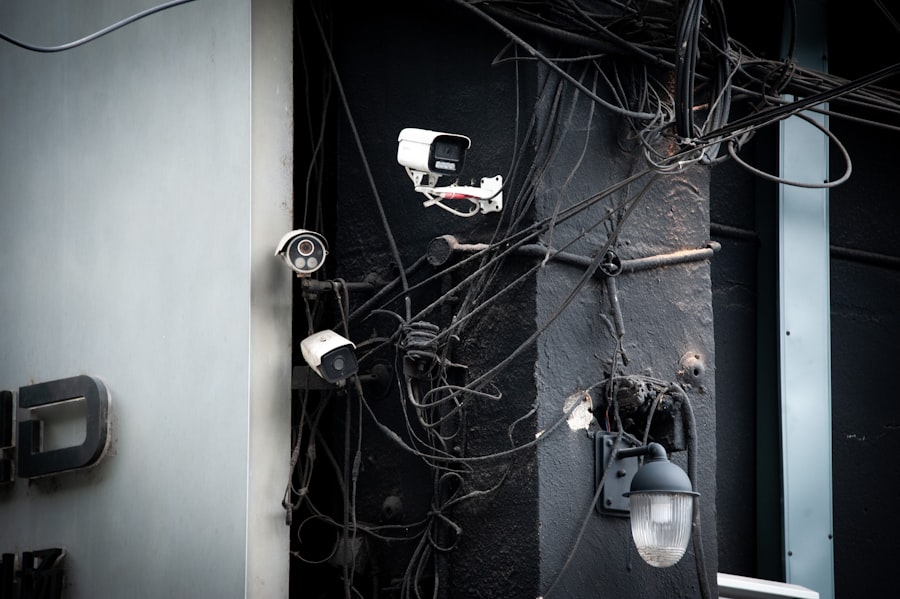
As the Cold War entered its final decades, espionage continued to shape the geopolitical landscape, sometimes influencing the internal dynamics of nations to a profound degree.
Aldrich Ames: A Deep Penetration Agent
Aldrich Ames, a high-ranking CIA officer, stands as one of the most damaging American spies in history. For nearly a decade, he systematically betrayed US intelligence assets and operations to the Soviet Union and, after its collapse, to Russia.
Catastrophic Losses for US Intelligence
Ames’s treachery led to the exposure and execution of numerous CIA agents operating within the Soviet Union, effectively crippling American intelligence-gathering capabilities in the region. His actions were a devastating blow, akin to a vital organ being removed from a functioning body. The ramifications were profound, shaking the confidence within the intelligence community and prompting a massive internal investigation.
Impact on US-Soviet Relations
While the full extent of Ames’s impact on US-Soviet relations is difficult to quantify precisely, his actions undeniably hampered American efforts to understand and influence events in the Soviet Union during a critical period of its decline. The loss of human intelligence sources meant that the United States was operating with a dimmer light in a rapidly changing environment.
Oleg Gordievsky: A Defector’s Insight
In stark contrast to Ames, Oleg Gordievsky, a high-ranking KGB officer, secretly worked as a double agent for British intelligence for over a decade. His intelligence provided invaluable insight into Soviet intentions and capabilities.
Providing Crucial Cold War Intelligence
Gordievsky’s inside knowledge revealed the Soviet Union’s deepest fears and strategic thinking, particularly concerning the prospect of nuclear war. His warnings about Soviet paranoia during a period of heightened international tension, particularly in the early 1980s, were crucial in preventing potential miscalculations. He was a crucial translator of the adversary’s internal monologue, providing context that prevented knee-jerk reactions.
Aiding Western Understanding of the USSR’s Decline
Gordievsky’s insights also offered a glimpse into the internal weaknesses and growing instability within the Soviet Union. His information helped Western intelligence agencies understand the cracks forming beneath the monolithic façade of the communist state, contributing to a more nuanced and ultimately effective approach to the Cold War’s final stages.
The Post-Cold War Era: New Threats, New Spycraft

With the collapse of the Soviet Union, the landscape of espionage shifted, adapting to new geopolitical realities and emerging threats. While the ideological battles subsided, new challenges in the form of terrorism, cyber warfare, and economic espionage quickly came to the fore.
The War on Terror: The Intelligence Imperative
Following the September 11th attacks, intelligence gathering became central to the global “War on Terror.” The focus shifted from state-on-state espionage to tracking non-state actors and preventing acts of terrorism.
Enhanced Surveillance and Data Collection
Governments around the world significantly increased their surveillance capabilities, employing advanced technologies to monitor communications and track suspected terrorists. This era saw the rise of mass data collection programs, sparking intense debates about privacy and government overreach. The digital realm became a new battleground, where data was both a weapon and a shield.
Infiltration and Human Intelligence in New Arenas
Alongside technological surveillance, human intelligence remained critical. Infiltration of terrorist organizations and networks became a high-priority, high-risk endeavor, requiring intelligence operatives to navigate complex cultural and ideological terrain. The goal was to understand the motivations and plans of these groups from within, a task demanding extraordinary courage and skill.
Cyber Espionage: The Digital Frontier
The rise of the internet and digital technologies ushered in a new era of cyber espionage, where national secrets, intellectual property, and even critical infrastructure became targets.
State-Sponsored Hacking
Numerous state actors have been implicated in sophisticated cyber attacks aimed at stealing classified information, disrupting government operations, and gaining economic advantage. From breaches of government databases to the theft of corporate secrets, cyber espionage has become a pervasive and largely hidden form of international competition. This is a war fought not with bullets, but with lines of code, where digital vulnerabilities are exploited to gain strategic advantage.
The Erosion of Economic Security
Economic espionage, often facilitated through cyber means, has become a significant concern. The theft of intellectual property and trade secrets can severely impact a nation’s competitive edge and long-term economic prosperity. This form of espionage represents a silent bleeding of national wealth and innovation, with consequences that are often felt years later.
One of the most significant events in the realm of espionage that changed the course of history was the revelation of the Venona papers, which exposed Soviet spies operating in the United States during the Cold War. This groundbreaking discovery not only confirmed the existence of a vast network of espionage but also reshaped public perception of national security and intelligence operations. For a deeper understanding of how espionage has influenced historical events, you can read more about it in this insightful article on intelligence operations.
Conclusion: The Enduring Shadow of Espionage
| Espionage Event | Year | Country Involved | Impact on History | Key Figure(s) |
|---|---|---|---|---|
| Venona Project | 1943-1980 | USA & USSR | Decrypted Soviet communications revealing spies in the US government, influencing Cold War policies. | Julius and Ethel Rosenberg, Klaus Fuchs |
| Cambridge Five | 1930s-1950s | UK & USSR | British intelligence officers spying for the USSR, compromising Western intelligence during WWII and Cold War. | Kim Philby, Guy Burgess, Donald Maclean |
| Enigma Code Breaking | 1939-1945 | UK & Germany | Breaking Nazi Germany’s Enigma code shortened WWII and saved millions of lives. | Alan Turing, Bletchley Park Team |
| Operation Mincemeat | 1943 | UK & Germany | Deception operation that misled Nazis about Allied invasion plans, aiding the success of the Sicily invasion. | Charles Cholmondeley, Ewen Montagu |
| Atomic Spy Ring | 1940s | USA & USSR | Soviet espionage accelerated USSR’s atomic bomb development, impacting nuclear arms race. | Theodore Hall, Klaus Fuchs |
Throughout history, from the ancient world to the modern digital age, espionage has consistently acted as a hidden engine of change. It is a constant, though often unseen, factor in shaping the geopolitical narrative, a relentless undercurrent that influences visible events.
The examples presented here are but a few brushstrokes on a vast canvas, each one illustrating how the clandestine gathering of information, whether through human sources or technological means, can profoundly impact the trajectory of nations. As the reader, you should consider that behind every major historical event, there may exist a hidden tapestry of intelligence operations, some successful, some disastrous, all contributing to the complex story of human civilization. The shadow of espionage, therefore, remains an enduring and potent force, a constant reminder that power resides not just in overt strength, but also in the quiet whisper of a secret.
FAQs
What is espionage and how has it influenced history?
Espionage is the practice of spying or using spies to obtain secret or confidential information without the permission of the holder of the information. Throughout history, espionage has played a critical role in shaping political decisions, military strategies, and international relations, often altering the outcomes of wars and the balance of power between nations.
Can you name a famous espionage case that changed history?
One of the most famous espionage cases is the Cambridge Five, a group of British spies who passed information to the Soviet Union during and after World War II. Their actions compromised Allied operations and intelligence, significantly impacting Cold War dynamics and trust between Western allies.
How did espionage impact World War II?
Espionage was crucial during World War II, with both the Allies and Axis powers using spies to gather intelligence. Notably, the breaking of the German Enigma code by Allied cryptanalysts provided critical information that helped shorten the war and save countless lives.
What role does espionage play in modern times?
In modern times, espionage continues to be vital for national security, involving cyber spying, surveillance, and intelligence gathering. Governments use espionage to protect against terrorism, cyber attacks, and to maintain strategic advantages in global politics and economics.
Are there legal protections or consequences related to espionage?
Yes, espionage is illegal in most countries and is considered a serious crime. Individuals caught spying can face severe penalties, including imprisonment or even capital punishment, depending on the country and the severity of the offense. International laws and treaties also seek to regulate espionage activities.