The crackle of gunfire was a constant symphony of the Vietnam War, a soundscape that etched itself into the memories of those who fought. Among the cacophony, a particularly terrifying and unpredictable note was the distinct pop of an AK-47 chambering a round, followed by an explosion that was not intended. Exploding AK ammunition, while not a widespread systemic issue that crippled the fighting capability of the Viet Cong or the North Vietnamese Army, represented a significant and deeply unsettling battlefield phenomenon. These incidents, whether caused by faulty manufacturing, improper handling, or a confluence of environmental factors, introduced an element of extreme danger not just to the enemy, but also to the soldiers wielding the iconic Soviet-designed rifle.
The Kalashnikov rifle, particularly the AK-47 and its successor the AKM, became synonymous with revolutionary movements and guerrilla warfare. Its robust design, simplicity of operation, and legendary reliability made it a favored weapon for forces operating in challenging environments. However, the very simplicity that contributed to its widespread adoption also meant that quality control could be inconsistent, especially in nations producing it under license or through less regulated channels. The ammunition it fired, the 7.62x39mm cartridge, was also subject to variations in manufacturing standards.
Origins and Proliferation of the AK-47
The AK-47, designed by Mikhail Kalashnikov, was developed in the Soviet Union in the late 1940s. Its early adoption by the Soviet Army was followed by its extensive distribution to Warsaw Pact nations and then, crucially for the Vietnam War, to communist allies and revolutionary groups worldwide. Its production was licensed to numerous countries, including China, North Korea, and several Eastern European nations, each with their own manufacturing capabilities and quality control processes. This vast and decentralized production network, while ensuring widespread availability, also laid the groundwork for potential inconsistencies in both firearms and ammunition.
The 7.62x39mm Cartridge: A Double-Edged Sword
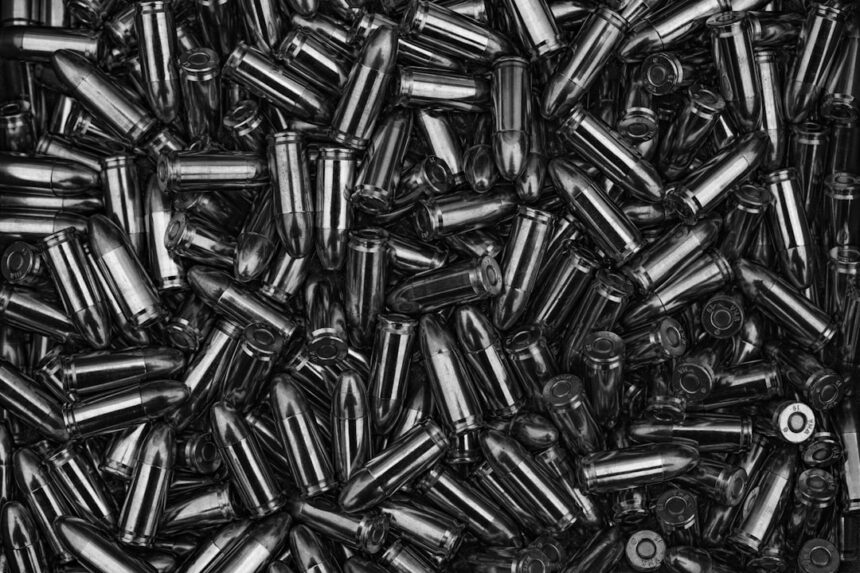
The 7.62x39mm round itself was designed to be a powerful intermediate cartridge, offering a good balance of stopping power and manageable recoil. Its construction, involving a steel case and a relatively large propellant charge, made it potent. However, these same characteristics could become dangerous if manufacturing defects allowed for over-pressure, inconsistent powder burn rates, or improperly seated components. A bullet that was too tightly crimped, powder that was too potent, or a primer that was excessively sensitive could all contribute to a catastrophic failure.
During the Vietnam War, the use of exploding AK ammunition became a controversial topic, raising questions about the ethics and effectiveness of such weaponry in combat. For a deeper understanding of the implications and historical context surrounding this issue, you can read a related article that explores various aspects of military tactics and weaponry during the conflict. Check it out here: Vietnam War Weaponry Insights.
Documented Instances and Battlefield Accounts
While systematic statistical tracking of ammunition failures in the Vietnam War is scarce, fragmented accounts from soldiers, debriefing reports, and historical analyses paint a consistent picture of exploding AKs. These incidents were not isolated curiosities; they were harrowing experiences that could turn a soldier’s most trusted tool into an instrument of their own destruction.
The “Kaboom” Phenomenon
The term “kaboom” became a grim descriptor for when an AK-47 malfunctioned violently. This typically involved a burst barrel, a shattered receiver, or shrapnel flying from the weapon. The sound was often distinct from a normal gunshot, a sharp, percussive blast followed by the metallic shriek of tearing metal. The consequences for the shooter could range from minor burns and cuts to severe injury or death, depending on the force and direction of the expelled fragments.
Soldier Testimonies and Anecdotal Evidence
Veterans who served in Vietnam have shared their experiences, often with a mixture of awe and terror at the unpredictability of the enemy’s weaponry. Stories circulated among units of AKs that exploded in the hands of Viet Cong fighters, leaving them incapacitated. There were also accounts, though less frequently discussed, of allied soldiers who encountered these malfunctions, sometimes even when picking up enemy weapons for examination or use. These personal narratives, while subjective, provide a crucial human element to the technical failings.
The Unpredictable Nature of Capture Weapons
It was not uncommon for soldiers to find and utilize captured enemy weapons. This was especially true for the AK-47, which was often highly sought after by American troops for its perceived ruggedness. However, the ammunition found with these captured weapons was often of unknown origin and quality, increasing the risk of malfunction. A soldier might fire a captured AK with ammunition that had been exposed to the elements, improperly stored, or simply manufactured to lower standards, leading to a devastating outcome.
The Psychological Impact on Soldiers
The knowledge that an enemy weapon could explode unexpectedly had a psychological impact. While American soldiers were trained to maintain their own weapons meticulously and were issued standardized ammunition, they were also aware of the potential dangers posed by the enemy’s arsenal. This awareness contributed to a general sense of unease and a constant vigilance, not just for enemy fire, but for the potential failure of the enemy’s own weapons.
Potential Causes of Ammunition Failure

The catastrophic failures of AK ammunition were not typically attributable to a single cause. Instead, a confluence of factors related to manufacturing, storage, and battlefield conditions likely contributed to these dangerous events. Understanding these potential causes is crucial to appreciating the complexities of the issue.
Manufacturing Defects: The Root of the Problem
The most probable cause for exploding ammunition lies within the manufacturing process. Inconsistent quality control at various production facilities, particularly those churning out vast quantities of ammunition for allied forces, could lead to several critical flaws.
Over-Pressurized Cartridges
One of the most dangerous manufacturing defects is an over-pressurized cartridge. This could occur due to an excessive amount of propellant powder being loaded into the case, or the use of a powder with a faster burn rate than intended. When fired, this excess pressure can exceed the structural limits of the firearm, particularly the barrel and receiver, leading to a catastrophic rupture.
Improperly Seated Bullets or Case Neck Issues
Another potential issue involves the bullet’s seating. If the bullet is seated too deeply, it reduces the available volume within the cartridge case, effectively increasing the pressure when the powder ignites. Conversely, a poorly crimped bullet could allow the bullet to be pushed back into the case during feeding or firing, also leading to over-pressure. Issues with the case neck, such as excessive thickness or weakness, could also contribute to pressure buildup.
Faulty Primers and Propellant
The primer ignites the propellant, and any defect in its composition or assembly could lead to inconsistent ignition or an overly violent reaction. Similarly, inconsistencies in the propellant itself, such as variations in grain size, density, or chemical composition, could result in unpredictable burn rates and thus, unpredictable pressures.
Environmental Factors and Ammunition Degradation
Even if ammunition was manufactured correctly, its condition could deteriorate significantly when exposed to the harsh realities of the Vietnam War’s climate and battlefield conditions.
Moisture and Corrosion
The tropical climate of Vietnam, characterized by high humidity and frequent rainfall, was a constant challenge for all equipment, including ammunition. Moisture could penetrate improperly sealed cartridges, causing the propellant to degrade or the metal components to corrode. Corroded primers could become unstable, leading to premature or unexpected detonation, while degraded propellant might burn unevenly, creating dangerous pressure spikes.
Extreme Temperatures
Both extreme heat and cold can affect the chemical properties of gunpowder. While less common in the tropical heat of Vietnam, fluctuations in temperature, especially if ammunition was stored in uninsulated bunkers or exposed to direct sunlight for extended periods, could alter the burn rate of the propellant, potentially leading to over-pressure conditions.
Physical Damage
Ammunition is not always handled with care, especially in the chaotic environment of a war zone. Cartridges could be dropped, crushed, or otherwise physically damaged. Such damage could compromise the integrity of the case, the seal of the primer, or the seating of the bullet, all of which could contribute to a malfunction when the round is fired.
User Error and Improvised Modifications
While less documented, it is plausible that improper handling or attempts at modification by users could also contribute to ammunition failures.
Overcharging or Tampering
In some extreme cases, individuals might attempt to tamper with ammunition, perhaps to increase its power or for other misguided reasons. This could involve adding more propellant, which would almost certainly lead to dangerous over-pressurization.
Misfires and Re-Chambering Issues
While not directly causing an explosion, repeated attempts to clear a misfire by re-chambering a potentially faulty round could exacerbate underlying issues, leading to a failure. The rough handling of the weapon during a misfire could also contribute to damage to the ammunition.
The Impact on Combat Operations and Soldier Psychology

The exploding AK ammunition, though not a daily occurrence for most soldiers, represented a significant and deeply unsettling aspect of the war. It introduced an element of unpredictability that affected not only the enemy but also, in rare instances, allied forces.
A Tactical Advantage for Allied Forces (Indirectly)
When an enemy soldier’s weapon malfunctioned violently, it incapacitated that soldier and removed them from the fight. This was, in a sense, a tactical advantage for allied forces, as it neutralized an opponent. However, the unpredictable nature of these failures also meant that it was a force that could not be reliably exploited or predicted.
The Terror of Friendly Fire from Enemy Weapons
The most disturbing aspect for allied forces was the rare but horrifying possibility of an exploding enemy weapon causing casualties among their own ranks. This could happen if allied soldiers were examining captured weapons or if an enemy soldier managed to fire their malfunctioning weapon before succumbing to its failure. These instances, while infrequent, would have been deeply traumatizing.
The Psychological Scars of Unpredictability
For soldiers on both sides, the knowledge that a firearm could turn on its user created a pervasive sense of unease. It underscored the inherent dangers of warfare and the fallibility of even the most robust-seeming equipment. The AK-47, often perceived as an almost invincible weapon, was revealed to have a critical vulnerability, adding another layer of fear and uncertainty to the battlefield.
A Constant Reminder of the War’s Brutality
The exploding AK ammunition served as a stark and visceral reminder of the war’s inherent brutality. It was a demonstration that even the tools of warfare were not infallible and that the line between combatant and victim could be incredibly thin. The sound of a “kaboom” was not just a mechanical failure; it was a sound that echoed the wider tragedy of the conflict.
The Unseen Enemy Within the Weapon
For American soldiers, the possibility of encountering an exploding AK ammunition added a unique dimension to their engagement with the enemy. It meant that even when the enemy was defeated or their weapons captured, there was still an unseen threat lurking within those captured arms. This required a heightened level of caution and awareness when dealing with enemy equipment.
During the Vietnam War, the use of exploding AK ammunition became a controversial topic, raising concerns about its effectiveness and ethical implications on the battlefield. For those interested in exploring this subject further, a related article provides an in-depth analysis of the various types of ammunition used during the conflict and their impact on both soldiers and civilians. You can read more about it in this insightful piece on the effects of weaponry in Vietnam.
Legacy and Lessons Learned
| Year | Number of exploding AK ammunition incidents | Location |
|---|---|---|
| 1965 | Unknown | Vietnam |
| 1966 | 37 | Vietnam |
| 1967 | 82 | Vietnam |
| 1968 | 115 | Vietnam |
The phenomenon of exploding AK ammunition in Vietnam, while not a primary focus of military strategy, left an indelible mark on the collective memory of the war. It highlighted the critical importance of robust quality control in arms manufacturing and the devastating consequences of its absence.
The Imperative of Quality Control in Ammunition Production
The incidents served as a potent, albeit harsh, lesson for all arms manufacturers. The reliability and safety of ammunition are paramount, not just for battlefield effectiveness but for the very survival of the soldiers who wield it. Inconsistent manufacturing standards, driven by economic pressures or lax oversight, could have catastrophic and unintended consequences.
The Evolution of Ammunition Testing and Standards
In the aftermath of conflicts like Vietnam, there has been a continuous evolution in the rigorousness of ammunition testing and the establishment of international standards. This includes more sophisticated methods for detecting defects, ensuring consistent propellant loads, and verifying the structural integrity of casings and bullets.
Modern Manufacturing and Quality Assurance
Today’s advanced manufacturing techniques and stringent quality assurance protocols are designed to minimize the risk of such catastrophic failures. Automated inspection systems, precise calibration of machinery, and comprehensive lot testing are all integral to ensuring the safety and reliability of modern ammunition.
The Role of Post-Conflict Analysis
The analysis of battlefield failures, including ammunition malfunctions, plays a crucial role in informing future weapon and ammunition design and production. Debriefing reports, forensic examination of failed components, and historical research all contribute to a deeper understanding of potential weaknesses and the development of countermeasures.
A Continued Cautionary Tale
The exploding AK ammunition in Vietnam stands as a cautionary tale for the global arms industry. It is a stark reminder that while the pursuit of reliable and effective weaponry is essential, it must never come at the expense of safety and quality. The legacy of those terrifying “kabooms” continues to inform the ongoing efforts to ensure that the tools of war are as safe and dependable as possible, even in the most unforgiving of circumstances. The unpredictable nature of these failures underscored the fragility of life on the battlefield and the profound responsibility that accompanies the production and deployment of firearms and their accompanying ammunition.

The Vietnam Plot That Made Soldiers Fear Their Own Guns
FAQs
What is exploding AK ammunition?
Exploding AK ammunition refers to a type of ammunition used during the Vietnam War that was designed to explode upon impact, causing greater damage to the target.
How was exploding AK ammunition used during the Vietnam War?
Exploding AK ammunition was used by the Viet Cong and North Vietnamese forces during the Vietnam War. It was primarily used in AK-47 rifles and other small arms.
Why was exploding AK ammunition used during the Vietnam War?
The use of exploding AK ammunition was intended to increase the lethality of small arms fire, particularly against enemy soldiers and lightly armored vehicles.
Was exploding AK ammunition effective during the Vietnam War?
While exploding AK ammunition was effective in causing greater damage upon impact, its overall impact on the outcome of the war is difficult to quantify.
Is exploding AK ammunition still used today?
Explosive small arms ammunition continues to be used in various forms by military forces around the world, but the specific type used during the Vietnam War may have been replaced by more modern designs.