
The world’s technological advancement and ongoing transition to a greener future hinge on a critical, yet often overlooked, category of resources: strategic minerals. These are not your everyday commodities like iron ore or coal; instead, they encompass a specific set of elements and compounds essential for modern defense, high-tech industries, and the development of renewable energy technologies. Their unique properties, scarcity, and concentrated geopolitical origins make them indispensable building blocks for the 21st century. Understanding the importance of strategic minerals is no longer a niche concern for geologists and policymakers; it is a fundamental requirement for navigating the complexities of global economics, national security, and environmental sustainability.
Strategic minerals are the unseen linchpins of our interconnected world. Their significance extends far beyond their raw material value, permeating every facet of modern economic activity, from the smartphones in our pockets to the satellites that orbit our planet. The definition of a strategic mineral can be fluid, often defined by its criticality to a nation’s industrial base and defense needs, as well as its vulnerability to supply disruptions. These minerals are characterized by a confluence of factors: they are vital for critical industries, difficult or impossible to substitute, their global supply is often concentrated in a limited number of countries, and their extraction and processing can be complex and environmentally sensitive.
Powering the Digital Revolution
The digital revolution, which has redefined communication, information sharing, and entertainment, relies heavily on a diverse array of strategic minerals. The ubiquitous smartphone, a testament to miniaturization and advanced engineering, contains dozens of these critical elements.
Rare Earth Elements (REEs) in Electronics
Rare Earth Elements, a group of 17 chemically similar metallic elements, are particularly crucial for the production of magnets, phosphors, and ceramics used in a vast range of electronic devices. Neodymium and dysprosium, for instance, are essential components of the powerful permanent magnets found in hard drives, electric motors in smartphones, and speakers. Without these REEs, the compact and high-performance electronics we take for granted would simply not exist. The intricate circuitry of our devices also incorporates elements like gallium, used in high-speed processors and LEDs, and indium, vital for the transparent conductive coatings in touchscreens and flat-panel displays.
Lithium and Cobalt in Battery Technology
The burgeoning demand for rechargeable batteries, the lifeblood of portable electronics and electric vehicles, places immense importance on minerals like lithium and cobalt. Lithium, extracted from brines and hard rock deposits, is the cornerstone of lithium-ion batteries, powering everything from laptops to electric cars. Cobalt, often a byproduct of copper and nickel mining, is critical for stabilizing the cathode of lithium-ion batteries, enhancing their energy density and lifespan. The increasing electrification of transportation and the ongoing need for energy storage solutions for renewable grids amplify the demand for these battery metals to unprecedented levels.
Fueling the Green Transition
The global imperative to combat climate change and transition to a low-carbon economy has elevated the importance of strategic minerals to a new stratospheric level. Renewable energy technologies, while offering a sustainable alternative to fossil fuels, are inherently mineral-intensive.
Critical Minerals for Wind Turbines
Wind turbines, the towering structures that harness kinetic energy from the wind, are significant consumers of strategic minerals. The powerful magnets in direct-drive turbines, which eliminate the need for gearboxes and reduce maintenance, are rich in neodymium, praseodymium, and dysprosium. The sheer scale of offshore wind farms, with their massive turbines and extensive substructures, translates into a substantial demand for these rare earth magnets. Furthermore, the copper wiring and alloys used throughout the turbine’s electrical systems, from the generator to the transmission lines, add to the mineral footprint of this vital renewable energy source.
Solar Panels and Their Mineral Needs
Similarly, solar photovoltaic (PV) panels, which convert sunlight directly into electricity, require a range of specialized minerals. While silicon is the primary semiconductor material, other strategic minerals play supporting roles. Cadmium telluride, for instance, is used in some thin-film solar cells, offering a cost-effective alternative to silicon. Indium and gallium are also employed in certain types of high-efficiency solar cells. The widespread adoption of solar power, from rooftop installations to vast solar farms, necessitates a consistent and scalable supply of these constituent materials.
The Foundation of National Security and Defense
Beyond civilian applications, strategic minerals are fundamental to national security and the capability of modern defense systems. The advanced technologies employed by military forces, from sophisticated weaponry to secure communication networks, are all dependent on these critical elements.
Advanced Metallurgy and Defense Applications
High-strength alloys, crucial for aircraft, armored vehicles, and naval vessels, often incorporate strategic minerals like titanium and cobalt. Titanium, known for its exceptional strength-to-weight ratio and corrosion resistance, is indispensable in aerospace engineering. Cobalt contributes to the heat resistance and durability of superalloys used in jet engines and gas turbines. The pursuit of lighter, stronger, and more resilient military hardware directly translates into an increased reliance on these specialized metals.
Electronics in Defense Systems
The intricate electronics that underpin modern defense systems – including radar, missile guidance systems, sophisticated communication equipment, and cybersecurity infrastructure – are replete with strategic minerals. Rare Earth Elements are vital for the high-performance magnets in guidance systems and the sensitive electronic components in radar arrays. Gallium arsenide, a compound semiconductor, is used in high-frequency electronics, essential for military communications and electronic warfare. The obsolescence of certain military technologies and the continuous drive for technological superiority necessitate a secure and stable supply of these minerals to maintain a strategic advantage.
In the context of strategic minerals, understanding their significance in global markets and national security is crucial. For a deeper exploration of this topic, you can refer to the article on strategic minerals explained, which provides insights into their importance and the geopolitical implications surrounding them. To read more, visit this article.
Geopolitical Implications and Supply Chain Vulnerabilities
The concentration of strategic mineral reserves and processing facilities in a limited number of countries creates significant geopolitical implications and inherent supply chain vulnerabilities. This geographic concentration often leads to a delicate balance of power, where a few nations wield considerable influence over global access to these essential resources.
The Dominance of Certain Nations
Currently, China holds a dominant position in the global supply chain for many strategic minerals, particularly rare earth elements. This dominance stems from its extensive reserves, advanced processing capabilities, and a historically strong government policy aimed at securing its position in these critical markets. Other significant producers of various strategic minerals include Australia (lithium, rare earths), the Democratic Republic of Congo (cobalt), Chile (lithium, copper), and Russia (nickel, palladium). This concentration presents a clear vulnerability for consumer nations, as any disruption in these key exporting countries, whether due to political instability, trade disputes, or natural disasters, can have cascading and severe impacts on global supply.
The Risk of Supply Chain Disruptions
Supply chain disruptions are a tangible and significant risk for nations dependent on imported strategic minerals. These disruptions can manifest in various forms:
Trade Wars and Tariffs
During periods of geopolitical tension, trade wars and the imposition of tariffs can directly impact the cost and availability of strategic minerals. Such actions can lead to price volatility, making it difficult for industries to plan and invest, and potentially forcing them to seek more expensive or less efficient alternatives.
Political Instability and Conflict
Regions with significant mineral reserves are not always characterized by political stability. Internal conflicts, changes in government policy, or civil unrest can halt mining operations, disrupt transportation routes, and lead to a sudden cessation of exports, creating immediate shortages and driving up prices on the global market.
Environmental Regulations and Public Opposition
Mining operations, especially those for strategic minerals, can be environmentally intensive. Stricter environmental regulations or strong public opposition to new mining projects in certain regions can lead to delays or the outright cancellation of extraction plans. This can further exacerbate supply concerns, particularly in countries with already limited proven reserves.
Infrastructure Limitations
In some resource-rich developing nations, inadequate infrastructure, such as a lack of reliable transportation networks, energy supply, or processing facilities, can hinder the efficient extraction and export of strategic minerals, even if substantial reserves exist. This can create Bottlenecks in the supply chain and affect the global availability of these materials.
Strategies for Securing Strategic Mineral Supply Chains

Recognizing the critical importance of strategic minerals and the inherent vulnerabilities in their supply chains, nations and industries are actively pursuing strategies to ensure a more secure and resilient future. These strategies encompass a multi-pronged approach, focusing on diversification, innovation, and responsible resource management.
Diversification of Sources
A fundamental principle of supply chain security is diversification, and this applies equally to strategic minerals. Reducing reliance on any single source country is paramount.
Investment in New Exploration and Extraction
Governments and private companies are increasingly investing in exploration and extraction projects in politically stable regions with untapped mineral potential. This includes supporting research into more efficient and environmentally sound mining techniques to make previously uneconomical deposits viable.
Developing Domestic Resources
For countries with existing mineral reserves, there is a renewed focus on developing domestic extraction and processing capabilities. This not only reduces reliance on imports but can also stimulate local economies and create jobs. However, this often requires significant capital investment and careful consideration of environmental impacts.
International Cooperation and Partnerships
Building strong international partnerships is crucial for diversifying supply. This can involve engaging with a wider range of producing countries, fostering collaborative research and development initiatives, and establishing long-term supply agreements that promote stability and predictability.
Advancing Recycling and the Circular Economy
The concept of a circular economy, which emphasizes reuse, repair, and recycling, holds immense potential for alleviating the pressure on primary mineral extraction. Strategic minerals, often found in high-value products like electronics and batteries, are prime candidates for recycling.
Technological Advancements in Urban Mining
Significant progress is being made in developing advanced recycling technologies, often referred to as “urban mining.” These technologies focus on efficiently recovering valuable metals from discarded electronics, batteries, and other waste streams. The goal is to create economically viable processes that can extract these critical elements with minimal environmental impact.
Designing for Recyclability
A proactive approach to resource management involves designing products with recyclability in mind from the outset. This means simplifying product construction, using fewer types of materials where possible, and ensuring that components containing strategic minerals are easily accessible for disassembly and recovery.
Policy and Incentives for Recycling
Governments can play a vital role in promoting recycling by enacting supportive policies and providing incentives. This can include extended producer responsibility schemes, tax credits for recycling facilities, and public awareness campaigns to encourage consumer participation in e-waste recycling programs.
Innovation in Material Science and Substitution
Continuous innovation in material science offers the potential to reduce reliance on certain scarce minerals or to find viable substitutes. This involves not only developing new materials but also optimizing the use of existing ones.
Developing Less Mineral-Intensive Technologies
Researchers are actively exploring alternative technologies that require fewer strategic minerals. For example, advancements in battery chemistry are aiming to reduce or eliminate the need for cobalt in electric vehicle batteries. Similarly, research is underway to develop magnets for renewable energy systems that utilize less rare earth material.
Exploring Substitutes and Novel Alloys
The development of new alloys and composite materials that can perform the same functions as those relying on strategic minerals is another critical area of innovation. This could involve utilizing more abundant elements or developing entirely new material classes with desirable properties.
Environmental and Social Considerations in Strategic Mineral Extraction
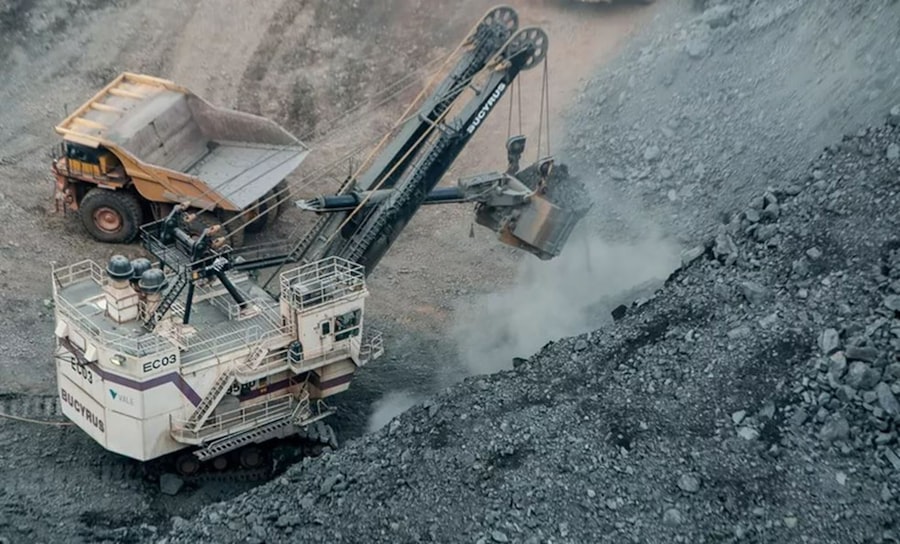
The extraction and processing of strategic minerals are not without their environmental and social challenges. Responsible stewardship of these resources requires a commitment to minimizing negative impacts and ensuring that the benefits of mineral development are shared equitably.
The Environmental Footprint of Mining
Mining operations, by their nature, can have significant environmental consequences. These can include habitat disruption, water contamination, soil erosion, and the generation of large volumes of waste rock and tailings.
Water Management and Pollution Control
The extraction of minerals often requires substantial amounts of water, and the potential for water pollution from mining sites is a major concern. Implementing robust water management plans, including efficient water recycling and advanced wastewater treatment, is crucial to mitigate these risks.
Waste Management and Land Rehabilitation
The management of mining waste, particularly tailings, which can contain residual chemicals and heavy metals, is a critical environmental challenge. Proper containment, monitoring, and eventual land rehabilitation after mining operations cease are essential to prevent long-term environmental damage.
Energy Consumption and Greenhouse Gas Emissions
The energy-intensive nature of mining and processing operations contributes to greenhouse gas emissions. Efforts to reduce this footprint include utilizing renewable energy sources to power mining facilities and optimizing energy efficiency in all aspects of operations.
Social License to Operate and Community Engagement
Beyond environmental concerns, the social impact of strategic mineral extraction is equally important. Securing a “social license to operate” requires building trust and fostering positive relationships with local communities.
Indigenous Rights and Land Tenure
For many strategic mineral deposits, mining operations may impact the traditional lands of indigenous communities. Respecting indigenous rights, ensuring Free, Prior, and Informed Consent (FPIC), and engaging in meaningful consultation are essential for responsible development.
Economic Opportunities and Benefit Sharing
Strategic mineral projects can bring significant economic opportunities to local communities, including job creation and infrastructure development. However, ensuring that these benefits are shared equitably, through fair wages, local employment preferences, and community development initiatives, is crucial for long-term social harmony.
Health and Safety Standards
Maintaining high health and safety standards for mine workers and surrounding communities is paramount. This includes implementing rigorous safety protocols, providing adequate training, and ensuring access to healthcare and emergency services.
Strategic minerals play a crucial role in modern technology and national security, making them a topic of great interest. For a deeper understanding of their significance and the geopolitical implications surrounding them, you can explore a related article that delves into these aspects in detail. This informative piece can be found at this link, where you will discover insights into how these minerals are essential for various industries and the challenges associated with their supply chains.
The Future of Strategic Minerals: Navigating Challenges and Opportunities
| Mineral | Use | Production |
|---|---|---|
| Lithium | Batteries, ceramics | Top producers: Australia, Chile, China |
| Rare Earth Elements | Electronics, magnets | Top producers: China, United States, Australia |
| Cobalt | Batteries, superalloys | Top producers: Democratic Republic of Congo, Australia, Philippines |
| Tantalum | Electronics, aerospace | Top producers: Australia, Brazil, Canada |
The demand for strategic minerals is projected to continue its upward trajectory, driven by the ongoing global transition to a sustainable economy and the persistent need for advanced technologies. Navigating the future of strategic minerals will require a delicate balancing act between meeting this demand and addressing the associated environmental, social, and geopolitical challenges.
Emerging Technologies and Their Mineral Appetites
The next wave of technological innovation will undoubtedly introduce new mineral requirements or amplify existing ones. Advancements in areas such as artificial intelligence, quantum computing, and advanced materials will necessitate a continuous assessment of the strategic mineral landscape. For example, the development of next-generation batteries for everything from electric aircraft to grid-scale energy storage will place further demands on lithium, cobalt, and potentially other novel battery chemistries that may rely on different critical elements.
Increased Geopolitical Competition and Resource Nationalism
As the importance of strategic minerals becomes more pronounced, geopolitical competition for access to these resources is likely to intensify. This could manifest as increased resource nationalism, where countries with significant reserves seek to exert greater control over their resources and potentially limit exports to protect their own industries or exert political leverage. This could lead to further supply chain volatility and drive up global prices.
The Role of Policy and International Governance
Effective policy frameworks and international governance mechanisms will be crucial in managing the future of strategic minerals. This includes fostering transparency in resource ownership and extraction, establishing international standards for environmental and social responsibility, and developing mechanisms for dispute resolution.
International Agreements and Frameworks
The establishment of international agreements and frameworks that promote fair trade, resource sharing, and responsible extraction practices can help to mitigate geopolitical tensions and ensure a more stable global supply. This could involve collaborative efforts to map global reserves, share best practices, and develop common standards for environmental and social impact assessments.
Investment in R&D and Innovation
Continued investment in research and development is essential to unlock new solutions. This includes developing new exploration technologies, improving extraction and processing efficiencies, advancing recycling techniques, and discovering novel materials and substitutes. Public-private partnerships will be critical in driving this innovation agenda.
The importance of strategic minerals in the 21st century cannot be overstated. They are the invisible pillars upon which our modern world is built, from the digital devices that connect us to the renewable energy systems that promise a sustainable future. Understanding their criticality, acknowledging the inherent vulnerabilities in their supply chains, and proactively pursuing strategies for their responsible and secure procurement are not merely economic or geopolitical considerations; they are fundamental to securing our collective future. The challenges are significant, but with foresight, innovation, and a commitment to collaboration, the world can unlock the opportunities presented by these essential resources while minimizing their potential drawbacks.

China’s Invisible Chokehold on Modern Weapons
FAQs
What are strategic minerals?
Strategic minerals, also known as critical minerals, are natural resources that are essential for the economic and national security of a country. These minerals are used in various industries such as defense, technology, and energy.
Why are strategic minerals important?
Strategic minerals are important because they are essential for the production of high-tech devices, renewable energy technologies, and defense systems. They play a crucial role in maintaining a country’s competitiveness and security in the global market.
Which minerals are considered strategic?
Some examples of strategic minerals include rare earth elements, lithium, cobalt, and graphite. These minerals are used in the production of electronics, batteries, and advanced materials, making them vital for modern technologies.
How are strategic minerals sourced?
Strategic minerals are sourced through mining and extraction processes. They are often found in specific geological formations and require specialized techniques for extraction. Some countries may also rely on imports to meet their strategic mineral needs.
What are the challenges associated with strategic minerals?
Challenges associated with strategic minerals include supply chain vulnerabilities, geopolitical tensions over access to resources, environmental concerns related to mining, and the need for sustainable sourcing practices. These challenges highlight the importance of strategic mineral management and diversification of supply sources.