The Unseen Foundation: African American Servicemen in WWII Britain
The narrative of World War II is often painted with broad strokes, focusing on iconic battles, strategic maneuvers, and the triumphant return of victorious armies. Yet, within this grand tapestry, countless threads of individual courage and sacrifice remain underexplored. Among these are the experiences of African American servicemen who served in Britain during the Second World War. Deployed to a nation grappling with its own wartime challenges, these men, often facing a dual struggle against foreign adversaries and ingrained racial prejudice, played a crucial, though frequently overlooked, role in the Allied war effort. Their presence, their labor, and their resilience contributed significantly to the eventual victory, shaping both the military landscape and, in subtle yet profound ways, the social fabric of wartime Britain.
During World War II, African American servicemen played a crucial role in the Allied efforts, often facing both external enemies and internal challenges related to racism and segregation. A related article that delves deeper into the experiences of these brave individuals in Britain during the war can be found at this link. This article highlights their contributions, struggles, and the impact they had on the social dynamics of the time, providing a comprehensive look at a significant yet often overlooked aspect of history.
Forge of Logistics and Labor: The Crucial Role of Support Services

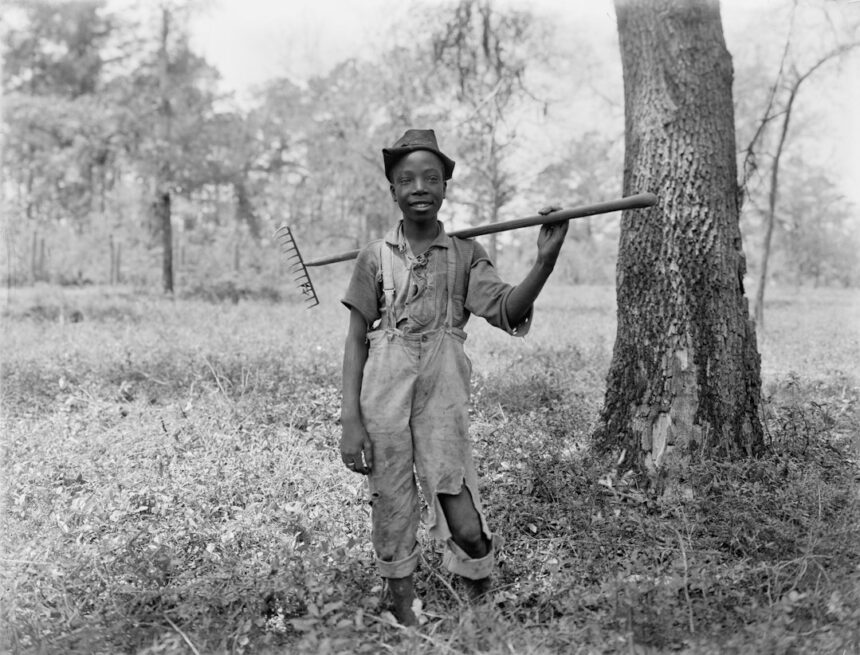
The sheer volume of American military personnel and matériel required to prosecute the war in Europe necessitated a monumental logistical undertaking. African American soldiers, disproportionately assigned to support roles, formed the backbone of this intricate network. Their tireless efforts in ports, airfields, and supply depots were not glamorous, but they were absolutely essential. Without their dedication to loading ships, maintaining vehicles, building infrastructure, and ensuring the smooth flow of supplies, the fighting forces would have been severely hampered. These men were the unseen architects of victory, their sweat and determination fueling the advance of Allied troops across the continent.
From Piers to Pipelines: The Unsung Labor of the Docks
The sprawling ports of Britain became a critical nexus for the influx of American troops and the constant stream of war materiel. African American stevedore battalions, such as the 751st Amphibious Port Operations Company, worked around the clock in often hazardous conditions. They unloaded ammunition, heavy equipment, food, and medical supplies, the lifeblood of the war effort. Their labor was physically demanding, often under the constant threat of air raids and the corrosive effects of saltwater. Despite the vital nature of their work, these units were rarely highlighted in official war reporting, their contributions largely confined to the ledger books of logistical success rather than the annals of heroic combat. The sheer scale of the operation meant that thousands of these men spent their days and nights ensuring that the fighting divisions received what they needed, when they needed it. Their commitment was unwavering, a testament to their understanding of the stakes involved.
Groundwork for the Skies: Airfield Construction and Maintenance
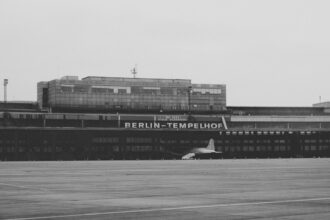
The expansion of air power was a cornerstone of Allied strategy. African American engineers and maintenance crews were instrumental in constructing and maintaining the vast network of airfields across Britain. They cleared land, poured concrete, built hangars, and serviced aircraft, enabling Allied air superiority. The 950th Engineer Maintenance Company, for example, was one of many units that toiled to keep the planes flying. These men worked with precision and dedication, understanding that the success of bombing raids and air support missions depended on the airworthiness of every aircraft. The deafening roar of bombers taking off and the constant hum of activity on the airfields were, in part, a testament to their relentless efforts on the ground. Their contribution was foundational, allowing the aerial assault on Axis targets to be sustained and effective.
The Backbone of the Rear: Quartermaster and Transportation Corps
Beyond the immediate front lines, the Quartermaster Corps and Transportation Corps, heavily populated by African American soldiers, ensured the logistical arteries of the war remained open. They managed vast quantities of supplies, from uniforms and rations to spare parts and fuel. African American truck drivers navigated treacherous roads, often under blackout conditions, delivering vital supplies to forward units. Their role was as critical as any combat soldier’s; a breakdown in supply chains could have dire consequences. These men were the unsung heroes who kept the war machine moving, their quiet efficiency a critical component of the Allied victory. Their commitment to delivering goods on time and in good condition, despite the inherent dangers and long hours, was remarkable.
Encounters and Exchanges: African Americans and Wartime Britain
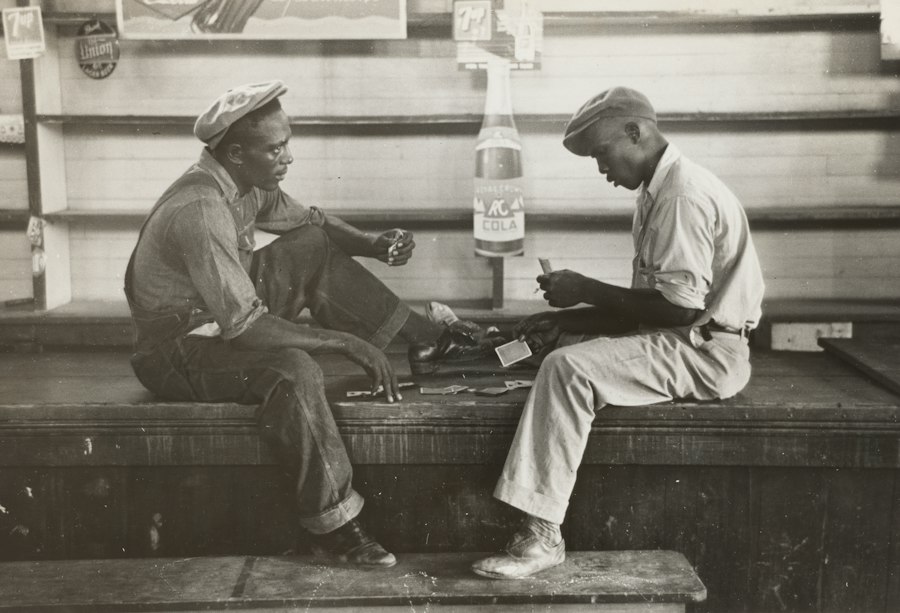
The arrival of hundreds of thousands of American servicemen in Britain brought about a unique cultural and social exchange. For African Americans, many of whom had experienced segregation and discrimination in their own country, Britain offered a different, though not entirely devoid of prejudice, societal landscape. This interaction led to a complex interplay of expectations, realities, and evolving attitudes, leaving an indelible mark on both communities.
A Glimpse of a Different World: Interactions and Perceptions
For many African American soldiers, Britain presented a stark contrast to the deeply entrenched racial segregation they knew at home. While instances of discrimination and prejudice did occur, stemming from American attitudes brought overseas, the overall experience was often perceived as less overtly oppressive. British society, while not without its own class and social hierarchies, did not enforce racial segregation in the same systematic and legal manner. This difference allowed for interactions, friendships, and even romantic relationships that would have been unthinkable in many parts of the United States. Stories abound of Black soldiers being welcomed in pubs and social gatherings where they would have been barred back home. This experience offered a potent glimpse of what a more equitable society might look like, fueling aspirations for change upon their return.
The Complexities of Race Relations: American Influence and British Realities
The presence of American troops did not, however, erase racial tensions. The U.S. military implemented its own segregationist policies in Britain, creating separate barracks and facilities for Black and white soldiers. This American imposition of racial division was met with confusion and, in some cases, outright disapproval from the British public. Some British citizens actively challenged these segregationist policies, offering hospitality and social engagement to Black soldiers, much to the chagrin of some American military officials. The interaction was a dynamic one, with American racial attitudes clashing with British social norms, leading to a nuanced and often challenging reality for all involved. The British press sometimes highlighted these racial disparities, inadvertently drawing attention to the discriminatory practices of their allies.
Cultural Bridges and Lasting Impressions
Despite the complexities, the presence of African American servicemen fostered a degree of cultural exchange. American music, slang, and popular culture permeated British society, and in turn, British culture influenced the soldiers. Soldiers shared stories, experiences, and perspectives, creating a broader understanding between the two nations. For many in Britain, their encounters with African American servicemen challenged preconceived notions and contributed to a growing awareness of the injustices faced by Black people in America. These interactions, though often on the periphery of grand military narratives, were crucial in forging deeper human connections and leaving lasting impressions on individuals and communities. The musical talents of some African American soldiers, in particular, often found appreciative audiences, bridging cultural divides through shared enjoyment.
Beyond the Battlefield: Cultural Contributions and Social Impact
The impact of African American servicemen in Britain extended beyond their direct military duties. Their presence influenced cultural spheres, challenged social norms, and contributed to a nascent understanding of racial equality that would resonate long after the war. They were not just soldiers; they were cultural ambassadors, whether by design or by circumstance.
Musical Rhythms and Cultural Exchange
The vibrant music of African American culture found receptive ears in wartime Britain. Jazz, blues, and swing music, brought by the servicemen, became popular and offered a much-needed source of entertainment and solace during the dark days of war. Many Black soldiers were talented musicians themselves, forming bands and performing for both American and British audiences. These musical performances fostered a sense of unity and provided a common ground for cultural understanding. The impact of these sounds on British popular music and social life was significant, laying some of the groundwork for the post-war explosion of rhythm and blues. The shared experience of listening to and dancing to this music helped to break down social barriers and foster a sense of camaraderie.
Challenging Prejudices and Inspiring Change
The very presence of African American soldiers in Britain, interacting with British civilians on a more equal footing than they often experienced at home, served as a powerful, albeit unintentional, challenge to racist ideologies. Their professionalism, camaraderie, and individual achievements offered tangible evidence that contradicted racist stereotypes. This direct exposure had a profound impact on many Britons, contributing to a growing recognition of the inherent dignity and worth of all people, regardless of race. While the war effort itself was the primary focus, the social dynamics created by the presence of these servicemen subtly sowed seeds of change, inspiring a more critical examination of racial injustice. Stories of Black soldiers bravely serving their country, demonstrating intelligence and skill, chipped away at ingrained prejudices.
A Legacy of Shared Experience
The experiences of African American servicemen in Britain, though often relegated to the footnotes of history, contributed to a shared legacy of wartime cooperation and cultural exchange. Their sacrifices, their labor, and their interactions left an indelible mark on both the United States and Great Britain. Understanding their contributions is essential to a complete and nuanced appreciation of the Second World War and its far-reaching consequences. The stories of these men offer a powerful reminder of the complex human dimensions of global conflict and the enduring quest for equality. Their legacy is a testament to resilience, courage, and the profound impact of human connection across borders and seemingly insurmountable divides.
During World War II, African American servicemen played a crucial role in the Allied efforts, often facing both the challenges of combat and the harsh realities of segregation. Their contributions in Britain were significant, as they not only fought bravely but also helped to challenge racial stereotypes in a foreign land. For a deeper understanding of their experiences and the impact they had during this pivotal time, you can explore a related article that sheds light on their stories and struggles. This insightful piece can be found here.
The Enduring Echoes: Remembering the Unsung Heroes
| Metric | Data/Value | Notes |
|---|---|---|
| Number of African American Servicemen in Britain | Approximately 150,000 | Served in various branches including Army Air Forces and support units |
| Primary Roles | Support, logistics, and combat roles | Many served as mechanics, drivers, and in medical units; some in combat |
| Racial Segregation | Enforced | Units were segregated; African American troops often served in separate units |
| Interaction with British Civilians | Generally positive | British civilians were less segregated and more accepting compared to the US |
| Impact on Civil Rights | Significant | Experiences in Britain influenced post-war civil rights movements in the US |
| Notable Units | 332nd Fighter Group (“Tuskegee Airmen”) | Famous African American fighter pilots who served in Europe including Britain |
As the years have passed, the contributions of African American servicemen in World War II Britain have slowly begun to receive the recognition they deserve. Research, oral histories, and dedicated preservation efforts are bringing their stories to light, ensuring that their sacrifices are not forgotten. Their experiences offer valuable lessons about the complexities of war, the insidious nature of prejudice, and the enduring power of human resilience and connection.
Bringing Stories to Light: Historical Rediscovery and Recognition
In recent decades, historians and researchers have undertaken the crucial task of uncovering and preserving the stories of African American servicemen in Britain. Through meticulous archival research, interviews with veterans and their families, and the collection of personal artifacts, a richer and more complete picture of their wartime experiences is emerging. This rediscovery is vital for correcting the historical record and ensuring that future generations understand the full scope of contributions made during the war. Institutions and organizations are increasingly dedicated to highlighting these narratives, moving them from the margins to the center of historical understanding.
Memorialization and Ongoing Research
Efforts to memorialize the contributions of these unsung heroes are ongoing. Museums, historical societies, and community groups are working to create exhibits, publish accounts, and establish monuments that honor their service. Continued research is essential to uncover further details, understand the nuances of their interactions, and fully appreciate the impact of their presence. The complexities of their experiences, from the logistical brilliance of their labor to the subtle shifts in social attitudes they inspired, demand ongoing scholarly attention. The enduring echoes of their service are a powerful reminder of the diverse tapestry of individuals who contributed to the Allied victory.
A Complete Picture of Sacrifice and Service
Recognizing the role of African American servicemen in WWII Britain is not merely an act of historical correction; it is an essential step in achieving a more complete and accurate understanding of the Second World War. Their story is interwoven with the broader narrative of the conflict, highlighting the universal struggle against tyranny and the persistent fight for equality. By acknowledging their often-overlooked contributions, we gain a deeper appreciation for the immense scale of the war effort and the diverse human experiences that shaped its outcome. These men, who served with distinction in a land far from home, are a vital part of the Allied victory and deserve to be remembered as the unsung heroes they truly were. Their stories serve as a powerful testament to the courage and resilience of those who fought for a better future, both on the battlefield and in the quiet everyday battles against injustice.
His WWII GI Father Was a Mystery for Nearly 80 Years
FAQs
What role did African American servicemen play in Britain during WWII?
African American servicemen played a crucial role in Britain during WWII, serving in various capacities such as combat troops, support staff, and in specialized units.
How many African American servicemen served in Britain during WWII?
Approximately 1.2 million African American servicemen served in Britain during WWII, contributing significantly to the war effort.
Were African American servicemen segregated from white servicemen in Britain during WWII?
Yes, African American servicemen were segregated from white servicemen in Britain during WWII, facing discrimination and unequal treatment despite their service.
Did African American servicemen face racism and discrimination in Britain during WWII?
Yes, African American servicemen faced racism and discrimination in Britain during WWII, both within the military and in society at large.
What impact did African American servicemen have on race relations in Britain during WWII?
The presence of African American servicemen in Britain during WWII had a significant impact on race relations, sparking discussions and debates about equality and civil rights in both countries.