The Cold War, a period defined by ideological struggle, proxy conflicts, and the ever-present specter of nuclear annihilation, continues to cast a long shadow over the 21st century. While many historical accounts focus on the grand pronouncements of leaders and the pivotal battles, “Chilling Tales: Cold War History Documentary” ventures into the murkier, often unseen realms that shaped the anxieties and actions of millions. This comprehensive documentary series, presented in stark and compelling detail, does not merely recount events; it seeks to unearth the psychological underpinnings, the clandestine operations, and the chilling realities that made the Cold War a truly global phenomenon of pervasive fear. It is a journey through a landscape of paranoia, propaganda, and strategic maneuvering, revealing how the conflict seeped into the fabric of everyday life, influencing art, culture, and the very way individuals perceived their world.
Echoes of Iron: Setting the Stage for a Divided World
The initial episodes of “Chilling Tales” meticulously lay the groundwork for understanding the genesis of the Cold War, moving beyond simplistic narratives of American versus Soviet. The series highlights the complex geopolitical landscape emerging from the ashes of World War II, emphasizing the fundamental ideological chasm that opened between the former allies. It portrays the Soviet Union’s inherent suspicion of Western capitalist expansionism, fueled by historical grievances and a Marxist-Leninist worldview that saw capitalism as inherently exploitative and destined for collapse. Simultaneously, it illustrates the American fear of communist ideology spreading like a contagion, a fear amplified by the perceived threat of Soviet expansionism and the Soviet Union’s growing nuclear arsenal.
The Seeds of Distrust: Post-War Power Vacuums
The documentary effectively illustrates how the power vacuums left by the collapse of Nazi Germany and Imperial Japan became fertile ground for burgeoning tensions. The Yalta and Potsdam conferences, often depicted as moments of attempted cooperation, are presented here as sites where irreconcilable differences and competing visions for the post-war world began to solidify. The series delves into the differing interpretations of agreements regarding the future of Eastern Europe, showcasing how Soviet actions, such as the installation of communist regimes, were viewed by the West as a betrayal of promises and an aggressive encroachment on democratic principles. Conversely, the Soviet perspective is explored, highlighting their perceived need for a buffer zone against future Western aggression, a notion rooted in centuries of invasion from the West.
The Ideological Divide: Capitalism vs. Communism
“Chilling Tales” excels in articulating the fundamental philosophical and economic divergences that fueled the Cold War. It avoids presenting one ideology as inherently superior, instead focusing on how each side genuinely believed in the righteousness and ultimate triumph of their own system. The documentary explores the core tenets of Marxism-Leninism, emphasizing its promise of equality and liberation from capitalist exploitation, and contrasts it with the American ideals of individual liberty, free markets, and democratic governance. The series meticulously unpacks how these differing worldviews were not abstract intellectual exercises but deeply ingrained beliefs that shaped policy, propaganda, and the perception of the “enemy.” The “us vs. them” mentality, a hallmark of the Cold War, is shown to have been deeply rooted in these clashing ideologies.
For those interested in delving deeper into Cold War history, a fascinating article can be found at this link: Cold War Strategies and Their Impact on Modern Politics. This article explores various strategies employed during the Cold War and examines their lasting effects on contemporary international relations, making it a valuable resource for anyone looking to understand the complexities of this pivotal era in history.
The Shadow Wars: Espionage, Propaganda, and the Art of Deception
A significant portion of “Chilling Tales” is dedicated to the clandestine operations and psychological warfare that characterized the Cold War. The documentary shines a spotlight on the intelligence agencies – the CIA, the KGB, MI6, and others – presenting them not as faceless organizations but as complex networks of individuals engaged in a high-stakes game of cat and mouse. The series explores the methods and motivations behind espionage, from human intelligence gathering and technical surveillance to outright sabotage and political subversion. The psychological dimension of the Cold War is a recurring theme, with the documentary examining how propaganda was weaponized to shape public opinion, demonize the enemy, and maintain domestic unity in the face of perceived external threats.
Masters of Disinformation: The Propaganda Machine
The documentary provides a chillingly detailed account of the pervasive nature of propaganda during the Cold War. It showcases how both sides skillfully utilized every available medium – film, radio, television, printed materials, and even covertly funded cultural exchanges – to promote their own narratives and discredit the opposition. The series analyzes iconic propaganda films and posters, dissecting their visual language and the psychological triggers they employed. It highlights how propaganda was used to foster a sense of national unity, justify military spending, and cultivate a climate of fear that made the populace more receptive to government policies. The “us vs. them” rhetoric, as mentioned, was a constant drumbeat, ensuring that the lines between good and evil were clearly, and often simplistically, drawn.
The Invisible Battlefield: Intelligence Agencies at Work
“Chilling Tales” brings to life the shadowy world of espionage, revealing the daring exploits and devastating consequences of intelligence operations. The documentary delves into famous spy cases, such as the U-2 incident, the defection of Soviet agents, and the intricate networks of double agents that blurred the lines of loyalty and deception. It explores the development of sophisticated surveillance technologies, the psychological manipulation employed in interrogations, and the ethical quandaries faced by intelligence operatives. The series emphasizes that these were not merely abstract games played by spies; their actions had profound geopolitical ramifications, often escalating tensions and influencing the course of major international events. The narrative often portrays these intelligence agencies as possessing a near-mythical ability to influence events from behind the scenes, amplifying the sense of unseen forces at play.
The Art of Psychological Warfare: Minds Under Siege
Beyond overt actions, “Chilling Tales” dedicates significant attention to the psychological dimension of the Cold War. The documentary explores how both superpowers sought to influence the minds of their own populations and those in enemy territories. This included techniques like “white propaganda” (overtly stated messages from a known source) and “black propaganda” (deceptive messages attributed to a false source), as well as the more insidious “grey propaganda” (messages where the source is ambiguous). The series examines the impact of fearmongering, the creation of scapegoats, and the manipulation of anxieties surrounding nuclear war. The goal was not just to win battles but to win hearts and minds, or at least to sow enough doubt and discord within the opposing bloc to weaken its resolve. The documentary effectively illustrates how this psychological warfare created a climate of pervasive anxiety and suspicion.
The Brink of Annihilation: Nuclear Paranoia and the Arms Race
The most visceral and terrifying aspect of the Cold War, the nuclear arms race, is explored with unflinching detail in “Chilling Tales.” The documentary meticulously traces the development of nuclear weapons, from the initial atomic bombs dropped on Japan to the creation of the hydrogen bomb and the subsequent proliferation of nuclear arsenals. It highlights the constant threat of mutual assured destruction (MAD), a concept that, while intended to prevent war, created a perpetual state of existential dread. The series showcases the immense human cost of nuclear testing, the environmental consequences, and the profound psychological impact of living under the constant shadow of nuclear war.
The Dawn of the Atomic Age: Hiroshima and Nagasaki
The documentary begins this section by revisiting the devastating bombings of Hiroshima and Nagasaki, not just as historical events but as the terrifying genesis of the nuclear age. It explores the scientific and political decisions that led to their use, and the profound ethical debates that continue to this day. The chilling footage and testimonies presented serve as a stark reminder of the destructive power unleashed, a power that would forever alter the nature of warfare and international relations. The series emphasizes how these events immediately instilled a deep sense of fear and awe regarding the capabilities of this new weapon.
The Mushroom Cloud’s Embrace: The Arms Race Escalates
“Chilling Tales” vividly portrays the escalating arms race between the United States and the Soviet Union. The documentary showcases the technological advancements, the strategic thinking behind developing increasingly powerful and numerous nuclear weapons, and the sheer economic and human resources poured into this competition. It delves into the concept of “deterrence” and the precarious balance of power that emerged from the constant threat of retaliation. The series illustrates how the development of intercontinental ballistic missiles (ICBMs) and nuclear submarines meant that the threat of nuclear attack was no longer geographically limited, amplifying the global sense of vulnerability. The sheer scale of the build-up is presented as almost incomprehensible, a testament to the pervasive fear and distrust that fueled it.
Living Under the Shadow: The Fear of Annihilation
The documentary masterfully conveys the pervasive psychological impact of living under the constant threat of nuclear war. It explores the civil defense programs, the “duck and cover” drills, and the anxieties that permeated society. The series features interviews with individuals who lived through this era, their personal accounts painting a vivid picture of the fear and uncertainty that shaped their lives. The documentary highlights how the abstract concept of nuclear war became a tangible and ever-present fear, influencing everything from children’s games to artistic expression. The “chill” of the Cold War is perhaps most palpable in these personal narratives, conveying the profound human cost of this existential threat.
The Proxy Frontlines: Conflicts Fueled by Superpower Rivalry
While the Cold War was primarily an ideological and geopolitical struggle between the US and the USSR, it manifested in numerous proxy wars around the globe. “Chilling Tales” dedicates significant attention to these conflicts, showcasing how the superpowers manipulated and supported opposing sides, turning regional disputes into battlegrounds for their broader ideological war. The documentary highlights the devastating human cost of these conflicts, the civilian casualties, and the long-lasting scars left on the nations involved. It illustrates how the Cold War, despite its “cold” moniker, was anything but for the millions caught in the crossfire.
Korea: The First Hot War
The Korean War is presented as a critical turning point, the first major “hot” conflict of the Cold War. The documentary details the division of Korea, the North Korean invasion, and the subsequent intervention by the United Nations (primarily US forces) and later Chinese forces. “Chilling Tales” emphasizes how this war served as a testing ground for both superpowers, demonstrating their willingness to commit significant military resources to prevent the perceived spread of their opponent’s ideology. The narrative highlights the brutal nature of the fighting and the immense suffering of the Korean people, who were caught in the middle of this global struggle.
Vietnam: A Nation Torn Apart
The Vietnam War receives extensive coverage, depicted as a long, costly, and deeply divisive conflict. The documentary explores the complex history of Vietnam, the struggle for independence from French colonial rule, and the subsequent intervention of the United States to prevent a communist takeover. “Chilling Tales” delves into the controversial aspects of the war, including the use of controversial tactics, the growing anti-war movement in the United States, and the eventual withdrawal of American forces. The series emphasizes how the Vietnam War became a potent symbol of the limitations of superpower intervention and the devastating consequences of proxy conflicts.
Afghanistan and Beyond: The Global Chessboard
The documentary also examines other proxy conflicts, including the Soviet-Afghan War and numerous interventions and coups in Latin America, Africa, and the Middle East. It illustrates how the superpowers used a combination of military aid, financial support, and covert operations to influence the outcomes of these conflicts, often with destabilizing long-term consequences. “Chilling Tales” underscores the idea that the Cold War was a global chessboard, with smaller nations often becoming pawns in the larger game between the United States and the Soviet Union. The complex web of alliances and interventions is meticulously laid out, showcasing the far-reaching tentacles of the Cold War.
For those interested in exploring the intricate dynamics of Cold War history, a fascinating article can be found that delves into the espionage tactics employed during this tense period. This piece not only highlights key events but also examines the psychological warfare that shaped international relations. You can read more about these intriguing aspects of the Cold War in the article available at In the War Room.
The Thaw and the Aftermath: Legacies of a Divided World
The final episodes of “Chilling Tales” transition to the later stages of the Cold War, exploring the periods of détente, the eventual collapse of the Soviet Union, and the complex legacies that persist today. The documentary examines the internal pressures that contributed to the Soviet Union’s demise, including economic stagnation, political dissent, and the unsustainable costs of the arms race. It also highlights the role of key figures and movements that pushed for change. The series concludes by reflecting on the enduring impact of the Cold War on global politics, international relations, and the collective psyche of those who lived through it.
The Winds of Change: Gorbachev and Perestroika
The documentary focuses on the pivotal role of Mikhail Gorbachev and his reformist policies of Perestroika and Glasnost. “Chilling Tales” explores how these attempts to revitalize the Soviet system ultimately unleashed forces that led to its disintegration. The series showcases the growing demands for democracy and independence within the Soviet bloc and the eventual fall of the Berlin Wall, a symbolic moment marking the end of an era. The unraveling of Soviet power is presented not as a sudden event but as a complex process driven by internal contradictions and external pressures.
The Iron Curtain Falls: A New World Order?
The fall of the Berlin Wall and the subsequent dissolution of the Soviet Union are portrayed as watershed moments. The documentary analyzes the immediate aftermath, the hopes for a more peaceful and cooperative world, and the challenges that emerged with the transition to new political and economic systems. “Chilling Tales” also examines the lingering tensions and resentments that continued to shape international relations in the post-Cold War era. The series subtly suggests that while the overt conflict may have ended, the underlying dynamics and historical narratives continued to influence global affairs.
Echoes in the Present: The Enduring Legacy
In its concluding segments, “Chilling Tales” offers a thought-provoking reflection on the enduring legacy of the Cold War. The documentary explores how the geopolitical landscapes, the technological advancements born from the arms race, and the psychological scars of living under constant threat continue to shape the world today. It examines the rise of new global powers, the resurgence of nationalistic sentiments, and the ongoing challenges of international cooperation in a world that, while no longer divided by a single ideological binary, still grapples with the ghosts of a divided past. The series leaves the viewer with a profound understanding that the “chill” of the Cold War was not merely a historical period but a formative experience that continues to reverberate through contemporary society, a chilling reminder of how fear and ideology can shape the destiny of nations.
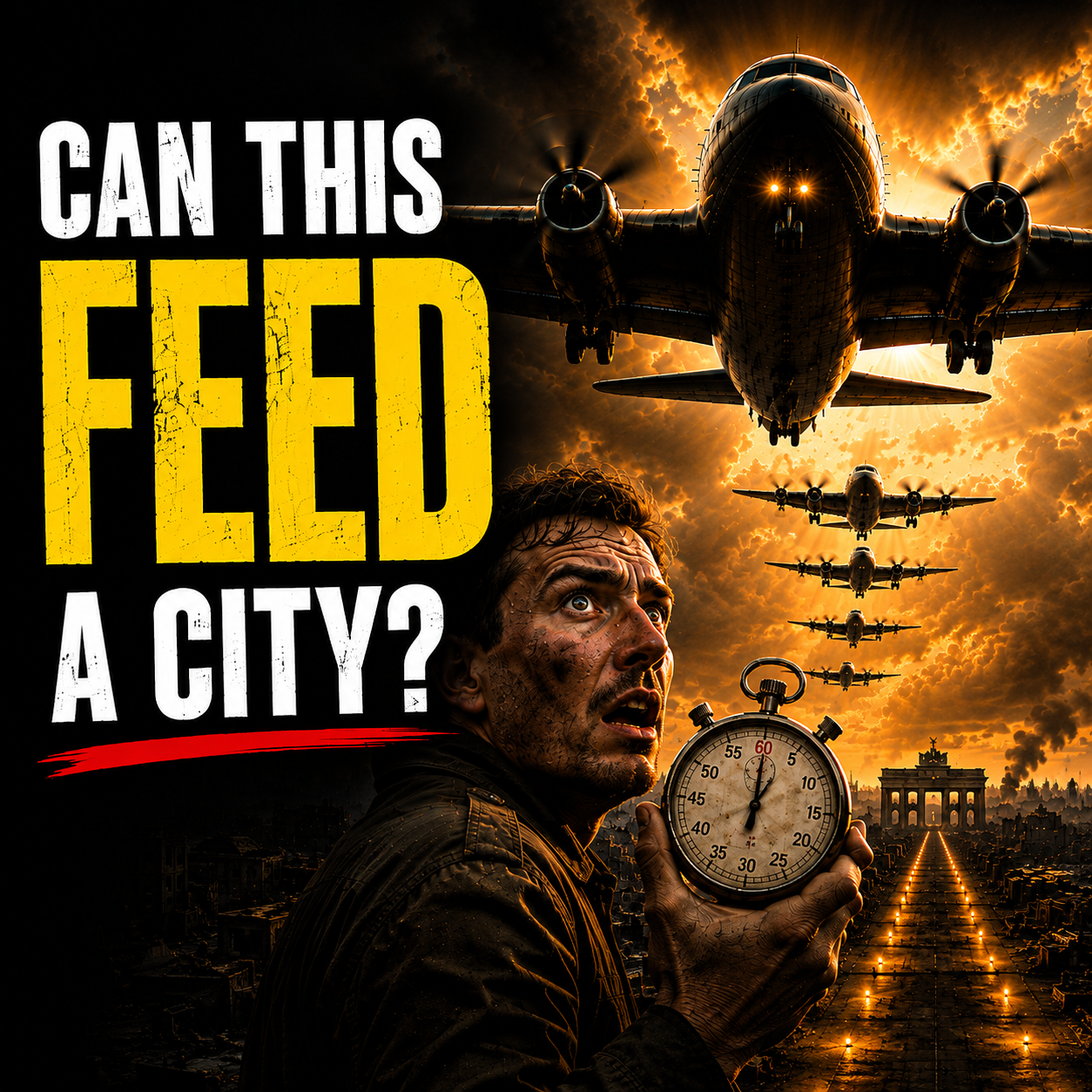
How 90 Seconds Kept 2 Million People Alive
FAQs
What is the Cold War history documentary about?
The Cold War history documentary explores the political, military, and ideological rivalry between the United States and the Soviet Union, which lasted from the end of World War II in 1945 until the dissolution of the Soviet Union in 1991.
What are some key events covered in the Cold War history documentary?
The documentary covers key events such as the Berlin Airlift, the Cuban Missile Crisis, the Korean War, the Vietnam War, the construction of the Berlin Wall, and the arms race between the two superpowers.
Who are the main figures featured in the Cold War history documentary?
The documentary features prominent political leaders such as Joseph Stalin, Harry Truman, Dwight D. Eisenhower, Nikita Khrushchev, John F. Kennedy, Richard Nixon, and Ronald Reagan, as well as key military and intelligence figures from both sides.
What is the significance of the Cold War in world history?
The Cold War had a profound impact on global politics, economics, and culture, shaping the post-World War II world order and leading to the division of Europe into Western and Eastern blocs. It also influenced the development of nuclear weapons and the space race.
Where can I watch the Cold War history documentary?
The Cold War history documentary is available for streaming on various platforms such as Netflix, Amazon Prime Video, and Hulu, as well as for purchase on DVD and Blu-ray. Check your local listings for availability.