The vast, frozen expanse of the Arctic has long been a region of strategic interest, but in recent years, Russia’s military presence there has become a focal point of global geopolitical analysis. The ongoing conflict in Ukraine has amplified concerns and reoriented perspectives on this critical theater, prompting a closer examination of Russia’s motivations, capabilities, and the implications for regional and international security. This article delves into Russia’s evolving military posture in the Arctic, exploring the historical context, the strategic drivers, the specific military assets deployed, and the potential consequences of this assertive approach, particularly in light of the Ukrainian crisis.
Russia’s relationship with the Arctic is deeply rooted in history, dating back to the explorations and territorial claims of the Tsarist era and the Soviet Union. For centuries, the Northern Sea Route, a vital maritime passage, has been of immense economic and strategic importance to the nation. However, the contemporary era has witnessed a deliberate and systematic militarization of the region, a shift that gained significant momentum following the collapse of the Soviet Union and accelerated in the 2010s.
The Soviet Legacy and Post-Soviet Decline
During the Cold War, the Soviet Union maintained a substantial military presence in the Arctic, viewing it as a crucial buffer zone and a platform for projecting power. This included naval bases, airfields, and a significant concentration of strategic nuclear assets. The dissolution of the Soviet Union led to a period of economic hardship and a reduction in military funding, resulting in the neglect and decay of many Arctic military installations. This decline was a temporary setback, however, as Russia gradually began to recognize the renewed strategic and economic potential of its Arctic territories.
Russia’s Arctic Revival: A Renewed Focus on the North
The early 2000s marked a turning point. Russia’s economic recovery, coupled with the increasing global awareness of the Arctic’s untapped natural resources and the potential for year-round navigation through the Northern Sea Route due to climate change, spurred a renewed focus on the region. This revival was not solely economic; it was inextricably linked to a resurgent sense of national pride and a desire to reassert its influence on the global stage. The military dimension of this revival became increasingly apparent as Russia invested heavily in modernizing and expanding its Arctic military infrastructure.
Strategic Importance of the Northern Sea Route
The Northern Sea Route (NSR) is a central pillar of Russia’s Arctic strategy. This passage, stretching from the Atlantic to the Pacific along the Russian coast, offers a significantly shorter transit time compared to traditional routes through the Suez Canal. As Arctic sea ice recedes, the NSR is becoming increasingly navigable, presenting both economic opportunities and strategic challenges. For Russia, controlling and securing this route is paramount for its economic development and for projecting its military power. The potential for increased commercial shipping also necessitates a robust military presence to ensure security and deter potential threats.
Resource Extraction and Economic Imperatives
The Arctic is estimated to hold vast reserves of oil, natural gas, and other valuable minerals. Russia, with its extensive Arctic coastline, is uniquely positioned to exploit these resources. The economic imperative to secure these future revenue streams is a significant driver behind its military buildup. Protecting these offshore platforms, pipelines, and extraction sites from potential sabotage or external interference is a primary concern for the Russian government.
The ongoing conflict between Ukraine and Russia has significant implications beyond the immediate battlefield, particularly in the Arctic region where military strategies are evolving. For a deeper understanding of how the war is influencing Russia’s military posture in the Arctic, you can read the article titled “Russia’s Arctic Military Expansion Amidst the Ukraine Conflict” available at this link. This article explores the strategic importance of the Arctic for Russia and how the war in Ukraine is reshaping its military ambitions in this critical area.
Military Modernization and Infrastructure Development
Russia’s military modernization program in the Arctic has been comprehensive, encompassing the reactivation of old Soviet-era bases, the construction of new facilities, and the deployment of advanced military hardware. This has been a calculated and sustained effort, demonstrating a long-term commitment to establishing dominance in the region.
Reactivation and Expansion of Soviet-Era Bases
Numerous Soviet-era military bases that had fallen into disrepair have been systematically renovated and expanded. These include airfields, naval facilities, and radar stations, many of which are strategically located to cover key maritime and air approaches to Russia’s Arctic coastline. The reactivation of these bases allows Russia to quickly re-establish a significant military footprint without the need to build entirely new infrastructure from scratch.
Key Strategic Locations
- Severomorsk: The primary base for Russia’s Northern Fleet, located on the Kola Peninsula, has undergone significant upgrades, enhancing its capacity to host and deploy a range of naval assets, including submarines and surface warships.
- Tiksi: This Arctic port town has seen renewed investment in its airfield and naval facilities, positioning it as a crucial logistics hub and potential operational base for air and maritime operations.
- Nagurskoye (Alexandria Island): This remote airbase on Franz Josef Land has been extensively modernized, transforming it into a strategic outpost capable of projecting air power deep into the Arctic.
Construction of New Military Facilities
Beyond reactivating existing sites, Russia has also embarked on the construction of entirely new military installations. These include advanced radar sites for early warning, communication hubs, and logistical support facilities. The development of these new facilities underscores a proactive approach to securing its Arctic territories and extending its operational reach.
Polar Airfields and Radar Networks
The establishment of “polar airfields” capable of operating in extreme weather conditions allows for sustained air operations and rapid deployment of forces. These airfields are often complemented by sophisticated radar networks that provide comprehensive surveillance of air and maritime traffic in the vast Arctic expanse.
Integration of Advanced Military Technology
The deployment of advanced military technology is a hallmark of Russia’s Arctic modernization. This includes ice-capable naval vessels, advanced submarines, fighter jets modified for Arctic operations, and sophisticated electronic warfare systems.
Ice-Capable Naval Vessels
Russia has been actively building and deploying ice-class warships and icebreakers, essential for operating in the harsh Arctic environment. These vessels can navigate through thick ice, providing crucial support for naval operations, logistics, and search and rescue missions. The development of nuclear-powered icebreakers is particularly noteworthy, enhancing Russia’s ability to keep the Northern Sea Route open for longer periods.
Submarine Force Modernization
The Arctic is a critical theater for submarine operations, particularly for strategic deterrence. Russia has a significant and highly capable submarine force, including both nuclear-powered ballistic missile submarines (SSBNs) and attack submarines. The Northern Fleet plays a crucial role in protecting these submarines as they operate in Arctic waters, and the modernization of these vessels is a key priority.
Air Power in the Arctic
Russia has adapted its air force for Arctic operations, deploying fighter jets and bombers that can operate in extreme cold and low-visibility conditions. These aircraft are crucial for air defense, maritime patrol, and power projection. The development of specialized equipment and training for Arctic air operations is ongoing.
Russia’s Military Capabilities in the Arctic
The military capabilities that Russia has been cultivating in the Arctic are multifaceted and designed to address a range of potential scenarios, from territorial defense to power projection. The Ukrainian conflict, while focusing attention elsewhere, has not diminished the strategic importance Russia places on its Arctic military buildup.
Ground Forces and Arctic Warfare Training
While the Arctic is often perceived as a maritime and air domain, Russia has also been strengthening its ground force presence and developing specialized units for Arctic warfare. This includes troops trained for operating in extreme cold, snow, and icy conditions, equipped with specialized gear and vehicles.
Specialized Arctic Brigades
Russia has established and is expanding specialized Arctic brigades, trained in tactics and survival techniques for the region. These units are equipped with all-terrain vehicles, snowmobiles, and advanced cold-weather gear, enabling them to conduct operations in challenging environments.
Military Exercises and Drills
Regular military exercises, such as “Arctic Challenge,” are conducted to test and refine the capabilities of these forces. These drills often involve combined arms operations, simulating scenarios such as defending coastal areas or conducting amphibious assaults.
Air Defense and Surveillance Systems
A robust air defense network is essential for protecting Russia’s vast Arctic territories. This includes early warning radar systems, surface-to-air missile batteries, and fighter aircraft.
Integrated Air Defense Networks
Russia is developing an integrated air defense network across its Arctic region, linking radar sites, command and control centers, and air defense units. This network is designed to provide comprehensive coverage and rapid response capabilities against potential aerial threats.
Advanced Radar and Surveillance Technology
The deployment of advanced radar systems, including over-the-horizon radar, allows for the detection of targets at long ranges. Satellite surveillance and reconnaissance aircraft also play a crucial role in monitoring activity in the Arctic.
Naval Power Projection and Arctic Dominance
The Arctic is a vital area for Russia’s naval power, particularly for its submarine force and its ability to project power into the North Atlantic and Pacific.
Submarine Operations and Deterrence
The Arctic Ocean is a critical operating environment for Russia’s nuclear-armed submarines, forming a key component of its strategic nuclear deterrent. The ability to operate these submarines undetected under the ice is a significant advantage.
Surface Fleet Operations and Patrols
Russia’s Northern Fleet is actively engaged in patrols and exercises in Arctic waters, demonstrating its presence and asserting its interests. This includes the deployment of frigates, destroyers, and other surface combatants capable of operating in icy conditions.
Implications of the Ukraine War on Russia’s Arctic Military Presence

The ongoing conflict in Ukraine has had a multifaceted impact on Russia’s military presence in the Arctic, influencing resource allocation, strategic priorities, and international perceptions. While the focus remains on the Ukrainian frontlines, the Arctic continues to be a theatre where Russia seeks to consolidate its influence and capabilities.
Resource Reallocation and Potential Strain
The immense financial and material costs of the war in Ukraine inevitably place a strain on Russia’s overall military budget. This raises questions about the extent to which Russia can sustain its ambitious Arctic military modernization programs. Some observers suggest that resources may be diverted from Arctic projects to support the war effort. However, the strategic importance of the Arctic to Russia’s long-term vision likely ensures that critical Arctic initiatives will continue, albeit potentially with some adjustments in pace.
Prioritization of Key Arctic Projects
Despite resource constraints, Russia is likely to prioritize key Arctic projects that are deemed essential for its national security and economic interests. This could include the continued development of the Northern Sea Route, the modernization of its nuclear submarine fleet operating in the Arctic, and the maintenance of its advanced air defense systems.
Impact on Procurement and Development Cycles
The war may lead to delays in the procurement of new military hardware for Arctic forces or a slower pace of development for certain technologies. However, the development and deployment of indigenous Arctic military capabilities, which are often less reliant on foreign components, may be less affected.
Geopolitical Realignment and Increased NATO Scrutiny
The conflict in Ukraine has led to a significant geopolitical realignment, with NATO member states becoming increasingly vigilant about Russian military activities, including those in the Arctic. This increased scrutiny is likely to intensify, potentially leading to greater NATO cooperation and military presence in the Arctic region.
Enhanced NATO Surveillance and Monitoring
NATO allies, particularly those with Arctic coastlines such as Norway, Canada, and the United States, are likely to increase their surveillance and monitoring of Russian military movements in the region. This could involve enhanced aerial and maritime patrols, as well as greater intelligence gathering.
Strengthened Arctic Defense Postures by NATO Members
Some NATO members may also strengthen their own Arctic defense postures, investing in new capabilities and reorganizing their forces to better address potential threats from Russia in the High North. This could include the development of specialized Arctic warfare units and the acquisition of ice-capable naval vessels.
The Arctic as a Separate Strategic Theater
While the war in Ukraine dominates headlines, Russia continues to view the Arctic as a distinct and crucial strategic theater. Its military presence there is driven by long-term geopolitical and economic objectives that are not directly linked to the immediate conflict. Russia’s commitment to securing its Arctic territories and asserting its dominance in the region is likely to remain unwavering.
Continued Emphasis on Sovereignty and Control
Russia’s emphasis on sovereignty and control over its Arctic territories remains a core tenet of its policy. This includes the protection of its maritime borders, the assertion of its rights over the continental shelf, and the secure navigation of the Northern Sea Route. The military presence is a vital tool for realizing these objectives.
The Arctic’s Role in Russia’s Broader Geopolitical Strategy
The Arctic is not an isolated concern for Russia; it is integrated into its broader geopolitical strategy. A strong military presence in the Arctic allows Russia to project power beyond its borders, enhance its diplomatic leverage, and secure its strategic interests in a region of growing global importance.
As the conflict in Ukraine continues to evolve, Russia’s military activities in the Arctic have garnered significant attention. The strategic importance of the Arctic region has led to increased military presence and exercises by Russia, raising concerns among NATO allies. For a deeper understanding of this situation, you can read a related article that explores the implications of Russia’s Arctic ambitions in the context of the ongoing war in Ukraine. This insightful piece can be found here.
Future Trajectories and Potential Escalation Risks
| Metrics | Data |
|---|---|
| Number of Russian troops deployed | Estimated to be tens of thousands |
| Ukrainian military strength in the Arctic | Limited due to focus on eastern front |
| Strategic importance of Arctic in the conflict | Control of shipping routes and natural resources |
| International response to Russian Arctic military activity | Concern and calls for de-escalation |
The interplay between Russia’s assertive Arctic military posture and the ongoing geopolitical tensions, exacerbated by the conflict in Ukraine, creates a complex and potentially volatile future for the region. Understanding these trajectories and potential escalation risks is crucial for maintaining stability.
The Northern Sea Route as a Flashpoint
The Northern Sea Route, as it becomes more navigable, is increasingly likely to become a point of contention. Russia’s insistence on its right to control and regulate passage, coupled with the growing interest of other nations in utilizing this strategic waterway, could lead to friction.
Increased Commercial Shipping and Russian Assertions
As commercial shipping increases along the NSR, Russia’s assertiveness in enforcing its regulations and demanding fees could lead to disputes. The potential for incidents involving foreign vessels and Russian patrol forces is a real concern.
Military Patrols and Sovereignty Disputes
Both Russia and other Arctic nations are increasing their military patrols in the region. This increased presence, combined with overlapping claims and differing interpretations of international law, could inadvertently lead to misunderstandings and escalations.
The Interplay of Arctic and Global Security
The developments in the Arctic military sphere are not isolated. They are intrinsically linked to broader global security concerns and the overall balance of power. Russia’s military activities in the Arctic can be seen as an extension of its broader assertiveness on the international stage, amplified by the ongoing conflict in Ukraine.
The Arctic as a Domain of Great Power Competition
The Arctic is increasingly becoming a domain of great power competition, with Russia, the United States, Canada, and other nations all seeking to protect and advance their interests. The militarization of the region by Russia further fuels this competition.
The Impact on Arms Control and De-escalation Efforts
The growing militarization of the Arctic could pose challenges for existing arms control regimes and make future de-escalation efforts more difficult. The establishment of new military infrastructure and the deployment of advanced weapons systems create a more entrenched and potentially confrontational security environment.
The Role of Diplomacy and International Cooperation
Despite the rising tensions, diplomatic channels and international cooperation remain vital for managing the complexities of the Arctic. The Arctic Council, while facing challenges due to the suspension of cooperation with Russia, serves as a forum for dialogue and collaboration on non-military issues.
Maintaining Dialogue on Non-Military Issues
Even amidst heightened geopolitical tensions, continued dialogue on issues such as environmental protection, scientific research, and search and rescue capabilities is essential for the safety and stability of the Arctic.
The Need for Clear Communication and Transparency
Greater transparency and clear communication regarding military activities in the Arctic are crucial for reducing misunderstandings and preventing accidental escalations. This could involve confidence-building measures and agreements on military operational protocols.
In conclusion, Russia’s military presence in the Arctic, significantly amplified by its strategic calculations and the ongoing conflict in Ukraine, represents a complex and evolving security landscape. The extensive modernization of its military infrastructure, the deployment of advanced capabilities, and the strategic importance of the region for resource extraction and the Northern Sea Route all contribute to a climate of heightened geopolitical interest and potential concern. While the immediate focus remains on the conflict in Ukraine, the implications of Russia’s Arctic ambitions extend far beyond its immediate borders, shaping regional security dynamics and contributing to a broader global reassessment of the High North. The future trajectory of this military presence will undoubtedly be a critical factor in the broader geopolitical stability of the 21st century.
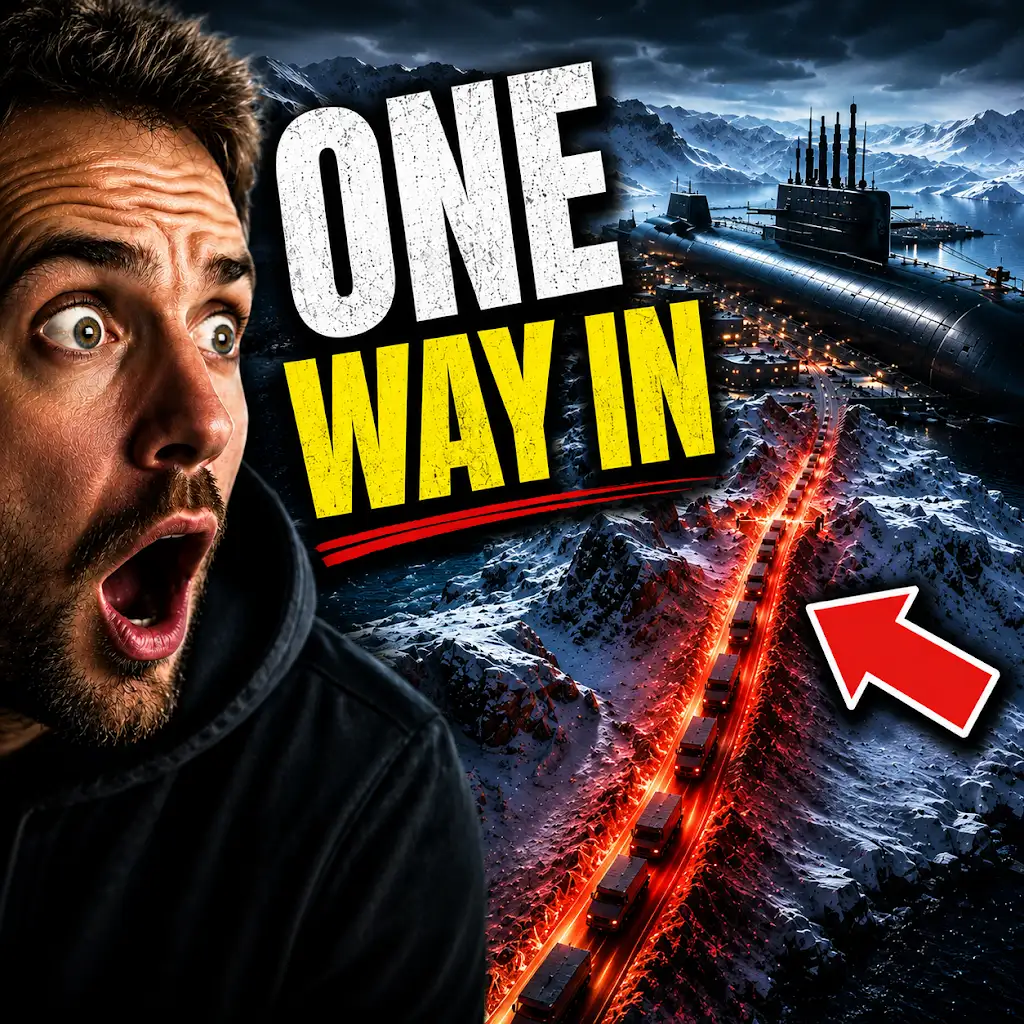
Russia’s Nuclear Submarines Depend on This Arctic Lifeline
FAQs
What is the current situation of the Ukraine war?
The Ukraine war began in 2014 when Russia annexed Crimea and has since escalated into an ongoing conflict between Ukrainian forces and Russian-backed separatists in eastern Ukraine.
How is Russia involved in the Arctic military?
Russia has been increasing its military presence in the Arctic region, reopening old Soviet-era bases and establishing new ones. This is part of Russia’s strategy to assert its dominance in the Arctic and protect its interests in the region.
What are the implications of the Ukraine war on the Arctic military situation?
The Ukraine war has led to increased tensions between Russia and Western countries, including NATO members. This has implications for the Arctic military situation as it could potentially lead to a militarization of the region and an escalation of military activities.
What is the significance of the Arctic region in the context of the Ukraine war?
The Arctic region is strategically important due to its natural resources, shipping routes, and potential for military advantage. As the Ukraine war continues, the Arctic region has become a focal point for geopolitical competition and military buildup.
How are other countries responding to Russia’s military activities in the Arctic?
Other countries, particularly NATO members and Arctic Council states, are closely monitoring Russia’s military activities in the Arctic and are taking steps to enhance their own military presence in the region. This includes increased military exercises, surveillance, and cooperation among Arctic states.