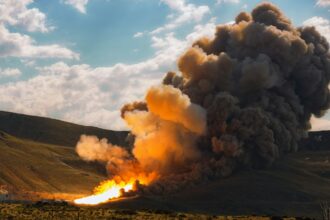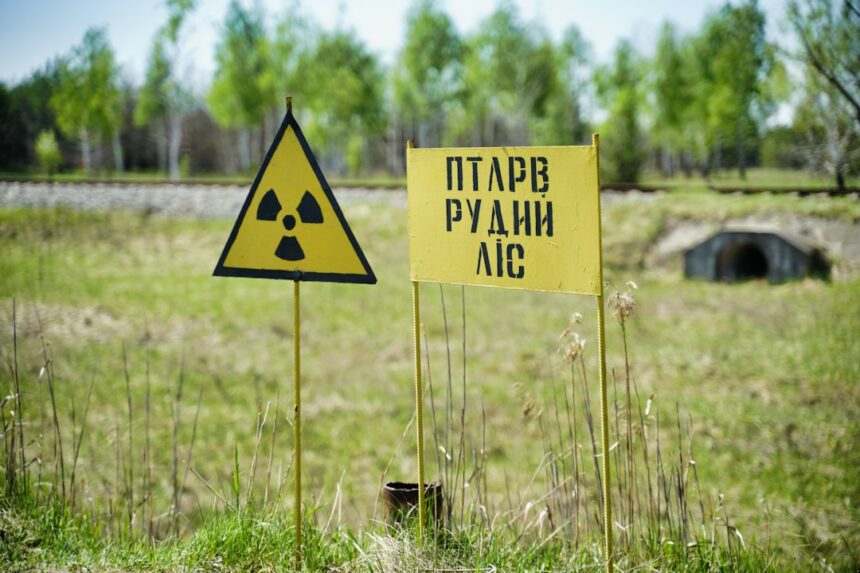
The hum of atomic power, once hailed as the dawn of a new era, has left an indelible, and often devastating, mark on the planet and its inhabitants. Nuclear testing, a hallmark of the Cold War and subsequent geopolitical maneuvering, was conducted with a fervent, albeit myopic, focus on military might. The immediate objective was the demonstration of destructive capability, a terrifying spectacle played out in vast deserts, remote islands, and even the upper atmosphere. However, beneath the mushroom clouds and the blinding flashes lay a complex tapestry of unforeseen consequences, weaving a legacy of environmental degradation and profound human health crises that continue to unfold decades later.
The Invisible Residue: Radioactive Contamination
The most immediate and persistent environmental legacy of nuclear testing is radioactive contamination. When a nuclear device detonates, it unleashes an immense amount of energy, vaporizing its immediate surroundings and creating a searing fireball. This fireball entrains vast quantities of soil, rock, and debris, which are then lofted into the atmosphere as radioactive fallout. The nature and extent of this fallout are dictated by the yield of the weapon, the altitude of detonation, and prevailing weather patterns.
Atmospheric Detonations and Global Spread
Early nuclear tests, particularly those conducted in the 1950s and early 1960s, often involved atmospheric detonations. These explosions were designed to test weapons under realistic battlefield conditions, but they also ensured that radioactive particles were dispersed globally. Wind currents carried these particles across continents and oceans, depositing them in ecosystems far removed from the testing sites. This widespread distribution meant that even nations not directly involved in testing were exposed to radioactive fallout. Isotopes like Iodine-131, Cesium-137, and Strontium-90, with their relatively short to medium half-lives, were among the most concerning. Iodine-131, for instance, quickly enters the food chain through uptake by plants and then consumption by animals and humans, accumulating in the thyroid gland, a vital endocrine organ. Cesium-137, with a half-life of approximately 30 years, can remain in the environment for centuries, contaminating soil and water and entering the food web through various pathways. Strontium-90, with a similar half-life, mimics calcium and can accumulate in bones, increasing the risk of bone cancer and leukemia. The global nature of atmospheric fallout made comprehensive containment and cleanup virtually impossible, leaving a lingering, invisible threat in the environment.
Terrestrial Contamination and Localized Hotspots
While atmospheric tests dispersed fallout widely, underground and underwater detonations, though often perceived as more contained, created highly localized and intensely contaminated areas. The sheer force of these explosions often fractured bedrock, allowing radioactive materials to seep into groundwater systems or remain trapped in porous geological formations. Testing sites like the Nevada Test Site in the United States, Semipalatinsk in Kazakhstan, and Mururoa Atoll in French Polynesia became epicenters of radioactive contamination. In these locations, soil, water, and vegetation absorbed and retained radionuclides. The long-term integrity of underground containment structures is a constant concern, with the potential for leakage or rupture over time, releasing stored radioactive materials into the surrounding environment. Surface tests, even if designed to be contained underground, could still result in surface rupture and the creation of highly radioactive craters, posing immediate risks to wildlife and any human presence. The persistence of isotopes with long half-lives, such as Plutonium-239 (half-life of 24,100 years), means that these sites can remain hazardous for millennia, requiring ongoing monitoring and management.
Marine Ecosystem Impacts
Nuclear testing conducted at sea, particularly in the Pacific Ocean, had profound and often poorly understood impacts on marine ecosystems. The Bikini Atoll, the site of numerous U.S. nuclear tests, experienced a significant radioactive contamination of its coral reefs and lagoon. Fish and other marine life absorbed radionuclides, entering the marine food web and posing risks to human populations that relied on these resources for sustenance. The long-term effects on marine biodiversity, including the health of coral reefs and the genetic integrity of marine organisms, are still subjects of ongoing scientific investigation. The disruption of delicate ocean currents could also have contributed to the dispersal of radioactive materials over wider oceanic areas, affecting fisheries and marine life in distant regions. The scale of these underwater tests, including some of the largest ever conducted, generated immense shockwaves that could have damaged marine habitats and altered oceanographic conditions in ways not fully appreciated at the time.
The unforeseen effects of nuclear testing have had profound implications on both the environment and human health, as highlighted in a related article on the topic. This article delves into the long-term consequences of radioactive fallout and its impact on communities near testing sites. For more in-depth information, you can read the article here: Unforeseen Effects of Nuclear Testing.
The Human Toll: Health Consequences of Radiation Exposure
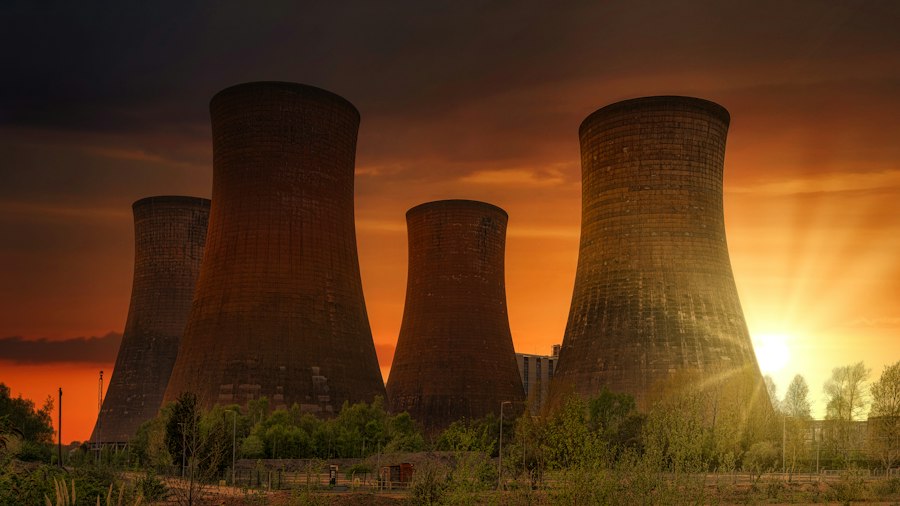
The most tragic and enduring consequence of nuclear testing is the devastating impact on human health. Exposure to ionizing radiation, whether through direct fallout, contaminated food and water, or inhalation of radioactive particles, can lead to a range of serious illnesses, often with long latency periods.
Cancers and Genetic Mutations
The link between radiation exposure and an increased risk of various cancers is well-established. Thyroid cancer, leukemia, and solid tumors of the lungs, breast, and bones are among the most frequently observed cancers in populations exposed to nuclear fallout. The severity of the risk is directly proportional to the dose of radiation received and the age at which exposure occurred, with children being particularly vulnerable. Furthermore, radiation can induce genetic mutations, which can be passed down to future generations. These mutations can manifest as birth defects, developmental abnormalities, and an increased susceptibility to diseases in descendants of exposed individuals, creating a multigenerational health burden. The impact of low-dose, long-term exposure, often termed stochastic effects, is particularly challenging to quantify but is believed to contribute significantly to the overall cancer burden in affected populations.
Radiation Sickness and Acute Effects
In cases of high-dose acute radiation exposure, individuals can suffer from radiation sickness, a debilitating and often fatal condition. Symptoms can include nausea, vomiting, diarrhea, hair loss, skin burns, and damage to the bone marrow, immune system, and nervous system. While acute radiation sickness is more commonly associated with nuclear accidents, some individuals involved in the cleanup of testing sites or those living in close proximity to early atmospheric detonations may have experienced these severe effects. The initial psychological trauma of witnessing nuclear detonations also had a significant and often overlooked impact on the mental health of those directly affected. The rapid onset of symptoms and the often-fatal outcome of acute radiation syndrome left a stark and terrifying impression on survivors and their communities.
Psychosocial Impacts and Stigmatization
Beyond the direct biological effects, nuclear testing has had profound psychosocial impacts on affected communities. The fear of radiation, the uncertainty about long-term health risks, and the feeling of being forgotten or abandoned by governments have contributed to significant psychological distress. In some cases, communities exposed to fallout have faced social stigmatization, with individuals suffering from radiation-related illnesses being ostracized or feared. This social isolation can exacerbate the already immense challenges faced by these populations. The lack of transparent communication from authorities regarding the risks and extent of contamination often fueled distrust and anxiety, creating a pervasive sense of unease and vulnerability. The burden of care for those suffering from chronic radiation-related illnesses also placed immense strain on families and communities.
The Unforeseen Ecological Disruptions
The immediate environmental damage caused by nuclear detonations, such as the destruction of landscapes and the alteration of habitats, was often a primary concern. However, the long-term, subtle ecological disruptions caused by persistent radioactive contamination are often more insidious and far-reaching.
Impact on Wildlife Populations
Radioactive contamination can have a detrimental impact on wildlife populations. Animals living in or near contaminated areas can accumulate radionuclides in their tissues, leading to a range of health problems, including reduced reproductive success, developmental abnormalities, and increased mortality. The disruption of food webs, as radioactive materials move up the chain, can affect species at all trophic levels. For example, insects in contaminated soil might be consumed by birds, which then carry the radionuclides to other locations. The long-term effects on genetic diversity within wildlife populations are also a concern, as radiation can induce mutations that may not be immediately apparent but can impact the adaptability and resilience of species over time. The lack of readily available clean food sources and the presence of contaminated water can force wildlife to seek less ideal environments, leading to increased competition and stress.
Alterations in Soil and Water Quality
Nuclear testing can significantly alter the quality of soil and water for extended periods. Radionuclides can bind to soil particles, making them difficult to remove and affecting plant growth. Leaching of radioactive materials into groundwater can contaminate drinking water sources for both humans and wildlife, posing long-term health risks. The altered chemical composition of soil due to intense heat and pressure from explosions can also affect the microbial communities essential for nutrient cycling and soil health. In aquatic environments, sediment contamination can persist for centuries, impacting benthic organisms and the overall health of the ecosystem. The long half-lives of many isotopes mean that even seemingly minor contamination events can have lasting consequences for the usability of land and water resources.
Disruption of Ecosystem Services
The combined effects of radioactive contamination, habitat destruction, and altered environmental conditions can disrupt essential ecosystem services upon which both humans and wildlife depend. These services include the purification of air and water, the pollination of crops, the regulation of climate, and the provision of food and resources. For instance, the contamination of agricultural land can render it infertile or unsafe for cultivation, impacting food security. The decline of pollinator populations due to exposure to radioactive substances could have cascading effects on plant reproduction and agricultural yields. The long-term degradation of natural landscapes can also diminish their capacity to provide recreational opportunities and support biodiversity, diminishing the overall ecological health and human well-being.
Remediation and Management: A Long and Complex Road
Addressing the environmental and health consequences of nuclear testing is a monumental undertaking, requiring decades of scientific research, technological innovation, and sustained international cooperation. The goal is to mitigate the ongoing risks and, where possible, restore contaminated areas.
Site Cleanup and Containment Strategies
The cleanup of nuclear testing sites is a complex and costly process. Strategies include the removal and disposal of contaminated soil and debris, the containment of radioactive materials to prevent further spread, and the long-term monitoring of environmental conditions. For underground tests, methods like grout injection and encapsulation are used to seal boreholes and prevent the migration of radionuclides. Surface contamination often requires excavation and the establishment of secure, long-term storage facilities. The sheer scale and the hazardous nature of many testing sites mean that complete remediation is often not feasible, and the focus shifts to long-term containment and management to minimize ongoing risks. The development of new technologies for in-situ remediation and the characterization of subsurface contamination remain critical areas of research.
Health Monitoring and Support for Affected Populations
Providing ongoing health monitoring and support for populations affected by nuclear testing is a crucial aspect of managing its legacy. This includes epidemiological studies to track the incidence of radiation-related illnesses, medical surveillance programs for exposed individuals and their descendants, and access to specialized healthcare. Establishing trust and ensuring equitable access to care are paramount, particularly for marginalized communities that may have been disproportionately affected. Compensation and recognition for victims of nuclear testing are also ongoing issues that require careful consideration and legislative action. The intergenerational impact of radiation exposure necessitates long-term commitment to monitoring and support for future generations.
International Cooperation and Policy Development
Addressing the global impact of nuclear testing requires robust international cooperation and the development of comprehensive policies. This includes fostering transparency in nuclear testing activities, promoting disarmament efforts, and establishing international frameworks for environmental monitoring and remediation. Treaties such as the Comprehensive Nuclear-Test-Ban Treaty (CTBT) are critical steps towards preventing future atmospheric testing and limiting further contamination. Sharing scientific knowledge, technological expertise, and financial resources are essential for effective global management of the legacy of nuclear testing. The lessons learned from past testing must inform future policy decisions regarding nuclear weapons and their potential environmental and health consequences.
The unforeseen effects of nuclear testing have had profound implications on both the environment and human health, as highlighted in a recent article that delves into the long-term consequences of these activities. For a deeper understanding of this topic, you can explore the insights presented in this related article, which discusses how the fallout from nuclear tests has affected ecosystems and communities around the world. The findings underscore the importance of addressing these hidden dangers as we move forward in discussions about nuclear policy and environmental protection.
A Legacy of Caution: Lessons for the Future
| Effect | Description | Metric/Impact | Location | Time Period |
|---|---|---|---|---|
| Radiation Exposure | Increased levels of radioactive isotopes in the environment leading to health issues | Elevated cancer rates by up to 15% in nearby populations | Marshall Islands | 1946-1958 |
| Genetic Mutations | Mutations in flora and fauna due to radiation | Observed increased mutation rates in local species by 20-30% | Semipalatinsk Test Site, Kazakhstan | 1949-1989 |
| Soil and Water Contamination | Radioactive fallout contaminating soil and groundwater | Radioactive isotopes detected in groundwater up to 50 km from test sites | Nevada Test Site, USA | 1951-1992 |
| Atmospheric Effects | Release of radioactive particles into the atmosphere affecting global air quality | Global increase in Strontium-90 levels in precipitation by 10-15% | Global | 1950s-1960s |
| Psychological Impact | Long-term mental health issues in affected communities | Higher incidence of PTSD and anxiety disorders by 25% | Rongelap Atoll, Marshall Islands | Post-1954 Castle Bravo Test |
The unforeseen effects of nuclear testing serve as a stark reminder of the profound and enduring consequences of unchecked technological advancement, particularly when driven by military imperatives. The invisible residue of radioactive contamination, the devastating human health crises, and the subtle yet pervasive ecological disruptions paint a somber picture of a legacy that continues to demand attention and action.
The Importance of Precautionary Principle
The experience of nuclear testing underscores the critical importance of the precautionary principle in scientific and technological development. This principle advocates for taking preventative action in the face of uncertainty when there is a plausible risk of harm, even if full scientific certainty has not been achieved. The initial optimism surrounding nuclear power and weapons development was not tempered by a thorough understanding of their long-term environmental and health ramifications, leading to widespread and often irreversible damage. Applying the precautionary principle to emerging technologies, particularly those with the potential for widespread and persistent harm, is essential to avoid repeating the mistakes of the past.
The Imperative for Nuclear Disarmament
The continued existence of nuclear weapons, and the potential for future testing, remains a significant threat to global security and environmental stability. The legacy of past testing provides compelling evidence of the catastrophic consequences that even a limited use of these weapons could unleash. Therefore, the imperative for complete nuclear disarmament, coupled with stringent international verification mechanisms, is not merely a political aspiration but an environmental and humanitarian necessity. The resources currently allocated to maintaining and modernizing nuclear arsenals could be far better utilized for addressing pressing global challenges such as climate change, poverty, and disease.
Ethical Responsibilities and Intergenerational Equity
The enduring impact of nuclear testing raises profound ethical questions about our responsibilities to future generations and the principle of intergenerational equity. The contamination left behind by past testing will persist for centuries, if not millennia, imposing burdens on those who had no role in its creation. Recognizing this intergenerational debt necessitates a commitment to long-term stewardship of the planet, including sustained efforts to clean up and monitor contaminated sites, and to support the health and well-being of affected communities. The moral imperative to ensure a safe and healthy environment for all future inhabitants of Earth is a direct consequence of the actions taken in the past. The world must learn from the silent suffering and the lingering environmental damage, striving to create a future free from the existential threat of nuclear annihilation and its destructive environmental footprint.

The 1958 Space Nukes Meant to Destroy Soviet Missiles
FAQs
What are some of the unforeseen effects of nuclear testing?
Some unforeseen effects of nuclear testing include long-term environmental damage, genetic mutations in wildlife, and increased cancer rates in nearby populations.
How has nuclear testing impacted the environment?
Nuclear testing has led to contamination of soil, water, and air, causing lasting damage to ecosystems and posing health risks to both humans and wildlife.
What are the health risks associated with living near nuclear test sites?
Living near nuclear test sites can increase the risk of cancer, birth defects, and other serious health issues due to exposure to radiation and toxic chemicals released during testing.
Have there been any efforts to clean up nuclear test sites?
Yes, there have been efforts to clean up nuclear test sites, but the process is challenging and costly due to the extent of contamination and the long-lasting nature of radioactive materials.
How can we prevent similar unforeseen effects in the future?
To prevent similar unforeseen effects in the future, it is crucial to prioritize safety, transparency, and environmental impact assessments before conducting any nuclear testing or related activities.