The Kola Peninsula, a rugged expanse of Arctic tundra, boreal forests, and a dramatic coastline, stands at the forefront of Russia’s northern development. Rich in mineral resources and boasting strategic military importance, the peninsula’s economy and security are inextricably linked to its vast and often aging infrastructure. However, this crucial network of roads, railways, ports, and energy facilities is increasingly vulnerable, facing a confluence of challenges stemming from its harsh environment, historical development, and the escalating impacts of climate change. The long-term sustainability and future prosperity of the Kola Peninsula are, therefore, critically dependent on addressing these infrastructural vulnerabilities.
The arteries of the Kola Peninsula are its transportation networks. Without robust and reliable roads and railways, the flow of goods, resources, and people would grind to a halt, isolating communities and crippling economic activity. These networks are not merely conduits for commerce; they are lifelines in a region where distances are vast and the natural environment is unforgiving.
Rail Connectivity: The Lifeline of Resource Extraction
The railway system on the Kola Peninsula is arguably its most vital transportation artery. Its development was intrinsically tied to the exploitation of the region’s rich mineral deposits, particularly nickel, copper, and apatite. The Murmansk Railway, a key component, connects the major industrial centers like Monchegorsk and Apatity to the ice-free port of Murmansk, facilitating the export of processed minerals to global markets.
The Challenges of Permafrost and Temperature Extremes
The permafrost beneath the railway tracks presents a significant and persistent challenge. Seasonal thawing and freezing cause ground heaving and settlement, leading to track deformation, increased wear and tear on rolling stock, and the constant need for costly maintenance and repairs. Extreme temperature fluctuations, common in the Arctic, exacerbate these issues. In winter, sub-zero temperatures can cause materials to become brittle and prone to fracture, while summer thaws can lead to the destabilization of ballast and foundations.
Aging Infrastructure and Modernization Needs
Much of the railway infrastructure dates back to the Soviet era. Decades of heavy use, coupled with insufficient investment in modernization and upgrades, have led to a situation where many sections of track, bridges, and signaling systems are operating beyond their intended lifespan. This aging infrastructure not only increases the risk of derailments and service disruptions but also limits the speed and capacity of freight transport. The integration of modern signaling and communication systems, as well as the replacement of outdated track components, is crucial for enhancing safety and efficiency.
Road Networks: Connecting Remote Communities and Industries
While railways dominate heavy freight, the road network plays a critical role in connecting smaller settlements, providing access to remote industrial sites, and supporting local economies. The development of this network has often been a piecemeal effort, driven by immediate resource needs rather than comprehensive regional planning.
The Impact of Extreme Weather on Road Stability
The Kola Peninsula experiences harsh winters characterized by heavy snowfall, ice, and blizzards. Road maintenance crews face a constant battle against these elements. Unpredictable thaws and intense rainfall in warmer months can also lead to landslides, erosion, and the washout of road sections, particularly in areas with unstable soil conditions. The cumulative effect of these extreme weather events significantly degrades road surfaces, leading to increased travel times, higher vehicle maintenance costs, and reduced accessibility.
The Sparse Population and High Maintenance Costs
The sparse population distribution across the vast territory of the Kola Peninsula presents a unique challenge for road maintenance. Maintaining hundreds or even thousands of kilometers of roads that serve only a handful of communities or remote industrial facilities is economically unsustainable in the long run. This often results in underfunded maintenance programs, leading to a gradual deterioration of road quality. Finding cost-effective solutions for maintaining these vital links is a persistent dilemma for regional authorities.
Port Facilities: Gateway to the Arctic and Global Trade
The port of Murmansk, strategically located on the Barents Sea, is the undisputed jewel of the Kola Peninsula’s maritime infrastructure. As Russia’s largest ice-free port, it serves as a crucial hub for cargo transshipment, fishing, and naval operations. Its continued functionality is paramount for both domestic and international trade.
Ice Conditions and Navigation Challenges
While Murmansk is ice-free, the broader Arctic context and the approaches to the port are not entirely immune to ice. Although icebreakers significantly mitigate these risks, unpredictable ice formations and severe weather can still impact shipping schedules and operational efficiency. Navigational aids and infrastructure require constant monitoring and maintenance to ensure safe passage, especially during periods of increased ice cover or reduced visibility.
Aging Cargo Handling Equipment and Modernization Demands
Like other elements of the peninsula’s infrastructure, much of the cargo handling equipment at Murmansk port is aging. Cranes, conveyor belts, and other machinery are subject to wear and tear in the harsh Arctic environment, requiring frequent repairs and replacements. To remain competitive in the global shipping market and to handle the increasing volumes of cargo, significant investment in modern, automated cargo handling systems is essential. This includes upgrading infrastructure to accommodate larger vessels and more efficient loading/unloading processes.
The Kola Peninsula’s infrastructure vulnerability has been a topic of increasing concern, particularly in light of its strategic importance and the potential risks associated with climate change and geopolitical tensions. A related article that delves deeper into these issues can be found at In the War Room, which discusses the implications of infrastructure weaknesses in the region and the need for comprehensive assessments to ensure resilience against various threats.
The Unseen Pillars: Energy and Utilities
The functioning of the Kola Peninsula, from its industrial complexes to its residential areas, relies heavily on a robust and reliable energy and utilities infrastructure. This includes power generation, transmission, and distribution networks, as well as water and sewage systems. The vulnerability of these systems poses a significant threat to the quality of life and economic stability of the region.
Power Generation and Transmission: The Backbone of Industrial Activity
The Kola Peninsula is powered by a mix of thermal and hydroelectric power plants, with a significant reliance on the Kola Nuclear Power Plant. This centralized energy production is critical for supporting the energy-intensive mining and metallurgical industries.
The Impact of Permafrost on Transmission Lines and Substations
The long-distance transmission of electricity across the Kola Peninsula is heavily impacted by permafrost. Power line pylons, anchored in the frozen ground, are susceptible to heaving and subsidence as the permafrost thaws and refreezes. This can lead to sagging power lines, increased risk of conductor failure, and even the collapse of entire towers. Substations, with their complex networks of transformers and switchgear, are also built on land that can be affected by permafrost degradation, compromising their stability and operational integrity.
Aging Power Grids and the Need for Modernization
The electrical grid on the Kola Peninsula, much like its transportation counterparts, suffers from aging components and a lack of systematic modernization. Many parts of the distribution network, particularly in remote areas, are outdated and inefficient, leading to energy losses and a higher susceptibility to power outages. The integration of smart grid technologies, which allow for better monitoring, control, and fault detection, is crucial for improving the reliability and resilience of the power supply.
Water and Sewage Systems: Essential Services Under Threat
Access to clean water and effective wastewater treatment are fundamental to public health and environmental protection. On the Kola Peninsula, these systems are under immense pressure from both environmental degradation and underinvestment.
Contamination Risks from Melting Permafrost and Industrial Discharge
As permafrost thaws, it can release stored contaminants, including heavy metals and pollutants from historical industrial activities. This thawing ground can compromise the integrity of underground water pipes and sewage systems, leading to leaks and the potential contamination of groundwater sources. Furthermore, industrial discharge, if not adequately treated, can further pollute water bodies, exacerbating existing challenges for water treatment facilities.
Deterioration of Treatment Facilities and Health Concerns
Many of the water and sewage treatment facilities on the Kola Peninsula are old and outdated. Their capacity may be insufficient to handle current demands, and their operational efficiency is often compromised by wear and tear. This leads to the discharge of inadequately treated wastewater into rivers and coastal waters, posing significant risks to aquatic ecosystems and human health. Upgrading and modernizing these facilities is a pressing concern for environmental stewardship and public well-being.
Climate Change: The Accelerant of Vulnerability

While the Kola Peninsula has always contended with a challenging environment, climate change is acting as a potent accelerant, amplifying existing infrastructural vulnerabilities and introducing new threats. The rapid warming of the Arctic is having profound and visible consequences for the region’s built environment.
Permafrost Thaw: A Fundamental Threat to the Built Environment
The most significant and pervasive impact of climate change on the Kola Peninsula is the widespread thawing of permafrost. Scientific data indicates that Arctic temperatures are rising at more than twice the global average, leading to the destabilization of previously frozen ground.
Differential Settlement and Structural Damage
As permafrost thaws, the ground surface can subside unevenly, a phenomenon known as differential settlement. This uneven settlement puts immense stress on structures built upon it. Buildings, roads, bridges, and pipelines can experience cracking, buckling, and even collapse as the ground beneath them shifts and loses its structural integrity. The long-term consequences of this widespread thaw are a constant threat to the stability of all infrastructure.
Coastal Erosion and the Threat to Coastal Infrastructure
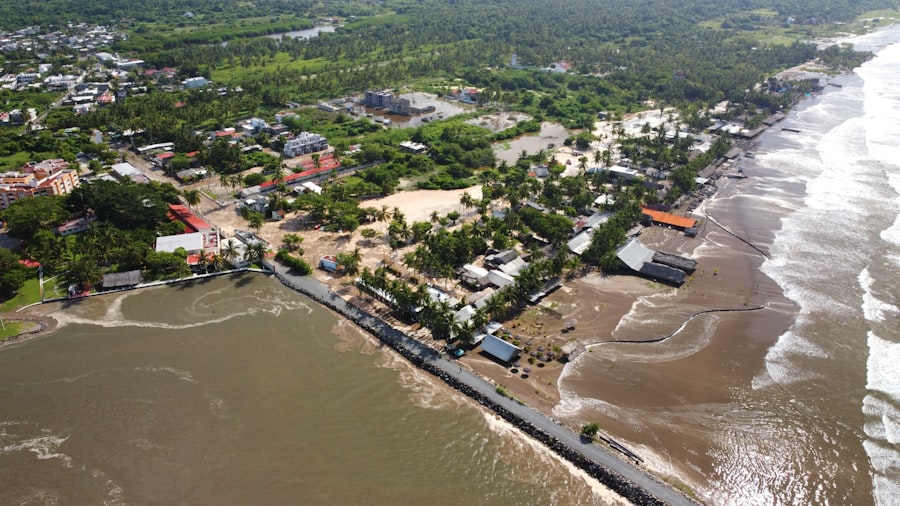
The warming Arctic also contributes to increased coastal erosion. Melting sea ice leaves coastlines more exposed to wave action, and rising sea levels exacerbate this problem. Coastal infrastructure, including ports, research facilities, and communities, is increasingly at risk of inundation and erosion, requiring costly protective measures or even relocation.
Increased Frequency and Intensity of Extreme Weather Events
Climate change is also linked to an increase in the frequency and intensity of extreme weather events. This includes more severe storms, heavier rainfall, and more prolonged periods of extreme heat or cold.
Flooding and Water Damage
Increased rainfall and rapid snowmelt contribute to a higher risk of flooding, particularly in low-lying areas and along riverbanks. Flooding can cause significant damage to roads, bridges, and buildings, disrupting transportation and economic activities. Water damage to building foundations and electrical systems can also lead to long-term structural issues.
Heatwaves and Material Stress
While the Kola Peninsula is known for its cold, the region is experiencing more frequent and intense heatwaves. Extreme heat can cause materials like asphalt and concrete to expand and degrade, leading to road damage and structural fatigue. It can also put additional strain on power grids as demand for cooling increases.
Resource Extraction and Industrial Footprint: Adding Pressure
The Kola Peninsula’s economy is heavily reliant on resource extraction, primarily mining and metallurgy. While these industries are vital for employment and revenue, their operations and the associated infrastructure also contribute to the region’s vulnerabilities.
The Legacy of Industrial Pollution and Environmental Degradation
The historical practices of industrial development on the Kola Peninsula have left a significant environmental legacy. Decades of mining and smelting operations have resulted in widespread soil and water contamination with heavy metals and other pollutants.
Acid Rain and Corrosion of Infrastructure
Emissions from smelting plants have historically contributed to acid rain, which accelerates the corrosion of metal infrastructure, including power lines, bridges, and buildings. Even with improved environmental regulations, the legacy of past pollution continues to impact the longevity of existing structures.
The Challenge of Remediation and Ongoing Environmental Management
Remediating contaminated sites is a complex and expensive undertaking. The persistent presence of pollutants in the environment poses ongoing risks to water sources and can further degrade infrastructure through chemical reactions. Effective environmental management and strict adherence to current regulations are crucial to prevent further degradation and to protect existing infrastructure from further damage.
The Demands of Mining Operations on Infrastructure
The mining industry itself places significant demands on the Kola Peninsula’s infrastructure. Large-scale extraction, processing, and transportation of minerals require robust roads, railways, and port facilities.
Wear and Tear from Heavy Haulage
The constant movement of heavy mining trucks and freight trains puts immense stress on road and rail infrastructure, accelerating wear and tear and necessitating more frequent and extensive repairs. The construction of new mines or the expansion of existing ones often requires the development of new roads and railway spurs, further stretching limited resources.
Energy and Water Consumption of Industrial Processes
Mining and metallurgical processes are highly energy and water-intensive. This places a significant demand on the region’s power grids and water resources, potentially exacerbating existing vulnerabilities in these systems, especially during periods of peak industrial activity. Ensuring that industrial operations are as efficient and sustainable as possible is crucial to mitigate their impact on the overall infrastructure.
The Kola Peninsula’s infrastructure vulnerability has been a growing concern, particularly in light of its strategic importance and the potential risks posed by climate change. A recent article discusses the implications of these vulnerabilities on regional security and economic stability, highlighting the need for comprehensive assessments and proactive measures. For more insights on this topic, you can read the article here: in the war room. Addressing these challenges is crucial for ensuring the resilience of the Kola Peninsula’s infrastructure in the face of evolving threats.
Towards Resilience: Strategies for a Vulnerable Future
| Infrastructure | Vulnerability | Impact |
|---|---|---|
| Roads | Poor maintenance, permafrost thaw | Disruption of transportation |
| Buildings | Permafrost degradation | Structural damage |
| Utilities | Permafrost thaw, aging systems | Service interruptions |
Addressing the multifaceted vulnerabilities of the Kola Peninsula’s infrastructure requires a comprehensive and long-term strategy. This involves a combination of immediate mitigation measures, strategic investments in modernization, and proactive adaptation to the changing Arctic environment.
Investing in Climate-Resilient Infrastructure
The future of infrastructure on the Kola Peninsula must be designed and built with climate change in mind. This involves incorporating principles of resilience into all new construction and retrofitting existing structures to withstand the anticipated impacts.
Adapting to Permafrost Thaw
Engineers and planners must increasingly consider the implications of permafrost thaw in their designs. This may involve developing new foundation techniques, using materials that are more tolerant of ground movement, or relocating critical infrastructure from areas predicted to experience significant permafrost degradation. Monitoring permafrost conditions and implementing adaptive management strategies will be essential.
Building for Extreme Weather Resilience
New infrastructure should be designed to withstand the increased frequency and intensity of extreme weather events, including higher wind loads, heavier snow accumulation, and increased flood risks. This may involve raising critical infrastructure above projected flood levels, reinforcing structures against extreme wind events, and developing robust drainage systems.
Modernization and Technological Advancement
A significant portion of the Kola Peninsula’s infrastructure is aging and in need of modernization. Embracing new technologies can improve efficiency, reliability, and safety.
Embracing Smart Technologies
The adoption of smart technologies, such as sensors for monitoring infrastructure health, advanced GPS for navigation, and digital communication systems, can provide real-time data to aid in maintenance, predict potential failures, and optimize operations. This is particularly relevant for energy grids, transportation networks, and environmental monitoring.
Upgrading and Replacing Aging Assets
A systematic program of upgrading and replacing aging infrastructure is paramount. This includes the modernization of railway tracks, bridges, port equipment, power transmission lines, and water and sewage treatment facilities. Prioritization should be based on risk assessment and the critical importance of each asset to the region’s functioning.
Enhanced Monitoring and Maintenance Regimes
A proactive approach to infrastructure management, characterized by robust monitoring and diligent maintenance, is crucial for preventing minor issues from escalating into major failures.
Predictive Maintenance and Early Warning Systems
Implementing predictive maintenance programs, utilizing data from sensors and historical performance records, can help identify potential problems before they lead to catastrophic failures. Developing and deploying early warning systems for extreme weather events and natural hazards can also provide valuable lead time for protective measures.
Investing in Skilled Workforce and Training
The effective maintenance and operation of modern infrastructure require a skilled workforce. Investing in training programs for local engineers, technicians, and maintenance crews is essential to ensure that the Kola Peninsula has the human capital needed to manage its complex infrastructural challenges.
The Kola Peninsula, with its strategic importance and immense natural wealth, stands at a critical juncture. The vulnerabilities of its infrastructure, exacerbated by the harsh Arctic environment and the accelerating impacts of climate change, pose a significant threat to its future. A concerted effort, involving strategic investment, technological innovation, and a deep understanding of the region’s unique challenges, is essential to build a more resilient and sustainable future for this vital Arctic territory.

Russia’s Nuclear Submarines Depend on This Arctic Lifeline
FAQs
What is the Kola Peninsula?
The Kola Peninsula is a large peninsula in the far northwest of Russia. It is bordered by the Barents Sea to the north and the White Sea to the east.
What infrastructure is vulnerable on the Kola Peninsula?
The infrastructure on the Kola Peninsula that is vulnerable includes transportation networks, such as roads and railways, as well as energy infrastructure, such as power plants and electrical grids.
What factors contribute to the vulnerability of the infrastructure on the Kola Peninsula?
The vulnerability of the infrastructure on the Kola Peninsula is influenced by its remote location, harsh climate, and the presence of permafrost, which can cause the ground to shift and damage infrastructure.
What are the potential consequences of infrastructure vulnerability on the Kola Peninsula?
The potential consequences of infrastructure vulnerability on the Kola Peninsula include disruptions to transportation and energy supply, which can impact the local economy and the well-being of the population.
What measures are being taken to address the infrastructure vulnerability on the Kola Peninsula?
Efforts are being made to reinforce and upgrade the infrastructure on the Kola Peninsula, including the construction of new roads and railways, as well as the implementation of technologies to mitigate the impact of permafrost on infrastructure.