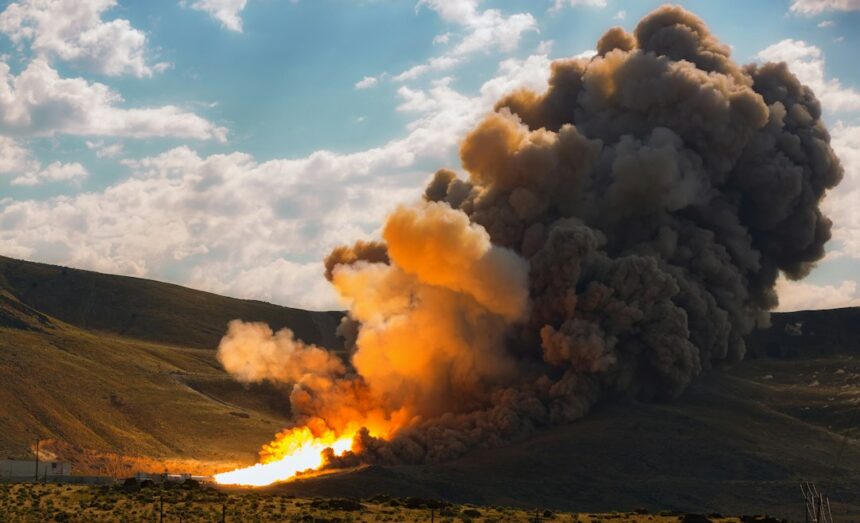
The late afternoon of September 18, 1980, marked a day of profound fear and chaos for the residents of Damascus, Arkansas. A routine military exercise at the Titan II Intercontinental Ballistic Missile (ICBM) complex went catastrophically wrong, culminating in a devastating explosion that shook the very foundations of the small, rural community and sent shockwaves far beyond its borders. This was not an enemy attack, but a terrifying consequence of human error and the inherent dangers of handling highly volatile rocket fuel.
The Titan II ICBM system was a cornerstone of America’s nuclear deterrent during the Cold War. These massive rockets, standing sentinel in silos scattered across the American heartland, were designed to deliver a powerful nuclear payload to distant targets. The complex near Damascus, designated LP-48, was one of many such sites, a stark reminder of the ever-present threat of global conflict.
The Titan II: A Colossus of Cold War Might
The Titan II missile itself was an engineering marvel of its time. Standing over 100 feet tall and weighing hundreds of thousands of pounds, it was a two-stage rocket fueled by hypergolic propellants – substances that ignite spontaneously upon contact. This characteristic, while designed for rapid launch capability, also meant an inherent and extreme danger if mishandled.
Hypergolic Propellants: A Recipe for Disaster
The fuel used in the Titan II was a volatile mixture of unsymmetrical dimethylhydrazine (UDMH) and nitrogen tetroxide (NTO). UDMH, a highly flammable and toxic liquid, and NTO, a powerful oxidizer that is corrosive and can cause severe respiratory damage, were stored in separate tanks within the missile. The slightest leak or breach in containment could lead to a catastrophic reaction.
Life in Damascus: A Quiet Existence Interrupted
Damascus, Arkansas, was (and remains) a small, close-knit community. Life there was characterized by its rural tranquility, with agriculture and local businesses forming the backbone of its economy. The presence of a Titan II missile silo, while acknowledged, was largely a distant fact of life, a reminder of national security without directly impacting the daily routines of its citizens.
The Palpable Presence of the ICBM Site
Despite its subterranean nature, the ICBM silo was a significant landmark in the area. The launch control center and associated support buildings were a constant, albeit unobtrusive, presence. For the Air Force personnel stationed at the complex, it was their workplace, a demanding environment where vigilance and adherence to strict safety protocols were paramount.
The Titan II rocket fuel explosion in Arkansas remains a significant event in the history of aerospace and military operations, highlighting the potential dangers associated with missile storage and handling. For those interested in exploring more about this incident and its implications, a related article can be found at In The War Room, which delves into the details of the explosion and its impact on safety protocols in the military.
The Chain of Events: A Cascade of Errors
The incident at LP-48 was not a single, isolated event, but rather a sequence of mistakes and unfortunate circumstances that culminated in the tragic explosion. The complexity of the Titan II system and the high-pressure environment of its operation contributed to the vulnerability of its safety mechanisms.
Routine Maintenance and the Unforeseen Complication
On the fateful day, Air Force personnel were engaged in routine maintenance within the missile silo. This involved draining propellant from the first stage of the Titan II missile to facilitate repairs. It was during this delicate procedure that the initial problem arose, setting in motion the events that would lead to disaster.
The Dropped Wrench: A Seemingly Minor Incident
The critical moment, as later investigations revealed, was the dropping of a 3-pound, 12-inch crescent wrench. This occurred approximately 70 feet above the missile’s silo floor. The wrench fell through the open maintenance hatch and struck the missile’s tip, puncturing a crucial membrane within the propellant system.
The Significance of the Puncture
The puncture was not immediately catastrophic, but it was the genesis of a slow-motion crisis. It created a small leak in the oxidizer (NTO) system. This leak, while initially minor, would have profound consequences as it allowed the highly reactive oxidizer to begin to escape.
The Gradual Release of Toxic Fumes
As the NTO leaked, it began to vaporize and spread within the confined space of the silo. The highly corrosive nature of NTO meant it would start to attack other components, further exacerbating the situation. The immediate danger was not an explosion, but the release of toxic fumes.
The First Signs of Trouble: Alarms and Evacuations
As the NTO vapors accumulated, sensors within the silo triggered alarms. This prompted an initial response from the Air Force personnel on site. The decision was made to evacuate the silo and the immediate surrounding area as a precautionary measure.
The Difficulty of Containing a Volatile Leak
The nature of hypergolic fuels meant that once a leak began, it was incredibly difficult to contain. The very substances designed to ignite on contact were now actively and dangerously escaping their containment.
The Escalation: From Leak to Catastrophe
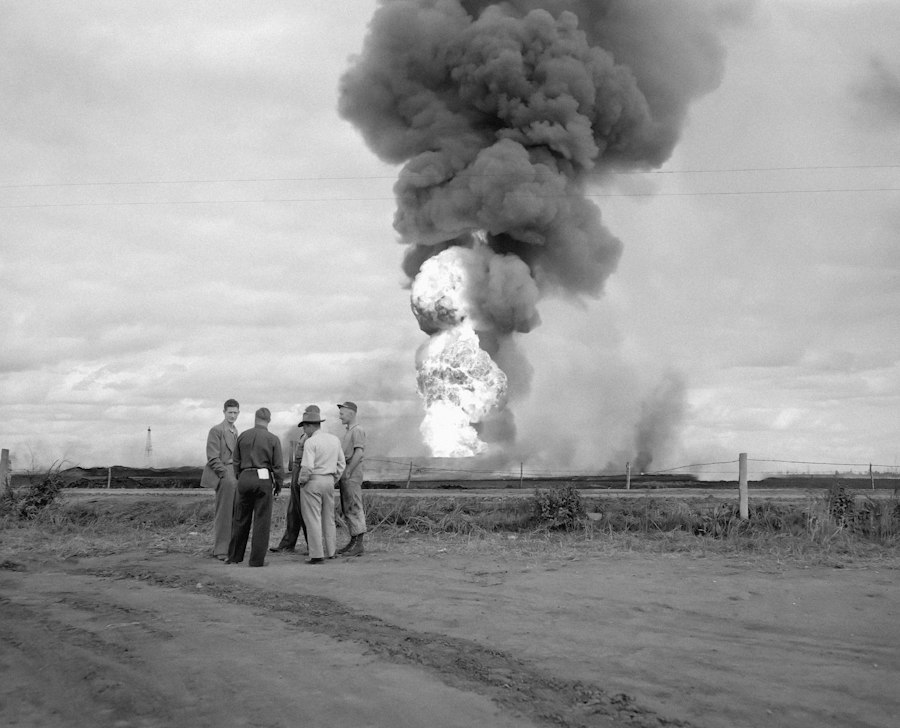
The evacuation, while a necessary step, did not halt the progression of the incident. The continuing leak and the presence of flammable materials in the silo created an increasingly volatile environment. The Air Force personnel, working under immense pressure, were attempting to manage a crisis that was rapidly spiraling out of control.
The Role of the Emergency Response
Once the severity of the situation became apparent, emergency response teams were mobilized. The primary objective was to stabilize the missile and prevent a larger-scale release of its deadly contents. However, the inherent dangers of the propellants made this an exceedingly difficult and perilous undertaking.
The Dilemma of Intervention
The decision to attempt to stop the leak or further drain the propellants was fraught with risk. Any forceful intervention could potentially accelerate the reaction or cause a more significant breach. The personnel on the ground faced an agonizing choice with potentially devastating consequences.
The Unfolding Disaster: A Moment of Ignition
As the NTO continued to leak and react with other materials within the silo, the internal pressure began to build. The presence of UDMH, the fuel component, in close proximity to the oxidizing NTO, created the conditions for a violent reaction. The exact trigger for the ignition remains a subject of technical discussion, but it was undoubtedly a consequence of the escalating chemical reaction within the silo.
The Tremors and the Roar
On that fateful afternoon, the residents of Damascus began to feel unsettling tremors. These were not the typical rumblings of a passing truck or distant thunder. These were deeper, more powerful vibrations that sent a wave of unease through the community. Then, the sound came – a deafening roar that echoed across the countryside, a visceral testament to the immense power unleashed.
The Silo Breach and the Fireball
The explosion was not a nuclear detonation, but a massive chemical explosion. The sheer force of the blast ruptured the missile silo, sending debris flying for miles. A colossal fireball erupted from the ground, a terrifying spectacle that illuminated the sky and struck fear into the hearts of those who witnessed it.
The Aftermath: Devastation and Danger
The immediate aftermath of the explosion was one of chaos, fear, and uncertainty. The destructive power of the blast was evident, but the lingering threat of toxic contamination cast a long shadow over the region.
Immediate Damage and Destruction
The explosion caused significant damage to the missile complex itself, rendering the silo inoperable. The blast wave also impacted the surrounding landscape, with debris scattered across the countryside. Fortunately, due to the timely evacuation, there were no immediate fatalities among the Air Force personnel directly involved in the incident.
The Scale of the Blast
While not a nuclear event, the chemical explosion was of immense magnitude. It was powerful enough to cause structural damage to nearby buildings and to be felt and heard for miles around. The force of the blast was a stark reminder of the destructive potential of the weapons systems being housed in these unassuming silos.
The Toxic Threat: A Lingering Fear
Beyond the immediate blast, the most significant concern was the release of highly toxic propellants. The explosion had dispersed UDMH and NTO into the atmosphere and surrounding environment. This created a significant health hazard for residents and a challenging cleanup operation.
The Evacuation of Damascus
Fearing the spread of toxic fumes, authorities ordered the immediate evacuation of Damascus and surrounding communities. Residents were forced to leave their homes with little notice, unsure when or if they would be able to return. This displacement added to the trauma and disruption caused by the incident.
The Uncertainty of Contamination
The exact extent of the contamination was difficult to ascertain in the immediate aftermath. The volatile nature of the propellants meant they could spread rapidly, posing a risk of both acute and long-term health effects.
The Titan II rocket fuel explosion in Arkansas remains a significant event in the history of aerospace mishaps, highlighting the potential dangers associated with missile maintenance. For those interested in a deeper exploration of this incident and its implications, a related article provides insightful details about the circumstances surrounding the explosion and its aftermath. You can read more about it in this informative piece, which sheds light on the challenges faced by military personnel during that era.
The Cleanup and Investigation: A Long and Difficult Road
| Metric | Details |
|---|---|
| Date of Explosion | September 18, 1980 |
| Location | Arkansas, USA (near Damascus) |
| Rocket Type | Titan II Intercontinental Ballistic Missile (ICBM) |
| Cause of Explosion | Accidental puncture of fuel tank by dropped socket wrench |
| Fuel Type | Aerozine 50 (fuel) and nitrogen tetroxide (oxidizer) |
| Number of Personnel Injured | 21 |
| Number of Fatalities | 1 (Airman David Livingston) |
| Explosion Impact Radius | Approximately 1 mile |
| Damage | Destruction of missile silo and surrounding equipment |
| Environmental Impact | Release of toxic rocket fuel chemicals; area evacuated temporarily |
The days, weeks, and months following the explosion were dominated by a monumental cleanup and investigation effort. The goal was not only to restore the environment but also to understand precisely how such a catastrophic event could occur and to prevent future occurrences.
The Hazardous Cleanup Operation
The cleanup of the Titan II silo and the surrounding area was an incredibly dangerous and complex undertaking. Specialized teams, equipped with protective gear and working under extreme caution, had to deal with residual toxic materials and the damaged missile components.
Dealing with Hazardous Materials
The propellants, even after the explosion, remained a significant threat. The process of neutralizing and removing these hazardous substances required specialized knowledge and equipment. The environmental impact of the spill was a major concern, and extensive efforts were made to mitigate further damage.
The Long-Term Environmental Concerns
While the immediate cleanup focused on surface contamination, concerns remained about long-term environmental impacts, including potential groundwater contamination. Monitoring and remediation efforts continued for years after the initial incident.
The Official Investigation: Unraveling the Truth
A thorough investigation was launched by the U.S. Air Force and other relevant agencies to determine the cause of the explosion. This involved meticulous examination of the evidence at the site, interviews with personnel, and analysis of technical data.
Identifying the Root Causes
The investigation ultimately concluded that the dropped wrench was the initiating event, leading to the puncture of the oxidizer tank. However, it also delved into the systemic issues that allowed such a minor error to escalate into a catastrophic event. This included scrutinizing safety protocols, maintenance procedures, and the design of the Titan II system itself.
Recommendations for Future Safety
The findings of the investigation led to significant changes in safety procedures for ICBM operations and the handling of hazardous propellants. The incident served as a harsh but valuable lesson, highlighting the critical importance of stringent oversight and the unforgiving nature of powerful weaponry.
The Titan II rocket fuel explosion in Damascus, Arkansas, remains a somber chapter in Cold War history. It was a stark reminder that even the most advanced technological systems are susceptible to human error and that the pursuit of national security can carry immense and devastating risks. The resilience of the Damascus community in the face of this ordeal, and the lessons learned from the tragic event, continue to shape safety protocols and our understanding of the perils inherent in managing weapons of such destructive power.

How a Dropped Socket Destroyed a Titan II Missile
FAQs
What caused the Titan II rocket fuel explosion in Arkansas?
The explosion was caused by a ruptured fuel tank during a routine maintenance procedure.
When did the Titan II rocket fuel explosion in Arkansas occur?
The explosion occurred on September 19, 1980, at a missile silo near Damascus, Arkansas.
Were there any casualties as a result of the Titan II rocket fuel explosion in Arkansas?
Yes, there were two fatalities and multiple injuries as a result of the explosion.
What was the purpose of the Titan II rocket in Arkansas?
The Titan II rocket was part of the United States’ intercontinental ballistic missile (ICBM) program during the Cold War.
What was the impact of the Titan II rocket fuel explosion in Arkansas?
The explosion resulted in the destruction of the missile silo and caused widespread concern about the safety of nuclear weapons facilities.