The shadows of intelligence often obscure the full tapestry of history, and for decades, the Central Intelligence Agency (CIA) has existed as a significant, yet often opaque, player on the global stage. Now, a new documentary promises to pull back the curtain, offering a glimpse into “The Untold History of the CIA: A Fascinating Documentary.” This groundbreaking film delves into the agency’s origins, its formative years, and the complex, often controversial, operations that have shaped the modern world. It’s a journey through covert actions, moral quandaries, and the relentless pursuit of national security, as perceived and executed by one of the most powerful intelligence organizations in existence.
The documentary begins by grounding the audience in the historical context that necessitated the creation of a centralized intelligence apparatus. The Second World War, with its vast global conflict and the nascent threat of the Soviet Union, laid bare the deficiencies in American intelligence gathering and analysis. Prior to the CIA, various governmental bodies were tasked with intelligence functions, but a lack of coordination and a clear strategic direction led to significant intelligence gaps and missed opportunities.
The Need for a Centralized Force
The film meticulously traces the evolution of thought that led to the establishment of the CIA. It highlights the pivotal role of individuals who recognized the imperative for a unified intelligence body, one that could operate effectively in the shadows and provide policymakers with actionable information. The documentary underscores that this was not an isolated decision but a response to a palpable and evolving threat landscape. The chaos and intelligence failures of the early 20th century, particularly during the lead-up to and early stages of World War II, served as stark reminders of the vulnerability that fragmented intelligence efforts created. The attack on Pearl Harbor, for instance, is often cited as a tragic consequence of insufficient and poorly disseminated intelligence.
The National Security Act of 1947
The cornerstone of the CIA’s existence, the National Security Act of 1947, is explored in detail. The documentary explains how this landmark legislation consolidated various intelligence functions under a single roof, creating the agency and defining its primary responsibilities. It’s presented not just as a bureaucratic reshuffling but as a fundamental shift in American foreign policy and national security strategy. The act was a direct product of the emerging Cold War, a period characterized by ideological struggle and the ever-present specter of nuclear annihilation. The need to understand and counter the Soviet Union’s growing influence became paramount, and the CIA was conceived as a vital instrument in this existential competition. The film examines the initial debates surrounding the scope of the agency’s powers, foreshadowing the controversies that would later plague its operations.
For those interested in exploring the intricate history of the CIA, a fascinating article that delves deeper into the agency’s covert operations and its impact on global politics can be found at this link: CIA History Documentary. This resource provides a comprehensive overview of significant events and controversies that have shaped the agency’s legacy, making it a valuable companion to any documentary on the subject.
Early Operations and the Shadow of the Cold War
With its formation established, “The Untold History of the CIA” moves into its early operational years, a period inextricably linked to the burgeoning Cold War. The documentary illustrates how the agency quickly became a key player in the ideological and geopolitical struggle against communism, employing a range of covert and overt tactics. This era saw the CIA evolve from its nascent stages into a powerful and ambitious organization, willing to take significant risks to achieve its objectives.
Covert Actions and Regime Change
A significant portion of the film is dedicated to examining the agency’s early covert operations. The documentary delves into interventions in countries like Iran and Guatemala, where the CIA played a pivotal role in orchestrating coups to oust governments perceived as hostile to American interests. These operations, often shrouded in secrecy, are presented with a critical eye, exploring the motivations behind them, the methods employed, and their long-term consequences. The film doesn’t shy away from the ethical complexities and unintended outcomes of these interventions, prompting viewers to question the efficacy and morality of such actions. The narrative explores the underlying rationale: to prevent the spread of communism and secure American economic and strategic interests in strategically vital regions. The documentary aims to present the documented evidence, allowing viewers to draw their own conclusions about the justifications and ramifications.
Psychological Warfare and Propaganda
Beyond direct intervention, the documentary highlights the CIA’s extensive use of psychological warfare and propaganda during the Cold War. The film explores how the agency sought to influence public opinion in both enemy nations and allied countries, using a variety of sophisticated techniques. This included the funding of sympathetic media outlets, the dissemination of disinformation, and the sponsorship of cultural programs designed to promote American values. The documentary illustrates the sophisticated understanding of human psychology that the agency brought to bear in its efforts to shape narratives and undermine opposing ideologies. It’s a testament to the multifaceted nature of the Cold War, where battles were fought not only on battlefields but also in the minds of people.
The Agency in Crisis: Scandals and Reforms
As the CIA’s influence grew, so did the scrutiny and criticism it faced. The film dedicates a substantial segment to the scandals that rocked the agency in the 1970s, leading to significant introspection and reform efforts. These revelations exposed the dark underbelly of some of its operations and forced a reckoning with its unchecked power.
Church Committee and Pike Committee Investigations
The documentary meticulously details the groundbreaking investigations conducted by the Church Committee in the Senate and the Pike Committee in the House of Representatives. These congressional inquiries, spurred by investigative journalism and growing public unease, brought to light a litany of clandestine activities, including illegal surveillance of American citizens, assassination plots, and attempts to destabilize foreign governments. The film portrays these investigations as a crucial turning point, forcing the CIA to confront its transgressions and laying the groundwork for greater oversight. The unearthing of these clandestine operations by respected members of Congress marked a period of unprecedented public exposure for the agency.
Internal Reorganization and Oversight
In the wake of these scandals, the documentary explains the subsequent reforms and reorganizations within the CIA. The film examines the establishment of new oversight mechanisms, including the creation of congressional intelligence committees, designed to ensure greater accountability and transparency. The documentary also explores the agency’s efforts to rebuild its reputation and redefine its mission in a post-Watergate era. This section of the film highlights the tension between the need for secrecy in intelligence work and the democratic imperative for public accountability. The documentary aims to show how these reforms, while significant, did not entirely erase the inherent challenges of intelligence operations.
The CIA in the Modern Era: From the Cold War’s End to the War on Terror
The documentary doesn’t stop at the Cold War’s conclusion but continues to trace the CIA’s evolution through subsequent decades. The fall of the Berlin Wall and the collapse of the Soviet Union presented new strategic challenges and required the agency to adapt its focus and operations.
Post-Cold War Challenges and Intelligence Gaps
The film explores the initial period of uncertainty for the CIA after the dissolution of its primary adversary. The documentary examines how the agency navigated a multipolar world, focusing on emerging threats such as international terrorism, organized crime, and proliferation of weapons of mass destruction. It highlights instances where intelligence failures, despite the agency’s best efforts, had significant consequences, leading to a re-evaluation of intelligence priorities and methodologies. The documentary implicitly asks whether the agency was adequately prepared for these new forms of threats and whether its structure and capabilities were still aligned with the evolving global landscape.
The September 11th Attacks and the War on Terror
The September 11th attacks are presented as a watershed moment, dramatically reshaping the CIA’s priorities and operations. The documentary delves into the agency’s role in the subsequent War on Terror, including its involvement in Afghanistan and Iraq. The film explores the controversial use of enhanced interrogation techniques, the rise of drone warfare, and the ongoing debate about the balance between national security and civil liberties. This section is particularly fraught with complex ethical and strategic questions, and the documentary aims to present multiple perspectives and the documented controversies surrounding these operations. The film acknowledges the immense pressure and the difficult decisions faced by intelligence professionals in the aftermath of such a devastating attack.
For those interested in the intricate history of the CIA, a fascinating article can be found that delves deeper into the agency’s covert operations and their impact on global politics. This piece complements the recent CIA history documentary by providing additional context and analysis. You can explore the article further by visiting this link, which offers a comprehensive overview of the agency’s most significant missions and controversies throughout the decades.
The Future of Intelligence: Secrecy, Ethics, and Accountability
| Year | Documentary Title | Director | Duration |
|---|---|---|---|
| 2017 | America’s Secret Warriors | N/A | 60 minutes |
| 2018 | Declassified: Untold Stories of American Spies | N/A | 45 minutes |
| 2020 | Inside the CIA | N/A | 90 minutes |
“The Untold History of the CIA” concludes by looking towards the future, considering the ongoing challenges and debates surrounding intelligence gathering and its ethical implications in the 21st century. The documentary prompts reflection on the enduring tension between the need for secrecy in national security and the democratic principles of transparency and accountability.
The Evolving Landscape of Threats
The film discusses how the nature of threats continues to evolve, with the rise of cyber warfare, disinformation campaigns, and the increasing interconnectedness of global systems. The documentary suggests that the CIA, like all intelligence agencies, must continuously adapt its strategies and capabilities to effectively address these new and complex challenges. It raises questions about the agency’s ability to stay ahead of rapidly advancing technologies and the potential for new forms of intelligence gathering and analysis.
The Dilemma of Secrecy and Oversight
The documentary emphasizes the perennial dilemma of balancing national security requirements with the need for public accountability. It explores the ongoing debate about the appropriate level of transparency for intelligence agencies and the effectiveness of existing oversight mechanisms. The film encourages viewers to consider the critical role of informed public discourse in shaping the future of intelligence operations and ensuring that they remain within ethical and legal boundaries. The documentary doesn’t offer easy answers but rather frames these as ongoing, vital discussions for a democratic society.
The Human Element: Motivation and Morality
Finally, “The Untold History of the CIA” acknowledges the human element at the core of intelligence work. The documentary touches upon the motivations of those who dedicate their lives to serving in the shadows, the immense pressures they face, and the difficult moral choices they are often forced to make. It seeks to portray these individuals not as abstract operatives but as complex human beings operating in high-stakes environments. The film aims to foster a more nuanced understanding of the agency, recognizing the dedication of its personnel while simultaneously holding its actions to account. The documentary serves as a compelling, and at times unsettling, exploration of a vital yet often misunderstood institution, offering a much-needed historical perspective on its impact on the world.
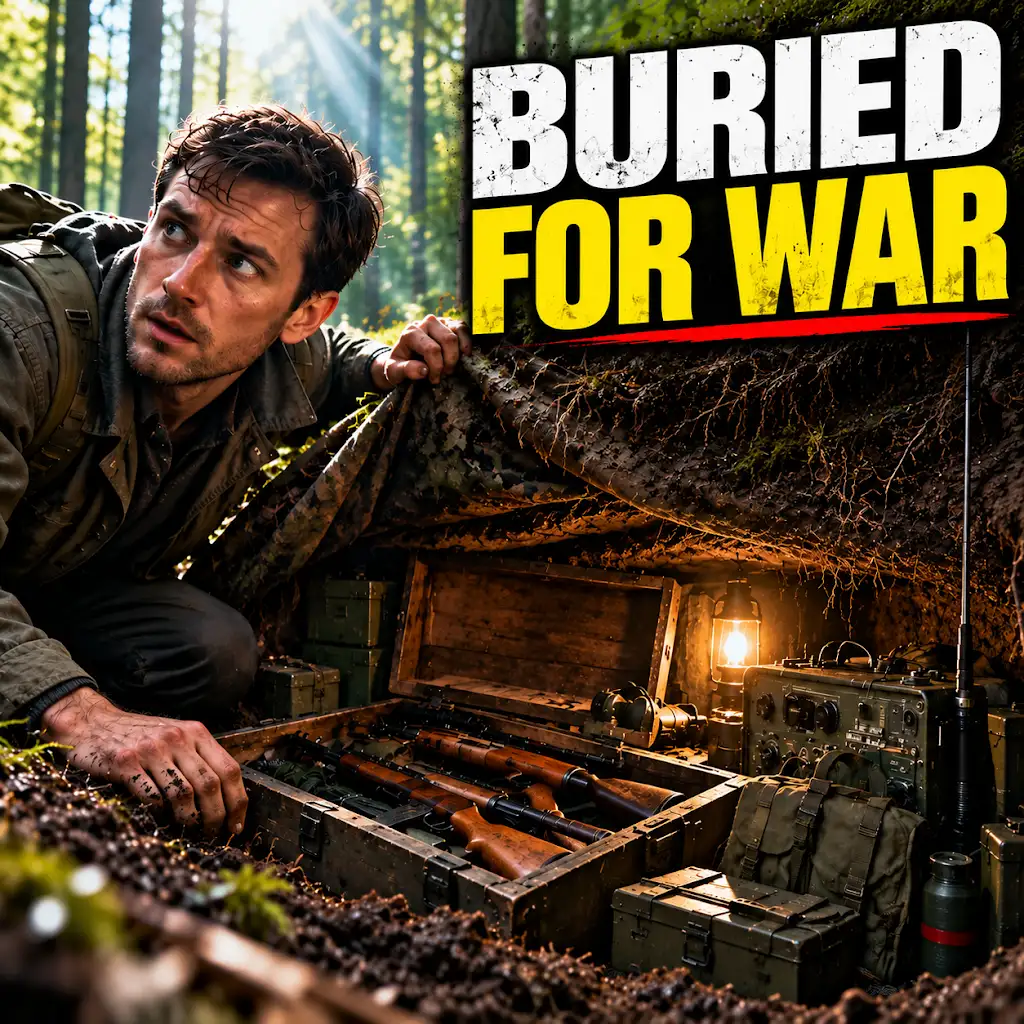
The Secret Armies NATO Prepared for a Soviet Invasion
FAQs
What is the CIA history documentary about?
The CIA history documentary provides a comprehensive overview of the Central Intelligence Agency’s origins, operations, and impact on global events. It delves into the agency’s role in espionage, covert operations, and intelligence gathering.
When was the CIA history documentary released?
The CIA history documentary was released in [insert year] and has since garnered attention for its in-depth exploration of the agency’s history and its influence on international affairs.
Who is featured in the CIA history documentary?
The documentary features interviews with former CIA officers, historians, and experts in the field of intelligence. It also includes archival footage and documents to provide a well-rounded perspective on the agency’s activities.
Where can I watch the CIA history documentary?
The CIA history documentary is available for streaming on various platforms, including [insert platforms]. It may also be available for purchase or rental through online retailers and DVD/Blu-ray distributors.
What makes the CIA history documentary significant?
The documentary offers a rare glimpse into the inner workings of the CIA and its impact on global politics. It sheds light on key historical events and controversies surrounding the agency, making it a valuable resource for those interested in intelligence and espionage.