NATO’s Preparations for Potential Soviet Invasion
The specter of Soviet expansionism loomed large over Western Europe for decades. Following the Second World War, the ideological chasm between the Soviet Union and the Western democracies widened into a deep and enduring geopolitical divide. The establishment of the North Atlantic Treaty Organization (NATO) in 1949 was a direct response to this perceived threat. Its primary purpose was to provide a collective security framework, ensuring that an attack on one member would be considered an attack on all, thereby deterring Soviet aggression. The history of NATO’s preparations for a potential Soviet invasion is a testament to the strategic foresight and military investment undertaken by its member states during the Cold War.
The post-war landscape was one of devastation and uncertainty. The Soviet Union, having emerged as a global superpower, consolidated its influence over Eastern Europe, establishing a bloc of satellite states. The Iron Curtain descended, dividing the continent and fueling anxieties in the West about the reach of communism.
The Truman Doctrine and Containment
The initial strategic response from the United States was articulated in the Truman Doctrine, which pledged support to nations threatened by communism. This doctrine of containment became the overarching ideology guiding Western foreign policy, aiming to prevent the further spread of Soviet influence. NATO was the military embodiment of this policy, creating a unified front to counter any overt Soviet military action.
The Brussels Treaty and the Need for a Broader Alliance
Even before NATO’s formation, European nations recognized the need for mutual defense. The Brussels Treaty of 1948, signed by Belgium, France, Luxembourg, the Netherlands, and the United Kingdom, laid the groundwork for a collective defense pact. However, the scale of the Soviet threat and the economic and military might of the United States necessitated a transatlantic alliance. The inclusion of North American powers brought crucial military and industrial capacity to the table, transforming a regional defense pact into a formidable global alliance.
In light of recent geopolitical tensions, NATO’s preparations for a potential Soviet invasion have become a focal point of discussion among military analysts and historians. An insightful article that delves into the strategic measures being implemented by NATO can be found at this link: NATO’s Strategic Response to Soviet Threats. This piece explores the historical context and the current implications of NATO’s readiness in the face of evolving threats.
Military Buildup and Deterrence Strategies
From its inception, NATO understood that deterrence was not solely a political or diplomatic endeavor. It required a robust and credible military posture capable of responding to, and ideally preventing, Soviet aggression. This involved a sustained and significant investment in military hardware, personnel, and strategic planning.
The Conventional Force Imbalance
In the early years of the Cold War, NATO faced a stark reality: the Warsaw Pact, the Soviet Union’s own military alliance formed in 1955, generally possessed superior numbers of conventional forces, particularly tanks and ground troops, in central Europe. This imbalance was a constant source of concern for NATO strategists.
Reinforcing the Front Lines
To address this, NATO focused on strengthening its forward-deployed conventional forces in West Germany. This included increasing the number of troops, improving their equipment, and enhancing their mobility. Exercises were regularly conducted to test and refine defensive tactics against a large-scale Soviet armored thrust. The philosophy was to create a “tripwire” effect, where a Soviet attack would immediately engage NATO forces, forcing a broader escalation that the Soviets would be hesitant to initiate.
The Role of Air Power
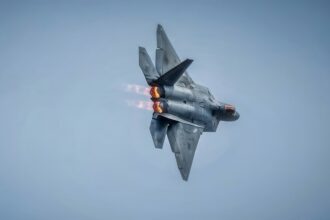
Air power played a critical role in NATO’s defense strategy. NATO air forces were tasked with achieving air superiority over the battlefield, interdicting Soviet supply lines, and providing close air support to ground troops. The development of advanced fighter jets and tactical bombers was a continuous priority. The potential for air power to delay or disrupt a Soviet advance was seen as vital in compensating for the numerical superiority of Warsaw Pact ground forces.
The Nuclear Dimension: Massive Retaliation and Flexible Response
The advent of nuclear weapons fundamentally altered the nature of deterrence. NATO grappled with the strategic implications of possessing nuclear arsenals, leading to the evolution of its nuclear strategy.
Massive Retaliation: The Early Doctrine
In the early days, the doctrine of “Massive Retaliation” was dominant. This strategy posited that any Soviet aggression, even a conventional one, would be met with a full-scale nuclear strike against the Soviet Union. The logic was that the sheer destructiveness of nuclear weapons would deter any attack. However, this doctrine was criticized for its inflexibility and the potential for it to lead to catastrophic escalation.
Flexible Response: Adapting to a Shifting Threat
As the Cold War progressed and both sides developed substantial nuclear arsenals, the risks associated with Massive Retaliation became increasingly apparent. This led to the adoption of the “Flexible Response” doctrine in the 1960s. Flexible Response aimed to provide NATO with a range of options for responding to Soviet aggression, from conventional military action to limited nuclear strikes, before resorting to a full-scale nuclear exchange.
Escalation Control and De-escalation
A key element of Flexible Response was the concept of escalation control. The idea was to manage the escalation of conflict, ideally de-escalating it at a lower level of intensity. This required a sophisticated understanding of Soviet decision-making and the development of clear signaling mechanisms.
The Nuclear Triad and Forward-Based Systems
NATO’s nuclear posture involved a “triad” of delivery systems: intercontinental ballistic missiles (ICBMs), submarine-launched ballistic missiles (SLBMs), and strategic bombers. Additionally, intermediate-range nuclear forces (INF) and tactical nuclear weapons were deployed in Europe to counter Soviet forces directly. The presence of American nuclear weapons stationed in Europe was a crucial component of the alliance’s deterrent, signaling a firm commitment to European defense.
Infrastructure and Logistics for War
Effective military operations, whether defensive or offensive, are heavily reliant on robust infrastructure and well-organized logistics. NATO understood that in the event of hostilities, the ability to move troops, equipment, and supplies rapidly and efficiently would be paramount.
Transportation Networks and Mobilization
NATO invested heavily in improving transportation infrastructure in Western Europe. This included upgrading roads, railways, and ports to facilitate the rapid deployment of Allied forces. Pre-positioned supplies and equipment were strategically located to reduce mobilization times. The concept of “Reinforcement” was central, envisaging the swift arrival of American and Canadian troops and materiel to bolster European defenses.
Allied Command Europe (ACE) and Logistics Hubs
The establishment of Allied Command Europe (ACE), headquartered in Casteau, Belgium, was instrumental in coordinating military operations and logistics. ACE oversaw the development of numerous logistics hubs and depots across Europe, ensuring that forces could be sustained throughout a conflict.
Communications and Command and Control
Maintaining effective communication and command and control (C2) was another critical area of preparation. NATO developed sophisticated communication networks, including secure radio and satellite systems, to ensure that commanders could maintain contact with their forces even in a disrupted environment. The development of integrated command structures allowed for coordinated decision-making and the efficient allocation of resources.
Early Warning Systems and Intelligence
Effective intelligence gathering and early warning systems were vital for detecting Soviet intentions and movements. NATO invested in radar installations, reconnaissance aircraft, and other intelligence-gathering assets to provide timely information to decision-makers. This enabled the alliance to respond proactively to potential threats.
Joint Exercises and Interoperability
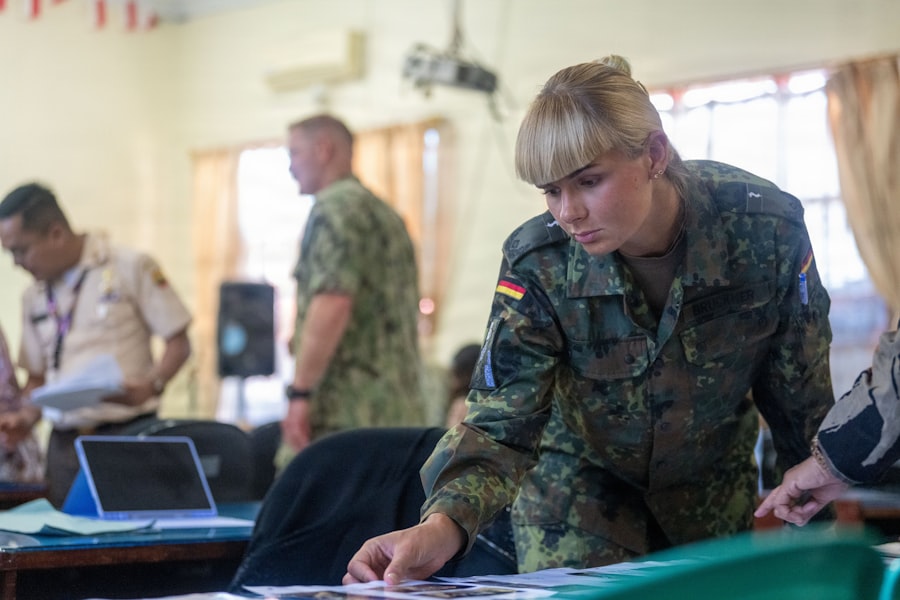
The effectiveness of a multinational alliance hinges on its ability to operate seamlessly as a cohesive unit. NATO placed a significant emphasis on joint military exercises and fostering interoperability among its member nations’ armed forces.
The Importance of Joint Training
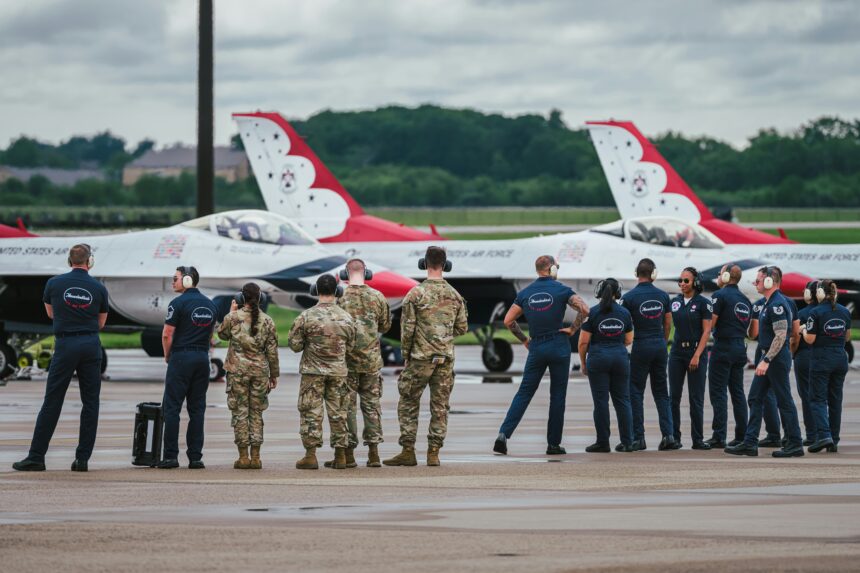
Through a continuous cycle of joint exercises, NATO forces trained together, learning to communicate, coordinate, and execute complex military operations. These exercises simulated various scenarios, from large-scale conventional warfare to counter-insurgency operations, and tested the alliance’s ability to respond to different types of threats.
Simulated Scenarios and Realistic Training
Exercises like “Reforger” (Return of Forces to Germany) were particularly significant. Reforger was a large-scale exercise designed to practice the rapid reinforcement of U.S. troops from the United States to West Germany. These simulations provided invaluable experience in troop deployment, logistics, and combined arms operations.
Interoperability: Speaking the Same Military Language
A major challenge for any alliance is ensuring that its member nations’ forces can operate together effectively. This requires a high degree of interoperability in terms of equipment, doctrine, and procedures. NATO worked diligently to standardize equipment where possible and to develop common procedures for command, control, and communication.
Standardizing Equipment and Procedures
While complete standardization was an aspirational goal, NATO made significant progress in ensuring that key equipment, such as communication systems and certain weapons platforms, were compatible. The development of common tactical manuals and training doctrines also played a crucial role in bridging differences.
In light of recent developments regarding NATO’s strategic posture, an insightful article discusses the alliance’s preparations for a potential Soviet invasion. The piece highlights the historical context and the measures taken by NATO to bolster its defenses during the Cold War era. For a deeper understanding of these preparations and their implications, you can read the full article here. This examination sheds light on the ongoing relevance of these strategies in today’s geopolitical landscape.
The Evolving Threat and Adapting Strategies
“`html
| Year | Number of NATO troops | Number of military exercises | Amount of military equipment deployed |
|---|---|---|---|
| 1980 | 500,000 | 20 | 500 tanks, 1000 aircraft |
| 1981 | 600,000 | 25 | 600 tanks, 1200 aircraft |
| 1982 | 700,000 | 30 | 700 tanks, 1400 aircraft |
“`
The Cold War was a dynamic period, and Soviet military doctrine and capabilities were not static. NATO’s preparations were not a one-time effort but a continuous process of adaptation and refinement in response to an evolving threat landscape.
The Warsaw Pact’s Military Modernization
Throughout the Cold War, the Warsaw Pact continued to modernize its forces, developing new tanks, aircraft, and missile systems. NATO closely monitored these developments and adjusted its own procurement and strategic planning accordingly. The arms race was a constant feature of the Cold War, pushing both sides to innovate and improve their military capabilities.
Countering New Soviet Technologies
When the Soviets introduced advanced weaponry, NATO had to develop countermeasures. This might involve developing new defensive systems, improving existing ones, or adapting offensive strategies to neutralize the new threats. The development of advanced anti-tank missiles, for example, was a direct response to the perceived threat of large Soviet armored formations.
The Shift in Soviet Doctrine: From Blitzkrieg to a More Nuanced Approach
While the image of a massive Soviet “Blitzkrieg” through Europe was a persistent concern, Soviet military doctrine also evolved. There were periods where the emphasis shifted towards more localized or limited conflicts, or towards the use of internal security forces. NATO’s preparations needed to be flexible enough to address these varied possibilities.
The Importance of Intelligence and Analysis
A robust intelligence apparatus was essential for understanding shifts in Soviet doctrine and intentions. NATO invested in human intelligence, signals intelligence, and open-source intelligence to provide a comprehensive picture of the Soviet military. This analysis informed strategic planning and resource allocation.
The Role of NATO’s Southern and Northern Flanks
While the primary focus of NATO’s preparations was often on the central front in Germany, the alliance also paid attention to its northern and southern flanks. The potential for Soviet naval operations in the Arctic and the Mediterranean, and the threat to countries like Norway, Turkey, and Greece, required specific strategic considerations and deployments.
Securing the Maritime Approaches
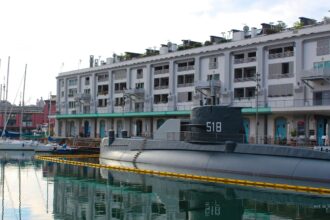
NATO’s naval forces played a crucial role in controlling sea lanes, particularly in the North Atlantic, to prevent Soviet naval dominance and to facilitate the reinforcement of Europe. The surveillance and interdiction of Soviet submarines and surface vessels were key operational objectives.
Addressing Regional Threats
The security of the Mediterranean and the Black Sea was also a significant concern. NATO maintained a naval presence in these regions to deter Soviet influence and to protect member states’ interests. The challenges posed by varying terrain and political landscapes on the southern and northern flanks required tailored approaches to defense.
In conclusion, NATO’s preparations for a potential Soviet invasion were a monumental undertaking that spanned decades and involved an unprecedented level of cooperation and investment among its member states. From the establishment of a collective security framework to the development of sophisticated military strategies, robust infrastructure, and rigorous joint training, the alliance meticulously built the capabilities necessary to deter and, if necessary, to defend against Soviet aggression. The legacy of these preparations continues to inform NATO’s approach to collective defense in the 21st century, demonstrating the enduring value of strategic foresight and the power of a united front in maintaining peace and security.

The Secret Armies NATO Prepared for a Soviet Invasion
FAQs
What is NATO?
NATO, or the North Atlantic Treaty Organization, is an intergovernmental military alliance between 30 North American and European countries. It was established in 1949 to provide collective defense against the Soviet Union and has since evolved to address new security challenges.
What are NATO’s preparations for a potential Soviet invasion?
NATO has implemented a range of measures to prepare for a potential Soviet invasion, including increasing military exercises and training, enhancing infrastructure and logistics capabilities, and improving intelligence sharing among member countries. These preparations are aimed at deterring aggression and ensuring the alliance’s ability to respond effectively if necessary.
How does NATO assess the threat of a Soviet invasion?
NATO regularly conducts threat assessments based on intelligence gathering, military analysis, and geopolitical developments. These assessments consider factors such as Russian military capabilities, political intentions, and regional tensions to evaluate the likelihood and potential impact of a Soviet invasion.
What role do member countries play in NATO’s preparations for a Soviet invasion?
Each NATO member country is responsible for contributing to the alliance’s collective defense efforts. This includes maintaining military readiness, participating in joint exercises and operations, and supporting the development of capabilities needed to counter potential threats, such as a Soviet invasion.
How does NATO’s preparations for a Soviet invasion impact international security?
NATO’s preparations for a potential Soviet invasion are part of broader efforts to maintain stability and security in Europe and beyond. By demonstrating a strong deterrent posture and a commitment to collective defense, NATO aims to prevent conflict and promote peace, while also sending a clear signal to potential adversaries about the alliance’s resolve to protect its members.