Whispers from the Deep: Unraveling the K-22 Enigma
The frigid waters of the North Atlantic held secrets aplenty during the Cold War, and among the most chilling was the fate of the Soviet submarine K-22. Its disappearance in 1968, amidst a tense global standoff between superpowers, ignited a firestorm of speculation, fueled by cryptic reports and a pervasive atmosphere of espionage. More than just a lost vessel, the K-22 incident became a potent symbol of the silent, deadly ballet of naval power that defined an era, leaving behind a legacy of unanswered questions that continue to intrigue historians and naval enthusiasts alike. The official Soviet account, sparse and deliberately opaque, offered little solace, while Western intelligence agencies scrambled to piece together fragments of information, each rumor adding another layer to the unfolding mystery.
The Soviet submarine K-22 incident, which involved a dramatic underwater confrontation during the Cold War, highlights the tense maritime dynamics of the era. For a deeper understanding of the geopolitical implications and the technological advancements in submarine warfare during that time, you can read a related article on this topic at In the War Room. This resource provides valuable insights into the strategic decisions made by naval forces and the impact of such incidents on international relations.
The Strategic Landscape: A World on Edge
The late 1960s was a period of heightened geopolitical tension. The United States and the Soviet Union, locked in an ideological struggle, maintained a constant state of alert, their military might deployed across the globe. The oceans, vast and largely uncharted, became a crucial battleground, a domain where the superpowers could project power, conduct reconnaissance, and pose a constant threat to the other. Submarine warfare, in particular, had reached new levels of sophistication and importance. Nuclear-powered submarines, capable of remaining submerged for extended periods and launching devastating ballistic missiles, were the ultimate deterrent and a potent offensive weapon. The Soviets, driven by a desire to match American naval superiority, poured immense resources into their submarine fleet, developing vessels that were both technologically advanced and, at times, notoriously prone to operational issues. The K-22, a project of the Kilo-class of diesel-electric submarines, represented a significant but not cutting-edge element of this expansive Soviet naval program. Its operations, therefore, were part of a broader strategic imperative – to maintain a credible presence in strategically vital areas and to challenge Western dominance.
The Silent Service: Submarines as Instruments of Deterrence
Submarines, often referred to as the “silent service,” played a pivotal role in Cold War strategy. Their ability to operate unseen beneath the waves made them ideal for intelligence gathering, reconnaissance missions, and the covert deployment of weapons. The threat of a submarine-launched ballistic missile (SLBM) strike was a cornerstone of nuclear deterrence, forcing both sides to maintain a constant watch and to develop sophisticated anti-submarine warfare (ASW) capabilities. The deployment of Soviet submarines in areas like the North Atlantic was a direct response to the presence of American carrier groups and missile submarines, aiming to create a credible retaliatory capability and to disrupt Western naval operations. The K-22, though a diesel-electric boat and thus less capable of sustained submerged operations than its nuclear counterparts, still served a crucial purpose in these strategic deployments, particularly for shorter-range missions or in areas where acoustic detection of nuclear submarines was more likely. Its presence would have been a known quantity to Western intelligence, adding to the constant surveillance and counter-surveillance efforts that characterized the era.
Soviet Naval Ambitions: Building a Blue-Water Fleet
The Soviet Union, a nation with a long coastline but historically limited access to warm-water ports, harbored ambitions of becoming a true blue-water navy. This aspiration fueled a massive shipbuilding program throughout the Cold War, aiming to project Soviet influence globally. The development of a robust submarine force was central to this strategy, allowing them to bypass geographical limitations and operate in oceans far from their shores. The K-22, as part of a larger class of submarines, contributed to this expansionist vision. Its missions would have been carefully planned to achieve specific strategic objectives, whether it was shadowing NATO naval exercises, conducting intelligence gathering along important shipping lanes, or demonstrating Soviet naval prowess in contested waters. The loss of any vessel, especially during a period of such intense naval activity, was a significant blow to these ambitions and a source of considerable concern for Soviet naval command.
The Disappearance: A Vanishing Act in the North Atlantic
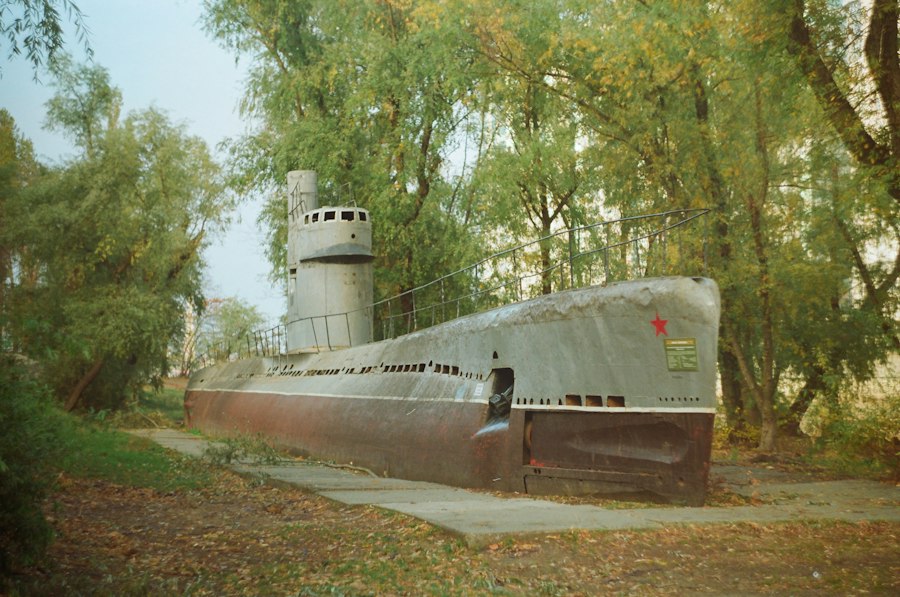
The events surrounding the disappearance of K-22 remain shrouded in ambiguity. The Soviet Union announced that the submarine was lost on April 11, 1968, during routine exercises in the North Atlantic. However, details were scant. No official explanation for the cause of the loss was ever provided, leading to a vacuum that was quickly filled by speculation. Western intelligence agencies, always eager to gle
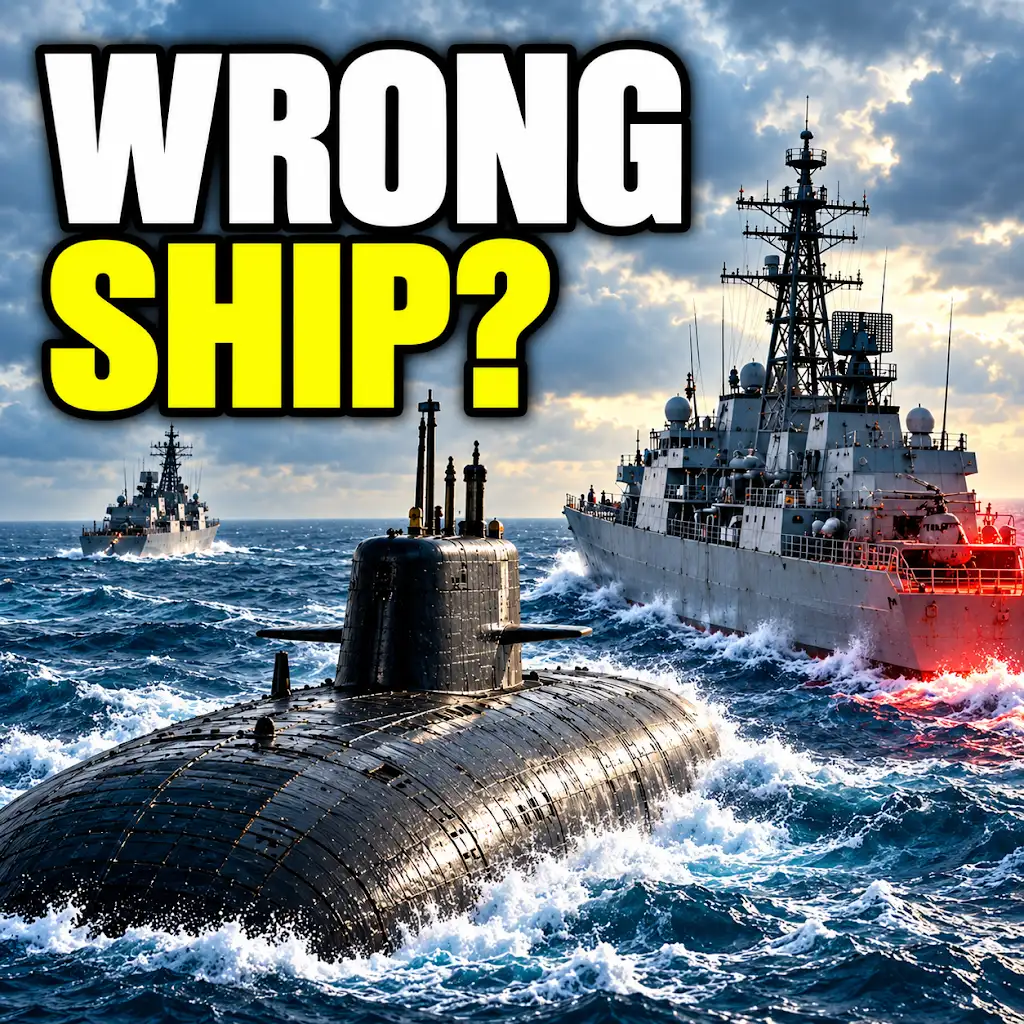
A Soviet Submarine Hit a U.S. Frigate. Was It the Wrong Ship?
FAQs
What was the Soviet submarine K-22 incident?
The Soviet submarine K-22 incident refers to the accidental collision between the Soviet submarine K-22 and the USS Gato-class submarine USS Queenfish on October 6, 1958, in the Bering Sea.
How did the Soviet submarine K-22 incident occur?
The incident occurred when the Soviet submarine K-22 surfaced directly in front of the USS Queenfish, causing a collision between the two submarines.
What were the consequences of the Soviet submarine K-22 incident?
As a result of the collision, the Soviet submarine K-22 suffered significant damage to its bow, while the USS Queenfish sustained damage to its sail and periscope.
Were there any casualties or injuries during the Soviet submarine K-22 incident?
Fortunately, there were no casualties or injuries reported as a result of the collision between the Soviet submarine K-22 and the USS Queenfish.
How did the Soviet Union and the United States handle the aftermath of the K-22 incident?
Following the incident, both the Soviet Union and the United States downplayed the collision, with the Soviet Union initially denying that the incident had occurred. Eventually, the two countries reached a diplomatic resolution to the incident.