Prussian Military Map Exercises: Enhancing Tactical Skills
The rigorous and systematic approach to military training adopted by Prussia in the 19th century laid the groundwork for many modern tactical doctrines. Central to this development were extensive and highly effective military map exercises. These simulations, conducted without actual troop movements or expenditures, provided a crucial environment for officers to hone their strategic and tactical acumen. Through meticulous planning, detailed analysis, and intense intellectual engagement, Prussian map exercises fostered an understanding of warfare that proved devastatingly effective on the battlefield. They were not merely academic endeavors but practical tools for cultivating the sharpest minds capable of navigating the complexities of war.
The Prussians, recovering from defeats in the Napoleonic Wars, recognized a critical need to modernize their military structure and training. This era witnessed a profound shift in military philosophy, moving away from rote memorization and brute force towards intellectual rigor and adaptive strategy.
The Influence of the Napoleonic Wars
The shock of early 19th-century defeats, particularly at Jena-Auerstedt, forced Prussian reformers to confront the shortcomings of their existing military system. Napoleon’s innovative tactics, speed, and adaptability exposed the rigidity of the Prussian army. This realization spurred a period of intense introspection and reform, seeking to understand not just how battles were fought, but why certain strategies succeeded and others failed.
The Rise of the General Staff
A cornerstone of these reforms was the establishment and empowerment of the Prussian General Staff. This body of highly trained officers was tasked with planning campaigns, analyzing enemy capabilities, and, crucially, developing and executing military exercises. The map exercise became a primary instrument for the General Staff to disseminate its evolving doctrines and test the intellectual capacity of its future leaders.
Emphasis on Education and Professionalism
Prussian military education underwent a significant transformation. The Kriegsakademie (War Academy) became a central institution for training officers, focusing on theoretical knowledge, historical analysis, and practical problem-solving. Map exercises were a core component of the curriculum, ensuring that aspiring officers were not only knowledgeable in military history and theory but also capable of applying that knowledge in dynamic, simulated scenarios.
The Prussian military map exercises have long been a subject of interest for historians and military strategists alike, as they highlight the innovative approaches to warfare and training that characterized the Prussian army. For a deeper understanding of these exercises and their impact on military tactics, you can explore a related article that delves into the evolution of military training methods throughout history. This insightful piece can be found at this link.
The Mechanics of the Map Exercise
Prussian map exercises were far from simple games of soldiers on paper. They were elaborate, time-consuming, and designed to replicate the pressures and uncertainties of actual combat as closely as possible within the confines of a classroom or study.
The Role of the Map and Terrain
The foundation of any map exercise was the map itself. Highly detailed topographical maps, often of specific operational areas or historical battlefields, were used. These maps were not just representations of the ground but were imbued with information about terrain features, infrastructure, population centers, and potential supply routes.
Detailed Topographical Representation
The accuracy and detail of the maps were paramount. Every hill, valley, forest, river, and road was meticulously represented, allowing participants to visualize the battlefield in three dimensions. This emphasis on accurate terrain representation was crucial for understanding lines of sight, avenues of approach, and defensive positions.
Incorporation of Dynamic Elements
Beyond static terrain, exercises often incorporated dynamic elements like weather conditions, time of day, and even the presence of civilian populations, all of which could influence tactical decisions and operational timelines. These elements added layers of complexity and forced participants to consider a broader range of factors.
The Prussian military map exercises have long been a subject of interest for historians and military strategists alike, as they highlight the innovative tactics and methodologies that shaped modern warfare. For those looking to delve deeper into the evolution of military training and its impact on contemporary strategies, a related article can be found at In the War Room, which explores the significance of these exercises in the context of military history. This resource provides valuable insights into how the Prussian approach has influenced various military doctrines around the world.
The Scenario and its Objectives
Each map exercise was built around a carefully crafted scenario. These scenarios could range from defensive operations to complex offensive maneuvers, often drawing inspiration from historical campaigns or hypothetical future conflicts. The objectives were clearly defined, forcing participants to strategize and plan to achieve specific military goals.
Historical Case Studies
Many exercises drew directly from historical battles, allowing participants to analyze decisions made by famous commanders, understand the consequences of those decisions, and explore alternative courses of action. This historical perspective was vital for learning from past successes and failures.
Hypothetical Future Conflicts
To prepare for unforeseen challenges, hypothetical scenarios were also developed, often focusing on emerging military technologies or evolving geopolitical landscapes. These exercises pushed participants to think creatively and develop innovative solutions to novel problems.
The Participants and their Roles
Map exercises involved a hierarchical structure, mirroring the chain of command in the army. Senior officers often acted as umpires or provided guidance, while junior officers and cadets took on the roles of corps commanders, division commanders, and even subordinate unit leaders.
The Umpire’s Crucial Function
The umpire, often a seasoned officer, played a critical role in guiding the exercise. They were responsible for interpreting rules, resolving disputes, assessing performance, and ensuring the exercise remained realistic and challenging. Their experience was invaluable in providing constructive feedback.
Simulating Command and Control
Participants were assigned specific commands and given time limits to issue orders, assess intelligence, and react to simulated enemy moves. This process forced them to practice communication, delegation, and the management of information flow, mirroring the challenges of real command.
The Flow of the Exercise: Moves and Counter-Moves
The exercise progressed through a series of “moves” and “counter-moves.” One side, representing the aggressor, would outline its planned actions based on the scenario. The other side, the defender, would then analyze the threat and devise its response. This iterative process continued, with each side reacting to the other’s actions.
Intelligence Gathering and Analysis
Participants were provided with simulated intelligence reports, often incomplete or contradictory, requiring them to exercise critical judgment and infer enemy intentions. The ability to sift through information and draw accurate conclusions was a key skill tested.
Decision-Making Under Pressure
Strict time limits were imposed for each phase of the exercise, replicating the pressure of battlefield decision-making. Officers had to make choices with incomplete information and under the constant threat of an evolving situation.
Evaluation and Debriefing
The most critical phase of the map exercise was the debriefing. Following the simulation, a thorough analysis of the decisions made, the execution of plans, and the overall outcomes took place. This was where learning truly occurred, with umpires and senior officers providing detailed critiques and explanations.
Key Tactical Principles Developed

Through the rigorous application of map exercises, Prussian military thinkers cultivated and disseminated a number of core tactical principles that became synonymous with their military prowess.
Maneuver Warfare and the Cult of the Offensive
Prussian doctrine strongly favored offensive action and the principle of maneuver. Map exercises allowed officers to explore how to achieve decisive results not through frontal assaults but by outmaneuvering the enemy, seizing key terrain, and disrupting their lines of communication and supply.
Speed and Initiative
Exercises emphasized the importance of speed and seizing the initiative. Participants learned that decisive action, even if imperfectly executed, was often preferable to hesitant delay. This fostered a proactive and aggressive mindset.
Concentrating Force at the Decisive Point
A recurring theme in map exercises was the principle of concentrating superior force at the decisive point. Officers learned to identify the enemy’s critical vulnerabilities and to mass their own forces to exploit these weaknesses for maximum impact.
The Importance of Logistics and Support
While focusing on combat, map exercises also underscored the vital role of logistics and support. Participants had to consider supply lines, reinforcement routes, and the impact of terrain on their ability to sustain operations.
Securing Lines of Communication
Exercises often simulated situations where lines of communication were threatened or cut, forcing participants to plan for their security and to consider the consequences of their disruption on combat effectiveness.
Sustainment of Operations
The ability to sustain combat operations over time was a crucial aspect tested. Officers had to plan for resupply, medical support, and troop welfare, recognizing that a brilliantly executed battle could be lost if the army could not be maintained.
Adapting to the Fog of War
The inherent uncertainties of warfare, often referred to as the “fog of war,” were deliberately incorporated into map exercises. Incomplete intelligence, unexpected enemy actions, and unforeseen circumstances forced participants to develop flexibility and adaptability.
Dealing with Uncertainty and Incomplete Information
Participants learned to make decisions based on the best available information, acknowledging that perfect intelligence was rarely obtainable. This fostered a sense of pragmatism and the ability to act decisively even when faced with ambiguity.
Contingency Planning and Flexibility
Map exercises encouraged the development of contingency plans. Officers were challenged to think ahead and prepare for a range of potential outcomes, enabling them to react swiftly and effectively when circumstances changed.
The Evolution and Legacy of Map Exercises
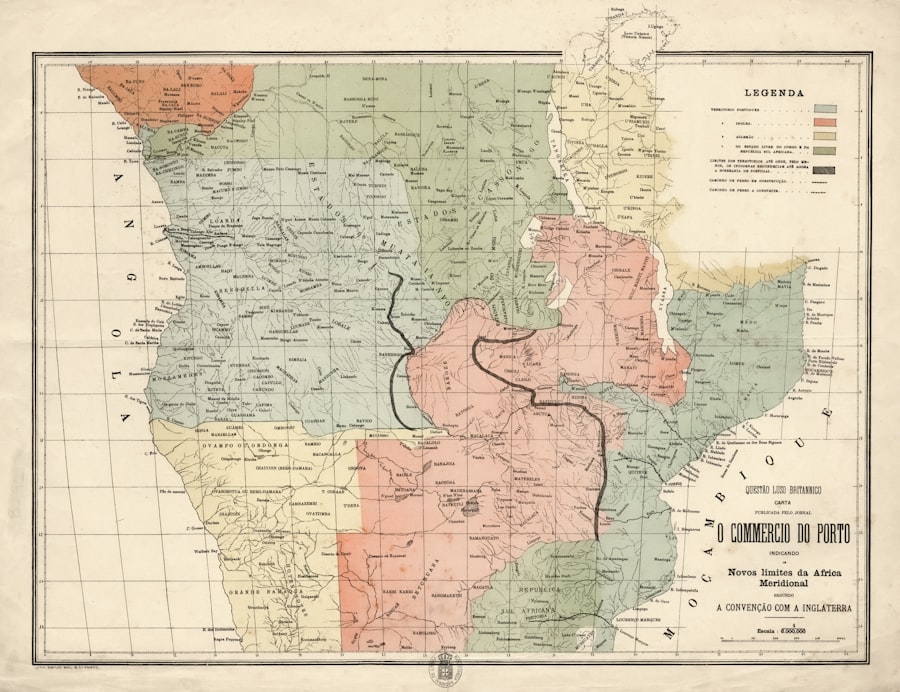
The Prussian model of map exercises was not static. It evolved over time, incorporating new technologies and adapting to changing military realities. Its influence extended far beyond Prussia, shaping military training and doctrine across the globe.
Technological Advancements and their Integration
As technology evolved, so too did map exercises. The introduction of more sophisticated mapping tools, communication devices, and even early forms of simulations allowed for increasingly complex and realistic scenarios.
From Paper to Early Simulations
While the core of the exercise remained paper-based, the sophistication of the planning and the detail of the simulations increased. The development of communication systems, even rudimentary ones, allowed for more nuanced command and control exercises.
Impact on Future Military Technologies
The demands and challenges highlighted in map exercises often spurred the development of new military technologies, from improved communication systems to more advanced artillery and armored vehicles.
The German General Staff and its Influence
The German General Staff, the direct descendant of its Prussian predecessor, continued to utilize and refine map exercises as a cornerstone of its training. This continuity ensured that the legacy of rigorous tactical preparation was maintained.
The Unparalleled Reputation of the German Military
The effectiveness of the German military in the late 19th and early 20th centuries owed a significant debt to its systematic and intellectual approach to warfare, heavily influenced by its robust map exercise program.
Dissemination of Doctrine Globally
The success of the German military led many nations to study and emulate their training methods. Map exercises became a standard component of officer education in armies around the world, adapted to their own strategic needs and operational environments.
Modern Relevance in Contemporary Warfare
Even in the age of advanced digital simulations and virtual reality, the fundamental principles of Prussian map exercises remain highly relevant. The intellectual rigor, strategic thinking, and tactical problem-solving they fostered are timeless qualities essential for any military leader.
Enduring Principles of Strategic Thinking
The core lessons of map exercises – understanding terrain, logistics, enemy capabilities, and the importance of decisive action – continue to be fundamental to military strategy and operations.
The Foundation of Modern Wargaming
Today’s sophisticated digital wargames and simulations owe a direct lineage to the foundational concepts pioneered by the Prussian military map exercises. They represent the evolution of a training methodology designed to develop the critical thinking and tactical prowess required for success in conflict. The Prussian approach, by emphasizing intellectual engagement and systematic analysis, provided a blueprint for developing military leaders capable of adapting and succeeding on the ever-changing battlefield.
The Military Machine That Didn’t Need a Napoleon
FAQs
What are Prussian military map exercises?
Prussian military map exercises were training exercises developed by the Prussian military in the 19th century to improve the map reading and navigation skills of their officers and soldiers.
Why were Prussian military map exercises important?
Prussian military map exercises were important because they helped to improve the tactical and strategic skills of the Prussian military by teaching them how to effectively read and use maps in the field.
How were Prussian military map exercises conducted?
Prussian military map exercises were conducted through a series of training activities that involved map reading, navigation, and tactical decision-making in simulated battlefield scenarios.
What impact did Prussian military map exercises have on military training?
Prussian military map exercises had a significant impact on military training worldwide, as they demonstrated the importance of map reading and navigation skills in military operations.
Are Prussian military map exercises still relevant today?
While the specific exercises developed by the Prussian military may not be used today, the principles of map reading, navigation, and tactical decision-making that they emphasized are still highly relevant in modern military training.