The Shadow Beneath the Waves
The year 1976 marked a pivotal moment in the Cold War, a period of intense geopolitical maneuvering where the visible tensions on land and in the air were often mirrored by a silent, submerged struggle beneath the waves. Nowhere was this struggle more pronounced and strategically significant than in the Mediterranean Sea. For the Soviet Union, this azure expanse was more than just a scenic waterway; it was a vital strategic arena, a gateway to projecting power, and a critical chokepoint that needed to be contested. Soviet submarine operations in the Mediterranean during 1976 were not merely routine patrols; they were a deliberate and multifaceted effort to challenge American and NATO naval dominance, gather intelligence, and signal Soviet resolve to allies and adversaries alike. Understanding these operations offers a profound insight into the broader dynamics of the Cold War, revealing the calculated risks, technological advancements, and the ever-present threat of escalation that characterized this era. The presence of Soviet submarines was a constant, unseen force, shaping naval deployments, influencing diplomatic discourse, and underscoring the global reach of the superpower rivalry.
In 1976, the presence of Soviet submarines in the Mediterranean Sea raised significant concerns among NATO allies, as these submarines were seen as a strategic threat during the Cold War. For a deeper understanding of the geopolitical implications and the naval strategies employed during this period, you can read a related article that explores the dynamics of Soviet naval operations in the Mediterranean. For more information, visit this article.
Strategic Imperatives of Mediterranean Submarine Deployment
The Soviet Union’s interest in the Mediterranean was deeply rooted in its strategic objectives. The sea provided direct access to the southern flank of NATO, a critical area for both offense and defense. For the Soviets, controlling or at least heavily influencing the Mediterranean meant disrupting NATO’s ability to reinforce Europe, potentially severing vital supply lines, and providing a launchpad for projecting power into the Middle East and North Africa, regions of immense strategic and economic importance. Submarines, with their inherent stealth and offensive capabilities, were the ideal instruments for achieving these aims.
Access and Influence in the Southern Flank
In 1976, the Mediterranean was a crucial theater for Soviet aspirations to gain leverage against NATO. The presence of Soviet submarines was a direct challenge to the established naval order dominated by the United States Sixth Fleet. By deploying submarines, the Soviets aimed to demonstrate their capacity to operate effectively far from their home waters, signaling to both Western powers and regional actors that their influence extended into this strategically vital region. This presence served as a constant deterrent against overt NATO aggression and provided a tangible asset for diplomatic bargaining. The Soviet Mediterranean Squadron (EsKs) was a significant naval formation, and its submarine component was its most potent weapon. Their operations were designed to keep NATO navies constantly on edge, forcing them to divert resources and attention to monitoring and countering the submerged threat.
Projection of Power and Global Reach
Beyond the immediate strategic concerns within the Mediterranean basin, Soviet submarine operations in 1976 also served a broader purpose: demonstrating the USSR’s global reach and its capacity to challenge American naval supremacy anywhere in the world. The Mediterranean, situated at the crossroads of Europe, Asia, and Africa, was an ideal showcase for this capability. By successfully operating sophisticated submarines in these waters, the Soviets aimed to project an image of a superpower capable of projecting force and protecting its interests on a global scale. This projection of power was a key component of Soviet foreign policy, intended to bolster its standing among developing nations and to sow seeds of doubt within the Western alliance. The submarines, operating silently and unseen, were a potent symbol of Soviet military might, a constant reminder that the Cold War struggle was not confined to a single continent.
Types of Soviet Submarines and Their Roles in 1976
The effectiveness of Soviet submarine operations in 1976 was a testament to the diversity and technological advancement of its submarine fleet. While specific operational details remain classified, available information points to the deployment of various classes of submarines, each with distinct roles and capabilities tailored to the unique demands of Mediterranean operations. From silent nuclear-powered attack submarines to diesel-electric boats designed for quieter operations and specific missions, the Soviet Union employed a sophisticated arsenal.
Nuclear-Powered Attack Submarines (SSNs)
The backbone of the Soviet submarine force in the Mediterranean in 1976 were its nuclear-powered attack submarines, or SSNs. These formidable vessels, such as the Victor-class and potentially early versions of the Akula-class, were designed for sustained operations, high speeds, and advanced sonar capabilities. Their primary roles included hunting enemy submarines and surface ships, conducting intelligence gathering through electronic eavesdropping and visual reconnaissance, and posing a direct threat to NATO carrier battle groups and other high-value targets. The SSNs’ endurance allowed them to remain submerged for extended periods, making them exceptionally difficult to detect and track. Their presence in the Mediterranean was a significant cause for concern for NATO navies, as they represented a credible and potent threat to the freedom of the seas for the Western alliance. The advanced acoustic sensors and torpedo armament of these submarines made them a formidable adversary, capable of operating deep within contested waters.
Diesel-Electric Submarines (SSKs)
While nuclear submarines dominated the headlines and the strategic discussions, diesel-electric submarines, or SSKs, also played a vital role in Soviet Mediterranean operations in 1976. Classes like the Kilo and Foxtrot were likely deployed. These submarines, while possessing shorter endurance and lower speeds than their nuclear counterparts, offered distinct advantages, particularly in terms of quieter operation, making them ideal for clandestine intelligence gathering, special operations, and operations in shallower waters where nuclear submarines might be more easily detected. Their relative simplicity and lower cost also allowed for a larger overall presence. SSKs could conduct long patrols near enemy coastlines, employing their stealth to gather crucial intelligence on naval movements and ship characteristics. They also served as a valuable training platform and a means of maintaining a consistent, albeit less potent, presence in the region. Their ability to operate on battery power for extended periods without surfacing significantly enhanced their stealth, making them a persistent, unseen threat.
In 1976, the presence of Soviet submarines in the Mediterranean raised significant concerns among NATO allies, highlighting the strategic importance of this region during the Cold War. The activities of these submarines were closely monitored, as they played a crucial role in the Soviet Union’s naval strategy. For a deeper understanding of the geopolitical implications of these maneuvers, you can read more in this insightful article on the topic. Check it out here: Soviet Submarine Operations in the Mediterranean.
Cruise Missile Submarines (SSGNs)
The presence of Soviet cruise missile submarines, or SSGNs, in the Mediterranean during 1976 cannot be overstated. Submarines equipped with anti-ship cruise missiles, such as the Charlie-class and potentially early Echo-class submarines, represented a significant escalation in Soviet naval capability. These submarines could launch their potent missiles from submerged positions, posing a devastating threat to NATO surface fleets, particularly aircraft carriers and their escorting cruisers and destroyers. The ability to strike from beneath the waves with such a powerful offensive weapon drastically altered the tactical calculus for naval engagements. The range and destructive power of these missiles meant that a single well-executed attack could cripple or sink multiple capital ships, forcing NATO navies to adopt more dispersed and defensive formations. This capability was a cornerstone of Soviet anti-access strategy, aiming to deny the United States the ability to project naval power effectively in the Mediterranean.
Operational Tactics and Encounter Scenarios
Soviet submarine operations in the Mediterranean in 1976 were
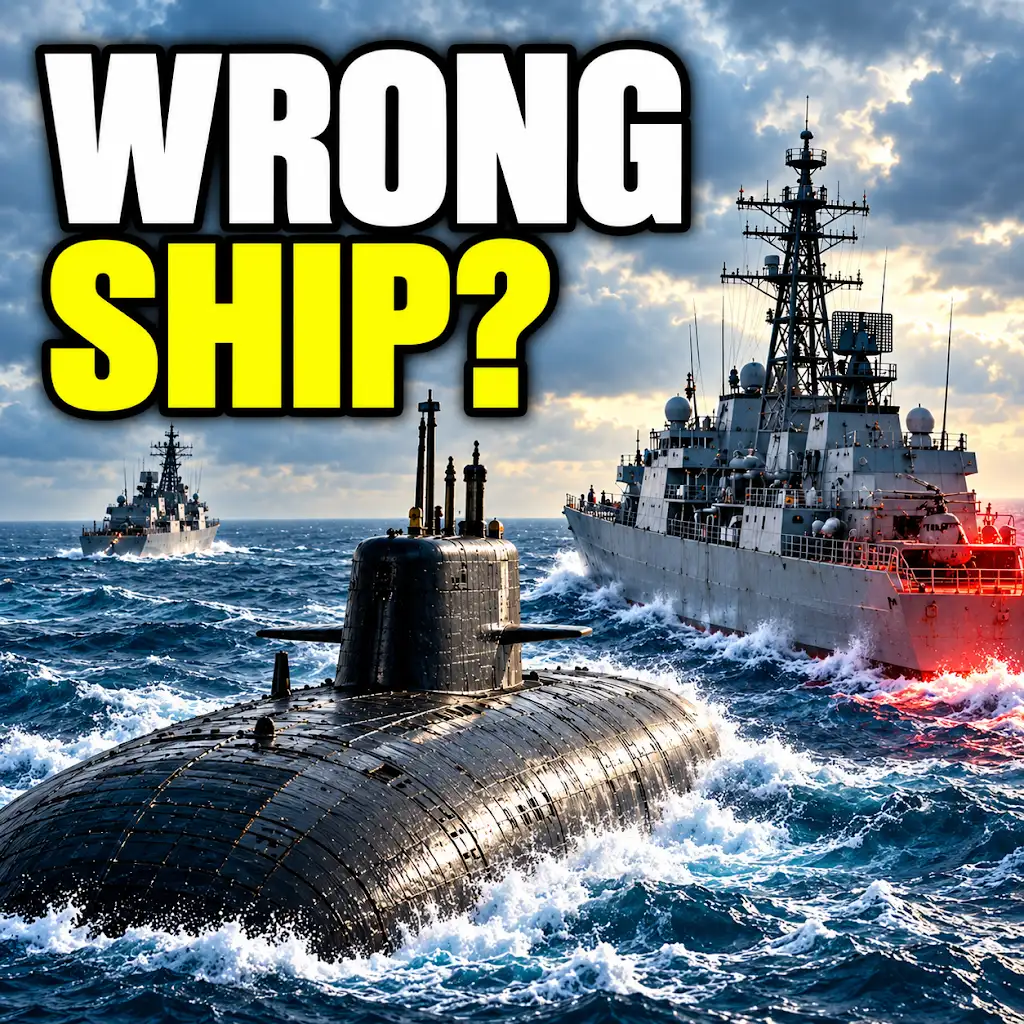
A Soviet Submarine Hit a U.S. Frigate. Was It the Wrong Ship?
FAQs
What was the purpose of the Soviet submarine in the Mediterranean in 1976?
The Soviet submarine in the Mediterranean in 1976 was part of the Soviet Navy’s mission to patrol and gather intelligence in the region during the Cold War.
How did the presence of the Soviet submarine impact international relations in 1976?
The presence of the Soviet submarine in the Mediterranean in 1976 heightened tensions between the Soviet Union and Western countries, leading to increased surveillance and military readiness in the region.
Were there any incidents involving the Soviet submarine in the Mediterranean in 1976?
Yes, there were incidents involving the Soviet submarine in the Mediterranean in 1976, including encounters with NATO forces and close surveillance by Western navies.
Did the Soviet submarine in the Mediterranean in 1976 face any challenges during its mission?
Yes, the Soviet submarine in the Mediterranean in 1976 faced challenges such as evading detection by enemy forces, navigating through busy shipping lanes, and maintaining communication with headquarters.
How long did the Soviet submarine stay in the Mediterranean in 1976?
The exact duration of the Soviet submarine’s presence in the Mediterranean in 1976 is not publicly disclosed, but it is known that Soviet submarines regularly conducted missions in the region for extended periods of time during the Cold War.