The Cold War, a protracted period of geopolitical tension between the United States and the Soviet Union and their respective allies, was not merely a clash of ideologies but a meticulously orchestrated global competition that demanded an unparalleled level of strategic logistical planning. This analysis delves into the intricate logistical frameworks that underpinned the Cold War, examining how supply chains, infrastructure, and resource management were leveraged as potent weapons in shaping the global balance of power and influencing the trajectory of human events. From the punctual delivery of vital matériel to the maintenance of formidable military postures across vast distances, logistics was the silent, often invisible, engine driving this unprecedented confrontation.
The ability to project power and maintain military readiness on a global scale hinged on the robust and resilient logistics networks established by both superpowers. These networks were not static; they evolved significantly throughout the Cold War, adapting to changing technological landscapes, geopolitical pressures, and the ever-present threat of conflict. The sheer scale of operations, spanning continents and oceans, required a level of foresight and coordination that bordered on the miraculous.
Transatlantic Lifelines: The Marshall Plan and Soviet Bloc Integration
The immediate post-World War II era saw the United States initiate the Marshall Plan, a monumental logistical undertaking designed to rebuild Western Europe and, crucially, to counter the burgeoning influence of the Soviet Union. This was not simply an act of altruism; it was a strategic investment in economic and political stability, with logistics at its core. The systematic delivery of food, fuel, machinery, and raw materials to war-torn nations required a complex web of shipping, warehousing, and distribution. American industrial might, a testament to its own sophisticated logistical capabilities, was unleashed to produce and transport these essential goods.
The Soviet Union, in response, implemented its own model of integration within its sphere of influence. The Council for Mutual Economic Assistance (COMECON) aimed to coordinate economic planning and resource allocation among its member states. While often characterized by centralized command and control, this system also relied on intricate logistical planning to ensure the flow of raw materials, manufactured goods, and energy across the Eastern Bloc. The success of these endeavors was directly tied to the efficiency and responsiveness of their respective logistical apparatus.
Resource Acquisition and Strategic Stockpiling
The Cold War was an insatiable consumer of resources. Both the United States and the Soviet Union recognized the critical importance of securing access to raw materials essential for military production and economic sustainability. This led to a concerted effort to establish and maintain secure supply chains for vital commodities such as oil, rubber, rare earth minerals, and metals. Geopolitical maneuverings, including military interventions and alliances, were often driven by the need to protect these resource flows.
Furthermore, the concept of strategic stockpiling became a cornerstone of logistical planning. Nations maintained vast reserves of essential goods, from ammunition and fuel to medical supplies and even food, to ensure operational continuity in the event of a prolonged conflict or disruption to global trade. The meticulous management of these stockpiles, including monitoring their condition, rotation, and replenishment, represented a significant logistical challenge. The looming specter of nuclear war also necessitated the stockpiling of civil defense materials and the creation of hardened storage facilities, further expanding the logistical footprint.
The logistics behind the Cold War played a crucial role in shaping the strategies and outcomes of this prolonged geopolitical tension. For a deeper understanding of the intricate supply chains and logistical planning that underpinned military operations during this era, you can explore the article titled “Logistical Strategies in the Cold War” available at In the War Room. This article delves into the complexities of resource allocation, transportation, and communication that were essential for both the United States and the Soviet Union in their quest for dominance.
Maintaining the Perimeter: Military Logistics in a Bipolar World
The ideological chasm between the superpowers manifested in a global military standoff. The logistical challenges of maintaining forces on multiple continents, responding to crises at a moment’s notice, and supporting proxy conflicts were immense. This section explores the specialized logistical operations that underpinned the military dimension of the Cold War.
Forward Deployment and Base Infrastructure
A key element of Cold War strategy was the forward deployment of military forces. This necessitated the establishment and maintenance of extensive base infrastructure in strategically important locations around the world. From naval bases in the Mediterranean to airfields in Southeast Asia and army garrisons in West Germany, these facilities required a constant flow of supplies, personnel, and equipment. The logistical challenge extended beyond mere construction; it involved the ongoing provision of food, water, fuel, maintenance services, and medical support for hundreds of thousands of personnel stationed far from their home countries.
The development of rapid deployment capabilities was also a priority. This involved pre-positioning equipment and supplies in key theaters, developing rapid airlift and sealift capacities, and training personnel in expeditionary logistics. The ability to project military power quickly and effectively, often into regions with limited existing infrastructure, demanded a high degree of logistical innovation and agility.
The Nuclear Arsenal: A Logistical Enigma
The development and maintenance of nuclear arsenals presented unique and complex logistical challenges. The production of nuclear weapons required specialized facilities, highly trained personnel, and the secure transportation of fissile materials. The deployment of these weapons, whether on intercontinental ballistic missiles (ICBMs), submarines, or bomber aircraft, involved intricate logistical chains for maintenance, refueling, and readiness checks.
The logistical requirements for maintaining a credible nuclear deterrent were immense. This included the construction and operation of underground silos for ICBMs, the development of nuclear-powered submarines with their own self-sustaining logistical capabilities, and the maintenance of a global bomber fleet. The security of these assets was paramount, demanding secure transportation routes, robust inventory management, and elaborate command and control systems, all of which had significant logistical underpinnings. The “fail-safe” mechanisms and the constant readiness of the nuclear triad were testament to extraordinary logistical feats.
Supporting Proxy Wars and Insurgencies
The Cold War was also characterized by numerous proxy conflicts and insurgencies, where the superpowers supported opposing factions without direct confrontation. The logistical support provided to these allies was a critical factor in the outcome of these conflicts. The United States, for example, provided extensive military aid to South Vietnam, including weapons, ammunition, food, and medical supplies, all of which had to be transported and distributed through complex and often dangerous supply lines.
Similarly, the Soviet Union supplied weapons, training, and logistical support to various communist movements and governments around the world. The challenge for both sides was to deliver these resources efficiently and discreetly, often in challenging terrains and under hostile conditions. This required adaptable logistics, the ability to leverage local infrastructure where available, and a deep understanding of the operational environments of their proxy forces. The success or failure of these proxy engagements was often directly correlated with the effectiveness of the logistical pipelines.
Technological Innovation and Logistical Evolution
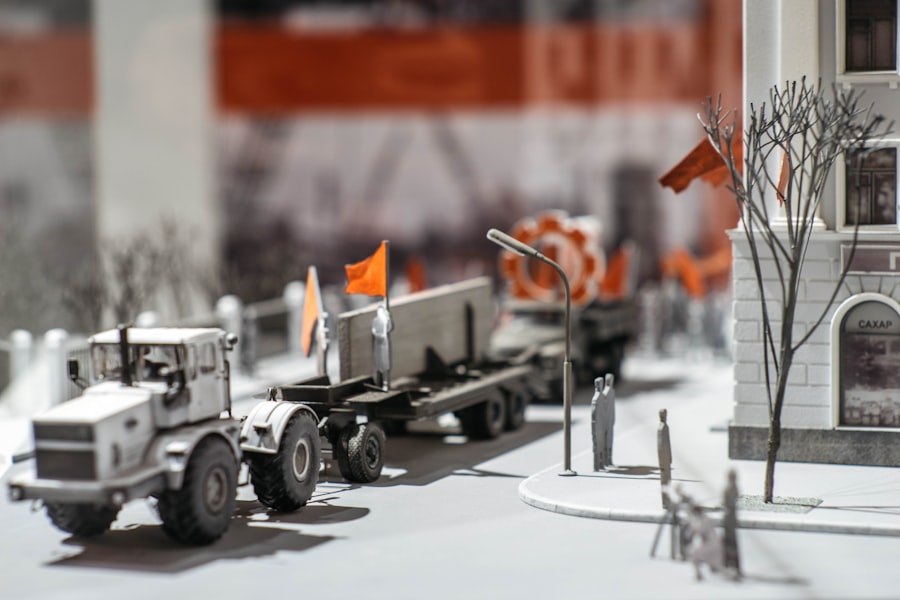
The technological advancements of the Cold War era profoundly impacted logistical capabilities. From improved transportation methods to sophisticated information management systems, innovation was crucial in meeting the evolving demands of global power projection.
The Aviation Revolution: Air Transport and Global Reach
The rapid development of aviation, particularly jet-powered aircraft, revolutionized military logistics. The ability to transport troops, equipment, and supplies rapidly across vast distances became a reality. The advent of the strategic airlift capability, exemplified by the C-5 Galaxy and the Soviet Il-76, allowed for the swift deployment of heavy equipment and large numbers of personnel, significantly reducing response times to crises.
The development of dedicated cargo aircraft and the improvement of aerial refueling capabilities further extended the reach and endurance of air logistics. This allowed for the sustained operation of air power in distant theaters and facilitated the rapid resupply of forces operating far from their bases. The efficient scheduling and management of air cargo operations, including the optimization of flight paths and the coordination of ground handling, represented a significant logistical undertaking.
The Dawn of Digital Logistics: Information Systems and Inventory Management
As the Cold War progressed, the application of emerging digital technologies began to transform logistical operations. Early forms of computerized inventory management systems, electronic data interchange (EDI), and secure communication networks started to streamline processes, improve accuracy, and enhance visibility across supply chains.
The ability to track assets, manage inventory levels in real-time, and forecast demand became increasingly sophisticated. This allowed for more efficient allocation of resources, reduced waste, and improved responsiveness to changing operational needs. While primitive by today’s standards, these early digital tools laid the groundwork for the highly integrated and data-driven logistics systems that are commonplace in the modern era. The constant need for secure and reliable communication also drove innovation in cryptography and telecommunications, essential components of any modern logistical network.
Containerization and the Efficiency of Maritime Transport
The widespread adoption of containerization in maritime shipping, which gained momentum during the latter half of the Cold War, dramatically improved the efficiency and speed of the global supply chain. This standardized approach to cargo handling simplified loading and unloading operations, reduced transit times, and minimized damage to goods.
For the military, containerization offered a more secure and streamlined method for transporting large volumes of equipment and supplies. It facilitated the pre-packing of unit loads, reducing the time and labor required for deployment. The integration of containerized shipping with land-based transportation networks, such as rail and road, created a more seamless and efficient multimodal logistics system. This innovation was crucial in sustaining the global presence of both superpowers.
The Cost of Readiness: Economic and Human Resources in Logistical Operations
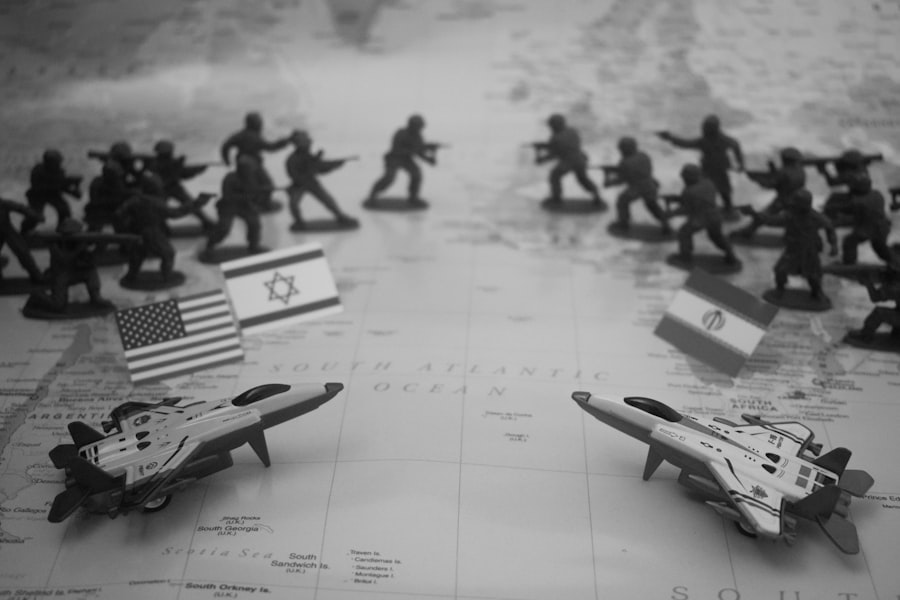
The sheer scale of Cold War logistical operations placed enormous demands on the economic and human resources of both superpowers. Maintaining the readiness and responsiveness of these complex systems required sustained investment and the mobilization of vast workforces.
The Economic Engine: Funding and Industrial Capacity
The logistical demands of the Cold War were a significant driver of economic activity. Massive budgets were allocated to defense spending, a substantial portion of which was dedicated to procurement, transportation, infrastructure development, and personnel support. This sustained demand fueled industrial growth in key sectors, including manufacturing, shipbuilding, aerospace, and heavy industry.
The ability of the United States, in particular, to leverage its vast industrial capacity and economic resources was a key advantage. The logistical systems of the Soviet Union, while impressive, were often strained by the limitations of its centrally planned economy and its struggle to keep pace with Western technological advancements. The constant drain on resources to maintain military readiness and logistical superiority had a profound impact on the economic development and social well-being of both nations, and particularly on the Eastern Bloc.
The Human Factor: The Logistical Workforce
Behind every successful logistical operation stands a vast and dedicated workforce. From the dockworkers who loaded ships to the truck drivers who transported supplies, the mechanics who maintained vehicles, the planners who coordinated movements, and the countless individuals who managed inventory and provided support services, the human element was indispensable.
The Cold War relied on a professional military force and a civilian workforce trained in specialized logistical roles. The arduous nature of this work, often performed in challenging environments and under constant pressure, demanded a high level of dedication and expertise. The development of comprehensive training programs and the continuous recruitment and retention of skilled personnel were critical to maintaining the operational effectiveness of these logistical networks. The personal sacrifices made by these individuals, often far from home and family, were a crucial, yet often overlooked, component of the Cold War effort.
The logistics behind the Cold War played a crucial role in shaping the strategies and outcomes of this intense geopolitical struggle. Understanding the intricate supply chains, transportation networks, and resource allocation that supported military operations can provide valuable insights into the era. For a deeper exploration of these logistics and their impact on Cold War dynamics, you can read a related article that delves into the complexities of this period. Check it out here.
The Legacy of Cold War Logistics: Enduring Principles and Modern Applications
| Aspect | Details |
|---|---|
| Transportation | Massive military movements of troops and equipment by air, sea, and land |
| Supply Chain | Complex network of logistics to support military operations and maintain readiness |
| Strategic Bases | Establishment of military bases in key locations around the world |
| Technology | Development of advanced transportation and communication technologies for military use |
| Intelligence | Gathering and analysis of information related to enemy logistics and movements |
The logistical strategies and innovations born out of the Cold War have left an indelible mark on modern military and commercial operations. The principles of resilience, adaptability, and technological integration honed during this era continue to shape how goods and services are moved and managed globally.
Resilient Supply Chains: Lessons from the Brink
The constant threat of disruption during the Cold War, whether from conventional conflict, nuclear attack, or economic warfare, underscored the imperative of building resilient supply chains. The emphasis on redundancy, diversification of sources, and robust contingency planning developed during this period remains a vital lesson for today’s interconnected global economy. The experience of maintaining vital supplies under extreme duress has informed modern strategies for managing supply chain vulnerabilities in the face of natural disasters, pandemics, and geopolitical instability.
The Evolution of Global Commerce and Transportation
The logistical infrastructure developed and refined during the Cold War, particularly in areas of maritime shipping, air cargo, and intermodal transportation, laid the foundation for the globalization of commerce. The efficiencies gained through containerization and advanced logistics management techniques facilitated the explosion of international trade. The principles of just-in-time delivery, though refined over time, have roots in the need for efficient resource allocation during the Cold War.
The Modern Military-Logistics Nexus
Today’s militaries continue to grapple with many of the same fundamental logistical challenges that defined the Cold War, albeit with vastly more sophisticated technologies. The need for rapid global deployment, sustained operational support in remote and hostile environments, and the efficient management of complex supply chains remain paramount. The lessons learned in managing vast inventories, coordinating international movements, and integrating technological solutions during the Cold War continue to inform the design and execution of modern military logistics. The emphasis on information superiority, predictive logistics, and agile response systems are direct descendants of the logistical imperatives of the bipolar world. The Cold War, therefore, serves as a critical case study in the enduring power and strategic significance of logistics in shaping the course of human events and maintaining global order, or in its absence, the delicate balance of power.

The $17 Million That Helped Destroy an Empire
FAQs
What were the main logistics behind the Cold War?
During the Cold War, the main logistics involved the transportation and deployment of military forces, equipment, and supplies to strategic locations around the world. This included the movement of troops, weapons, and supplies by air, sea, and land to support military operations and deterrence efforts.
How did logistics play a role in the Cold War conflict?
Logistics played a crucial role in the Cold War conflict by enabling the rapid deployment of military forces and equipment to potential hotspots and conflict zones. It also supported the maintenance of military readiness and the supply of essential resources to allied nations.
What were the key transportation methods used during the Cold War?
During the Cold War, the key transportation methods used included air transport, sea transport, and land transport. Air transport, particularly through strategic airlift capabilities, played a significant role in the rapid deployment of forces and supplies. Sea transport facilitated the movement of large quantities of equipment and supplies, while land transport supported the movement of troops and equipment within specific regions.
How did logistics impact the geopolitical dynamics of the Cold War?
Logistics had a significant impact on the geopolitical dynamics of the Cold War by influencing the strategic positioning of military forces and the ability to project power in key regions. It also influenced the allocation of resources and support to allied nations, shaping alliances and deterrence efforts.
What were the challenges and complexities of logistics during the Cold War?
The challenges and complexities of logistics during the Cold War included the need to maintain a high level of readiness and responsiveness, the coordination of multinational logistics efforts, and the management of supply chains in diverse and often hostile environments. Additionally, the threat of potential conflict and the need to balance military capabilities with diplomatic efforts added further complexity to Cold War logistics.