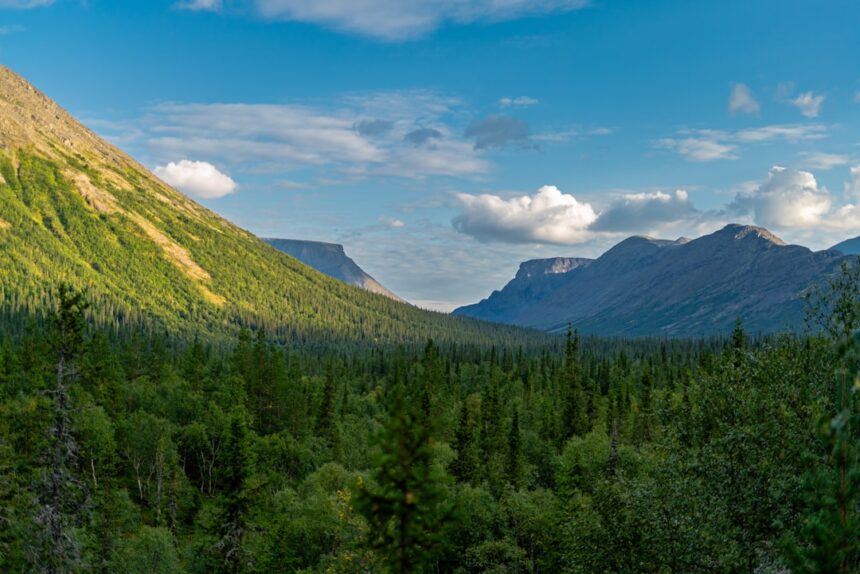
The Kola Peninsula, a stark and rugged expanse in the far northwest of Russia, holds a captivating allure for those drawn to the fringes of civilization. Its subarctic climate, dramatic landscapes of tundra and taiga, and rich mineral resources have shaped its history and its people. Among its most significant arteries, threading through this remote territory, is the Murmansk Railway, a testament to engineering prowess and a vital link connecting this northern outpost to the rest of the world. Exploring the Kola Peninsula through the lens of its iconic railway offers a unique perspective on its isolation, its resilience, and its enduring spirit.
The story of the Murmansk Railway is intrinsically linked to the geopolitical currents of the early 20th century. Its construction was not merely an economic endeavor but a strategic imperative for the nascent Soviet Union. The desire for year-round access to a warm-water port on the Arctic coast, unhindered by ice, was a primary driver.
The Strategic Imperative of a Northern Port
For centuries, Russia had sought an ice-free port on the Arctic Ocean. The White Sea, while offering access, was prone to freezing for significant periods. Murmansk, situated on the Kola Bay, offered a more promising solution, its waters kept open by the warm North Atlantic Current. The Murmansk Railway was conceived as the vital artery to serve this burgeoning port, facilitating the movement of goods and people.
Tsarist Ambitions and the Dawn of a Project
The seeds of the Murmansk Railway were sown during the final years of the Tsarist regime. Recognizing the strategic importance, plans were drawn up, and preliminary work began. However, the outbreak of World War I and the subsequent Russian Revolution brought these early efforts to a standstill. The dream of a direct rail link to the Arctic coast remained just that – a dream, deferred but not forgotten.
The Soviet Drive for Industrialization and Defense
Following the establishment of the Soviet Union, the imperative for a northern port and its supporting infrastructure was reignited with even greater urgency. The focus on industrialization and the need to secure the northern borders against potential threats underscored the strategic value of Murmansk and its rail connection.
The Monumental Undertaking of Construction
The actual construction of the Murmansk Railway was a Herculean feat of engineering and human will. Undertaken in challenging conditions, with limited resources and a harsh climate, the project demanded immense dedication from its laborers, many of whom were conscripts and prisoners of war.
Overcoming the Arctic’s Obstacles
The railway’s path traversed vast stretches of permafrost, bogs, and rocky terrain. The extreme cold, long polar nights, and frequent blizzards presented formidable obstacles. Engineers and workers had to devise innovative solutions to build on unstable ground and withstand the brutal elements. The construction involved significant earthmoving, the building of numerous bridges and viaducts, and the laying of tracks through remote and sparsely populated areas.
The Human Cost of Progress
The construction of the Murmansk Railway came at a significant human cost. The arduous labor, coupled with the unforgiving environment and often inadequate living conditions, led to high mortality rates among the workers. The railway stands as a somber monument to their sacrifice, a reminder of the immense efforts required to shape the landscape and connect remote regions.
The Kola Peninsula Murmansk railway plays a crucial role in connecting remote regions of Russia with the rest of the country, facilitating both economic development and transportation. For a deeper understanding of the strategic importance of this railway and its impact on the region, you can read a related article that explores the historical context and current developments in the area. Check it out here: In the War Room.
The Railway as a Lifeline: Connecting the Arctic to the World
The Murmansk Railway, once completed, became far more than just a ribbon of steel. It transformed the Kola Peninsula, dissolving its isolation and integrating it into the broader Russian and global economy. Its impact was profound and multifaceted, touching upon commerce, defense, and the daily lives of its inhabitants.
Facilitating Trade and Resource Exploitation
The primary function of the Murmansk Railway was to support the port of Murmansk, which rapidly developed into a major hub for fishing, shipping, and the export of mineral resources. The railway enabled the efficient transport of apatite and nepheline concentrate, mined from the Khibiny Mountains, as well as other valuable minerals extracted from the region.
The Economic Engine of the North
The reliable transport of raw materials and finished goods via the railway fueled the economic development of Murmansk Oblast. It allowed for the expansion of industries, the growth of the city, and the creation of employment opportunities. Without the railway, the economic potential of the Kola Peninsula’s vast mineral wealth would have remained largely untapped.
The Apatite-Nepheline Industry’s Reliance on Rail
The Khibiny Mountains are exceptionally rich in apatite and nepheline, key components in the production of fertilizers and other industrial materials. The Murmansk Railway provided the crucial link for transporting these mined resources from the remote Khibiny deposits to the processing plants and then to the port for export. This established the region as a globally significant supplier of these vital commodities.
Connecting to Global Markets
The port of Murmansk, served by the railway, became a gateway to international trade. This facilitated the import of necessary goods and technologies and the export of Russian products, contributing to the nation’s economic strength and its integration into the global marketplace.
A Vital Artery During Times of Conflict
The Murmansk Railway played a critical role during World War II, particularly during the Siege of Leningrad. The Allied convoys, delivering crucial supplies to the Soviet Union through the Arctic, landed at the port of Murmansk. The railway was then instrumental in transporting these vital war materials inland, significantly impacting the course of the Eastern Front.
The Lend-Lease Convoys and the Northern Route
The Arctic convoys, often referred to as the “Northern Route,” were a lifeline for the Soviet Union. Murmansk served as the primary terminus for these convoys. The Murmansk Railway was the only viable means of getting the vast quantities of supplies – food, weapons, vehicles, and raw materials – from the port to the front lines and to other critical areas.
The German Offensive and the Railway’s Defense
The German forces launched a significant offensive aimed at capturing Murmansk and disrupting the flow of supplies along the railway. The defense of the railway and the port became a paramount concern for the Soviet military. Fierce battles were fought to maintain control of key sections of the line, and the railway itself became a strategic target, often under bombardment.
Post-War Significance and Continued Military Importance
Even after the war, the Murmansk Railway retained its strategic importance for the Soviet Union’s military presence in the Arctic. Its ability to quickly transport troops, equipment, and supplies to the far north ensured the security of the region.
Modern Marvels and Enduring Challenges of the Murmansk Railway
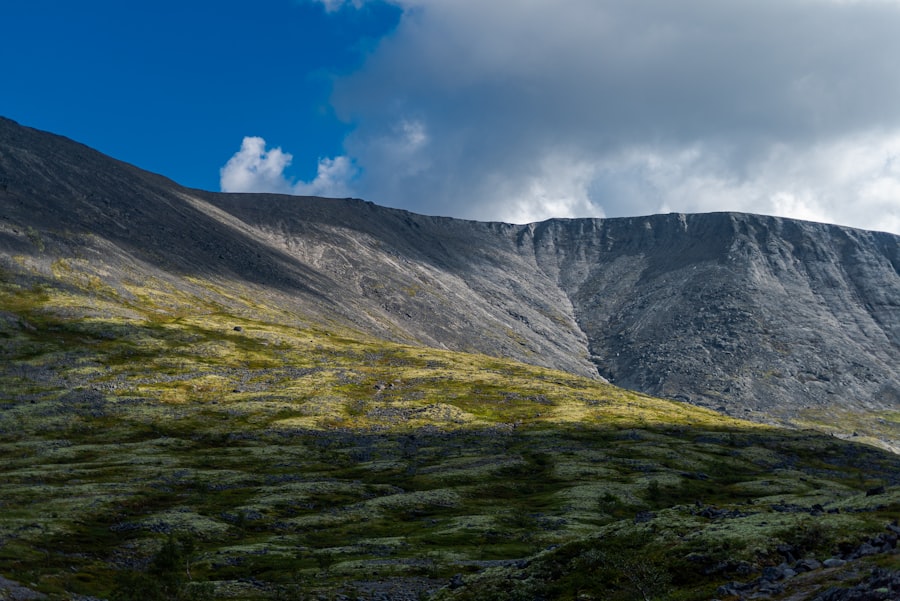
Today, the Murmansk Railway continues to be a vital component of Russia’s northern infrastructure, albeit one that faces the complexities of modernization and the ongoing challenges of operating in a demanding environment.
Modernization Efforts and Technological Advancements
While the foundational structure of the Murmansk Railway remains, there have been ongoing efforts to modernize its operations and infrastructure to meet contemporary demands.
Upgrading Tracks and Signaling Systems
Significant investment has been made in upgrading the railway tracks, strengthening bridges, and improving signaling systems to enhance safety and increase train speeds. These upgrades are crucial for maintaining the efficiency of freight and passenger transport.
Enhancing Electrification and Digitalization
The electrification of sections of the Murmansk Railway has been a key focus, improving operational efficiency and reducing environmental impact. Furthermore, the integration of digital technologies for train control, logistics management, and passenger information is an ongoing process aimed at modernizing the entire rail network.
Improving Passenger Services and Connectivity
While primarily a freight line, the Murmansk Railway also serves passenger needs, connecting cities and towns along its route. Efforts are underway to improve passenger comfort, punctuality, and the overall travel experience.
The Murmansk-Moscow Express: A Symbol of Connectivity
The Murmansk-Moscow railway line remains a significant passenger route, offering a direct connection between the Arctic capital and the heart of Russia. The “Murmansk-Moscow Express” is a well-known service, symbolizing the enduring connection the railway provides.
Navigating the Arctic Environment: Ongoing Challenges
Operating a railway in the Arctic is a continuous battle against the elements. The unique environmental conditions present persistent challenges that require constant vigilance and specialized maintenance.
The Pervasive Threat of Permafrost Thaw
The thawing of permafrost due to climate change poses a significant threat to the stability of the railway infrastructure. The ground beneath the tracks can become unstable, leading to subsidence and requiring continuous monitoring and repair.
Adapting to Changing Climate Conditions
Engineers and maintenance crews face the ongoing challenge of adapting to unpredictable weather patterns, including extreme temperature fluctuations, heavy snowfall, and periods of intense frost. This necessitates specialized construction techniques and year-round maintenance schedules.
Maintaining Infrastructure in Remote Regions
The vastness of the Kola Peninsula means that large sections of the railway are located in remote and sparsely populated areas. This presents logistical challenges for maintenance, repairs, and emergency response, requiring dedicated teams and specialized equipment.
The Importance of Regular Inspections and Preventative Maintenance
To mitigate the risks associated with the Arctic environment, rigorous inspection regimes and preventative maintenance programs are essential. This proactive approach helps to identify and address potential issues before they escalate into major disruptions.
A Journey Through the Landscape: Scenic Wonders along the Murmansk Railway
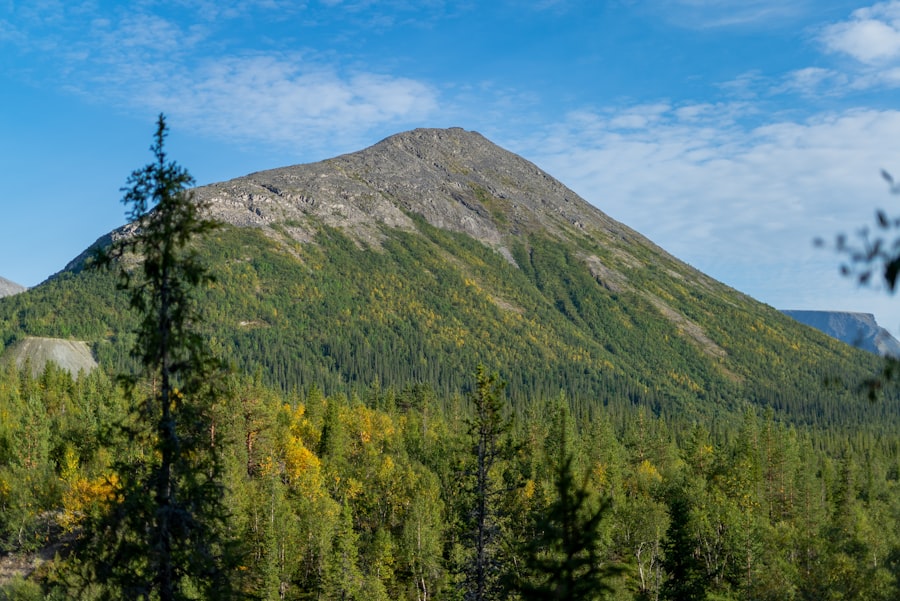
The Murmansk Railway is not just a conduit for commerce and strategy; it is also a pathway through some of Russia’s most dramatic and captivating landscapes. A journey along its tracks offers a unique opportunity to witness the raw beauty of the Kola Peninsula.
The Tundra and Taiga’s Embrace
As the train departs from more populated centers, the landscape gradually transforms, revealing the distinct ecosystems of the Arctic.
The Rolling Plains of the Arctic Tundra
The initial stretches of the railway often traverse the vast, treeless plains of the Arctic tundra. This iconic landscape, characterized by low-lying vegetation, mosses, lichens, and hardy shrubs, is a testament to the resilience of life in extreme conditions. In summer, the tundra bursts with vibrant colors, while in winter, it is a stark expanse of white, offering a sense of profound isolation and immense natural beauty.
Encountering Unique Arctic Flora and Fauna
While seemingly barren, the tundra supports a surprising array of life. Travelers may catch glimpses of reindeer grazing in the distance, or perhaps observe the distinctive Arctic flora adapted to survive the harsh climate. The vastness of the tundra, with its sweeping vistas and seemingly endless horizons, is a powerful reminder of the scale of this northern wilderness.
The Transition to Boreal Forests
As the railway progresses, the landscape may transition into the boreal forests, or taiga, characteristic of the subarctic regions.
The Silent Majesty of the Taiga
Here, dense stands of coniferous trees, primarily spruce and pine, dominate the scenery. The taiga offers a different kind of beauty, one of quiet solitude and ancient forests. The air is often crisp and clean, and the dense canopy creates a sense of enclosure and mystique. The railway cuts a path through this dense woodland, offering glimpses into a world largely untouched by human intervention.
Rivers, Lakes, and the Coastal Influence
The Kola Peninsula is dotted with numerous rivers and lakes, many of which the railway must cross or run alongside.
The Serpentine Dance of Northern Rivers
The railway often follows the course of rivers, their waters reflecting the dramatic skies. These rivers, fed by meltwater and precipitation, are vital arteries of the peninsula, shaping the landscape and providing sustenance for its ecosystems. The sight of these powerful waterways, carving their paths through the rugged terrain, adds to the visual drama of the journey.
The Crystal Clarity of Arctic Lakes
Numerous lakes, varying in size and character, punctuate the landscape. Some are calm and reflective, mirroring the surrounding wilderness, while others are more exposed, their waters whipped by the Arctic winds. These water bodies are essential habitats for various species and contribute to the serene beauty of the region.
Approaching the Arctic Coastline
As the railway nears its destination of Murmansk, the influence of the Arctic Ocean becomes palpable.
The Rugged Beauty of the Fjords and Bays
The coastline is characterized by dramatic fjords and bays, carved by glaciers over millennia. The railway may offer glimpses of these inlets, where the land meets the sea in a rugged embrace. The ever-changing light of the Arctic can transform these coastal scenes, from the ethereal glow of the polar night to the vibrant hues of the midnight sun.
The Kola Peninsula Murmansk railway plays a crucial role in connecting remote regions of Russia to major urban centers, facilitating both economic growth and transportation. For those interested in exploring the broader implications of such infrastructure projects, a related article discusses the strategic importance of railway networks in enhancing trade and military logistics in the Arctic. You can read more about this topic in the article found here.
The Kola Peninsula’s Future: The Railway’s Evolving Role
| Metrics | Data |
|---|---|
| Length of Railway | 223 km |
| Construction Started | 1915 |
| Construction Completed | 1917 |
| Location | Kola Peninsula, Murmansk, Russia |
| Purpose | Transportation of goods and passengers |
The Murmansk Railway, a product of historical necessity and engineering ambition, continues to play a crucial role in the development and future of the Kola Peninsula. Its significance is evolving, adapting to new economic realities and environmental considerations.
Economic Development and Resource Management
The railway remains a cornerstone of the Kola Peninsula’s economy, facilitating the extraction and transport of its rich mineral resources.
Continued Importance of Mineral Exports
The apatite and nepheline mines, as well as other mining operations, continue to rely heavily on the Murmansk Railway for the efficient transport of their products to the port of Murmansk for export. This ensures the region’s economic viability and its contribution to the national economy.
Diversification of Economic Activities
While resource extraction remains dominant, there are ongoing discussions and efforts to diversify the economic base of the Kola Peninsula, potentially through tourism, research, and other sectors. The railway’s ability to connect these emerging industries to broader markets will be crucial for their success.
The Port of Murmansk: A Hub for Arctic Development
The port of Murmansk, intrinsically linked to the railway, is increasingly recognized as a vital hub for Arctic development, particularly in the context of the Northern Sea Route.
Facilitating Arctic Shipping and Logistics
The Murmansk Railway plays a key role in supporting the logistical needs of ships transiting the Northern Sea Route, enabling the efficient transfer of goods and personnel between the railway network and the maritime domain.
The Growth of Tourism and Arctic Exploration
As the Arctic becomes more accessible, the Kola Peninsula is attracting increasing numbers of tourists interested in its unique natural beauty, indigenous cultures, and historical significance.
The Railway as a Gateway for Adventurous Travelers
The Murmansk Railway offers a compelling way for travelers to experience the vastness and remoteness of the Kola Peninsula. It provides a unique perspective on the region’s geography and the challenges of life in the Arctic.
Sustainability and Environmental Stewardship
In an era of heightened environmental awareness, the operation of the Murmansk Railway must increasingly consider its impact on the fragile Arctic ecosystem.
Balancing Infrastructure Needs with Ecological Preservation
Ensuring that the railway’s operations are conducted in a manner that minimizes environmental disruption is a growing priority. This includes careful planning for new infrastructure projects and rigorous environmental impact assessments.
Embracing Greener Technologies and Practices
The adoption of greener technologies, such as more fuel-efficient locomotives and improved waste management practices, is essential for reducing the railway’s ecological footprint. The ongoing electrification of sections of the line is a significant step in this direction.
The Future of the Murmansk Railway: A Symbol of Resilience and Connection
The Murmansk Railway is more than just a transportation network; it is a symbol of human ingenuity, resilience, and the enduring quest for connection. From its strategic origins to its modern-day challenges and future potential, the railway continues to be an indispensable artery through the captivating and unforgiving landscape of the Kola Peninsula, a testament to its vital role in shaping the past, present, and future of this remarkable region.

Russia’s Nuclear Submarines Depend on This Arctic Lifeline
FAQs
What is the Kola Peninsula Murmansk railway?
The Kola Peninsula Murmansk railway is a railway line located in the Murmansk region of Russia. It connects the city of Murmansk with the rest of the Russian railway network and plays a crucial role in transporting goods and passengers to and from the region.
When was the Kola Peninsula Murmansk railway built?
The construction of the Kola Peninsula Murmansk railway began in 1915 and was completed in 1917. It was built to provide a transportation link to the ice-free port of Murmansk, which was of strategic importance during World War I and World War II.
How long is the Kola Peninsula Murmansk railway?
The Kola Peninsula Murmansk railway is approximately 225 kilometers (140 miles) long. It runs through the rugged and remote terrain of the Kola Peninsula, connecting Murmansk with the rest of the Russian railway network.
What is the significance of the Kola Peninsula Murmansk railway?
The Kola Peninsula Murmansk railway is of great strategic and economic significance. It provides a vital transportation link for the Murmansk region, allowing for the efficient movement of goods and people to and from the area. It also plays a crucial role in supporting the region’s mining and industrial activities.
Are there any notable features along the Kola Peninsula Murmansk railway?
The Kola Peninsula Murmansk railway passes through some stunning natural landscapes, including forests, lakes, and rivers. It also includes several notable engineering features, such as tunnels and bridges, that were built to overcome the challenging terrain of the Kola Peninsula.