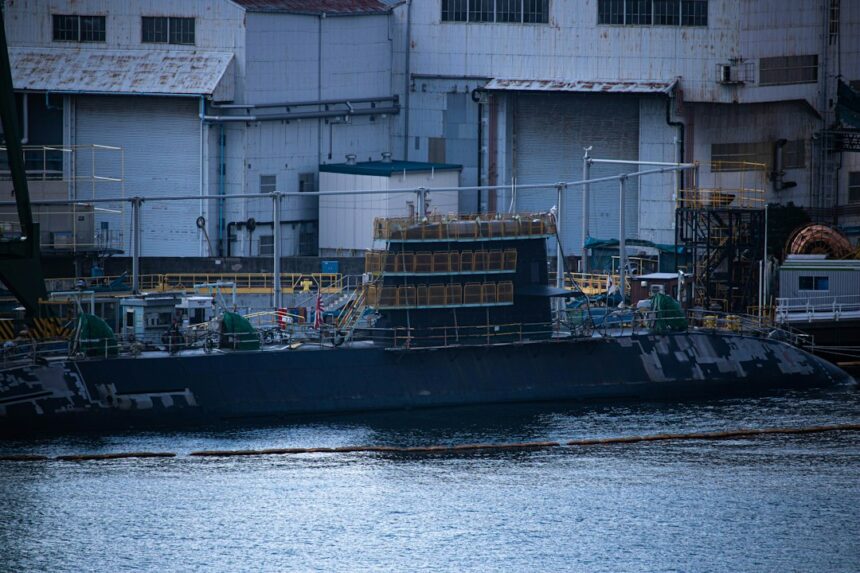
The silent hunters of the Imperial Japanese Navy, once a formidable force that struck fear across the Pacific, faced a dramatically altered fate in the aftermath of World War II. Their operational careers were abruptly curtailed, replaced by the sobering realities of surrender, disarmament, and the complex geopolitical landscape of the post-war world. The once-proud submarine fleet, a critical component of Japan’s naval strategy, was left to grapple with a future dictated not by strategic ambition, but by the victors’ agenda. This article delves into the multifaceted fate of these Japanese submarines, exploring their immediate post-war disposition, their dismantling and repurposing, and the lingering legacy of their technological advancements.
The Immediate Aftermath: Surrender and Scrutiny
The unconditional surrender of Japan in August 1945 marked the definitive end of hostilities and, with it, the operational life of its submarine arm. The terms of surrender were unequivocal: all military forces were to lay down their arms and cease all combat operations. For the Japanese submarine force, this meant an immediate halt to patrols, an end to clandestine missions, and a stark confrontation with the consequences of their nation’s defeat. The submarines, alongside all other warships, were to be disarmed and made incapable of further military use. This directive was enforced with stern resolve by the Allied occupation forces, primarily the United States, who assumed the monumental task of demilitarizing Japan.
The Collection and Inventory of the Fleet
Following the surrender, a systematic process of collecting and cataloging the surviving Japanese submarines commenced. Naval personnel were ordered to bring their vessels to designated ports, where they were meticulously inventoried. This was not merely a bureaucratic exercise; it was a crucial step in understanding the extent of Japan’s remaining naval power and ensuring compliance with the disarmament clauses of the surrender. Allied naval officers, often accompanied by Japanese naval liaison officers, conducted thorough inspections, documenting the type, number, and operational status of each submarine. The sheer number of vessels, even after significant wartime losses, was substantial. The Imperial Japanese Navy had operated a diverse range of submarines, from small midget submarines designed for coastal defense and suicide attacks to large fleet submarines capable of long-range patrols. This inventory formed the basis for subsequent decisions regarding their ultimate fate.
Disarmament Protocols and Allied Control
The disarmament process itself was rigorous. It involved the removal of all armaments, including torpedoes, guns, and their associated ammunition. Critical operational components, such as engines, navigation equipment, and communication systems, were also systematically disabled or removed to render the submarines inoperable. Allied naval personnel supervised these procedures closely, ensuring that no clandestine efforts could be made to retain operational capabilities. The submarines were effectively neutralized, their fighting potential extinguished. This period of Allied control was a stark reminder of Japan’s diminished status and the absolute authority of the occupying powers. The once-feared silent hunters were now powerless relics, subjected to the dictates of their former adversaries.
After World War II, Japanese submarines underwent significant changes as the country transitioned from a militaristic regime to a pacifist nation. Many of the submarines were scuttled or repurposed, reflecting Japan’s shift in focus towards economic recovery and rebuilding rather than military expansion. For a deeper understanding of the fate of Japanese submarines post-war, you can read more in this related article: here.
The Great Scuttling: A Dramatic Farewell
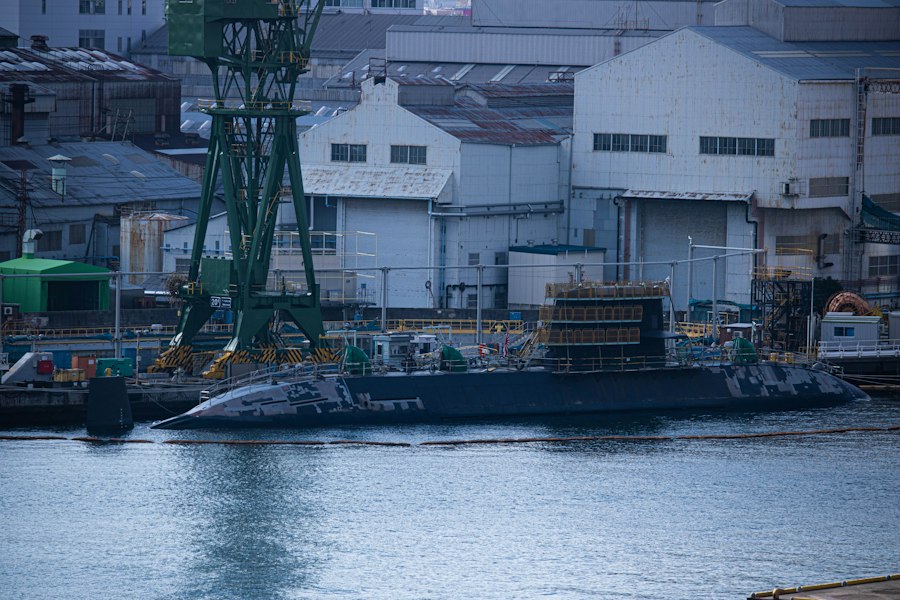
Perhaps the most visually dramatic and poignant aspect of the fate of Japanese submarines post-WWII was the widespread scuttling that occurred. To expedite the process of disarmament and to prevent any potential misuse or resale of the vessels, the Allied powers, in collaboration with the Japanese government, opted for a large-scale disposal program. This involved sinking the majority of the surrendered submarines in designated areas, effectively removing them from the maritime landscape entirely. This method, while drastic, was efficient and ensured that the submarines would not fall into the wrong hands or be used for any future military purposes.
Designated Sinking Grounds and the Scale of Disposal
Vast expanses of the ocean, often in deep water to minimize any potential environmental impact or risk to navigation, were designated as sinking grounds. These sites were strategically chosen, far from shipping lanes and important fishing grounds. The process involved a coordinated effort, with surviving Japanese crews often tasked with carrying out the scuttling under Allied supervision. This could involve opening seacocks, flooding compartments, or even detonating charges to ensure rapid submersion. The sheer scale of this operation was immense. Hundreds of submarines, representing a significant portion of Japan’s pre-war and wartime construction, were deliberately sunk. This collective act of disposal became known as the “Great Scuttling,” a somber epitaph for a once-proud naval branch.
The Symbolism of Submersion
The act of sinking these submarines carried a profound symbolic weight. It represented not only the defeat of Japan but also the end of an era of naval warfare. For the Japanese, it was a painful but necessary capitulation, a visual manifestation of their lost military might. For the Allies, it was a definitive statement of victory and a clear demonstration of their control over the defeated nation. The silent descent of these steel behemoths into the depths of the ocean was a powerful visual metaphor for the obsolescence of their strategic purpose in the new world order. The ocean, which had been their hunting ground, now became their final resting place.
Repurposing and Salvage: A Second Life for Some
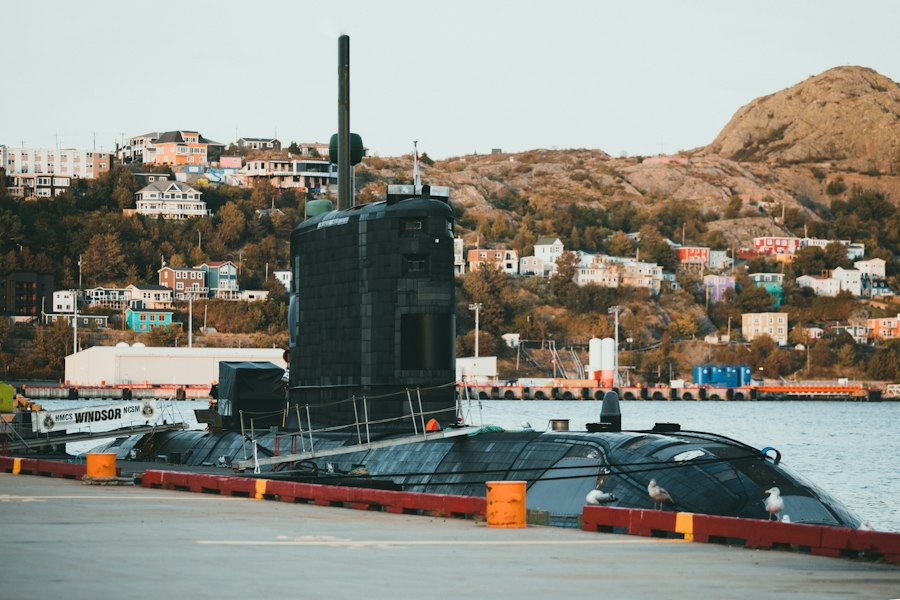
While the majority of Japanese submarines met their end at the bottom of the ocean, a select few experienced a different fate. Some were retained by Allied nations for study and evaluation, while others were repurposed for civilian use or salvaged for their materials. This represented a small fraction of the fleet, but their stories offer a glimpse into the diverse possibilities that arose from the wreckage of war.
After World War II, Japanese submarines faced significant changes as the country transitioned from a militaristic state to a pacifist nation under the influence of the Allied powers. Many of these submarines were either scuttled or repurposed for civilian use, marking a dramatic shift in their role. For a deeper understanding of the fate of these vessels and the broader implications for Japan’s naval history, you can read more in this insightful article on the topic. To explore further, check out the related article here.
Allied Acquisition for Technical Evaluation
The United States and other Allied navies were keenly interested in the technological advancements incorporated into Japanese submarine design. The advanced acoustic sensors, unique hull forms, and innovative propulsion systems of some Japanese submarines were of significant intelligence value. Consequently, a number of submarines were brought to Allied shipyards for detailed technical examination. These were not intended for combat use but rather as platforms for reverse-engineering and understanding Japanese naval capabilities. The insights gained from these evaluations contributed to the development of submarine technology in the post-war era. Captured submarines provided valuable lessons in areas such as hydrodynamics, torpedo guidance, and sonar countermeasures.
Civilian Applications and Scrapping
Beyond military interest, some submarines, particularly those in better condition or of specific designs, were deemed salvageable for their scrap metal value or even for potential civilian applications. This often involved stripping the vessels of all military equipment and then selling them to scrap yards. The steel and other materials could then be recycled for industrial purposes. In rare instances, some smaller submarines might have been considered for repurposing as floating storage or for other non-military roles, though this was less common due to the specialized nature of submarine construction and the associated costs of conversion. The dismantling of these vessels, piece by piece, offered employment and resources in a Japan struggling to rebuild its economy.
The Lingering Legacy: Technological Influence and Historical Memory
The fate of Japanese submarines extended beyond their physical destruction or repurposing. Their technological innovations and the historical memory of their operational exploits continued to resonate in the post-war world. The strategic doctrines and operational experiences of the Japanese submarine force, though ultimately unsuccessful in achieving victory, offered valuable lessons for naval strategists.
Technological Echoes in Post-War Submarine Design
The advanced technologies developed by the Japanese, particularly in areas such as acoustic quietness, improved torpedo systems, and certain aspects of hull design, did not disappear with the sinking of the submarines. Allied naval engineers, through their study of captured vessels, incorporated many of these innovations into their own submarine development programs. The relentless pursuit of technological superiority that characterized the wartime naval arms race continued in the post-war period, albeit with different players and objectives. The technical evaluations of Japanese submarines provided a foundation for further advancements in sonar, torpedo guidance, and underwater stealth, influencing the design of submarines for decades to come.
Historical Accounts and the Submarine’s Place in Memory
The operational history of the Japanese submarine force, marked by both daring raids and ultimate defeat, became a significant part of naval history. Stories of submarine patrols, daring attacks, and the unique challenges of underwater warfare were documented and studied. While often overshadowed by the larger naval battles of the Pacific War, the contributions and the ultimate fate of the Japanese submarines remained a distinct chapter in the historical narrative. The submarines, in their silent and often unseen role, played a crucial part in the overall conflict, and their post-war disposition underscores the transformative impact of total war and subsequent peace. Their story serves as a reminder of the cyclical nature of military technology and the inevitable obsolescence of even the most advanced weaponry in the face of changing geopolitical realities. The fate of the Japanese submarines is a testament to the destructive power of war and the subsequent efforts of nations to rebuild and repurpose in its wake.

Japan Built a Submarine That Could Launch Three Planes
FAQs
What happened to Japanese submarines after World War II?
After World War II, most of the Japanese submarines were either scuttled by their own crews or surrendered to the Allied forces.
Were any Japanese submarines captured by the Allies?
Yes, some Japanese submarines were captured by the Allies after World War II. They were either used for testing and evaluation purposes or scrapped.
Did any Japanese submarines survive the war?
A few Japanese submarines survived the war and were either scrapped or used for various purposes by the Allied forces.
Were any Japanese submarines used in post-war naval operations?
Some Japanese submarines were used by the Allied forces for testing and evaluation purposes after World War II, but they were not used in any post-war naval operations.
What is the current status of Japanese submarines from World War II?
Most of the Japanese submarines from World War II were either scrapped or sunk after the war. Some were captured by the Allies and used for testing purposes. Today, very few Japanese submarines from that era remain intact and are preserved as museum ships.