Fear, a primal emotion deeply ingrained in the human psyche, has long been recognized as a potent force, capable of paralyzing individuals and inciting mass hysteria. When weaponized, this innate vulnerability transforms into a strategic instrument of warfare, wielded by combatants to demoralize, disorient, and ultimately defeat their adversaries. The systematic application of fear as a weapon transcends mere battlefield tactics; it is a psychological assault designed to shatter the enemy’s will to fight, sow discord within their ranks, and ultimately pave the way for military victory. This article will delve into the multifaceted use of fear as a weapon in warfare, exploring its historical evolution, psychological underpinnings, diverse methodologies, ethical considerations, and its enduring impact on both combatants and civilians.
The utilization of fear as a tactic in conflict is as old as warfare itself. From the earliest human skirmishes, the intent to intimidate and instill terror was likely a conscious, albeit rudimentary, strategy. The sight of a formidable warrior, the guttural war cries, the display of brutal weaponry – all served to amplify the enemy’s apprehension, making them more susceptible to panic and flight. This primal instinct to leverage psychological distress for advantage has persisted and evolved throughout history, adapting to new technologies and understandings of the human mind.
The Power of the Unknown
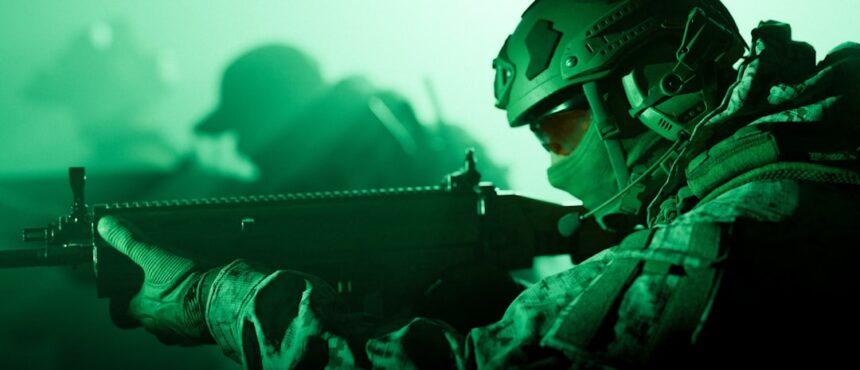
A fundamental aspect of fear in warfare is its connection to the unknown. The uncertainty of what lies beyond the next battlefield, the mysterious outcomes of impending battles, and the fate of loved ones left behind all contribute to a pervasive sense of anxiety. Early warriors understood this, employing tactics that maximized this uncertainty. For instance, sudden, unexpected attacks, often under the cover of darkness or in treacherous terrain, would disorient the enemy and amplify their fear of what they could not see or anticipate. The rustling in the trees, the distant trumpet call – these subtle sounds, amplified by an already heightened state of alert, could become sources of immense dread.
Symbolism and Intimidation
Beyond direct confrontation, the deliberate use of symbolism has been a cornerstone of psychological warfare aimed at generating fear. The deployment of terrifying imagery, such as monstrous masks, fearsome banners, or the public display of brutal punishments, served as a stark warning and a testament to the conqueror’s ruthlessness. These symbols acted as a constant reminder of the potential consequences of resistance, fostering a sense of hopelessness and making the enemy more likely to surrender. The sheer spectacle of a victorious army, parading their spoils and displaying their dominance, was itself a potent psychological weapon designed to break the spirit of any who might consider defiance.
In the context of modern warfare, the concept of weaponizing fear has gained significant attention, particularly in how it influences both combatants and civilians. A related article that delves deeper into this topic is available at this link. The article explores various strategies employed by military forces to instill fear in their adversaries, examining historical examples and contemporary applications that highlight the psychological dimensions of conflict. Understanding these tactics is crucial for comprehending the broader implications of fear in warfare and its effects on societal dynamics.
Psychological Mechanisms of Fear as a Weapon
Understanding how fear impacts the human mind is crucial to appreciating its weaponization. Fear triggers a cascade of physiological and psychological responses that can significantly impair an individual’s cognitive abilities, decision-making processes, and combat effectiveness. Military strategists have long sought to exploit these mechanisms to gain a decisive edge.
The Fight-or-Flight Response Amplified
At the core of fear’s impact lies the body’s innate fight-or-flight response. When confronted with perceived danger, the brain releases adrenaline and cortisol, preparing the body for immediate action. In warfare, this response is deliberately and systematically amplified. Continuous exposure to violence, the constant threat of death, and the overwhelming sensory input of combat can push individuals beyond their normal coping mechanisms. This hyper-arousal, while sometimes enabling survival in the short term, can also lead to impaired judgment, tunnel vision, and an inability to process complex information – all of which can be exploited by an enemy seeking to disorient and overwhelm.
The Paradox of Paralysis
While the fight-or-flight response often implies action, extreme or prolonged fear can paradoxically lead to paralysis. When the perceived threat is insurmountable, or when the individual feels utterly powerless, the body can shut down. This state of shock and helplessness can render soldiers incapable of fighting, fleeing, or even thinking coherently. Military forces have, throughout history, employed tactics designed to induce this state of incapacitation, aiming to neutralize enemy forces without necessarily engaging in direct combat.
Cognitive Impairment and Decision-Making Under Duress
Fear significantly impairs cognitive functions, particularly those related to higher-level thinking, planning, and decision-making. Under extreme duress, the prefrontal cortex, responsible for rational thought, becomes less active, while more primitive brain regions, driven by instinct and emotion, take over. This can lead to impulsive actions, a reduced ability to assess risks, and a diminished capacity to adapt to changing battlefield conditions. The weaponization of fear aims to exacerbate these cognitive impairments, making enemy soldiers more prone to errors, panic, and ultimately, defeat.
Distorted Perception and Auditory Hallucinations
The heightened state of anxiety induced by fear can also distort an individual’s perception of reality. Sounds can be magnified, shadows can appear menacing, and the actions of allies can be misconstrued. In environments rife with the sounds of battle, this can lead to misidentification of targets, friendly fire incidents, and a pervasive sense of confusion. Furthermore, prolonged exposure to intense stress and sleep deprivation, often a byproduct of warfare, can even lead to auditory hallucinations, further blurring the lines between reality and the manufactured terror of the enemy.
Methodologies of Fear-Infusion in Modern Warfare

While the fundamental principles of using fear as a weapon remain constant, modern warfare has witnessed the development of sophisticated and diverse methodologies to achieve this end. Technological advancements and a deeper understanding of psychology have allowed for the precise targeting and amplification of enemy fear.
Psychological Operations (PsyOps) and Information Warfare
Psychological Operations (PsyOps) represent a formalized branch of military action dedicated to influencing the emotions, motives, and reasoning of targeted populations. This involves the strategic dissemination of information, both true and false, designed to erode enemy morale, sow dissent, and induce fear. In the realm of information warfare, this can manifest through:
Propaganda and Disinformation Campaigns
The deliberate spread of propaganda, often laced with exaggerated threats, terrifying predictions, and demoralizing narratives, is a classic tool of PsyOps. During wartime, state-sponsored media, online platforms, and leaflets can be utilized to disseminate messages that emphasize the enemy’s overwhelming power, the futility of resistance, or the horrific consequences of continued fighting. Disinformation, the intentional creation and spread of false information, can be used to manipulate enemy perceptions, create confusion, and foster distrust among their ranks.
Targeted Psychological Warfare Through Media and Technology
Modern technology allows for highly targeted psychological warfare. Social media campaigns, targeted advertisements, and even personalized digital messages can be used to exploit individual fears and vulnerabilities. The dissemination of graphic images or videos of atrocities, real or fabricated, can have a profound psychological impact, designed to shock and terrify enemy combatants and civilian populations alike. The constant barrage of such content can create a pervasive sense of dread and hopelessness.
The Spectacle of Violence: Overt and Covert Tactics
Beyond information dissemination, the direct and indirect application of violence plays a crucial role in generating fear. The way violence is displayed, its perceived inevitability, and its seemingly indiscriminate nature are all carefully orchestrated to instill terror.
Show of Force and Terror Tactics
A calculated “show of force” – the overwhelming display of military might through parades, air-showcases, or the deployment of advanced weaponry – can be used to intimidate and demoralize. Terror tactics, such as the deliberate targeting of civilian infrastructure, the execution of prisoners, or the dissemination of brutal visual evidence of such acts, are designed to create widespread fear and break the collective will of a population. These actions aim to demonstrate that no one is safe and that resistance will be met with extreme and indiscriminate retribution.
The Unseen Threat and Ambush Strategies
Conversely, the weaponization of fear can also rely on the unseen and the unexpected. The constant threat of an ambush, the knowledge that danger could lurk around any corner, creates a pervasive sense of unease and hyper-vigilance among enemy forces. Irregular warfare tactics, such as guerrilla warfare and the use of improvised explosive devices (IEDs), are particularly effective in generating this type of fear because they make the enemy feel vulnerable and unable to identify or counter the threat effectively. The uncertainty and unpredictability of such attacks erode their sense of security.
The Impact of Technology on Fear Weaponization
Technological advancements have dramatically amplified the reach and effectiveness of fear-based warfare. From the distant rumble of artillery to the chilling accuracy of drones, technology allows for the projection of threat and the infliction of terror in ways previously unimaginable.
Precision Strikes and the Fear of Inevitable Doom
The advent of precision-guided munitions and advanced surveillance technology has enabled military forces to conduct highly targeted strikes with devastating accuracy. While often lauded for their ability to minimize collateral damage, these strikes can also instill a profound sense of fear and helplessness in the enemy. The knowledge that any location can be identified and targeted at any time creates a psychological burden, fostering a feeling of being constantly under threat, with no safe haven.
Drone Warfare and the “Always Watching” Phenomenon
The proliferation of unmanned aerial vehicles (UAVs), or drones, has introduced a new dimension to the weaponization of fear. The constant hum of drones overhead, the chilling knowledge that one is being watched from above, and the ever-present threat of an aerial strike can create a sustained state of anxiety. This creates a psychological environment where individuals feel constantly observed and vulnerable, impacting their daily lives and eroding their sense of normalcy and security.
Ethical and Legal Dilemmas in the Use of Fear
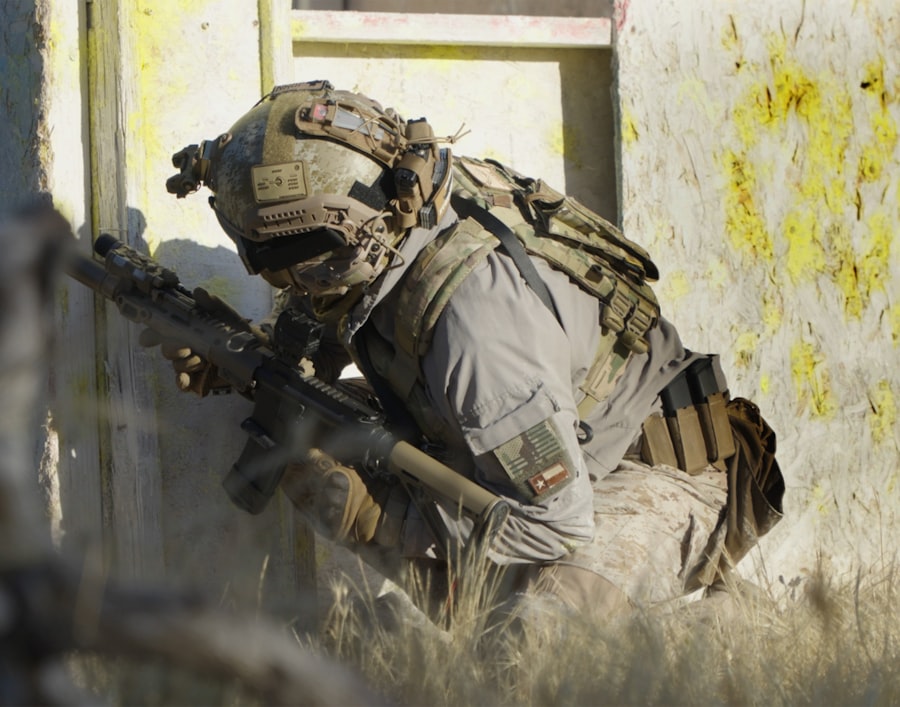
The deliberate weaponization of fear in warfare raises profound ethical and legal questions. While military strategists may view it as a necessary tool for achieving victory, its application often blurs the lines between legitimate military objectives and the unjustifiable infliction of suffering.
The Principle of Distinction and Indiscriminate Attacks
International humanitarian law, particularly the Geneva Conventions, emphasizes the principle of distinction, which requires combatants to differentiate between combatants and civilians and to target only military objectives. The use of fear-based tactics that deliberately target civilian populations, or that employ methods that cannot distinguish between civilians and combatants, constitutes a violation of these principles. Terror tactics, by their very nature, often involve indiscriminate attacks aimed at creating widespread fear among a civilian populace.
The Morality of Inducing Psychological Trauma
The deliberate induction of psychological trauma, a direct consequence of weaponized fear, raises significant moral concerns. While physical harm is readily condemned, the long-term psychological scars inflicted by terror tactics can be equally devastating, impacting individuals and communities for generations. The ethical debate centers on whether the potential military advantage gained through such means justifies the profound and lasting suffering inflicted on innocent individuals.
The Concept of Collective Punishment
Certain fear-based tactics can inadvertently or deliberately lead to collective punishment, where an entire population is subjected to suffering as a consequence of the actions of a few. This can manifest through widespread destruction of infrastructure, denial of essential resources, or the creation of an environment of pervasive fear that limits the ability of civilians to live normal lives. Collective punishment is a violation of international law and is considered an abhorrent practice.
The Blurred Lines Between Military Necessity and Cruelty
The justification for employing fear-based tactics often hinges on the concept of “military necessity.” However, this concept is subject to interpretation and can be manipulated to rationalize actions that are, in essence, cruel and inhumane. The challenge lies in discerning where legitimate military strategy ends and the gratuitous infliction of suffering begins, particularly when the ultimate goal is to break the enemy’s will through psychological torment.
The concept of weaponizing fear in warfare has been a critical strategy throughout history, influencing both psychological and physical tactics on the battlefield. A related article that delves deeper into this topic can be found on In the War Room, where it explores how fear can be manipulated to gain an advantage over adversaries. Understanding these tactics is essential for comprehending modern conflicts and the psychological warfare that often accompanies them. For more insights, you can read the article here.
The Long-Term Impact of Weaponized Fear
| Aspect | Metrics |
|---|---|
| Psychological Impact | Number of individuals affected by fear tactics |
| Propaganda | Frequency of fear-inducing messages distributed |
| Behavioral Changes | Percentage of population altering their actions due to fear |
| Long-term Effects | Studies on the lasting impact of fear-based warfare |
The effects of weaponized fear extend far beyond the immediate battlefield. Both combatants and civilian populations subjected to these tactics can suffer profound and lasting psychological and social consequences, impacting societies for years to come.
The Psychological Scars of Combatants
For combatants who directly experience or perpetrate acts of terror, the psychological toll can be immense. This can manifest as Post-Traumatic Stress Disorder (PTSD), chronic anxiety, depression, and a diminished capacity for empathy. The constant exposure to violence and the pressure to instill fear can lead to desensitization, moral injury, and a profound sense of alienation from society. The very acts employed to dehumanize the enemy can, in turn, dehumanize the perpetrator.
The Cycle of Violence and Retaliation
The use of fear as a weapon can perpetuate a destructive cycle of violence and retaliation. When one side employs terror tactics, the other is often driven to respond in kind, escalating the conflict and further entrenching a culture of fear and hatred. This can create a legacy of animosity that makes future reconciliation and peace-building incredibly difficult.
The Societal Impact on Civilian Populations
Civilian populations subjected to sustained fear-based warfare can experience widespread social disintegration. Trust erodes, communities fragment, and the fabric of society is torn asunder. The constant threat of violence and the uncertainty of daily life can lead to chronic stress, mental health crises, and a pervasive sense of despair. The physical destruction of infrastructure can be repaired, but the psychological wounds inflicted by terror can take generations to heal.
Erosion of Trust and Social Cohesion
When fear is weaponized, trust between individuals, between citizens and their government, and even between different ethnic or religious groups can be irrevocably damaged. This erosion of social cohesion makes it difficult for societies to function, to rebuild, and to move forward. The constant suspicion and apprehension bred by fear can create a society where suspicion reigns supreme.
The Legacy of Fear in Post-Conflict Societies
Even after the cessation of hostilities, the legacy of weaponized fear can continue to haunt societies. The psychological trauma, the deep-seated animosities, and the destroyed social infrastructure can hinder reconciliation and perpetuate instability. Addressing the lingering effects of fear requires not only material reconstruction but also comprehensive psychological support and long-term strategies for rebuilding trust and fostering intergroup understanding. The scars of fear are not always visible, but they are often the deepest and most enduring.
Conclusion: The Perilous Dance with Fear
The use of fear as a weapon in warfare is a testament to humanity’s capacity for both strategic brilliance and profound cruelty. It is a tactic that leverages our most fundamental vulnerabilities to achieve military objectives, but at a steep and often devastating cost. From the primal war cries of ancient warriors to the sophisticated psychological operations of modern conflicts, the intent to instill terror has remained a constant. As warfare continues to evolve, so too will the methods by which fear is weaponized. However, the ethical and legal considerations surrounding its use remain paramount. The international community must continue to grapple with the moral implications of deliberately inflicting psychological torment and strive to uphold the principles of humanitarian law, ensuring that the pursuit of victory does not come at the expense of our shared humanity. The enduring power of fear as a weapon serves as a stark reminder of the destructive potential of human ingenuity when divorced from compassion and ethical restraint. The ultimate goal of any conflict should not be to break the enemy through terror, but to achieve a lasting peace, built on mutual understanding and respect, a peace that cannot be forged in the crucible of fear.

The Vietnam Plot That Made Soldiers Fear Their Own Guns
FAQs
What is weaponizing fear in warfare?
Weaponizing fear in warfare refers to the deliberate use of psychological tactics to instill fear and terror in the enemy, with the goal of gaining a strategic advantage. This can include tactics such as propaganda, intimidation, and the use of terror weapons.
How has fear been used as a weapon in warfare throughout history?
Throughout history, fear has been used as a weapon in warfare in various ways. For example, ancient armies would use tactics such as war cries and intimidating displays of strength to instill fear in their enemies. In modern warfare, fear has been weaponized through the use of propaganda, psychological operations, and the development of terror weapons.
What are some examples of weaponizing fear in modern warfare?
In modern warfare, examples of weaponizing fear include the use of propaganda to spread misinformation and create fear among enemy populations, the use of terror tactics such as suicide bombings and chemical weapons, and the development of psychological operations to undermine the morale of enemy forces.
What are the ethical implications of weaponizing fear in warfare?
The weaponization of fear in warfare raises significant ethical concerns, as it often involves targeting civilian populations and using tactics that can cause long-lasting psychological harm. Additionally, the use of fear as a weapon can contribute to the erosion of trust and stability in conflict zones, making it more difficult to achieve lasting peace.
How can the weaponization of fear in warfare be addressed?
Addressing the weaponization of fear in warfare requires a multi-faceted approach that includes international laws and regulations, ethical guidelines for military conduct, and efforts to counter propaganda and misinformation. Additionally, promoting dialogue and understanding between conflicting parties can help to reduce the use of fear as a weapon in warfare.