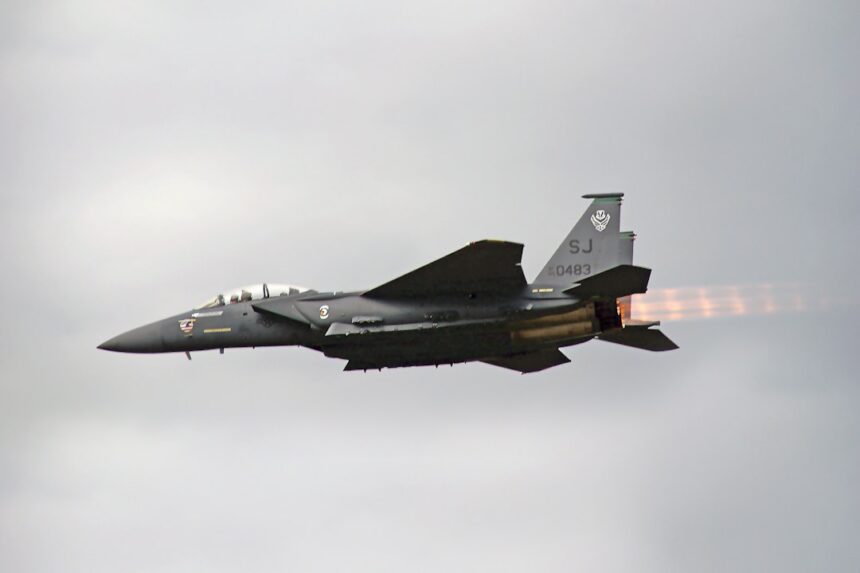
An F-15E Strike Eagle crashed during a routine training mission in 2019, a stark reminder of the inherent risks associated with advanced military aviation. The incident, which resulted in the loss of the aircraft and the untimely death of Captain Ryan Li, underscored the multifaceted costs beyond immediate financial expenditure—the human toll, the operational impact, and the long-term implications for air readiness and national security. Examining this event requires a dispassionate analysis of its various dimensions, moving beyond simple casualty figures to understand the complex web of consequences.
The direct financial repercussions of an F-15E Strike Eagle crash are substantial and immediate, primarily revolving around the loss of the airframe itself. These sophisticated aircraft represent a significant investment of taxpayer dollars.
Aircraft Acquisition and Development Costs
The F-15E Strike Eagle is a product of decades of research, development, and manufacturing. The initial acquisition cost for a single F-15E in the late 1980s and early 1990s was in the tens of millions of dollars. While the exact figure fluctuates based on modernization programs and contract specifics, a new F-15E airframe today would cost well over $100 million. This does not account for the original non-recurring engineering costs that went into its design and testing, a price spread across the entire fleet.
Inflation and Evolutionary Upgrades
The cost of acquiring these aircraft has also been subject to inflationary pressures over time. Furthermore, the F-15E has undergone numerous upgrades throughout its service life, incorporating new avionics, weapon systems, and structural enhancements. These modernization efforts, while vital for maintaining operational effectiveness, add further layers of expenditure that are essentially lost with the destruction of an individual airframe. The investment in these upgrades, meant to prolong the life and capability of the fleet, becomes unproductive when an aircraft is lost.
Associated Equipment and Payload
Beyond the airframe, the loss of an F-15E entails the destruction of an array of associated equipment, including highly specialized sensors, electronic warfare suites, and communication systems. These components are often custom-designed and integrated, making their replacement costly and time-consuming.
Mission-Specific Systems
The F-15E is configured for strike missions, meaning it often carries expensive targeting pods, advanced radar systems, and sophisticated navigation equipment. These systems are not interchangeable with those found on other aircraft and require dedicated supply chains and technical expertise for their maintenance and replacement. The cost of these specialized systems can add a significant percentage to the total value of the lost aircraft.
Weaponry and Ammunition
In a training exercise, the aircraft might also be carrying inert or even live ordnance, depending on the nature of the training. While the cost of standard munitions is less than that of the aircraft and its systems, the loss of a significant quantity of specialized weaponry, such as advanced missiles or smart bombs, contributes to the overall financial impact.
The tragic incident involving the F-15E Strike Eagle highlights the broader implications of military aviation safety and operational costs. For a deeper understanding of the factors influencing such crashes and the subsequent financial and human toll, you can refer to the related article on military aviation challenges at In The War Room. This resource provides valuable insights into the complexities of maintaining advanced fighter jets and the ongoing efforts to enhance safety protocols within the armed forces.
The Human Cost: Beyond Calculation
The most profound and irretrievable cost of any military aircraft crash is the loss of human life. In the case of Captain Ryan Li, his death represents a devastating blow not only to his family and loved ones but also to the Air Force.
The Aircrew’s Value
Every aircrew member undergoes extensive and costly training. Pilots and weapon systems officers (WSOs) for aircraft like the F-15E are highly skilled professionals who have dedicated years to their careers. Their training encompasses not only flying proficiency and technical knowledge but also tactical decision-making, leadership, and teamwork. The investment in their education, from initial flight school to specialized F-15E training, represents a capital asset for the military. The loss of a trained aviator effectively erases this significant investment.
Training Pipeline Investment
The pipeline for producing a senior F-15E pilot or WSO is long and expensive. It involves undergraduate pilot training, advanced tactical training, and then specific qualification and continuation training for the F-15E platform. This process involves simulators, flight hours with instructors, and increasingly complex mission scenarios. The monetary value of this training alone is substantial, but its true worth lies in the experienced judgment and operational capability that these individuals possess.
The Impact on Families and Support Networks
The loss of a service member has an immeasurable impact on their immediate family, friends, and wider support network. This emotional and psychological toll is a cost that cannot be quantified in financial terms but is undeniably a significant consequence of such incidents. The disruption to lives, the grief, and the long-term emotional scars represent a profound and enduring cost.
Morale and Unit Cohesion
The death of a fellow airman can also have a detrimental effect on the morale and cohesion of a unit. The bonds forged in training and operations are strong, and the loss of a member can create a void that is difficult to fill. This can impact team performance and overall unit readiness. Addressing these morale issues requires dedicated support and time for healing.
Operational and Readiness Implications
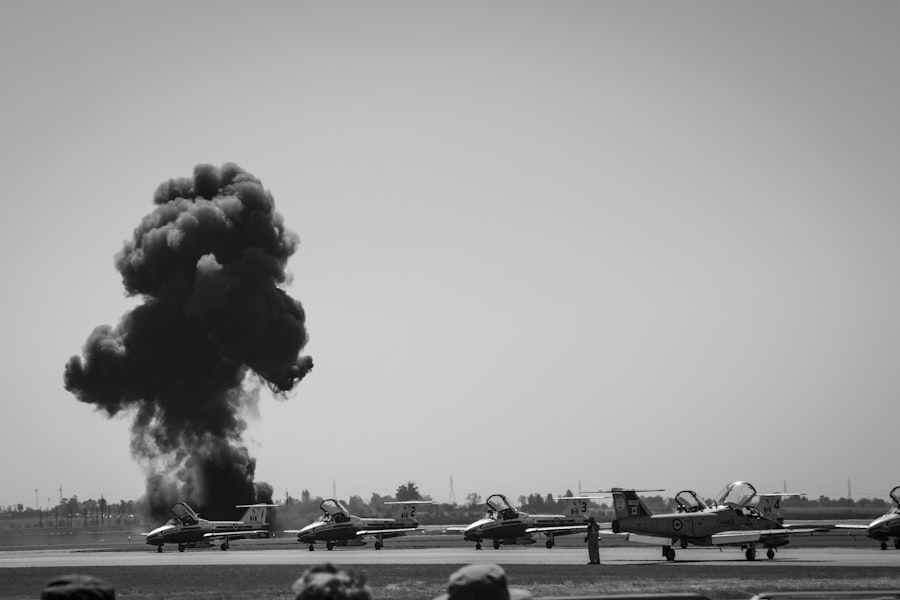
A downed aircraft is not merely a financial loss; it also represents a tangible reduction in operational capability and can impact an air force’s overall readiness.
Attrition of a Key Asset
The F-15E Strike Eagle is a cornerstone of the United States Air Force’s strike capability. It is a versatile platform capable of performing a wide range of missions, including interdiction, close air support, and battlefield interdiction. The loss of even one such aircraft reduces the overall number of platforms available for deployment, training, and contingency operations. This attrition can have a direct impact on the ability to meet global commitments.
Fleet Size and Modernization Schedules
Air forces operate with carefully managed fleet sizes to ensure they have sufficient assets to fulfill their operational mandates. When an aircraft is lost, it creates a gap that may not be immediately filled, especially if production lines are not actively engaged in building new airframes or if modernization schedules are tight. This can necessitate adjustments to deployment schedules, increased strain on remaining aircraft, and potentially delayed fielding of upgraded capabilities.
Impact on Training and Readiness Exercises
The F-15E, like all advanced military aircraft, requires continuous training to maintain crew proficiency and to integrate with other branches of the military. The loss of an aircraft can disrupt training schedules and necessitate the cancellation or modification of exercises. This can hinder the development of combat readiness and the ability to effectively employ complex weapon systems.
Loss of Training Platforms
With fewer aircraft available, training opportunities for other crews may be curtailed. This can lead to a decline in the overall experience level of the pilot and WSO population, potentially extending the time required for crews to reach full combat mission readiness. Scarce training aircraft sometimes means that crews do not get as many flying hours or as diverse a range of training scenarios as they would otherwise.
Investigation and Accountability Costs
Following any aircraft accident, a thorough investigation is conducted to determine the cause and to implement measures to prevent recurrence. These investigations, while essential, incur significant costs.
Investigation Resources and Personnel
The accident investigation board comprises highly experienced investigators, engineers, and technical specialists. Their work involves meticulous examination of wreckage, analysis of flight data recorders, witness interviews, and often extensive testing and simulation. This process requires significant personnel time and resources, including travel, lodging, and specialized equipment.
Technical Experts and Forensics
Determining the cause of a complex aircraft accident often requires specialized technical expertise, such as metallurgists, aerospace engineers, and avionics specialists. These experts may be drawn from military units, government agencies, or even civilian contractors. Their involvement adds to the direct financial cost of the investigation.
Corrective Actions and Fleet-Wide Implications
The findings of an accident investigation often lead to the implementation of corrective actions. These can range from modifications to existing aircraft and systems to changes in maintenance procedures, training protocols, or even design revisions.
Retrofitting and Modernization Changes
If the investigation reveals a systemic issue or a design flaw, fleet-wide modifications or enhancements may be necessary. The cost of retrofitting an entire fleet of F-15Es with new components or updated software can be substantial, further adding to the indirect costs of the initial loss. The process of identifying the necessary modifications, procuring the parts, and then implementing the changes across numerous operational squadrons is a considerable undertaking.
Changes in Airworthiness Directives and Training Mandates
Regulatory bodies and the Air Force will often issue Airworthiness Directives (ADs) or update training mandates based on accident investigation findings. While these are critical for safety, they can require significant resources to implement across the force, including updated technical orders, training materials, and instructor re-qualification.
The tragic incident involving the F-15E Strike Eagle has raised significant concerns about military aviation safety and operational protocols. For those interested in exploring the broader implications of such crashes, a related article discusses the various factors that contribute to the true cost of military aircraft accidents. You can read more about this topic in the insightful piece found here, which delves into the financial, human, and strategic impacts of these unfortunate events.
Long-Term Strategic and Economic Considerations
| Metrics | Data |
|---|---|
| Cost of F-15E Strike Eagle | 31 million |
| Number of F-15E Strike Eagles involved | 1 |
| Cost of damage to infrastructure | Not available |
| Cost of environmental cleanup | Not available |
| Cost of investigation and analysis | Not available |
The loss of an advanced combat aircraft like the F-15E carries long-term strategic and economic implications that extend beyond the immediate aftermath of the crash.
Impact on Future Procurement and Modernization Budgets
The loss of assets can influence future procurement decisions and modernization priorities. If the accident highlights a vulnerability or a deficiency in the existing fleet, it may accelerate calls for new aircraft or advanced upgrades, potentially straining defense budgets. Conversely, such incidents could also lead to a reassessment of procurement strategies and a focus on more robust or cost-effective solutions.
Resource Allocation and Budgetary Pressures
The unplanned expenditure to replace lost assets or address systemic issues identified in an investigation can divert funds from other critical areas of defense spending, such as research and development, personnel training, or the procurement of other essential equipment. This can create budgetary pressures and force difficult trade-offs.
Technological Edge and Competitive Balance
Maintaining a technological edge in military aviation is crucial for national security. The loss of a sophisticated platform like the F-15E, particularly if it is a relatively new or heavily modernized airframe, can temporarily diminish that edge. This can have implications for the perceived balance of power and may influence the strategic calculus of both allies and adversaries.
Maintaining Superiority in a Rapidly Evolving Landscape
The aerospace industry is characterized by rapid technological advancement. Countries that fall behind in developing and fielding next-generation platforms risk losing their strategic advantage. The loss of advanced aircraft can represent a setback in this ongoing technological race, necessitating accelerated investment in future programs to regain superiority.
In conclusion, the crash of an F-15E Strike Eagle, while a singular event, is part of a larger complex of costs. These costs extend far beyond the monetary value of the aircraft. They encompass the profound human tragedy of lost lives, the significant financial investment in individuals and hardware, the disruption to operational readiness and training, and the long-term strategic considerations of maintaining a technological advantage. A comprehensive understanding of such incidents requires acknowledging and analyzing each of these interconnected facets.
FAQs
What is the F-15E Strike Eagle?
The F-15E Strike Eagle is a dual-role fighter designed for air-to-air and air-to-ground missions. It is a highly capable and versatile aircraft used by the United States Air Force.
What caused the F-15E Strike Eagle crash?
The cause of the F-15E Strike Eagle crash can vary, but common factors include mechanical failure, human error, and environmental conditions. Investigations are typically conducted to determine the specific cause of each crash.
What are the financial implications of an F-15E Strike Eagle crash?
The financial implications of an F-15E Strike Eagle crash can be significant, including the cost of the aircraft itself, any damage to property, potential loss of life, and the expenses associated with investigation and recovery efforts.
How does an F-15E Strike Eagle crash impact military operations?
An F-15E Strike Eagle crash can impact military operations by reducing the number of available aircraft for missions, potentially affecting readiness and capabilities. It can also lead to a temporary halt in training and operations while investigations are conducted.
What measures are taken to prevent F-15E Strike Eagle crashes?
To prevent F-15E Strike Eagle crashes, the military implements rigorous training programs for pilots, conducts regular maintenance and inspections of aircraft, and continuously evaluates and updates safety protocols and procedures.