Survival Strategies: Thermal Imaging Evasion for Downed Pilots
The crash of an aircraft presents immediate and multifaceted dangers. Beyond the physical trauma and the immediate threat of a hostile environment, downed pilots face an additional, often unseen, peril: detection by adversaries employing thermal imaging technology. This technology, capable of revealing heat signatures against cooler backgrounds, can transform a hidden survivor into a beacon, drastically reducing their chances of evading capture or worse. Understanding and implementing effective evasion strategies against thermal detection is therefore a critical component of survival training for aircrews. This article will explore the fundamental principles of thermal imaging and delve into practical techniques for downed pilots to mitigate their heat signature, thereby increasing their odds of survival.
Thermal imaging, also known as infrared thermography, operates by detecting the infrared radiation emitted by objects. All objects with a temperature above absolute zero emit infrared radiation, and the intensity of this radiation is directly proportional to their temperature. Thermal imagers are essentially sophisticated cameras that convert this infrared radiation into a visual image, assigning different colors or grayscale values to different temperature ranges. This allows operators to distinguish between hot and cold objects in their field of view, even in complete darkness or through obscuring conditions like smoke or fog.
The Electromagnetic Spectrum and Infrared Radiation
The electromagnetic spectrum encompasses a wide range of radiation, from radio waves to gamma rays. Infrared radiation falls within this spectrum, typically between visible light and microwaves. It is characterized by wavelengths longer than visible light, which humans perceive as heat. Our bodies, engines, and even recently disturbed earth emit infrared radiation. Thermal imagers are designed to capture these specific wavelengths, making them incredibly effective for detecting living organisms and operational equipment.
How Thermal Imagers Work: Emissivity, Temperature, and Contrast
The ability of a thermal imager to detect an object depends on several factors. Emissivity is a material’s ability to radiate thermal energy. Objects with high emissivity will radiate heat more readily than those with low emissivity, making them more visible on a thermal display. Temperature is the most obvious factor; hotter objects emit more infrared radiation and are therefore easier to detect. Crucially, contrast is the key. A thermal imager identifies anomalies against a background. If the pilot’s heat signature is similar to the surrounding environment, they will blend in. Conversely, a significant temperature difference will result in a starkly visible signature. Adversaries will be looking for these deviations from the expected thermal landscape.
Limitations of Thermal Imaging
Despite its advanced capabilities, thermal imaging is not infallible. It has inherent limitations that downed pilots can exploit.
Atmospheric Conditions
The atmosphere itself can interfere with thermal imaging. Water vapor, dust, and certain atmospheric gases can absorb or scatter infrared radiation, reducing the range and clarity of thermal detection. Heavy rain, dense fog, or sandstorms can significantly degrade the performance of thermal imagers, creating valuable windows of opportunity for evasion.
Line of Sight and Obstructions
Thermal imaging, like visible light, requires a clear line of sight. Solid objects, such as dense foliage, rock formations, or even thick layers of man-made materials, can block infrared radiation. While some materials are more transparent to infrared than others (e.g., certain plastics), dense, opaque materials are generally effective at obscuring thermal signatures.
Thermal Equilibrium and Background Noise
Thermal imagers detect differences in temperature. If a pilot manages to achieve thermal equilibrium with their surroundings, their heat signature will become almost indistinguishable from the background noise. This is a challenging but ultimately achievable goal through effective camouflage and environmental adaptation. The thermal background itself – the ambient temperature of the earth, vegetation, and air – plays a significant role in the effectiveness of thermal detection.
In the context of thermal imaging evasion tactics for downed pilots, it’s essential to explore various strategies that can enhance survival chances in hostile environments. A related article that delves deeper into this topic is available at In the War Room, where it discusses innovative techniques and technologies that pilots can employ to evade detection and increase their likelihood of rescue. Understanding these tactics is crucial for both military personnel and those interested in aviation safety.
Heat Signature Mitigation Strategies: The Core of Evasion
The primary objective of thermal evasion is to minimize the heat signature that a downed pilot emits, making them difficult to detect by thermal imaging systems. This involves a multi-pronged approach that addresses both physiological heat generation and the thermal properties of their equipment and immediate surroundings.
Physiological Heat Management
The human body is a constant source of heat. Managing this internal heat generation is the first step in reducing one’s thermal footprint.
Maintaining a Stable Core Temperature
The body’s core temperature must be maintained within a narrow range for survival. However, significant internal temperature fluctuations can create a detectable heat signature. Avoiding strenuous activity that elevates body temperature unnecessarily is crucial. Conversely, hypothermia can also create a detectable anomaly, albeit a colder one, against a warmer background. Therefore, balancing the need to conserve energy with the imperative to avoid rapid temperature swings is paramount.
Sweating and Evaporative Cooling
Sweating is the body’s primary mechanism for cooling. While effective, sweat itself can create a transient thermal anomaly as it evaporates. Once the sweat dries, the evaporation process absorbs heat from the skin, temporarily lowering its temperature. However, during the act of sweating, the increased moisture on the skin can alter its emissivity, potentially making it more detectable. Managing exertion to minimize profuse sweating can be beneficial. Wearing breathable fabrics that allow moisture to wick away from the skin will also help manage this effect.
Equipment and Gear De-signature
The equipment a pilot carries, from their flight suit to their survival gear, can also emit a discernible heat signature. Conscious efforts must be made to minimize this.
Thermal Properties of Flight Suits and Survival Gear
Modern flight suits are often designed with flame-retardant materials that can have varying thermal properties. While protective, these materials might also retain heat or have specific emissivities. Understanding the thermal characteristics of one’s gear is essential. For instance, tightly worn clothing can trap heat against the body, increasing the overall heat radiated. Looser fitting layers can create air gaps that act as insulators, slowing heat transfer.
Reflective and Insulating Materials
The judicious use of reflective and insulating materials can significantly alter a piece of equipment’s thermal signature. Reflective surfaces, like Mylar blankets, can redirect infrared radiation away from the observer, effectively masking the heat source. Insulating materials, such as foam or wool, can trap heat, preventing it from radiating outwards. Experimentation with layering these materials beneath external camouflage can prove effective.
Minimizing Electrical Heat Generation
Any powered equipment a pilot might carry, such as communication devices or GPS units, generates heat. These should be used sparingly and, when possible, shielded to minimize their outward heat emission. Even a small battery can produce a detectable temperature difference. Understanding which devices generate the most heat and taking steps to mitigate it is important.
Camouflage and Concealment Techniques for Thermal Evasion

Traditional camouflage focuses on blending with the visual environment. Thermal evasion requires a parallel strategy, focusing on blending with the thermal environment. This means not just looking like the surroundings but feeling like them, thermally speaking.
Natural Thermal Camouflage
Nature provides a wealth of materials and principles that can be adapted for thermal camouflage. Understanding the thermal properties of common environmental elements is key.
Soil and Vegetation as Thermal Blankets
Different types of soil and vegetation have distinct thermal characteristics. Dense vegetation, for instance, can provide insulation and trap cooler temperatures beneath it. Disturbed soil, on the other hand, might retain heat longer than undisturbed ground. Learning to identify and utilize these natural thermal properties is vital. For example, seeking shelter within a dense thicket of trees can offer both visual and thermal concealment.
Water Bodies and Thermal Signatures
Water bodies, such as streams or ponds, can significantly influence the local thermal environment. Their consistent temperature can act as a stabilizing element, making deviations from that temperature more noticeable. Conversely, a heat source near a water body might be dissipated more rapidly. Pilots should consider how their proximity to water might affect their thermal signature.
Utilizing Thermal Invisibility Through Environmental Integration
The ultimate goal is to become indistinguishable from the background thermal landscape. This involves active and passive integration.
Mimicking Background Temperatures
This is a critical aspect of thermal evasion. If the ambient temperature of the area is 20 degrees Celsius, a pilot whose exposed skin registers 30 degrees Celsius will be highly visible. Therefore, techniques that cool the skin or insulate it from ambient temperature will be beneficial. Covering exposed skin with materials that approximate the ambient temperature is a primary strategy. This includes the effective use of mud, damp vegetation, or even carefully positioned debris to break up and cool the heat signature.
Breaking Up the Thermal Shape
Even if a pilot’s temperature is close to the ambient, a distinct human form will still be detectable by trained observers or sophisticated algorithms. Breaking up the human silhouette is as important in thermal evasion as it is in visual camouflage. This can be achieved by incorporating irregular shapes and textures into the camouflage scheme, mimicking natural formations.
Movement and Posture for Thermal Masking
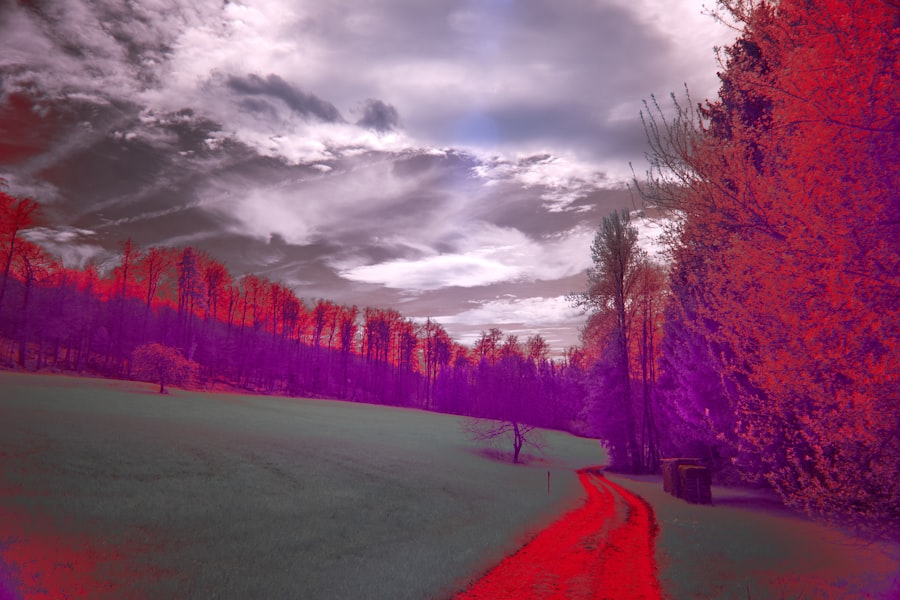
The act of movement and the chosen posture can significantly impact a pilot’s thermal signature and their detectability. Static, low-profile postures are generally preferred.
Minimizing Movement and its Thermal Consequences
Movement inherently generates friction and heat, both internally and externally. Every step, every adjustment of position, creates subtle temperature changes. Therefore, minimizing unnecessary movement is paramount. When movement is absolutely required, it should be slow, deliberate, and ideally conducted during periods of reduced thermal contrast, such as dawn or dusk.
Strategic Positioning and Background Choice
The choice of location is critical. A pilot should seek out areas that naturally offer thermal camouflage and minimize their exposure.
Utilizing Thermal Shadows and Cold Spots
Just as visual camouflage utilizes shadows, thermal evasion can exploit “thermal shadows” – areas that are naturally cooler than their surroundings. Dense foliage, the shaded side of a hill, or even the leeward side of large rocks can create these thermal pockets. Identifying and utilizing these cold spots can greatly enhance concealment. Conversely, avoiding brightly sunlit areas where surfaces will be warmer and more readily detectable is essential.
Adapting Posture to Environmental Thermal Signatures
The pilot’s posture should be adapted to the prevailing thermal environment. If seeking concealment under a canopy of trees, a flattened, prone position that mimics the texture and thermal profile of the forest floor is preferable to standing upright. Integrating oneself with the terrain, making oneself a part of the visual and thermal landscape, is the objective.
Thermal imaging evasion tactics for downed pilots are crucial for survival in hostile environments, and understanding these techniques can significantly enhance a pilot’s chances of evading capture. For those interested in exploring this topic further, an insightful article on related strategies can be found at In the War Room, which discusses various methods and technologies that can aid in evasion and survival. By familiarizing themselves with these tactics, pilots can better prepare for the unexpected challenges they may face in the field.
Advanced Evasion Tactics and Considerations
| Tactic | Description |
|---|---|
| Camouflage | Using natural surroundings to blend in and avoid detection. |
| Heat suppression | Using heat-resistant materials to reduce the thermal signature. |
| Heat diversion | Using decoys or heat sources to confuse thermal imaging systems. |
| Heat dissipation | Utilizing cooling techniques to lower the thermal signature. |
Beyond the foundational principles, several advanced techniques and considerations can further enhance a downed pilot’s chances of evading thermal detection.
Utilizing Environmental Deception and Obfuscation
This involves actively manipulating the thermal environment to create false impressions or mask genuine heat sources.
Creating Thermal Decoys
In certain situations, creating thermal decoys – objects designed to mimic a human heat signature – might be a viable, albeit complex, strategy. This could involve placing a heat source, like a small, smoldering fire carefully controlled to avoid visual detection, in a position away from the pilot’s actual location. However, such tactics carry significant risks and require a thorough understanding of adversary detection capabilities.
Employing Smoke and other Thermal Obscurants
While smoke is visually obvious, it can also significantly disrupt thermal imaging. Controlled use of smoke, perhaps generated by the aircraft’s own emergency equipment that is designed to produce smoke, could provide a short-term window for movement. However, this is a high-risk tactic that is likely to attract attention.
The Role of Intelligence and Situational Awareness
Understanding the enemy’s capabilities and likely search patterns is invaluable.
Knowing Your Adversary’s Technology
Awareness of the types of thermal imaging systems the adversary might possess is crucial. Are they man-portable units, vehicle-mounted systems, or aerial platforms? The range and resolution of these systems will dictate the required level of evasion. Understanding their limitations – for example, susceptibility to atmospheric conditions or specific material interference – will inform evasion strategies.
Threat Assessment and Prioritization
Not all threats are equal. A pilot needs to assess the immediate and potential future threats and prioritize their evasion efforts accordingly. If an area is known to be under constant aerial surveillance with advanced thermal imagers, more extreme measures will be necessary than in a relatively unmonitored rural area.
Long-Term Survival and Sustained Evasion
Sustaining evasion over an extended period presents new challenges.
Rationing Energy and Heat Generation
For long-term survival, conserving energy is paramount. This means minimizing all forms of heat generation, including physical exertion, emotional stress, and unnecessary use of equipment. Building a shelter that provides consistent thermal insulation will be crucial for maintaining a stable body temperature without expending excessive energy.
The Importance of Patience and Discipline
Effective thermal evasion is not a sprint; it is a marathon. It requires immense patience, discipline, and the ability to withstand prolonged periods of discomfort and fear. The temptation to act impulsively or to make oneself visible for any reason must be overcome with a deep-seated commitment to survival. The ongoing commitment to minimizing thermal signature, even when the perceived threat seems distant, is what separates a detected survivor from an evaded one.
FAQs
What is thermal imaging?
Thermal imaging is a technology that uses infrared radiation to create an image based on the temperature differences of objects and their surroundings.
Why is thermal imaging used in search and rescue operations for downed pilots?
Thermal imaging is used in search and rescue operations for downed pilots because it can detect the heat signatures of individuals, making it easier to locate them, especially in low visibility conditions or at night.
What are some evasion tactics for downed pilots to avoid detection by thermal imaging?
Evasion tactics for downed pilots to avoid detection by thermal imaging include finding cover in dense vegetation, using natural terrain features to conceal body heat, and minimizing movement to reduce heat signature.
How effective are thermal imaging evasion tactics for downed pilots?
The effectiveness of thermal imaging evasion tactics for downed pilots depends on various factors such as the terrain, weather conditions, and the skill level of the search and rescue team using the thermal imaging technology.
What are some additional considerations for downed pilots when evading thermal imaging detection?
Additional considerations for downed pilots when evading thermal imaging detection include staying hydrated to maintain body temperature, using signaling devices to attract attention, and being aware of the limitations of thermal imaging technology.