The Cost of Iraq’s Gulf War Blindness
The dust had barely settled on the battlefield, yet the seeds of future conflict were already sown. The swift and decisive victory of the U.S.-led coalition in the 1991 Gulf War, while celebrated as a triumph of military might and a liberation of Kuwait, cast a long shadow over Iraq’s future. This article will explore the multifaceted and enduring costs of what can be termed “Iraq’s Gulf War blindness” – the failure of international powers and, to some extent, Iraq itself, to fully grasp the long-term consequences of the war and the subsequent policies implemented. This blindness wasn’t a single act but a series of miscalculations, strategic oversights, and a lack of comprehensive planning that would contribute to decades of instability, suffering, and regional upheaval.
The military campaign, while strategically aimed at degrading Iraq’s offensive capabilities, inflicted widespread damage on the nation’s infrastructure. This wasn’t merely collateral damage; it was a calculated attempt to cripple Iraq’s war-making potential. However, the long-term impact far exceeded the immediate military objectives.
Power Grids and Water Treatment: A Nation Unplugged
The deliberate targeting of Iraq’s electrical grid and water treatment facilities had a profound and devastating effect. These were not military targets in the conventional sense, but essential civilian infrastructure.
The Ripple Effect on Daily Life
The destruction of power plants meant that homes were plunged into darkness for extended periods. This impacted everything from basic household needs like refrigeration and heating to more critical services like hospitals. The lack of electricity hampered economic activity, crippled small businesses, and exacerbated poverty.
Waterborne Diseases and Public Health Crisis
The damage to water treatment and sewage systems created a public health crisis of unprecedented proportions. Without clean water and adequate sanitation, Iraq became a breeding ground for waterborne diseases such as cholera and typhoid. Infant mortality rates soared, and the overall health of the population deteriorated significantly. This was a slow-burning disaster, the consequences of which would linger for years, impacting generations.
Industrial Capacity and Economic Rebuilding
Beyond the immediate infrastructure, the bombing campaign targeted industrial facilities, including factories, refineries, and transportation networks. While intended to prevent Iraq from rebuilding its military, it also decimated its capacity for economic recovery.
The Loss of Manufacturing and Production
The destruction of factories meant that Iraq lost its ability to produce essential goods, from consumer products to agricultural machinery. This reliance on imports, coupled with the crippling of its oil infrastructure (though oil fields were largely spared, export terminals and pipelines were damaged), plunged the nation into economic stagnation.
The Challenge of Reconstruction
The international community, while eventually providing some aid, was slow and insufficient in its response to the monumental task of rebuilding Iraq’s shattered infrastructure. The complex geopolitical landscape, coupled with sanctions, further hampered reconstruction efforts.
In the context of how Iraq lost situational awareness during the Gulf War, an insightful article that delves into the strategic miscalculations made by Iraqi leadership can be found at this link: In the War Room. This article examines the critical failures in intelligence and communication that contributed to Iraq’s inability to effectively respond to coalition forces, highlighting the importance of situational awareness in modern warfare.
The Unforeseen Consequences of Sanctions: A Humanitarian Catastrophe
Following the war, the United Nations imposed comprehensive sanctions on Iraq, aimed at forcing Saddam Hussein’s regime to comply with international demands, particularly regarding weapons of mass destruction. While the intention was to isolate the regime, the reality was a humanitarian disaster that inflicted immense suffering on the Iraqi civilian population.
The “Oil-for-Food” Program: A Flawed Solution
The Oil-for-Food program, introduced in 1995, was an attempt to alleviate the humanitarian crisis by allowing Iraq to sell limited quantities of oil to purchase food and medicine. However, the program was plagued with inefficiencies, corruption, and was ultimately insufficient to meet the needs of the population.
Bureaucratic Hurdles and Corruption
The program was mired in bureaucratic complexities and allegations of corruption, both within Iraq and among international facilitators. This meant that much-needed resources often failed to reach the intended recipients, or were diverted for other purposes.
The Ethical Dilemma of Collective Punishment
Critics argued that the sanctions amounted to collective punishment, punishing the Iraqi people for the actions of their government. The inability to access essential medicines and nutritional food created widespread malnutrition and a decline in public health.
The Long-Term Impact on Society
The sanctions had a profound and lasting impact on Iraqi society, fostering a sense of despair, eroding social cohesion, and contributing to a brain drain as educated professionals sought opportunities elsewhere.
Erosion of Social Fabric
The prolonged period of deprivation and hardship weakened social bonds. Families struggled to survive, and the focus shifted from societal development to immediate survival.
The Rise of Black Markets and Smuggling
The scarcity of essential goods led to the proliferation of black markets and smuggling operations. While some individuals found ways to profit, it further undermined the legitimate economy and fostered a culture of illicit activity.
The Seeds of Future Insurgency: A Power Vacuum and Mistrust
The removal of Saddam Hussein’s regime in the 2003 invasion, while a stated objective of ending his rule, created a massive power vacuum. The failure to adequately plan for the post-invasion period and the subsequent policies implemented laid the groundwork for a protracted and brutal insurgency.
The De-Ba’athification Policy: Alienating a Nation
The U.S. administration’s decision to de-Ba’athify Iraq, removing Ba’ath Party members from government and security positions, was a critical misstep. While aimed at dismantling the former regime’s apparatus, it alienated a significant portion of the Iraqi population who had been integrated into the state apparatus, regardless of their ideology.
The Creation of a Disgruntled Ex-Military Force
Hundreds of thousands of former soldiers and civil servants found themselves unemployed and disenfranchised. Many of these individuals, possessing military training and a sense of grievance, became prime recruits for emerging insurgent groups.
Undermining the New Government’s Legitimacy
The policy also created a perception that the new government was not inclusive, further alienating segments of the population and making it difficult to establish a stable and legitimate state.
The “Us vs. Them” Mentality: Escalating Mistrust
The conduct of the occupation forces and the perceived disregard for Iraqi cultural sensitivities often exacerbated existing tensions and fostered an “us vs. them” mentality.
Inadvertent Provocations and Civilian Casualties
Instances of civilian casualties, often resulting from hastily executed raids or misjudged operations, fueled anger and resentment. The lack of accountability for such incidents further eroded trust.
The Impact of Sectarian Divisions
The pre-existing sectarian divisions within Iraq, particularly between the Sunni and Shi’a communities, were exploited and intensified by the ensuing conflict and the perceived favoritism shown to certain groups by the occupying powers.
The Long Shadow of Regional Instability: A Fertile Ground for Extremism
The instability in Iraq after the 2003 invasion had profound implications for the wider region, creating a fertile ground for the rise of extremist ideologies and organizations.
The Emergence of Al-Qaeda in Iraq and ISIS
The power vacuum and the widespread disillusionment created an environment where extremist groups, such as Al-Qaeda in Iraq (AQI), could flourish. The group later evolved into the Islamic State of Iraq and Syria (ISIS), a terror organization that would destabilize large swathes of the Middle East.
Exploiting Grievances and Providing Services
Extremist groups effectively exploited sectarian grievances and offered a sense of purpose and belonging to disillusioned individuals. In some instances, they also provided rudimentary services, filling the void left by a collapsed state.
The Global Threat of Terrorism
The rise of ISIS demonstrated the global reach of these extremist ideologies, with devastating consequences for nations far beyond Iraq’s borders.
The Refugee Crisis and Neighboring Countries
The ongoing conflict and instability in Iraq led to a massive displacement of its population, creating a significant refugee crisis that strained the resources of neighboring countries.
Strain on Regional Resources
Countries like Jordan, Syria, and later Turkey, bore the brunt of the Iraqi refugee influx. This placed immense pressure on their infrastructure, social services, and economies.
Inter-State Tensions and Security Concerns
The influx of refugees also created complex inter-state relations and security concerns for host nations, further contributing to regional instability.
During the Gulf War, Iraq’s loss of situational awareness played a crucial role in its military defeat, as highlighted in a related article that discusses the strategic miscalculations made by Iraqi leadership. This lack of awareness not only hindered their ability to respond effectively to coalition forces but also contributed to the rapid collapse of their defenses. For a deeper understanding of the factors that led to this critical failure, you can read more in the article on In The War Room.
The Unresolved Legacy: A Nation Still Reeling
| Event | Cause | Impact |
|---|---|---|
| Failure to anticipate coalition air campaign | Lack of reconnaissance and intelligence gathering | Allowed coalition forces to launch devastating airstrikes |
| Decoy operations misled Iraqi leadership | Lack of accurate information on coalition movements | Wasted resources and diverted attention from actual threats |
| Disrupted communication and command structure | Targeting of Iraqi communication infrastructure | Reduced ability to coordinate and respond effectively |
Decades after the initial Gulf War and the subsequent invasion, Iraq remains a nation grappling with the enduring consequences of these conflicts and the policies that followed. The costs are not solely measured in financial terms but in the lost potential, the shattered lives, and the persistent insecurity that continues to plague the country.
The Human Cost: Generations Affected
The human cost of the Gulf War and its aftermath is immeasurable. Generations of Iraqis have grown up amidst violence, deprivation, and uncertainty. The psychological scars, the loss of loved ones, and the lack of opportunities have left a deep and lasting impact.
The Trauma of War and Displacement
The constant threat of violence, the experience of displacement, and the witnessing of atrocities have inflicted profound trauma on the Iraqi population. This trauma can be passed down through generations, impacting mental health and societal well-being.
The Lost Generation
Many young Iraqis have known little else but conflict and instability. Their education has been disrupted, their futures uncertain, and their potential stifled.
The Economic Repercussions: A Stunted Recovery
Despite being an oil-rich nation, Iraq’s economy has struggled to achieve sustained growth and development. The persistent insecurity, corruption, and the legacy of infrastructure damage continue to hinder its economic recovery.
Dependence on Oil Revenue and Corruption
Iraq’s economy remains heavily reliant on oil exports, making it vulnerable to global price fluctuations. Corruption continues to siphon off vital resources that could be invested in much-needed development.
The Challenge of Diversification
The lack of investment in other sectors, such as agriculture and manufacturing, has prevented Iraq from diversifying its economy and creating sustainable employment opportunities.
The Path Forward: A Call for Accountability and Long-Term Vision
Addressing the enduring costs of Iraq’s Gulf War blindness requires a commitment to accountability, a long-term vision for regional stability, and a genuine partnership with the Iraqi people.
Learning from Past Mistakes
The international community must critically assess the consequences of past interventions and policies, acknowledging the failures and learning from the devastating human cost.
Investing in Sustainable Development and Reconciliation
True progress in Iraq will require sustained investment in its infrastructure, education, and healthcare systems. Furthermore, efforts towards national reconciliation and addressing historical grievances are crucial for building a lasting peace.
The story of Iraq’s Gulf War blindness is a stark reminder of the complex and often unintended consequences of military intervention and the profound responsibility that comes with shaping the destiny of nations. The scars run deep, and the path to genuine healing and stability remains long and arduous.
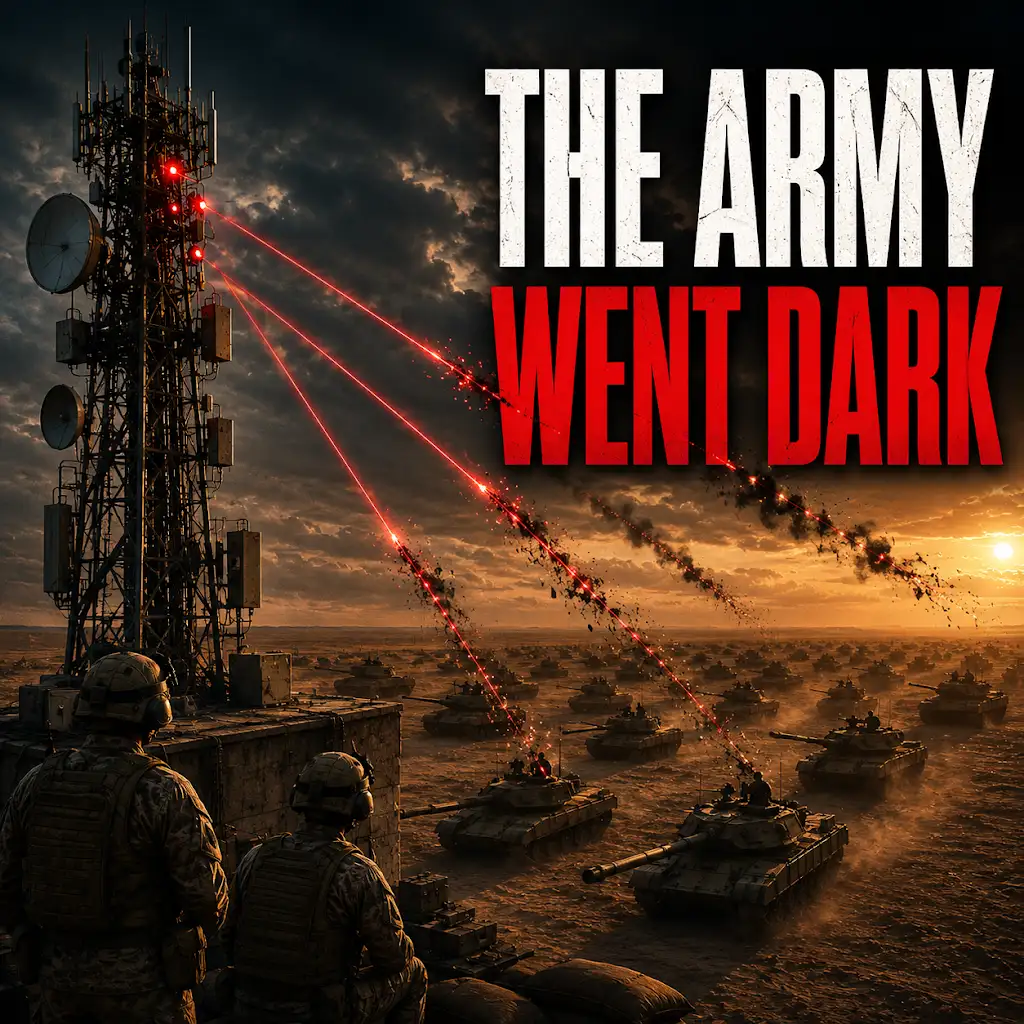
The Invisible Attack That Crippled Iraq’s Army | Desert Storm Documentary
FAQs
1. What is situational awareness in the context of the Gulf War?
Situational awareness refers to the ability of military forces to understand their environment, identify potential threats, and make informed decisions based on real-time information.
2. How did Iraq lose situational awareness during the Gulf War?
Iraq lost situational awareness due to a combination of factors, including the destruction of their air defense systems, the effectiveness of coalition electronic warfare tactics, and the limited capabilities of their surveillance and reconnaissance assets.
3. What impact did the loss of situational awareness have on Iraq’s military operations?
The loss of situational awareness severely hampered Iraq’s ability to effectively defend against coalition airstrikes and ground offensives. It also limited their ability to coordinate and execute offensive operations.
4. What lessons can be learned from Iraq’s loss of situational awareness in the Gulf War?
The Gulf War highlighted the critical importance of maintaining robust and resilient situational awareness capabilities in modern warfare. It underscored the need for effective air defense systems, electronic warfare countermeasures, and advanced surveillance and reconnaissance assets.
5. How has the concept of situational awareness evolved since the Gulf War?
Since the Gulf War, advancements in technology have significantly enhanced situational awareness capabilities for military forces. This includes the development of more sophisticated surveillance and reconnaissance platforms, improved electronic warfare systems, and the integration of data analytics and artificial intelligence for real-time decision-making.