Saddam Hussein, the Ba’athist dictator of Iraq, presided over a military machine that, for a time, instilled fear across the Middle East and even garnered a degree of respect from global powers. However, a closer examination of his leadership reveals a pattern of profound military command failures that ultimately contributed to the downfall of his regime and inflicted immense suffering on his nation. These failures were not born of a single catastrophic decision, but rather a confluence of deep-seated personality flaws, ideological rigidity, a flawed understanding of modern warfare, and a pervasive culture of fear within the Iraqi military.
The Cult of Personality and the Erosion of Competence
At the heart of many of Saddam Hussein’s military blunders lay his all-consuming cult of personality. He viewed himself as an infallible military genius, a modern-day Saladin destined to lead Arab armies to glorious victory. This self-perception, meticulously cultivated through state propaganda, fostered an environment where dissent was not only unwelcome but actively suppressed. The Iraqi military, much like the rest of Iraqi society, operated under the constant shadow of the dictator’s judgment.
The Suppression of Independent Thought and Initiative
Saddam’s desire to be the sole architect of military strategy meant that experienced and competent officers were often sidelined or eliminated if their opinions diverged from his own. He preferred sycophants and unquestioning loyalists to strategic thinkers. This created a command structure that was top-heavy, inefficient, and incapable of adapting to rapidly evolving battlefield realities. Rather than fostering a culture of critical thinking and innovation, the Iraqi military was trained to await the supreme commander’s directives, even when those directives were demonstrably flawed.
The Tyranny of Orders
Officers were terrified of conveying bad news or offering alternative strategies that might be perceived as questioning Saddam’s judgment. This led to a desperate scramble to fulfill impossible orders, often with disastrous consequences. The narrative of success, however fabricated, was paramount. This meant that tactical setbacks were glossed over, and the true state of military readiness was hidden from the very leader who was supposed to be directing it. The emphasis on obedience over effectiveness meant that the military’s operational capabilities were continuously undermined.
The Influence of Kinship and Loyalty over Merit
Saddam frequently appointed relatives and close associates to positions of significant military command, regardless of their actual qualifications. This practice, while solidifying his personal power base, diluted the military’s professional competence. Nepotism became a defining characteristic of the Iraqi military hierarchy, creating resentments among capable officers and ensuring that crucial decisions were often made by individuals ill-equipped to handle the complexities of modern warfare.
The Example of the Tikriti Elite
The dominance of individuals from Saddam’s hometown of Tikrit in key military and security positions is a stark illustration of this failure. While some Tikritis may have possessed talent, their ascent was often more a testament to their familial or tribal ties to Saddam than to their military acumen. This created a deeply stratified and often resentful military, where promotion was not earned but bestowed, further eroding morale and effectiveness.
Saddam Hussein’s military command failures during the Gulf War have been extensively analyzed, revealing critical misjudgments that contributed to Iraq’s defeat. For a deeper understanding of these strategic blunders and their implications, you can explore the article titled “The Strategic Miscalculations of Saddam Hussein” available at In The War Room. This article delves into the decision-making processes within Hussein’s regime and how they ultimately led to catastrophic outcomes on the battlefield.
The Iran-Iraq War: A Prolonged Grind of Strategic Folly
The eight-year conflict with Iran (1980-1988) stands as a monumental testament to Saddam Hussein’s strategic miscalculations. Launched with overconfidence and a misplaced belief in the superiority of his forces, the war became a brutal war of attrition that bled Iraq dry in terms of both human and economic resources.
The Misjudgment of Iranian Resolve and Capabilities
Saddam’s initial offensive was predicated on the assumption that Iran, weakened by its recent revolution and facing internal turmoil, would crumble under a swift Iraqi assault. He underestimated the fervent religious nationalism that the revolution had unleashed and the determination of the Iranian people to defend their homeland. This misjudgment led to a protracted conflict that Iraqi forces were ill-prepared to sustain.
The “Qadisiyah” Narrative and its Pitfalls
Saddam’s decision to frame the war as a continuation of the ancient Battle of al-Qadisiyyah, which saw Arab armies defeat the Sasanian Persians, was a deliberate attempt to evoke historical glory and galvanize public support. However, this ideological framing blinded him to the realities of modern warfare. The war devolved into bloody trench warfare, reminiscent of World War I, where massive human wave attacks and artillery barrages became the norm. The historical narrative provided no strategic advantage and masked the growing futility of the conflict.
The Over-reliance on Conventional Warfare and Human Waves
Throughout the war, Saddam’s military strategy remained largely conventional, emphasizing massed infantry assaults and artillery bombardments. He failed to effectively adapt to the evolving nature of the conflict, particularly the emergence of more sophisticated tactics employed by the Iranian Revolutionary Guard Corps (IRGC), including effective use of ambushes and asymmetric warfare. The reliance on human wave attacks, often by conscripted youth, resulted in staggering casualties for minimal territorial gains.
The “Fida’i” Phenomenon and its Cost
The deployment of “Fida’i” (self-sacrificing) units, often poorly trained and poorly equipped, into heavily defended Iranian positions exemplifies the desperate and costly tactics employed. These units were essentially human shields, sent to absorb enemy fire and pave the way for regular troops. The immense loss of life in these operations severely depleted Iraq’s youthful population and damaged the morale of the remaining military.
The Failure to Develop and Utilize Air Power Effectively
While the Iraqi Air Force was equipped with Soviet and French aircraft, its potential was never fully realized under Saddam’s command. The air force was often employed in conventional bombing raids against Iranian cities and military installations, but it lacked the strategic depth and operational flexibility to significantly alter the course of the war. The inability to achieve air superiority or conduct effective interdiction campaigns meant that Iranian logistical lines remained largely intact, and the war continued to be a grinding land battle.
The Stagnation of Air Force Doctrine
Saddam’s mistrust of his military leaders and his preference for direct control extended to the air force. Pilots were often given precise targeting instructions, limiting their tactical flexibility and initiative. The air force’s potential for reconnaissance, electronic warfare, and close air support in more dynamic battlefield scenarios was largely untapped.
The Invasion of Kuwait: A Strategic Blunder of Epic Proportions
The 1990 invasion of Kuwait, a seemingly decisive military maneuver, proved to be the gravest strategic miscalculation of Saddam Hussein’s rule. It not only united an international coalition against Iraq but also exposed the fundamental weaknesses of his military apparatus.
The Hubris and Misreading of International Response
Saddam believed that his military might, having survived an eight-year war with Iran, was sufficient to deter international intervention. He misjudged the resolve of the United States and its allies, who saw the invasion as a blatant violation of international law and a threat to global energy supplies. The assumption that Arab nations would remain passive or even support the invasion proved catastrophically wrong.
The “Nineteenth Province” Delusion
Saddam’s declaration that Kuwait was Iraq’s “nineteenth province” revealed a dangerous blend of historical revisionism and imperial ambition. This annexationist policy alienated not only Kuwait but also a significant portion of the Arab world, eroding any potential diplomatic leverage Iraq might have possessed. The international community, led by the UN Security Council, quickly condemned the action and authorized military force.
The Overestimation of Iraqi Military Capabilities against a Modernized Adversary
The Iraqi military, though battle-hardened from the Iran-Iraq War, was ill-equipped to face a coalition armed with superior technology and advanced military doctrine. The Iraqi army’s equipment was largely outdated, its logistics were strained, and its command and control systems were vulnerable to electronic warfare. The rapid defeat in Operation Desert Storm was a humiliating indictment of Saddam’s military planning and procurement.
The “Mother of All Battles” Rhetoric vs. Reality
Saddam’s pronouncements of an imminent “Mother of All Battles” were hollow boasts that masked the reality of his military’s preparedness. He pitted a conscript army equipped with Soviet-era weaponry against a highly trained, technologically superior force. The ensuing conflict was not a protracted slugfest but a swift and decisive rout for the Iraqi forces.
The Failure to Prepare for a Coalition Air Campaign
The Iraqi military was woefully unprepared for the scale and effectiveness of the coalition’s air campaign. While they had experienced some aerial bombardment during the Iran-Iraq War, the coalition’s precision-guided munitions, electronic warfare capabilities, and overwhelming air superiority rendered Iraqi air defenses largely ineffective. The systematic destruction of Iraqi command centers, logistics hubs, and military infrastructure from the air crippled their ability to mount any meaningful resistance.
The Vulnerability of Iraqi Command and Control
The coalition’s deliberate targeting of Iraqi communication and command infrastructure proved devastating. Saddam’s centralized command system, designed to funnel all decisions through him, became a critical vulnerability. Once these communication lines were severed, Iraqi units were often left isolated, disoriented, and unable to coordinate their actions.
The Post-Gulf War Sanctions and the Erosion of Military Power
The international sanctions imposed on Iraq following the Gulf War, coupled with the ongoing no-fly zones and inspections, systematically degraded Iraq’s military capabilities. Saddam’s response to these pressures further exacerbated his military’s decline.
The Use of the Military for Internal Repression
With its external threats neutralized and its resources severely depleted, Saddam increasingly turned his military and security forces inward to suppress dissent and maintain his grip on power. This diverted precious resources and manpower away from genuine military preparedness and further eroded the morale and professionalism of the armed forces, which were increasingly seen as instruments of oppression rather than national defense.
The Shi’a and Kurdish Uprisings
The brutal suppression of the Shi’a uprisings in the south and the Kurdish rebellions in the north following the Gulf War demonstrated the regime’s willingness to use its military against its own population. While these actions may have secured Saddam’s immediate control, they alienated significant portions of the Iraqi population and further weakened the military’s legitimacy and effectiveness as a cohesive national force.
The Neglect of Modernization and Training
The severe economic restrictions imposed by sanctions made it nearly impossible for Iraq to acquire modern military hardware or conduct meaningful large-scale training exercises. The Iraqi military, once a formidable regional force, gradually became outdated and its personnel lacked the experience of engaging with contemporary military technologies and tactics.
The Impact of the Oil-for-Food Program
While the Oil-for-Food program allowed for some limited military purchases, these were often restricted to non-lethal equipment or items with dual-use potential, severely limiting any significant modernization efforts. The regime’s focus on enriching itself and maintaining its power meant that the military’s needs were often secondary to its own survival.
Saddam Hussein’s military command failures during the Gulf War have been extensively analyzed, revealing critical miscalculations that ultimately led to the downfall of his regime. One insightful article that delves into these strategic blunders is available at this link, where the author discusses how Hussein’s overconfidence and poor decision-making contributed to the swift defeat of his forces. Understanding these failures not only sheds light on the complexities of military leadership but also provides valuable lessons for future conflicts.
The 2003 Invasion: The Final Collapse of a Decadent Military
The 2003 invasion of Iraq by a US-led coalition marked the definitive end of Saddam Hussein’s military regime. The Iraqi army, depleted, demoralized, and lacking any credible leadership or modern equipment, collapsed with astonishing speed.
The Lack of a Coherent Defense Strategy
In the face of overwhelming odds, there was no unified or effective defense strategy. Iraqi units were often isolated and fought bravely in localized engagements, but they lacked the coordination and strategic direction to offer sustained resistance. The centralized command structure, which had been Saddam’s hallmark, became a fatal liability in a rapidly unfolding conflict.
The Disconnect Between Rhetoric and Reality
Despite Saddam’s continued defiant rhetoric, the reality on the ground was a military that was utterly unprepared for the invasion. The forces that had been tasked with defending Baghdad and other key cities were a shadow of their former selves, lacking the training, equipment, and will to fight effectively.
The Role of Popular Resistance and Insurgency
While the regular Iraqi army largely disintegrated, the subsequent insurgency highlighted the deep societal divisions and the failure of Saddam’s regime to garner genuine popular support. The lack of a strong national identity fostered by the Ba’athist regime meant that resistance, when it emerged, was often fragmented and driven by local grievances rather than a unified national cause.
The Legacy of Mistrust and Division
Saddam’s oppressive rule had created a deep well of mistrust between different sectarian and ethnic groups within Iraq. This made the formation of a unified front against the invading forces impossible. The collapse of the regime left a vacuum filled by these pre-existing divisions, which the invading forces exploited to their advantage.
Conclusion: A Legacy of Military Ruin
Saddam Hussein’s military command was a monument to his own hubris and a testament to the destructive power of unchecked authoritarianism. His failures were not simply tactical errors but systemic breakdowns born of a personality cult, a culture of fear, ideological blindness, and a profound misunderstanding of the nature of modern warfare. From the grinding futility of the Iran-Iraq War to the humiliating collapse in the face of the Gulf War coalition and the swift demise in 2003, his reign left behind a shattered military and a nation scarred by his disastrous decisions. The legacy of Saddam Hussein’s military command failures is a grim reminder of how personal ambition and flawed leadership can lead to immeasurable human suffering and the complete ruin of a nation’s military strength.
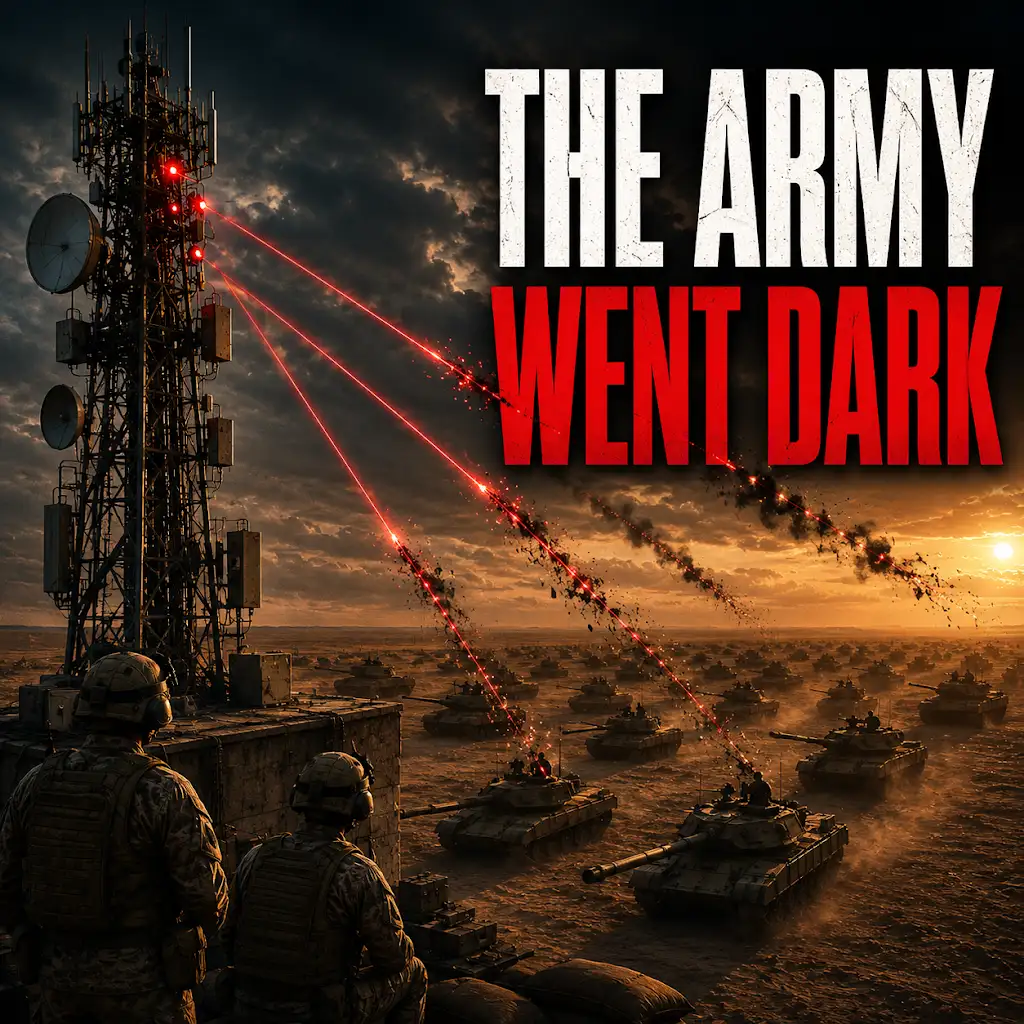
The Invisible Attack That Crippled Iraq’s Army | Desert Storm Documentary
FAQs
What were some of Saddam Hussein’s military command failures?
Some of Saddam Hussein’s military command failures include the invasion of Kuwait in 1990, which led to the Gulf War and the subsequent defeat of Iraqi forces by the US-led coalition. Additionally, his decision-making during the Iran-Iraq War and the lack of effective leadership in the face of the US invasion in 2003 are also considered major failures.
How did Saddam Hussein’s military command failures impact Iraq?
Saddam Hussein’s military command failures had a significant impact on Iraq, leading to devastating consequences such as economic sanctions, loss of territory, and widespread suffering among the Iraqi population. The Gulf War and the subsequent invasion of Iraq by the US-led coalition resulted in the collapse of Saddam’s regime and the destabilization of the country.
What were some of the key factors contributing to Saddam Hussein’s military command failures?
Some key factors contributing to Saddam Hussein’s military command failures include his authoritarian leadership style, lack of strategic foresight, and overestimation of Iraq’s military capabilities. Additionally, internal power struggles within the Iraqi government and the alienation of potential allies further weakened Saddam’s position.
How did Saddam Hussein’s military command failures impact the region?
Saddam Hussein’s military command failures had a significant impact on the region, leading to increased tensions and instability in the Middle East. The Gulf War and the subsequent invasion of Iraq by the US-led coalition reshaped the geopolitical landscape of the region and contributed to ongoing conflicts and power struggles.
What lessons can be learned from Saddam Hussein’s military command failures?
Some lessons that can be learned from Saddam Hussein’s military command failures include the importance of effective leadership, strategic planning, and diplomacy in international relations. Additionally, the consequences of military aggression and the need for accountability and transparency in government decision-making are also important takeaways.