The Shift from Persia to Iran: Understanding the Name Change
The transition from “Persia” to “Iran” as the primary designation for the nation in the Western world marks a significant, though often misunderstood, historical and political development. While the change became widespread in the early 20th century, the roots of this linguistic and geopolitical shift extend much further back. Understanding this evolution requires a nuanced exploration of internal national identity, external perception, and the complex interplay of historical events. It is not simply a matter of replacing one word with another, but a reflection of a nation asserting a more encompassing and self-determined nomenclature.
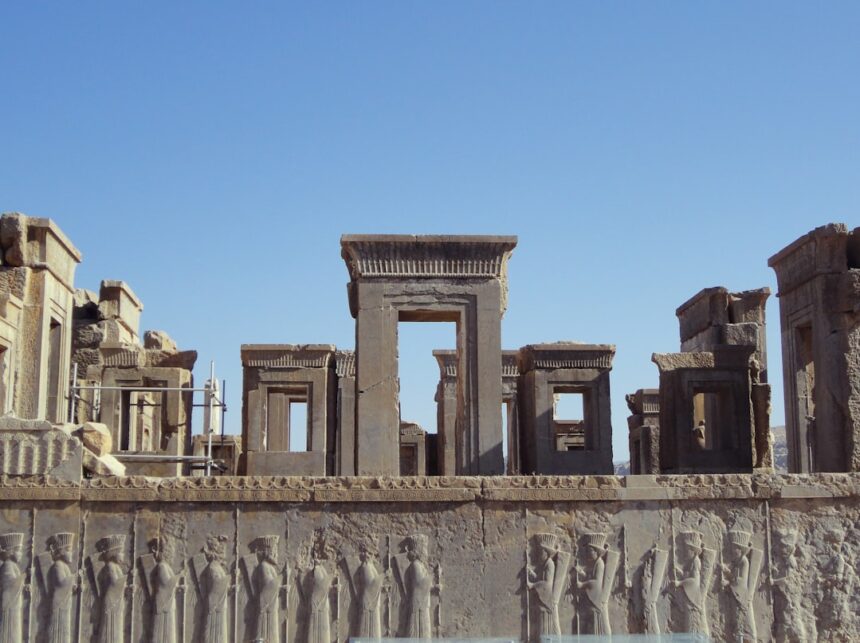
The name “Persia” carries a weight of antiquity, immediately evoking images of a vast empire, rich cultural achievements, and a lineage that stretches back millennia. This designation, primarily used by outsiders, became deeply ingrained in Western consciousness through historical accounts, classical literature, and the enduring legacy of empires like the Achaemenid.
The Achaemenid Empire: The Birth of a Western Perception
The Etymological Roots of “Persia”
The term “Persia” itself derives from Pars, the name of a region in southwestern Iran, the heartland of the Achaemenid dynasty. This dynasty, founded by Cyrus the Great in the 6th century BCE, forged an empire that was one of the largest the ancient world had ever seen. Its influence extended from the Balkans to the Indus Valley. Western scholars, encountering texts and artifacts related to this empire, adopted the name of its dominant region and ruling family as the primary identifier for the land and its people.
Greek and Roman Usage: Sealing the Western Nomenclature
Ancient Greek historians, such as Herodotus, extensively chronicled the Persian Wars and the Achaemenid Empire. Their writings played a crucial role in solidifying the name “Persia” in the Western lexicon. Subsequent Roman scholarship and literature continued this tradition. For centuries, “Persia” served as the exclusive and recognized name for the geographical and political entity in the West, irrespective of the internal appellations used by its inhabitants. This external appellation, while historically linked to a powerful period, ultimately overshadowed the broader ethno-linguistic realities of the region.
“Persia” as a Monolithic Identity
The sustained use of “Persia” by external powers contributed to a perception of a singular, monolithic identity associated with the land. This often overlooked the diverse ethnic and linguistic groups that coexisted within the Iranian plateau for centuries. The name became synonymous with a glorious, ancient past, but it failed to fully encapsulate the evolving national identity and the multifaceted nature of its population.
The transition from calling Iran “Persia” to its current name is a reflection of the country’s complex history and cultural identity. An insightful article that delves into this topic is available at In The War Room, where it explores the historical context behind the name change and its implications for national identity and international relations. Understanding this shift provides a deeper perspective on how names can influence perceptions and relationships between nations.
The Internal Landscape: Laying the Groundwork for “Iran”
While “Persia” dominated Western discourse, the inhabitants of the land progressively embraced and promoted a name that more comprehensively reflected their collective identity. This internal shift was a gradual process, driven by a growing sense of pan-Iranian nationalism and a desire to reclaim a more inclusive appellation.
The Rise of Pan-Iranian Nationalism
Linguistic and Cultural Unity
From the late 19th century onwards, a nascent sense of pan-Iranian nationalism began to emerge. Intellectuals and political figures started to emphasize the shared linguistic heritage of the Iranian peoples, stemming from the Indo-Iranian branch of the Indo-European language family. Persian, in its various dialects, served as a lingua franca for much of the plateau. This shared linguistic and cultural foundation became a rallying point for a coalescing national identity that extended beyond the specific lineage of the Achaemenids or the geographical confines of Persis.
The Concept of “Iranshahr”
The term “Iran” itself has ancient roots, appearing in pre-Islamic texts like the Avesta. It is believed to derive from Aryanam Xšaθra, meaning “the land of the Aryans.” This concept of “Iranshahr” – the Iranian realm or empire – represented a more expansive and inclusive vision of the nation than the limited geographical reference of “Persia.” The intellectual elite began to advocate for this older, more encompassing name as a symbol of national revival and unity.
Political Developments and Royal Assertion
The Qajar dynasty, though eventually overthrown, saw some early shifts in official discourse. However, it was the rise of the Pahlavi dynasty in the early 20th century that marked a decisive turning point in the official adoption and promotion of the name “Iran.” Reza Shah Pahlavi, in particular, was a fervent proponent of modernization and national rejuvenation, and the renaming was a symbolic act of breaking from foreign influence and asserting a distinct national identity.
The Formal Change: Diplomatic and Political Maneuvering
The official shift from “Persia” to “Iran” in international discourse was not a spontaneous event but a carefully orchestrated process involving diplomatic requests and a gradual international acceptance. This aimed to align global recognition with the nation’s internal self-perception.
The Diplomatic Overture of 1935
A Formal Request to Foreign Governments
In 1935, the Iranian government, under Reza Shah Pahlavi, formally requested that all foreign governments and international organizations begin using the name “Iran” instead of “Persia” in their official communications and publications. This was a deliberate and strategic move to compel a global shift in nomenclature. The request was framed not as a rejection of history, but as an assertion of a more accurate and comprehensive national identity.
International Reception and Initial Hesitation
The international reception was not universally immediate. While many nations readily complied, others exhibited some initial hesitation or continued to use “Persia” for a period. This was partly due to the inertia of long-established nomenclature and the familiarity of the term “Persia” in Western scholarship and popular culture. However, the concerted diplomatic effort, coupled with the growing international presence of the Iranian state, gradually led to wider adoption.
The Role of the League of Nations
The League of Nations, a precursor to the United Nations, played a role in the broader acceptance of the new designation. As an international body, it served as a platform where the Iranian government’s request could be disseminated and where members could adopt the standardized nomenclature. The shift within such a prominent international forum lent significant weight to the change.
The Rationale Behind the Shift: Identity, Sovereignty, and Modernization
The decision to formally adopt “Iran” was multifaceted, encompassing a desire for greater national sovereignty, a more accurate reflection of identity, and a symbolic break from a colonial-tinged past associated with external naming conventions.
Asserting National Sovereignty
Moving Beyond External Designations
The “Persia” Label and Foreign Understanding
The continued use of “Persia” by the West was, for many in Iran, indicative of a lingering colonial mindset. It implied that external powers, through their historical narratives and linguistic habits, held a degree of control over the nation’s identity. By insisting on “Iran,” the government sought to assert its sovereign right to define itself and to have that definition recognized internationally. This was a crucial step in modernizing the nation’s international standing and projecting an image of self-determination.
The Limitations of “Persia”
Inclusivity and Ethnic Diversity
The name “Persia” was, in essence, an exonym – a name applied by outsiders. While it referred to a significant part of the country’s history and a specific ethnic group, it did not adequately encompass the entirety of the nation’s diverse population, which included Azeris, Kurds, Lurs, Balochs, and numerous other ethnic and linguistic communities. The adoption of “Iran,” derived from the ancient concept of “Iranshahr,” was seen as a more inclusive and unifying term, reflecting the shared land and political entity rather than a single region or historical dynasty.
Modernization and National Rebranding
The Pahlavi era was characterized by ambitious modernization programs. The renaming to “Iran” was an integral part of this national rebranding effort. It signaled a break from the past, a commitment to progress, and the creation of a unified national identity for a new era. The visual and linguistic shift was meant to project an image of a modern, forward-looking nation, shedding the often exoticized and sometimes romanticized image associated with the name “Persia.”
The transition from calling Iran “Persia” to its current name is rooted in a complex interplay of historical, cultural, and political factors. This shift reflects the country’s desire to assert its national identity and move away from colonial associations. For a deeper understanding of this transformation and its implications, you can explore a related article that delves into the historical context and significance of this name change. To read more about it, visit this insightful piece that sheds light on the reasons behind the renaming and its impact on Iranian identity.
Enduring Legacy and Continued Misconceptions
| Reasons for the Change | Explanation |
|---|---|
| Historical Context | Iran officially requested to be called by its Persian name in 1935 to emphasize its rich cultural heritage and distance itself from the colonial past. |
| Political Changes | After the Iranian Revolution in 1979, the new government sought to emphasize its national identity and requested to be called Iran instead of Persia. |
| Global Recognition | Most countries and international organizations now refer to the country as Iran to respect its official request and to reflect the modern geopolitical landscape. |
Despite the formal adoption of “Iran” and its widespread international recognition for decades, the name “Persia” continues to linger in certain contexts, leading to occasional confusion and perpetuating historical misconceptions.
The Persistence of “Persia” in Certain Domains
Art, Literature, and Academia
In fields such as art history, classical literature, and archaeology, the term “Persian” or “Persia” remains prevalent. This is largely due to the need for continuity and precise reference within established academic disciplines. Discussions of Achaemenid art, Safavid miniatures, or ancient Persian poetry often utilize the older nomenclature to clearly delineate the historical periods and cultural influences being discussed. This does not represent a rejection of the modern name “Iran” but rather an acknowledgment of the established terminology within specific fields of study.
Marketing and Cultural Products
Occasionally, the term “Persian” is still employed in marketing and cultural products, particularly those aiming to evoke a sense of exoticism or historical grandeur. This can range from “Persian rugs” to “Persian cat breeds.” While often used with positive connotations, it can also reinforce outdated perceptions and obscure the modern reality of the nation and its people.
The Importance of Understanding the Nuance
Distinguishing Between Historical and Modern Usage
It is crucial for observers and learners to distinguish between historical and modern usage. When discussing the Achaemenid Empire, for instance, the term “Persian” is appropriate and necessary. However, when referring to the contemporary nation-state and its current population, “Iran” and “Iranian” are the correct and respectful terms.
The Evolution of National Identity
The shift from “Persia” to “Iran” is a testament to the dynamic and evolving nature of national identity. It underscores the importance of internal self-definition and the right of a nation to choose its own name. The journey from a regionally specific designation to a broader, more inclusive national appellation reflects a significant historical process of self-awareness and assertion on the global stage. It is a narrative of a nation shedding an externally imposed label for one that resonates more deeply with its past, present, and future aspirations.
FAQs
1. What is the historical significance of the name “Persia” for Iran?
The name “Persia” has been used for centuries to refer to the region that is now known as Iran. It has historical and cultural significance, as it is derived from the ancient Persian Empire, which was a major world power.
2. Why did the world stop calling Iran “Persia”?
In 1935, the Iranian government requested that the international community use the name “Iran” instead of “Persia” to refer to the country. This was a way for Iran to assert its national identity and move away from the historical associations of the Persian Empire.
3. Is there a difference between “Persia” and “Iran”?
The terms “Persia” and “Iran” are often used interchangeably, but “Persia” specifically refers to the historical region and empire, while “Iran” is the modern name for the country. The people, language, and culture are still referred to as Persian.
4. How is the name “Persia” still relevant today?
The name “Persia” is still relevant today in the context of history, culture, and art. Many aspects of Iranian culture, such as Persian literature, art, and music, are still referred to as “Persian” due to their historical roots.
5. How is the name “Iran” perceived internationally?
The name “Iran” is widely accepted and used internationally to refer to the country. It is important to respect the country’s national identity and use the name “Iran” in official and diplomatic contexts.