The shadows of the Cold War stretched long and deep, concealing operations that continue to ripple through history. While the world was captivated by the overt military build-ups and proxy conflicts, a different kind of war was being waged, one of clandestine networks and covert preparedness. Among these hidden strategies, the existence of a “secret NATO army,” often referred to as Stay-Behind Organizations or “Gladio,” stands as a testament to the paranoia and ingenuity that defined the era. This article delves into the intricate workings of these clandestine forces, exploring their origins, objectives, methods, and the controversies that continue to surround them.
The post-World War II landscape was one of profound ideological division. The Soviet Union, fueled by communist ideology, had consolidated its power over Eastern Europe, and fears of communist expansion westward were palpable within NATO nations. The specter of a swift Soviet invasion, overwhelming conventional NATO defenses, loomed large. It was within this atmosphere of existential dread that the concept of a secret NATO army began to take root.
The “Scorched Earth” Mentality: Preparing for the Unthinkable
The primary impetus behind the creation of these secret armies was the perceived vulnerability of Western Europe to a Soviet blitzkrieg. Military planners, acutely aware of the Red Army’s sheer numbers and logistical capabilities, recognized that a direct confrontation might prove disastrous. The prevailing military doctrine was that if Western Europe fell, the fight would not end, but rather shift to a protracted resistance. This “scorched earth” mentality informed the strategy of establishing covert networks capable of operating behind enemy lines, disrupting occupying forces, and maintaining a cohesive resistance movement.
The Strategic Imperative: Deterrence Through Concealment
The existence of these secret armies served a dual strategic purpose. Firstly, it was intended as a deterrent. The knowledge, even if vague, that a highly organized and armed resistance would spring up in the event of an invasion could, in theory, raise the cost of such an aggression for the Soviets. Secondly, and perhaps more crucially, it was about continuity of command and control. Even if governments were overthrown and communication lines severed, these networks were designed to preserve a functional resistance, ensuring that the will to fight and the capacity to inflict damage would endure.
The Role of Intelligence Agencies: Architects of Secrecy
The development and operation of these secret armies were intrinsically linked to the intelligence agencies of various NATO countries. Organizations like the CIA in the United States, MI6 in the United Kingdom, and their counterparts in France, Italy, Belgium, and other nations played pivotal roles in their creation, training, and resourcing. These agencies, already adept at clandestine operations, were uniquely positioned to recruit and manage individuals who could operate in secrecy, often under the guise of ordinary civilian professions.
During the Cold War, NATO’s clandestine operations included the establishment of secret armies designed to counter potential Soviet invasions in Western Europe. These covert units, often referred to as “stay-behind” armies, were equipped and trained to conduct guerrilla warfare in the event of an occupation. For a deeper understanding of the implications and operations of these secret armies, you can read more in this insightful article on the topic: NATO’s Secret Armies: The Cold War’s Hidden Frontlines.
The Structure and Operations: A Network of Sleeper Cells
The secret NATO army was not a monolithic entity but rather a decentralized network of “sleeper cells” spread across various European countries. These cells were meticulously constructed to be self-sufficient and able to activate only in the event of a declared national emergency or invasion. Their operational capabilities and organizational structures varied, reflecting the specific national contexts and perceived threats.
Sleeper Cells: The Foundation of Covert Resistance
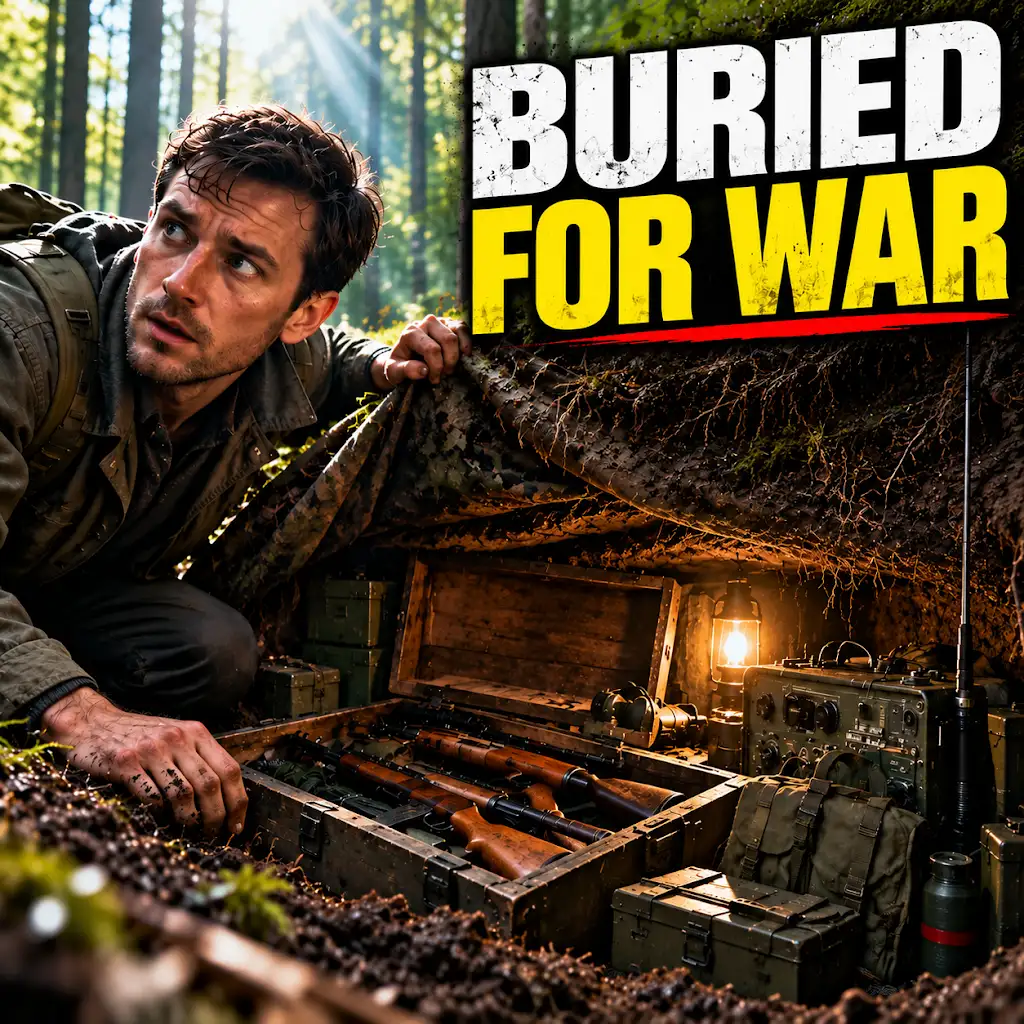
The core operational unit was the sleeper cell. Members were carefully selected for their loyalty, skills, and ability to maintain absolute discretion. They were often recruited from former military personnel, intelligence officers, or individuals with specialized skills like demolition, communication, or espionage. These individuals would live seemingly normal lives, holding down civilian jobs, while secretly maintaining their connection to the network. Their weapons, explosives, and communication equipment were typically hidden in caches, often in remote locations or cleverly concealed within civilian infrastructure.
Training and Preparedness: The Unseen Warriors
While operating in secrecy, these individuals underwent rigorous training. This training encompassed a range of skills necessary for irregular warfare, including sabotage, intelligence gathering, guerrilla tactics, and survival in hostile environments. The emphasis was on low-profile operations designed to disrupt enemy logistics, sow chaos, and gather intelligence without revealing their existence prematurely. They were trained to be ghosts, capable of striking and vanishing without a trace.
Communication and Command: The Fragile Lifeline
Maintaining communication within such a clandestine network was a significant challenge. Secure and discreet methods were developed, often relying on coded messages, dead drops, and specialized radio equipment. The command structure was deliberately ambiguous and decentralized, designed to prevent a single blow from decapitating the entire network. In many cases, the ultimate command authority was vested in high-level military or intelligence officials who would authorize the activation of these cells only under the most extreme circumstances.
Diversification of Skills: Beyond Combat
While combat readiness was paramount, the secret NATO army also encompassed individuals with diverse skill sets crucial for maintaining a resistance. This included individuals trained in propaganda and psychological warfare, aiming to counter enemy narratives and maintain civilian morale. Others were skilled in logistics and supply chain management, ensuring that resources could be moved and distributed discreetly. The network was envisioned as a comprehensive instrument of resistance, not just a fighting force.
The Objectives and Mandate: More Than Just Military Resistance
The mandate of the secret NATO army extended beyond simply engaging in armed conflict. Their objectives were multifaceted, encompassing the maintenance of political stability, the preservation of democratic institutions, and the undermining of Soviet influence, even in the absence of a full-scale invasion.
Countering Subversion: The Fifth Column Threat
A significant concern for NATO governments was the threat of internal subversion and the potential for a communist “fifth column” to destabilize societies from within. The secret NATO army was intended to be a countermeasure to this, providing a loyal and organized force to neutralize internal threats and maintain order if traditional law enforcement or military structures were compromised.
Maintaining State Functions: Continuity in Crisis
In the event of a Soviet invasion and occupation, the secret NATO army was tasked with preserving the continuity of state functions. This involved securing key infrastructure, maintaining essential services, and ensuring that a legitimate government-in-exile or resistance leadership could operate effectively. The goal was to prevent a complete collapse of societal order and to provide a framework for post-occupation reconstruction.
Intelligence Gathering: The Eyes and Ears on the Ground
Beyond overt military action, these clandestine networks served as invaluable intelligence-gathering assets. Operating in environments that might be inaccessible to formal intelligence agencies, they could gather crucial information on enemy movements, capabilities, and intentions. This intelligence was then fed back to NATO command, providing a vital situational awareness that could inform strategic decisions.
Undermining Soviet Influence: The Long Game
The objectives were not solely reactive. The secret NATO army was also intended to be a proactive force, subtly undermining Soviet influence within their respective countries. This could involve clandestine propaganda, support for anti-communist political movements, and the disruption of pro-Soviet organizations. It was a long game of attrition aimed at weakening the Soviet bloc from within.
The Controversies and Allegations: A Darker Side of Secrecy
The very nature of clandestine operations breeds suspicion, and the secret NATO army has been at the center of numerous controversies and allegations. The secrecy surrounding their existence made them vulnerable to accusations of being involved in activities far beyond their stated mandate, including political assassinations, terrorism, and the manipulation of democratic processes.
Operation Gladio and the Italian Connection: A Case Study
The term “Gladio” became synonymous with these secret armies, particularly in Italy. Investigations in the late 1980s and early 1990s revealed the existence of a well-organized and armed clandestine network in Italy, allegedly linked to the Italian secret services and NATO. Allegations emerged that elements of this network were involved in acts of terrorism, including bombings and assassinations, aimed at destabilizing Italy and discrediting the Italian Communist Party.
The “Strategy of Tension”: Fear as a Weapon
In Italy, a period known as the “strategy of tension” saw a series of bombings and violent attacks that caused widespread fear and instability. While official investigations have pointed to neo-fascist groups, a persistent concern is that these groups may have been manipulated or even directed by elements within the secret NATO army and intelligence services to foster an atmosphere of chaos, thereby justifying stricter security measures and undermining left-wing political movements.
Allegations of Political Interference and Manipulation
Beyond Italy, similar allegations have surfaced in other European countries, suggesting that these secret armies may have been used to influence political outcomes, suppress dissent, and even orchestrate coups. The secrecy surrounding their activities made it difficult to verify these claims, but the persistent nature of the allegations has cast a long shadow over the legacy of these organizations.
The Moral and Ethical Quandaries: The Price of Security
The existence and alleged activities of the secret NATO army raise profound moral and ethical questions. The notion of a state-sanctioned, covert force capable of operating outside the normal bounds of law and accountability is inherently problematic. The potential for abuse, the erosion of democratic principles, and the tragic loss of innocent lives in the pursuit of perceived national security objectives are all part of the complex and often disturbing legacy of these organizations.
The existence of a secret NATO army during the Cold War has long been a topic of intrigue and speculation among historians and military analysts. This clandestine force, known as the Stay-Behind Army, was established to counter potential Soviet invasions in Western Europe. For those interested in exploring this fascinating aspect of Cold War history, a related article can provide deeper insights into the strategies and implications of such covert operations. You can read more about it in this detailed analysis that sheds light on the complexities of NATO’s secretive military planning during that era.
The Legacy and Repercussions: Echoes in the Modern World
| Country | Code Name | Established | Activities |
|---|---|---|---|
| Italy | Gladio | 1956 | Covert operations, sabotage, intelligence gathering |
| Germany | Stay-Behind | 1951 | Resistance in case of Soviet invasion |
| Belgium | SDR-8 | 1951 | Covert operations, intelligence gathering |
The end of the Cold War did not entirely extinguish the clandestine networks that had been built. While their original purpose faded, the infrastructure, knowledge, and networks of individuals often persisted, raising questions about their continued relevance and potential for misuse. The legacy of the secret NATO army continues to be debated and analyzed, shaping our understanding of the Cold War and its enduring impact.
Post-Cold War Evolution: Adaptation and Dissipation
With the dissolution of the Soviet Union, the primary existential threat that underpinned the creation of these secret armies diminished. In some countries, these organizations were formally disbanded or their existence acknowledged and brought under greater oversight. However, in others, the extent of their transformation or dissipation remains unclear, fueling ongoing speculation.
The Enduring Question of Accountability
One of the most significant challenges stemming from the secret NATO army is the question of accountability. The passage of time, the destruction of records, and the inherent secrecy of their operations make it difficult to fully understand their actions and to hold individuals responsible for any transgressions. The pursuit of justice and truth continues to be a complex and often frustrating endeavor.
The Impact on Public Trust and Transparency
The revelations about these secret armies have undoubtedly eroded public trust in governmental institutions and intelligence agencies. The idea that clandestine forces operated for decades without public knowledge or oversight highlights a fundamental tension between national security and democratic transparency. This has contributed to a heightened public demand for greater openness and accountability in the realm of intelligence and covert operations.
Lessons for Contemporary Security: The Perils of Unchecked Power
The story of the secret NATO army serves as a cautionary tale for contemporary security paradigms. It underscores the inherent dangers of unchecked power, the seductive allure of secrecy, and the potential for well-intentioned strategies to devolve into morally compromised operations. As nations grapple with new threats, the lessons learned from the Cold War’s hidden armies remain critically relevant, urging a careful balance between necessary security measures and the unwavering commitment to democratic values and human rights. The ghosts of these secret warriors may have faded, but their shadow continues to inform our understanding of the intricate dance between power, secrecy, and the pursuit of security in a complex world.
The Secret Armies NATO Prepared for a Soviet Invasion
FAQs
What was the NATO secret army during the Cold War?
The NATO secret army, also known as “Gladio,” was a clandestine network of armed resistance groups established by the North Atlantic Treaty Organization (NATO) during the Cold War. It was created as a defense strategy against potential Soviet invasion and occupation of Western Europe.
When was the NATO secret army established?
The NATO secret army was established in the early years of the Cold War, with the first units being formed in the late 1940s and early 1950s. The network continued to operate throughout the Cold War period, with some units remaining active into the 1990s.
What was the purpose of the NATO secret army?
The primary purpose of the NATO secret army was to conduct guerrilla warfare and sabotage operations behind enemy lines in the event of a Soviet invasion of Western Europe. The network was intended to disrupt and delay the advance of Soviet forces and support the defense efforts of NATO member countries.
How was the NATO secret army organized?
The NATO secret army was organized into a decentralized network of clandestine cells, with each cell operating independently and maintaining strict secrecy. The network was coordinated by NATO’s Allied Clandestine Committee and operated under the supervision of national intelligence agencies.
What was the legacy of the NATO secret army?
The legacy of the NATO secret army is a subject of controversy and debate. While some view it as a necessary defense strategy during the Cold War, others criticize it for its involvement in covert operations and its potential impact on domestic politics in some member countries. The existence of the NATO secret army was officially acknowledged by some member countries in the 1990s, leading to further scrutiny and investigation into its activities.