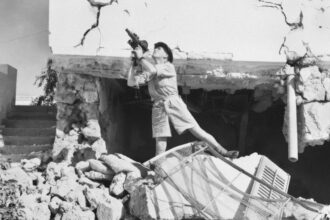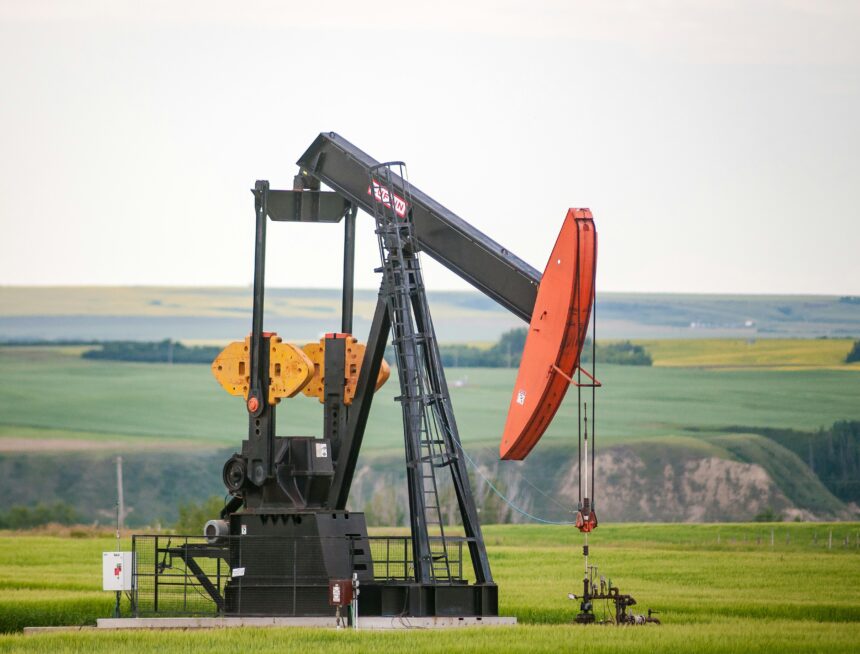
The roar of engines, the thunder of artillery, the very sinews of mechanized warfare that defined World War II were, in large part, powered by a seemingly mundane substance: oil. Unseen, yet utterly indispensable, petroleum and its derivatives formed the lifeblood of every army, navy, and air force engaged in the global conflagration. The quest for this vital resource, and the desperate struggles to secure or deny it, became a parallel, and often decisive, conflict woven into the fabric of the war itself. This wasn’t simply a matter of powering tanks and planes; it was about industry, strategy, and the very survival of nations.
The strategic importance of oil was not a revelation born of World War II. Decades prior, foresightful leaders and industrialists had recognized its burgeoning significance. The internal combustion engine, a marvel of the late 19th and early 20th centuries, demanded a portable and potent energy source, and gasoline, a byproduct of crude oil refining, fit the bill perfectly. This fueled a relentless global search for oil reserves, transforming quiet corners of the world into arenas of geopolitical maneuvering and economic competition.
Early Discoveries and Dominant Powers
The early 20th century witnessed a dramatic expansion of oil exploration and production. Major discoveries in regions like Texas, Oklahoma, and California in the United States, alongside the vast fields of the Caucasus and the Middle East, reshaped the global energy landscape. The United States, with its abundant domestic reserves, rapidly ascended to become the world’s preeminent oil power. British and Dutch interests, meanwhile, consolidated their control over significant Middle Eastern reserves, particularly in Persia (modern-day Iran) and Mesopotamia (modern-day Iraq), through the Anglo-Persian Oil Company (later British Petroleum) and the Turkish Petroleum Company (later Iraq Petroleum Company).
The Infancy of the Oil Economy
At the dawn of the 20th century, the world was still transitioning to an oil-based economy. Whale oil and coal remained significant energy sources, but the advantages of petroleum – its energy density, portability, and versatility – were becoming undeniable. The advent of the automobile, the development of faster ships and trains, and the burgeoning aviation industry all created an insatiable demand for oil products. This burgeoning demand directly translated into strategic importance, as control over oil sources became synonymous with military and economic power. Nations without significant domestic production began to view their dependence on foreign supplies with growing alarm.
The Seeds of Future Conflict
The scramble for oil resources inadvertently sowed the seeds of future conflict. As nations sought to secure their energy futures, competition intensified. Exclusive concessions and spheres of influence were carved out, often leading to friction between colonial powers and indigenous populations, as well as between rival imperial ambitions. The notion that oil could be a weapon, a tool to cripple an adversary, began to take root in the minds of military planners. This pre-war landscape of resource acquisition and strategic apprehension laid the groundwork for the oil-centric narratives that would define World War II.
The oil war during World War II played a crucial role in shaping the strategies and outcomes of the conflict, as nations fought not only for territory but also for control over vital oil resources. For a deeper understanding of how oil influenced military operations and decisions during this tumultuous period, you can read the related article on this topic at In the War Room. This article delves into the significance of oil in warfare and its impact on the strategies employed by various countries involved in the war.
Fueling the Axis War Machine
For the Axis powers, particularly Germany and Japan, securing sufficient oil supplies was a critical strategic imperative. Lacking substantial indigenous reserves, their industrial and military might was intrinsically linked to their ability to acquire and transport oil from external sources, a vulnerability that would ultimately prove fatal.
Germany’s Desperate Scramble
Germany, despite its industrial prowess, was chronically short of oil. Its pre-war reliance on Romanian oil, particularly from the Ploiești fields, was a significant concern. Hitler’s invasion of Poland in 1939 and the subsequent invasion of France in 1940 were not solely about territorial expansion; they were also calculated moves to secure crucial industrial resources and shipping lanes. The capture of Romania provided a vital, albeit precarious, source of oil. However, this supply was constantly threatened by Allied bombing campaigns and the eventual Soviet advance. German ingenuity led to the development of synthetic fuel production through coal liquefaction, a process known as “Bergius” or “Fischer-Tropsch” synthesis. While impressive, this process was incredibly energy-intensive, costly, and produced a lower quality fuel compared to natural petroleum. Furthermore, the sheer volume required by the German war machine meant that synthetic fuel production could never fully compensate for the lost natural oil imports. The logistical challenges of transporting this fuel across a Europe increasingly under Allied control further exacerbated Germany’s energy crisis.
The Romanian Lifeline and its Vulnerabilities
The Ploiești oil fields in Romania represented Germany’s most significant European source of crude oil. These fields, once captured and brought under German control, became a primary target for Allied air forces. The strategic bombing campaigns aimed at destroying the refineries and infrastructure of Ploiești were some of the most intensive and crucial of the war. The allies understood that by choking off this vital supply of fuel, they could cripple the German war effort. The risks involved for the Allied aircrews were immense, battling heavy anti-aircraft fire and fighter escorts. The success of these missions, while often hampered by the sheer scale of the oil production, significantly degraded Germany’s ability to fuel its operations.
The Limits of Synthetic Fuels
Facing a tightening blockade and the constant threat to external oil sources, Germany invested heavily in synthetic fuel production. The liquefaction of coal offered a theoretical solution, transforming Germany’s abundant coal reserves into a substitute for petrol. However, the Fischer-Tropsch and Bergius processes were complex, energy-intensive, and required vast amounts of labor and resources. The synthetic fuel plants were themselves targets for Allied bombing, further disrupting production. Moreover, the quality of the synthetic fuel was often inferior, impacting the performance of engines and machinery. Despite these limitations, synthetic fuels played a crucial role in keeping the German war machine operational, particularly in the later stages of the war when natural oil supplies dwindled. However, they were never a perfect substitute and represented a constant drain on Germany’s already strained resources.
Japan’s Imperial Ambitions and Oil Dependence
For Japan, oil was even more critically scarce than for Germany. Its industrial and military ambitions required a steady influx of crude oil, which it primarily sourced from the Dutch East Indies (modern-day Indonesia) and the United States. Japan’s decision to attack Pearl Harbor in 1941 and initiate its southward expansion was directly driven by the imposition of an oil embargo by the United States in response to Japan’s aggression in China and French Indochina. This embargo, along with the denial of oil from other sources, presented Japan with a stark choice: abandon its expansionist agenda or go to war for the resources it desperately needed.
The Dutch East Indies: The Prize and the Peril
The Dutch East Indies, with its rich oil fields, became the ultimate objective of Japan’s southward advance. The invasion of these islands in early 1942 was swift and brutal, securing a vital source of oil for the Japanese Empire. However, this victory proved to be a double-edged sword. The vast distances involved in transporting oil from the Indies to the Japanese home islands made its delivery vulnerable to Allied submarine and air attacks. The Japanese, despite their naval prowess, struggled to effectively protect their oil tanker convoys, a critical weakness that would profoundly impact their ability to wage war.
The American Embargo: A Catalyst for War
The United States, in an effort to curb Japanese aggression, implemented increasingly stringent economic sanctions, culminating in a full oil embargo in the summer of 1941. This act, while intended to de-escalate the situation, was perceived by Japan as an existential threat. With its strategic oil reserves dwindling, Japan believed it had no choice but to seek a decisive victory against the American Pacific Fleet and secure the oil-rich Dutch East Indies. The oil embargo, therefore, served as a direct catalyst for the outbreak of war in the Pacific.
The Allies’ Abundant Arteries
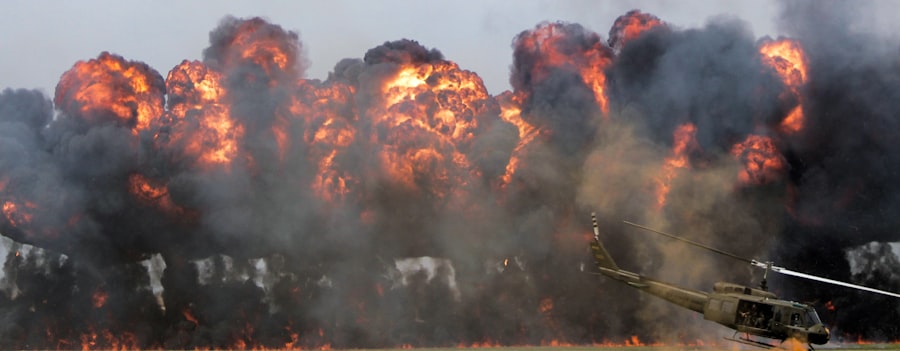
In stark contrast to the Axis powers, the Allied nations, particularly the United States and Great Britain, possessed access to vast and secure oil reserves. This overwhelming advantage in fuel supply was a decisive factor in their ability to sustain prolonged, global warfare.
The American Oil Dominion
The United States was the undisputed champion of global oil production. Its domestic reserves were immense, and its refining capacity was unparalleled. This allowed the U.S. to not only fuel its own rapidly expanding military machine but also to become the primary supplier of oil and refined products to its allies through the Lend-Lease program. The sheer volume of oil available to the Allies meant that fuel shortages, while a concern for individual units or specific operations, were never a strategic impediment to the overall war effort.
The Power of American Refineries
The United States boasted the most sophisticated and extensive network of oil refineries in the world. These facilities were capable of transforming raw crude oil into the specific grades of gasoline, aviation fuel, diesel, and lubricants required by the Allied military. The ability to rapidly scale up production and adapt to evolving military requirements was a testament to the strength of American industry. This industrial might meant that the Allied war machine was consistently well-supplied, leaving the Axis powers to contend with critical fuel scarcities.
Lend-Lease: Fueling the Free World
The Lend-Lease Act of 1941 was a landmark piece of legislation that allowed the United States to supply Allied nations with war materials, including vast quantities of oil and refined petroleum products, without immediate payment. This program was absolutely critical for the British Commonwealth and the Soviet Union, both of whom lacked sufficient domestic oil production. Without Lend-Lease, Britain would have struggled to maintain its naval operations and its defense against German air attacks, and the Soviet Union would have been severely hampered in its ability to mobilize and sustain its forces on the Eastern Front. This flow of oil was a significant factor in the eventual Allied victory.
British Imperial Reserves and Access
While not possessing the sheer volume of American reserves, Great Britain also benefited from access to significant oil resources through its colonial empire, particularly in the Middle East (Iran and Iraq). The Royal Navy, a critical component of the Allied war effort, was heavily reliant on oil, and securing these overseas supplies was a constant strategic priority. British control over these regions, though often challenged by local unrest and later by Axis incursions, ensured a vital fuel supply.
The Middle Eastern Lifeline
British interests in the Middle East, particularly Persia (Iran) and Iraq, provided a crucial source of oil throughout the war. The Anglo-Persian Oil Company and the Iraq Petroleum Company were vital assets, supplying a significant portion of Britain’s wartime fuel needs. Protecting these regions and their oil infrastructure from Axis influence or direct attack was a major strategic objective for the British. The presence of British forces in these territories ensured the continued flow of this vital resource.
Naval Dominance and Oil Consumption
The Royal Navy, with its vast fleet of battleships, aircraft carriers, submarines, and countless support vessels, was an enormous consumer of oil. Maintaining the global reach and operational readiness of the Royal Navy was fundamentally dependent on a secure and consistent oil supply. The ability to project power across the world’s oceans relied on a constant stream of fuel, making the safeguarding of oil routes and production facilities a paramount concern for British strategists.
The Battle for Oil: Strategic Objectives and Key Engagements
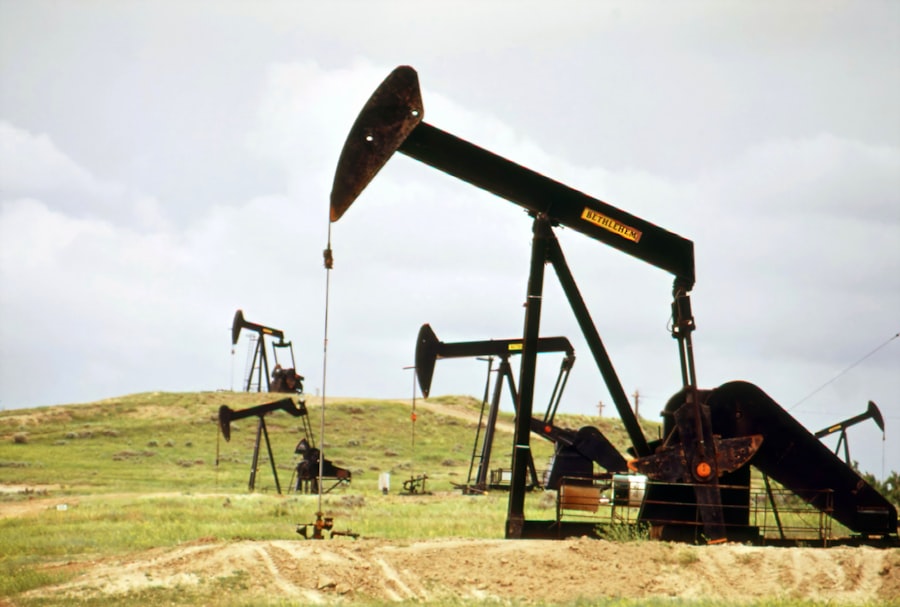
The strategic importance of oil translated directly into battle. The pursuit and denial of oil resources became a central theme of military campaigns across multiple theaters of war. Control of oil fields, refineries, and supply lines was a constant objective, leading to some of the war’s most pivotal battles and strategic decisions.
The Eastern Front: Securing Soviet Supplies
The Eastern Front, the brutal and decisive theater between Germany and the Soviet Union, was heavily influenced by oil. The Soviet Union, while possessing significant oil reserves in the Caucasus region, faced immense logistical challenges in supplying its vast armies. Germany’s initial aim was to capture these oil fields to cripple the Soviet war effort and ensure its own fuel security. The intense fighting around Stalingrad and the subsequent Soviet counter-offensive were, in part, driven by the strategic importance of controlling the oil-rich regions.
The Caucasus Campaign: A Pivotal Struggle
The German drive towards the Caucasus in 1942 was a clear manifestation of their desperate need for oil. The strategic objective was to seize the rich oil fields of Baku, Grozny, and Maikop, thereby securing a vital resource for the German war machine and denying it to the Soviet Union. This campaign was one of the most brutal and costly of the war. Despite initial gains, the German advance was ultimately halted and pushed back by the tenacious Soviet defense, a testament to both Soviet resilience and the logistical complexities of operating so far from German supply bases.
Soviet Logistics and the Importance of Transport
The Soviet Union’s ability to sustain its war effort on the Eastern Front was heavily dependent on its logistical capabilities, particularly its ability to transport fuel. The vast distances and the destruction wrought by the war made this a monumental task. The Red Army relied on a combination of rail, road, and river transport, constantly battling for control of crucial arteries and facing constant threats from German air and land forces. Efficient fuel distribution was as critical as battlefield victories in maintaining the offensive momentum.
The Pacific Theater: Island Hopping and Oil Blockades
In the Pacific, the struggle for oil was the central driver of Japan’s expansion and the subsequent American response. The island-hopping campaign fought by the United States was not merely a series of battles for strategic outposts; it was also about securing the sea lanes and denying Japan access to its vital oil supplies, particularly from the Dutch East Indies. The relentless U.S. submarine campaign against Japanese shipping, especially oil tankers, proved devastatingly effective.
The Sinking of Oil Tankers: A Slow Strangulation
The U.S. submarine force played a critical role in strangling Japan’s oil supply. American submarines systematically targeted Japanese oil tankers, inflicting devastating losses. As the war progressed, the Japanese merchant fleet, and particularly its oil tanker fleet, was decimated. This had a cascading effect, leading to critical fuel shortages for the Imperial Japanese Navy and Air Force, severely limiting their operational capabilities and contributing significantly to their eventual defeat. The ability of the U.S. to continuously produce and deploy submarines, coupled with effective anti-shipping tactics, proved to be a winning strategy.
The Importance of Base Development
The American island-hopping campaign in the Pacific was not just about capturing territory; it was about establishing forward bases from which to launch attacks and maintain supply lines. These bases, often carved out of remote islands, served as staging grounds for air power and naval operations, allowing the U.S. to project its force further into Japanese-held territory and to interdict Japanese shipping routes. The strategic development of these bases was intrinsically linked to the ongoing struggle for oil and the need to project power across the vast Pacific.
The oil war during World War II played a crucial role in shaping the strategies and outcomes of the conflict, as nations fought fiercely to secure vital resources. For a deeper understanding of the significance of oil in wartime tactics, you can explore a related article that delves into the intricate connections between fuel supply and military success. This insightful piece can be found here, providing a comprehensive overview of how oil influenced key battles and decisions throughout the war.
The Technological Arms Race for Fuel Efficiency
| Country | Oil Production (1940) | Oil Production (1945) | Change in Production |
|---|---|---|---|
| United States | 1,000,000 barrels per day | 3,750,000 barrels per day | +2,750,000 barrels per day |
| Germany | 1,500,000 barrels per day | 500,000 barrels per day | -1,000,000 barrels per day |
| United Kingdom | 1,200,000 barrels per day | 800,000 barrels per day | -400,000 barrels per day |
Beyond the direct control of oil reserves, a parallel technological arms race unfolded, focusing on improving fuel efficiency and developing alternative fuels. Both sides recognized that maximizing the mileage from every drop of fuel could provide a significant tactical and strategic advantage.
Advancements in Engine Technology
The demand for more efficient engines spurred innovation across the board. Aircraft engines became more powerful and fuel-efficient, allowing for longer ranges and greater payload capacities. Naval vessels incorporated more advanced propulsion systems, and the performance of tanks and other armored vehicles was continuously improved to optimize fuel consumption. This constant refinement of internal combustion technology was a direct consequence of the wartime emphasis on resource conservation.
The Quest for Synthetic and Alternative Fuels
As mentioned, Germany’s development of synthetic fuels was a crucial, albeit limited, response to its oil scarcity. The Allies also explored alternative fuel sources, although on a much smaller scale and with less urgency due to their abundant access to petroleum. Research into biofuels and the more efficient refining of existing crude oil contributed to the overall effort to maximize fuel availability and performance.
The Enduring Legacy of the Oil War
The Oil War of World War II was not merely a footnote in the grand narrative of the conflict; it was a fundamental determinant of its outcome. The nations that controlled abundant and secure oil supplies possessed an insurmountable advantage, allowing them to out-produce, out-maneuver, and ultimately outpace their adversaries. The war underscored the inextricable link between energy resources, industrial power, and military might, a lesson that continues to resonate in geopolitical strategies to this day. The legacy of this “oil war” serves as a potent reminder of the critical importance of energy security in the global arena and the profound impact it can have on the course of human history. The very act of fighting became dependent on the unseen arteries of petroleum, shaping strategies, dictating battlefields, and ultimately contributing to the triumph of those who could fuel their ambitions on a global scale.

Why Hitler Lost Because of Fuel
FAQs
What was the oil war of World War II?
The oil war of World War II refers to the strategic importance of oil in the conflict. Both the Axis and Allied powers recognized the critical role of oil in sustaining their war efforts, leading to intense competition and conflict over access to oil reserves and supply lines.
How did oil impact World War II?
Oil played a crucial role in World War II as it fueled the military machinery of both the Axis and Allied powers. Control over oil reserves and supply routes became a major strategic objective, influencing military campaigns and alliances throughout the war.
Which countries were involved in the oil war of World War II?
The major countries involved in the oil war of World War II included the United States, Germany, Japan, the Soviet Union, and the United Kingdom. These nations sought to secure access to oil reserves and disrupt enemy oil supplies to gain a strategic advantage in the conflict.
What were the key oil-producing regions targeted during World War II?
Key oil-producing regions targeted during World War II included the Middle East, particularly the oil fields in Iraq, Iran, and Saudi Arabia. The Axis powers sought to gain control over these regions, while the Allies aimed to protect and secure access to these vital oil reserves.
How did the oil war of World War II impact the outcome of the conflict?
The oil war of World War II had a significant impact on the outcome of the conflict. Control over oil reserves and supply routes influenced military strategies, logistics, and the overall war effort. The ability to secure and maintain access to oil played a crucial role in determining the success or failure of military operations for both the Axis and Allied powers.