The precarious geopolitical landscape of the post-World War II era gave rise to one of the most iconic and prolonged periods of tension in modern history: the Cold War. At the heart of this ideological struggle, a city became a potent symbol of both division and resilience – Berlin. Divided by the Iron Curtain, West Berlin existed as an island of Western influence within Soviet-controlled East Germany. Its survival, and indeed its very essence as a bastion of democracy and capitalism, was perpetually dependent on the unfaltering commitment of the Western Allies – the United States, the United Kingdom, and France. The lifeline that sustained this vibrant Western enclave was a marvel of logistical prowess and unwavering political will: the Allied air and land corridors, the very arteries of West Berlin’s existence.
The ashes of World War II had barely settled when the cracks in the wartime alliance began to widen. The Soviet Union, having borne the brunt of the Eastern Front, emerged as a dominant power with a vision for post-war Europe starkly at odds with that of its Western counterparts. Berlin, situated deep within the Soviet occupation zone, became an immediate focal point of this burgeoning antagonism. The city itself was carved into four sectors, each administered by one of the victorious powers: the United States, the United Kingdom, France, and the Soviet Union. This arrangement, intended to facilitate a unified administration, soon dissolved into a microcosm of the larger global divide.
The Potsdam Conference and the Seeds of Discord
The Potsdam Conference in 1945, intended to finalize the post-war order, highlighted the fundamental disagreements between the Allies, particularly regarding Germany’s future. While the initial agreements for occupation and administration were made, the underlying ideological chasm was evident. The Soviets sought to impose their political and economic system, while the Western Allies championed self-determination and democratic principles. These differing objectives created an environment ripe for conflict, and Berlin, as the de facto capital, became the flashpoint.
The Currency Reform and the Escalation of Hostilities
A pivotal moment that dramatically escalated tensions and directly led to the blockade was the introduction of a new currency in the Western zones of Germany and West Berlin in June 1948. The Reichsmark, long devalued and unreliable, was replaced by the Deutsche Mark. This move, designed to stabilize the Western economies, was viewed by the Soviets as a deliberate act of provocation, an attempt to consolidate the economic division of Germany and solidify Western control over Berlin. In response, the Soviet Union launched its infamous blockade, severing all road, rail, and canal access to West Berlin.
During World War II, the Allies implemented a strategic approach to supply Berlin, which played a crucial role in the city’s eventual fall. The logistical challenges faced by the Allies in delivering essential resources to the German capital are detailed in a related article that explores the complexities of wartime supply chains. For more insights on this topic, you can read the article here: The Allies’ Supply Strategies in Berlin.
The Berlin Blockade: A Test of Wills and a Catalyst for Airlift
The Soviet blockade, which commenced on June 24, 1948, was a brutal and calculated attempt to starve West Berlin into submission and force the Western Allies to abandon the city. The implications were dire. West Berlin, home to over two million people, relied heavily on supplies from the West for food, fuel, medicine, and all other essential goods. The blockade presented the Western Allies with a stark choice: capitulate and cede West Berlin to Soviet control, or find an alternative means of sustaining the city. The latter, given the complete severance of land and water routes, appeared almost impossible.
The Soviet Justification: Unilateral Action and Economic Pressure
The Soviet Union claimed that the Western Allies had violated post-war agreements by introducing the Deutsche Mark without Soviet consultation. They argued that this unilateral economic action justified their own countermeasures to protect Soviet interests and to ensure the economic stability of their own zone. The blockade was, in essence, a sophisticated form of economic warfare, designed to cripple West Berlin and demonstrate the futility of Western presence in the face of Soviet power.
The Decision to Airlift: A Bold and Unprecedented Response
Faced with the grave humanitarian crisis that would inevitably unfold and the immense political ramifications of abandoning West Berlin, the Western Allies, led by the United States and Great Britain, made a bold and unprecedented decision: to supply the city entirely by air. This was not a casual undertaking; it was a logistical gamble of epic proportions. The idea of feeding and fueling a city of over two million people solely through the air was met with skepticism, but the alternative – surrender – was unthinkable.
The “Rosinenbomber” and the Symbolism of Hope
The Berlin Airlift, as it came to be known, was an extraordinary feat of human ingenuity, perseverance, and cooperation. It became a powerful symbol of Western resolve and the unwavering commitment to freedom. The sight of Allied aircraft, laden with provisions, landing and taking off from Tempelhof, Gatow, and Tegel airports became a daily ritual for West Berliners, a tangible manifestation of their hope and a stark contrast to the oppressive silence imposed by the blockade. The planes, often carrying essential supplies like flour, coal, and medical equipment, were affectionately nicknamed “Rosinenbomber” (raisin bombers) by the children of Berlin, who would eagerly await the small candies sometimes dropped by pilots.
The Berlin Airlift: An Unprecedented Logistical Triumph
The Berlin Airlift, often referred to as Operation Vittles by the Americans and Operation Plainfare by the British, was a logistical undertaking of unparalleled scale and complexity. It required meticulous planning, seamless coordination between different air forces, and the dedication of thousands of personnel. The success of the airlift was not just about the quantity of supplies delivered but about the regularity, efficiency, and sheer audacity of the operation.
The Mechanics of the Sky: Aircraft, Routes, and Frequency
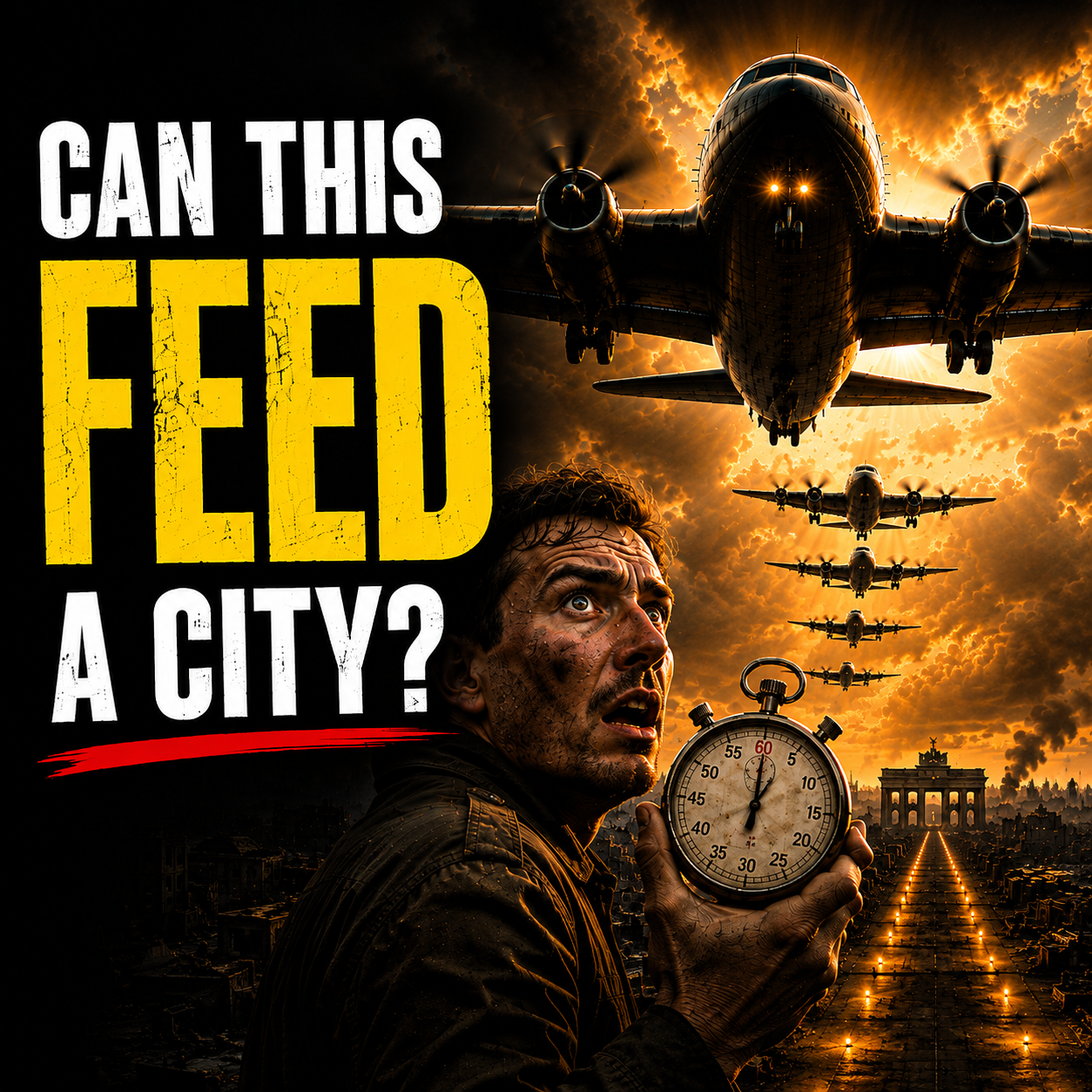
At its peak, Allied aircraft were landing and taking off in Berlin at intervals of as little as two to three minutes. The primary aircraft utilized were American C-47 Skytrains and C-54 Skymasters, alongside British Dakotas and Yorks. These robust cargo planes, designed for durability rather than speed, were the workhorses of the airlift. Three air corridors, each approximately 20 miles wide, were established by agreement with the Soviets, allowing aircraft to fly into and out of West Berlin from designated points in West Germany. These corridors were strictly policed, with Soviet aircraft strictly forbidden from entering them.
Cargo and Consumption: Fueling a City from the Air
The sheer volume of supplies required to sustain a city of over two million people was staggering. The airlift transported an average of 4,000 to 5,000 tons of supplies per day. This included vital commodities such as food (flour, fats, potatoes), coal for heating and power generation, and medical supplies. The efficient unloading and distribution of these goods within West Berlin was a crucial element of the operation, requiring extensive ground support and organized networks to ensure that resources reached the populace.
The Human Element: Pilots, Ground Crew, and Berliners
The success of the airlift was fundamentally dependent on the tireless efforts of the personnel involved. Pilots flew in often challenging weather conditions, facing fatigue and the constant pressure of maintaining schedules. Ground crews worked around the clock, loading and unloading aircraft with remarkable speed. The resilience and gratitude of the West Berliners themselves were equally vital. They endured shortages and hardships with remarkable stoicism, their spirit bolstered by the constant stream of Allied aircraft, a symbol of their hope for a future free from Soviet domination.
Beyond the Blockade: Sustaining West Berlin’s Lifeline

The lifting of the Berlin Blockade on May 12, 1949, was a monumental victory for the Western Allies and a profound defeat for the Soviet Union. It demonstrated the ineffectiveness of Soviet coercion and solidified the resolve of the West to defend its interests in Berlin. However, the blockade, and the subsequent airlift, had irrevocably altered the geopolitical landscape. It highlighted the continued vulnerability of West Berlin and the ongoing need for robust logistical support, even in the absence of overt blockades.
The Permanent Air Corridors: A Treaty Obligation
Following the lifting of the blockade, the Western Allies and the Soviet Union negotiated agreements that formalized the air corridors into West Berlin. These corridors became a treaty obligation, ensuring continued access for Allied aircraft. While the Soviets had been forced to relent, the potential for future disruptions remained a constant concern, necessitating a sustained and vigilant logistical posture.
The Land and Water Access: A Fragile Arrangement
While air transport was the most dramatic solution to the blockade, the land and water routes remained crucial for the bulk of heavy goods. The agreements governing these routes were less robust than those for the air corridors and remained a potential point of leverage for the Soviets. Occasional harassment and bureaucratic obstructions on these routes served as constant reminders of West Berlin’s precarious position.
The Strategic Importance of Continued Supply
The continued supply of West Berlin was not merely a humanitarian endeavor; it was a critical strategic imperative. West Berlin served as a potent symbol of Western freedom and democratic values within the Soviet sphere. Its collapse would have been a devastating blow to Western prestige and a significant propaganda victory for the Soviet Union. Therefore, maintaining a robust logistical infrastructure was essential to ensure the city’s continued viability and its symbolic importance.
During World War II, the Allies implemented a complex strategy to supply Berlin, which played a crucial role in the conflict’s outcome. This strategy involved not only direct military support but also the careful management of resources to ensure that troops were well-equipped. For a deeper understanding of the logistical challenges faced during this period, you can explore a related article that delves into the intricacies of wartime supply chains and their impact on military operations. Check out this insightful piece on the topic here.
The Cold War Continues: Evolving Logistics and Persistent Threats
| Year | Amount of supplies delivered (in tons) | Main supply routes |
|---|---|---|
| 1948 | 2.3 million | Berlin Airlift (airlift operation) |
| 1949 | 1.5 million | Berlin Airlift (airlift operation) |
| 1950 | 1.2 million | Berlin Airlift (airlift operation) |
The Berlin Blockade was a defining moment of the early Cold War, but it was far from the end of the story. The tensions between East and West persisted for decades, and West Berlin remained a focal point of this ongoing struggle. The Western Allies had to continuously adapt and evolve their logistical strategies to meet the changing dynamics of the Cold War and to counter any potential threats to the city.
The Berlin Wall: A New Barrier, a New Challenge
The construction of the Berlin Wall in August 1961 by the East German government, with Soviet backing, represented a new and formidable challenge to the Western presence in Berlin. While the Wall physically divided the city and solidified the Iron Curtain, it did not directly impede Allied access through the established air corridors. However, it drastically altered the human landscape and intensified the psychological pressure on West Berliners. The Wall served as a constant reminder of the division and the ideological chasm, and the Allies had to ensure their logistical operations did not inadvertently legitimize or support the oppressive regime.
The Role of NATO and Allied Cooperation
The logistical operations supporting West Berlin were a testament to the strength of Allied cooperation, particularly within the framework of NATO. The combined efforts of the United States, the United Kingdom, and France, often in coordination with other NATO members, ensured the seamless flow of supplies and the maintenance of robust defensive capabilities. This shared responsibility underscored the strategic importance of West Berlin to the entire Western alliance.
Technological Advancements and Modernization of Supply Chains
Throughout the Cold War, advancements in transportation technology played a crucial role in modernizing and improving the efficiency of West Berlin’s supply chains. Larger and more capable aircraft, improved navigation systems, and more efficient cargo handling techniques contributed to the sustained flow of essential goods. The constant need to adapt to evolving threats and to maintain a high level of operational readiness drove innovation in logistical planning and execution.
Legacy of the Airlift and Allied Commitment
The Berlin Airlift and the subsequent decades of sustained logistical support for West Berlin represent one of the most significant and enduring achievements of Allied cooperation during the Cold War. It was a testament to the power of collective action in the face of seemingly insurmountable challenges. The unwavering commitment of the Western Allies to the survival of West Berlin not only ensured the freedom of millions but also sent a clear message to the Soviet Union and the rest of the world about the resolute determination of the West to defend its values and its allies.
A Symbol of Freedom and Resilience
West Berlin, sustained by the constant flow of supplies, became a beacon of hope and a symbol of freedom behind the Iron Curtain. The city’s vibrant culture and democratic institutions, despite its isolation, stood in stark contrast to the oppressive regimes of the East. The success of the airlift and the sustained commitment of the Allies demonstrated that even in the face of overwhelming pressure, freedom and democratic ideals could prevail.
Lessons for Modern Logistics and International Relations
The logistical lessons learned from the Berlin Airlift continue to be relevant today. The operation highlighted the importance of robust contingency planning, effective inter-agency coordination, and the vital role of sustained political will in achieving complex logistical objectives. Furthermore, the story of West Berlin serves as a powerful reminder of the enduring importance of international alliances and the commitment to collective security in safeguarding democratic values and human rights across the globe. The unwavering support provided by the Allies was not just about the delivery of goods; it was about the unwavering delivery of hope, freedom, and a promise of a future unbound by oppression.
How 90 Seconds Kept 2 Million People Alive
FAQs
What was the Berlin Airlift?
The Berlin Airlift was a massive operation conducted by the Allies to supply the city of Berlin with food, fuel, and other necessities after the Soviet Union blockaded the city in 1948.
How did the Allies supply Berlin during the blockade?
The Allies supplied Berlin by conducting a massive airlift operation, flying in supplies to the city using cargo planes. Over 200,000 flights were made during the airlift, delivering over 2.3 million tons of supplies.
What were the challenges faced during the Berlin Airlift?
The Berlin Airlift faced numerous challenges, including harsh weather conditions, limited airport capacity, and the need to coordinate a large-scale operation with multiple countries and organizations.
How long did the Berlin Airlift last?
The Berlin Airlift lasted for 11 months, from June 1948 to May 1949, until the Soviet Union lifted the blockade.
What was the significance of the Berlin Airlift?
The Berlin Airlift was a significant demonstration of Western resolve and cooperation during the early years of the Cold War. It also solidified the division of Germany into East and West, leading to the creation of West Germany and East Germany.