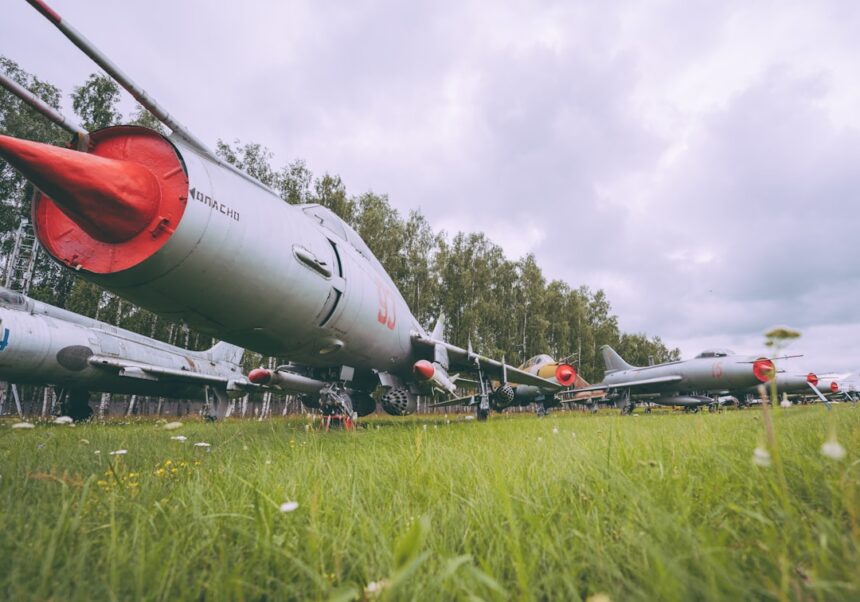
The introduction of advanced Western weaponry into the Afghan conflict fundamentally altered the existing power dynamic. Prior to the Stinger missile’s arrival, the Soviet Air Force enjoyed near-unfettered dominance over the battlefield. Their MiGs and helicopters, armed with sophisticated weaponry, could strike at targets with impunity, providing crucial close air support for ground troops and conducting devastating bombing runs. The Afghan mujahideen, in contrast, possessed primarily light arms, effectively limiting their ability to engage with or neutralize air threats. This technological chasm was a significant factor in the Soviet military’s early successes, allowing them to project power and exert control over vast swathes of the country.
The Soviet Air Superiority Doctrine
The Soviet Union’s military doctrine placed a high premium on air power. Their advanced aircraft, designed for speed, maneuverability, and firepower, were intended to overwhelm enemy defenses and establish air supremacy early in any conflict.
MiG-21 and MiG-23 Fighter Jets
These aircraft represented the backbone of the Soviet fighter fleet. Equipped with air-to-air missiles and cannons, they were primarily designed for air-to-air combat but also possessed ground-attack capabilities. Their speed allowed them to rapidly deploy and respond to threats, while their armament provided a significant offensive punch against ground targets.
Mi-8 and Mi-24 Hind Helicopters
The Mi-8, a versatile transport helicopter, was also adapted for attack roles, while the Mi-24 Hind, a dedicated attack helicopter, was a formidable presence. Armed with rocket pods, cannons, and anti-tank missiles, the Hind could deliver precision strikes and provide direct fire support. Its distinctive design, integrating troop-carrying capacity with attack capabilities, made it a unique and feared weapon system.
The Mujahideen’s Limited Anti-Access Capabilities
Before the influx of more sophisticated arms, the mujahideen’s efforts to counter Soviet air power were largely rudimentary and often ineffective. Their reliance on traditional tactics and weaponry meant they lacked the means to effectively challenge the technologically superior Soviet air assets.
Small Arms and Improvised Tactics
Traditional firearms like Kalashnikov rifles and machine guns offered no real threat to high-flying aircraft. While they could cause localized damage to low-flying helicopters at close range, these engagements were rare and often resulted in heavy mujahideen casualties. Improvised tactics, such as using mirrors to reflect sunlight at pilots or constructing elaborate traps, were largely futile against determined and well-equipped aircrews.
Early Attempts at Ground-Based Interdiction
In the very early stages of the war, some mujahideen groups attempted to fire anti-aircraft machine guns mounted on vehicles. However, these were often inaccurate, had limited range, and were vulnerable to counter-attacks. The Soviet Air Force could easily outmaneuver these emplacements and destroy them from a safe distance.
The use of Stinger missiles by the Mujahideen during the Soviet-Afghan War significantly altered the dynamics of aerial combat, providing the insurgents with a formidable tool against the Soviet Air Force. For a deeper understanding of this pivotal moment in military history, you can read the related article that explores the impact of these shoulder-fired missiles on the conflict and their lasting implications for modern warfare. Check it out here: The Impact of Mujahideen Stinger Missiles on Soviet Air Operations.
The Arrival of the Stinger
The FIM-92 Stinger portable air-defense missile (MANPADS) represented a seismic shift in the Afghan conflict. Its introduction, facilitated by Western support for the mujahideen, provided a potent and accessible tool for challenging Soviet air dominance. The Stinger was designed to be shoulder-fired, making it usable by individual fighters in dispersed units, a characteristic that perfectly suited the decentralized nature of the mujahideen resistance.
The Stinger Missile System
The FIM-92 Stinger was a surface-to-air missile designed for man-portable shoulder launching. Its infrared seeker was capable of locking onto the heat signature of aircraft engines, allowing it to effectively track and engage targets. This “fire-and-forget” capability meant that once launched, the missile did not require further guidance from the operator, allowing the soldier to take cover or reload.
Infrared Seeker Technology
The core innovation of the Stinger was its advanced infrared seeker. This technology allowed the missile to distinguish between the heat emitted by aircraft engines and other sources of heat on the ground, reducing the likelihood of countermeasures like flares being effective.
Guidance and Control Systems
The Stinger utilized sophisticated guidance and control systems to steer the missile towards its target. This included a solid-fuel motor for propulsion, control fins for maneuverability, and a proximity fuse that detonated the warhead when it came close enough to the aircraft.
Delivery and Training of Mujahideen Forces
The successful deployment of the Stinger required more than just its arrival. The United States, in conjunction with Pakistan’s Inter-Services Intelligence (ISI), orchestrated a complex logistical and training operation to ensure the missiles reached the right hands and were used effectively.
The Role of Pakistan’s ISI
Pakistan’s ISI played a crucial role in the procurement and distribution of Stingers. They managed the flow of weapons from the US and allied nations, ensuring they reached various mujahideen factions across Afghanistan. This coordination was essential to a coordinated and widespread deployment of the anti-air capability.
Training on Launchers and Targeting
Mujahideen fighters received training on how to operate the Stinger launchers, track targets, and fire the missiles. These training sessions, often conducted in remote areas of Pakistan or within Afghanistan itself, were vital for ensuring the proper utilization of this advanced weapon system and minimizing the risk of accidental firings or ineffectual engagements.
The Impact on Soviet Air Operations
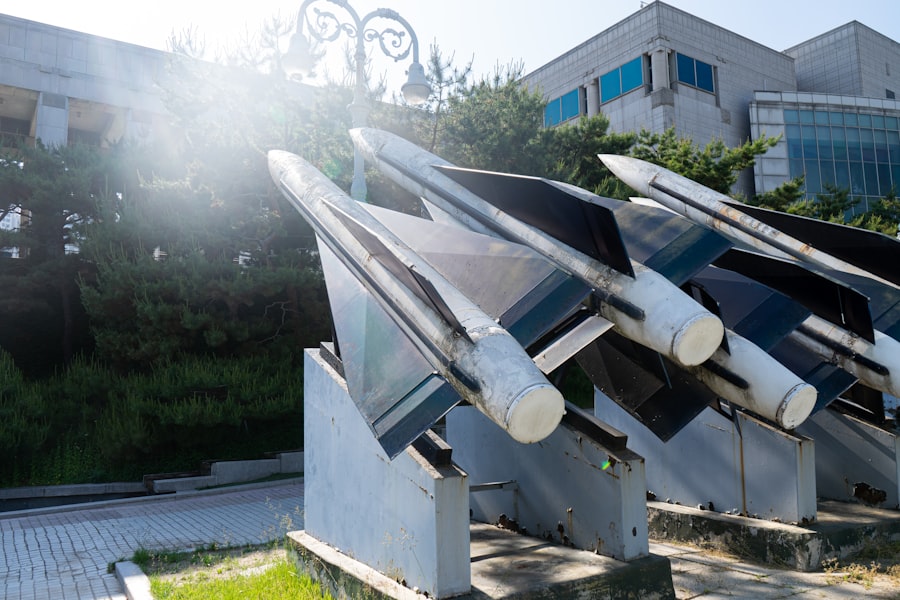
The introduction of the Stinger missile had a profound and immediate impact on the Soviet Air Force’s operational tempo and strategic thinking. What had once been a relatively safe and predictable element of their military strategy quickly became a significant liability. The constant threat of Stinger engagements forced Soviet pilots to alter their tactics, fly at higher altitudes, and significantly reduce their close air support missions.
Increased Risk and Reduced Sorties
Soviet pilots and aircrews faced a new and pervasive threat. The knowledge that a Stinger missile could be fired from almost anywhere, with little warning, instilled a sense of unease. This led to a marked increase in caution and a reduction in the number of low-level attack runs, particularly in areas known to be strongholds of mujahideen resistance.
Psychological Impact on Pilots
Beyond the physical danger, the psychological toll on Soviet pilots was considerable. The inability to fully control the airspace and the constant threat of being targeted by an unseen enemy contributed to heightened stress and anxiety. This fear of the unknown, of an invisible threat lurking below, was a significant factor in the Soviet military’s growing apprehension.
Shift to Higher Altitude Operations
To mitigate the risk of Stinger engagement, Soviet aircraft were increasingly forced to operate at higher altitudes. While this offered some measure of protection, it also reduced the accuracy and effectiveness of their ground-attack munitions. Bombs dropped from higher altitudes were less precise, leading to increased collateral damage and a diminished impact on mujahideen forces on the ground.
Targeting Vulnerabilities and Losses
Despite attempts to adapt, Soviet aircraft remained vulnerable to well-aimed Stinger attacks. While overall losses might not have crippled the Soviet Air Force, the loss of even a few advanced aircraft represented a significant blow in terms of cost, crew experience, and morale. The Stingers proved particularly effective against helicopters, which often operated at lower altitudes and were more exposed to ground-based threats.
The Downing of Helicopters
Mi-8 and Mi-24 Hind helicopters, vital for troop transport and attack missions, became prime targets for Stinger-equipped mujahideen. Their relatively slower speed and lower operational altitudes made them more susceptible to infrared-guided missiles. The loss of these rotary-wing aircraft disrupted Soviet logistics and severely hampered their ability to conduct rapid deployments and provide direct fire support.
Fighter Jet Engagements
While fighter jets like the MiG-21 and MiG-23 operated at higher altitudes and were generally faster, they were not immune. Instances of Stingers successfully engaging and downing these aircraft were recorded, further demonstrating the Stinger’s effectiveness across a range of Soviet air assets. These losses were often more significant due to the advanced nature and cost of fighter aircraft.
The Strategic Repercussions and Soviet Withdrawal
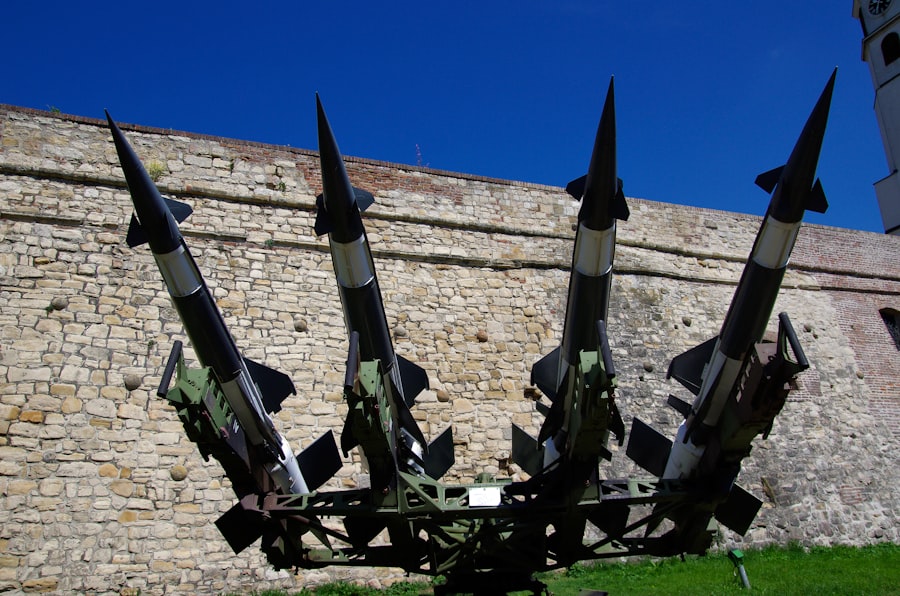
The efficacy of the Stinger missile was not merely a tactical annoyance for the Soviet Union; it had significant strategic repercussions that ultimately contributed to their decision to withdraw from Afghanistan. The inability to achieve decisive air superiority, coupled with mounting casualties and declining morale, created a unsustainable situation for the Soviet government.
Undermining Soviet Air Superiority Doctrine
The widespread and effective use of Stingers severely undermined a core tenet of Soviet military doctrine. The expectation of unhindered air dominance was challenged, forcing a reassessment of their military capabilities and strategic planning. The notion that air power could unilaterally win the conflict was proven to be flawed as long as effective countermeasures existed.
Erosion of Confidence in Air Power
The failure to reliably suppress the mujahideen’s anti-air capabilities led to a growing erosion of confidence in the overall effectiveness of Soviet air power. Pilots became increasingly hesitant, and commanders struggled to plan operations with the same degree of certainty as before. This psychological shift was a crucial factor in the declining effectiveness of their air campaigns.
Re-evaluation of Military Investment
The unexpected challenge posed by the Stinger prompted a broader re-evaluation of Soviet military investments. It highlighted the vulnerability of their advanced aviation assets to relatively inexpensive and man-portable weapon systems, prompting questions about the balance of technological investment and the adaptability of their military-industrial complex to asymmetric warfare.
Contributing Factor to Soviet Withdrawal
While the Stinger was not the sole reason for the Soviet withdrawal from Afghanistan, it was undeniably a significant contributing factor. The mounting costs of the war, combined with declining public and international support, were exacerbated by the inability to secure air superiority and the increasing human and material losses attributable to the mujahideen’s enhanced capabilities.
The “Afghan Trap” and Soviet Stalemate
The Stinger missile contributed to the perception of Afghanistan as a Soviet “quagmire” or “trap.” The inability of their superior military to decisively defeat a seemingly outmatched insurgency, largely due to the impact of Stingers on their air power, created a strategic stalemate. This prolonged and costly conflict drained resources and political capital.
Shifting Political Will in Moscow
The military and political realities of the protracted conflict, including the impact of weapons like the Stinger, gradually shifted the political will in Moscow. The realization that a decisive victory was unlikely and that the human and economic costs were becoming unsustainable played a crucial role in the eventual decision by Mikhail Gorbachev to initiate a phased withdrawal of Soviet forces starting in 1988.
The effectiveness of mujahideen fighters using Stinger missiles against the Soviet Air Force during the Afghan War is a fascinating topic that highlights the impact of advanced weaponry in asymmetric warfare. For a deeper understanding of this pivotal moment in military history, you can explore a related article that delves into the strategies employed by both sides and the technological advancements that shaped the conflict. To read more about this subject, visit this insightful article which provides a comprehensive analysis of the dynamics at play during this critical period.
Enduring Legacy of the Stinger in Asymmetric Warfare
| Metrics | Mujahideen Stinger Missiles | Soviet Air Force |
|---|---|---|
| Effectiveness | High | Significantly reduced |
| Number of missiles | Unknown | Over 300 |
| Impact on Soviet operations | Severely hindered | Forced to change tactics |
| Cost | Relatively low | High |
The Afghan conflict and the battle between mujahideen Stinger missiles and the Soviet Air Force left an indelible mark on the history of modern warfare, particularly in the realm of asymmetric conflict. The success of this Man-Portable Air-Defense System (MANPADS) in neutralizing a technologically superior air force served as a powerful precedent, influencing the development and deployment of similar weapons in subsequent conflicts.
The Proliferation of MANPADS
The efficacy demonstrated by the mujahideen highlighted the potential of MANPADS as a disruptive force. Following the Soviet withdrawal, Stingers and similar weapons found their way into various global conflict zones, becoming a favored tool for insurgent groups and non-state actors seeking to challenge established military powers.
Challenges for Modern Air Forces
Modern air forces continue to grapple with the threat posed by MANPADS. The relatively low cost and widespread availability of these weapons necessitate constant vigilance and the development of advanced countermeasures, including flares, chaff, and even directed energy systems, to protect aircraft from ground-launched missile threats.
Impact on Air Power Doctrine Development
The lessons learned from the Afghan experience have undoubtedly influenced the development of air power doctrine. There is a greater emphasis on understanding and mitigating the risks associated with ground-based air defense systems, and on developing flexible and adaptable air operations that can account for a diverse range of threats.
The Stinger as a Symbol of Technological Disruption
The Stinger missile became a potent symbol of how advanced Western technology, when effectively employed by determined local forces, could disrupt the military calculus of a superpower. It demonstrated that technological superiority, while significant, is not always decisive in irregular warfare.
The Unforeseen Consequences of Arming Insurgencies
The arming of the mujahideen with Stingers also serves as a case study in the unforeseen consequences of supporting insurgent movements. While the immediate goal was to counter Soviet influence, the proliferation of such advanced weaponry had long-term implications for global security, contributing to the proliferation of advanced arms.
Lessons for Future Interventions
The experience of the Stinger in Afghanistan continues to inform discussions about future military interventions and the provision of military aid. Policymakers and military strategists alike consider the potential for weapons to be used in ways not originally intended, and the importance of understanding the complex dynamics of asymmetric warfare when engaging in proxy conflicts.
FAQs
What are Mujahideen stinger missiles?
Mujahideen stinger missiles are portable, shoulder-fired surface-to-air missiles that were supplied to Afghan resistance fighters, known as the Mujahideen, by the United States during the Soviet-Afghan War in the 1980s.
How did the Mujahideen use stinger missiles against the Soviet Air Force?
The Mujahideen used stinger missiles to target and shoot down Soviet aircraft, particularly helicopters and fixed-wing aircraft, during the Soviet-Afghan War. The stinger missiles proved to be highly effective against the Soviet Air Force.
What impact did the stinger missiles have on the Soviet Air Force?
The introduction of stinger missiles significantly increased the effectiveness of the Mujahideen in combating the Soviet Air Force. The stinger missiles inflicted heavy losses on Soviet aircraft and forced the Soviet military to change its tactics and strategies in Afghanistan.
What was the significance of the stinger missiles in the Soviet-Afghan War?
The introduction of stinger missiles was a turning point in the Soviet-Afghan War. It gave the Mujahideen a significant advantage against the Soviet Air Force and contributed to the eventual withdrawal of Soviet forces from Afghanistan.
What is the legacy of the Mujahideen stinger missiles in military history?
The use of stinger missiles by the Mujahideen against the Soviet Air Force is considered a classic example of how a relatively low-tech weapon can have a significant impact on modern warfare. The success of the stinger missiles has influenced military strategies and the development of air defense systems.