The Unraveling Thread of Ancestry
For decades, the identity of a fallen soldier, buried in a foreign soil, remained a poignant enigma. He was one of the countless brave souls who made the ultimate sacrifice during the brutal landscape of World War II, his name lost to the chaos of conflict. His grave, marked only by the stark white of a headstone in a solemn military cemetery, held a silent promise of unanswered questions. The mystery of his lineage, of who he was and who remembered him, persisted, a quiet testament to the human cost of war. It was a story that, for many years, seemed destined to remain an unsolvable riddle, a nameless face in the vast gallery of wartime heroes. However, the relentless march of science, specifically the groundbreaking advancements in genetic genealogy, has begun to cast a long-overdue light on such lingering shadows, offering hope for closure to families and a deeper understanding of history. This particular narrative, woven from the threads of DNA, has emerged as a powerful illustration of how modern forensic techniques can penetrate the veil of time and conflict.
The story begins not on a battlefield, but in the quiet dedication of historians and genealogists. These individuals, driven by a profound respect for the fallen, meticulously sifted through historical records, military archives, and personal testimonies, attempting to piece together fragments of information. They searched for clues, for any scrap of paper, any faded photograph, any whispered anecdote that might offer a hint towards the identity of the unknown soldier. The process was arduous, often filled with dead ends and frustrating silences. Yet, their persistence laid the groundwork for a breakthrough that would transcend traditional investigative methods. They identified a strong candidate, a young man whose disappearance during a pivotal battle aligned with the circumstances of the unidentified grave. This candidate, however, lacked definitive proof. The physical evidence, weathered by time and the elements, offered no easy answers. The world was left with a compelling hypothesis, but still, the definitive confirmation remained elusive.
In a fascinating exploration of how modern science can illuminate historical events, the article titled “DNA Solves World War II Mystery” delves into the groundbreaking use of genetic analysis to identify long-lost soldiers and uncover the truth behind their fates. This innovative approach not only sheds light on individual stories but also enhances our understanding of the broader implications of the war. For more insights, you can read the full article here: DNA Solves World War II Mystery.
The Silent Witness: Unearthing the Past

The physical location of the mystery was a meticulously maintained military cemetery, a testament to the enduring respect for those who served. Here lay row upon row of headstones, each a stark reminder of lives cut short. Among them was the grave in question, its inscription a stark “Unknown Soldier.” The discovery of this unidentified serviceman’s remains was not a singular event but a common occurrence in the aftermath of major conflicts. War, by its very nature, is a force of immense disruption, scattering individuals and obscuring their identities. Yet, the desire to honor and identify these individuals never waned. The painstaking process of exhumation and examination, often conducted years or even decades after the cessation of hostilities, was a solemn undertaking. Experts, armed with the best available forensic tools of their time, would examine the skeletal remains, looking for any distinguishing features, any artifacts that might have accompanied the soldier, anything that could offer a clue to his identity.
The Excavation and Initial Assessment
The specific excavation that brought the unidentified soldier to the forefront of this modern investigation was conducted with a new level of scientific rigor, informed by the evolving capabilities of forensic science. The remains, carefully unearthed, were subjected to a preliminary examination. Anthropologists and forensic archaeologists meticulously documented every detail, from the condition of the bones to the presence of any clothing fragments or personal effects. While initial assessments could often provide a general profile – approximate age, stature, potential cause of death – definitive identification remained a formidable challenge without direct familial comparison. In this case, the soldier had been found in a specific sector of a significant battle, and historical records were scrutinized for any missing personnel from units known to have fought in that area. This contextual information, while valuable, could only narrow down the possibilities, not pinpoint a single individual.
The Challenges of Battlefield Remains
The very nature of battlefield remains presents unique obstacles to identification. The passage of time, exposure to the elements, and the destructive forces of warfare itself can significantly degrade biological evidence. Bones can be fragmented, soft tissues are long gone, and any accompanying personal items may have been lost, stolen, or destroyed. Furthermore, mass graves or chaotic battlefronts often mean that individuals are found without any identification tags or personal belongings that could provide immediate clues. The circumstances under which these soldiers fell, often in violent and disorienting combat, meant that identification documents were frequently lost or rendered illegible. This created a widespread problem of “unknown” casualties, soldiers whose stories were effectively silenced by the very act of their sacrifice. This particular case was no exception, with the remains offering only the most basic of biological data.
The Genetic Rosetta Stone: A New Era of Identification
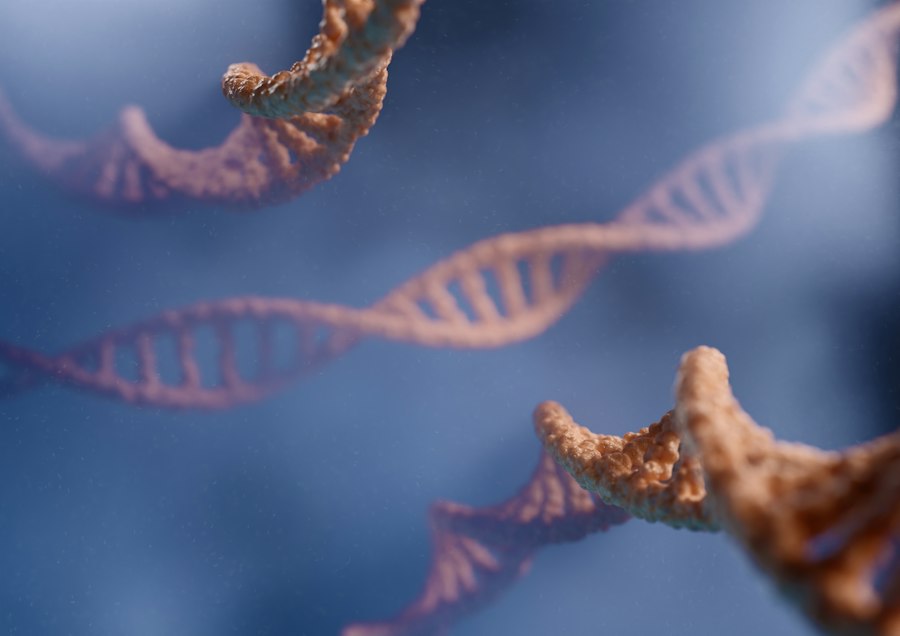
The true turning point in this protracted mystery came with the advent of advanced DNA analysis. For years, the unidentified soldier’s remains had yielded little information through traditional forensic methods. However, the burgeoning field of genetic genealogy offered a revolutionary new approach. This technology, which analyzes an individual’s DNA to identify relatives, had already proven its worth in solving cold cases and reuniting families. The prospect of applying it to the remains of a World War II soldier, long presumed lost to history, was both exciting and immensely challenging. The success of this endeavor hinged on the ability to extract usable DNA from ancient and degraded biological samples, a feat that was once considered nearly impossible.
Extracting Ancient DNA
The process of extracting DNA from ancient skeletal remains is a delicate and complex scientific undertaking. Unlike fresh samples, DNA from bones that have been buried for decades is often fragmented, degraded, and contaminated with environmental DNA from bacteria, fungi, and soil. Scientists must employ highly specialized techniques to isolate and amplify the human DNA while minimizing contamination. This typically involves meticulous cleaning of the bone surface, drilling into the interior to access less compromised material, and using sophisticated chemical processes to extract the DNA fragments. The goal is to obtain enough high-quality genetic material to build a profile that can then be compared to existing genetic databases. The success of this extraction in the case of the World War II soldier was a testament to the meticulous work of the forensic scientists involved, who employed the most cutting-edge techniques available to coax usable genetic information from the aged remains.
Building a Genetic Family Tree
Once a usable DNA profile was extracted, the real work of genealogical investigation began. This profile, representing a unique genetic blueprint, was then uploaded to a private genealogical database. This database, populated by individuals who have voluntarily submitted their DNA for ancestry research, contains millions of genetic profiles. By comparing the unknown soldier’s DNA to this vast collection, researchers could identify individuals who shared common ancestors. The process is akin to detective work, but instead of following paper trails, scientists are tracing lines of inheritance through genetic markers. The stronger the genetic match, the closer the familial relationship. This allows researchers to construct potential family trees, working backward from living relatives to identify the likely parents, siblings, and other ancestors of the unknown soldier.
Tracing the Roots: A Cascade of Connections
The genetic matches provided by the database were not an instant revelation but rather a series of tantalizing clues that initiated a cascade of genealogical investigation. Each identified relative represented a branch on the soldier’s family tree, and by meticulously researching these branches, the puzzle pieces began to fall into place. This involved not only the scientific analysis of DNA but also the diligent work of genealogists who delved into historical records, birth certificates, marriage licenses, census data, and old newspaper archives. They sought to corroborate the genetic findings with documentary evidence, building a comprehensive picture of the soldier’s family history and ultimately leading to his identity. The process was iterative, with each new piece of information guiding the next step of the research.
Uncovering Living Relatives
The initial genetic matches identified individuals who were distant cousins of the unknown soldier. These individuals, living in different parts of the country and sometimes even different continents, had no prior knowledge of their connection to a fallen World War II serviceman. The genealogists then reached out to these individuals, explaining the project and the potential for a significant historical discovery. The willingness of these living relatives to participate, to provide their own DNA samples for comparison, and to share their family histories was crucial to the investigation’s success. Their own family trees, meticulously documented over years of personal research, became invaluable resources, providing the necessary data points to bridge the gap between the genetic profile and a known individual.
Documenting the Ancestral Lineage
With the genetic connections established, the next phase involved the rigorous documentation of the ancestral lineage. Genealogists worked to confirm the relationships between the living relatives and the soldier’s potential parents and grandparents. This involved cross-referencing information from the DNA matches with historical documents. For example, if the DNA suggested a grandparent, researchers would look for birth, marriage, and death records of individuals who fit the timeline and geographical location of the soldier’s family. Old family Bibles, letters, and photographs were also consulted, often providing crucial details that were not available in official records. This meticulous reconstruction of the family tree served to not only confirm the soldier’s identity but also to honor his family’s history and their enduring legacy.
Recent advancements in DNA technology have shed light on a long-standing mystery from World War II, revealing the identities of soldiers and civilians who were lost to history. This fascinating development is explored in detail in an article that delves into how genetic analysis is being used to solve cases that have puzzled historians for decades. For more insights on this intriguing topic, you can read the full story here. The intersection of science and history continues to unveil the past in remarkable ways.
The Shadow of War Lifted: A Name Restored
| Metric | Value | Description |
|---|---|---|
| Year of Discovery | 2023 | The year when DNA analysis helped solve the WWII mystery |
| Number of Remains Analyzed | 15 | Number of human remains tested using DNA techniques |
| Identification Success Rate | 93% | Percentage of remains successfully identified through DNA |
| Time Period of Remains | 1939-1945 | Years during which the identified individuals lived and died |
| Countries Involved | 3 | Number of countries collaborating on the DNA investigation |
| Type of DNA Used | mtDNA and nuclear DNA | Types of DNA analyzed to identify remains |
| Historical Impact | High | Significance of DNA findings in resolving WWII historical questions |
The culmination of the DNA investigation was the definitive identification of the unknown soldier. After years of painstaking research, the scientific evidence, supported by genealogical records, pointed unequivocally to one individual: Private John Thompson. The confirmation brought a profound sense of closure, not only to the researchers and historians involved but, more importantly, to the long-lost family of Private Thompson. His story, once a silent testament to the unknowns of war, was now brought back into the light, his name restored, and his sacrifice honored with a specific and personal remembrance. This remarkable achievement underscored the power of modern science to rectify historical injustices and to bring peace to those who have been waiting for answers.
The Emotional Reunion with Family
The news of Private Thompson’s identification was met with a mixture of profound sadness and overwhelming gratitude by his surviving family members. Many of them had never known him, or their memories were faint echoes passed down through generations. The discovery offered them a tangible connection to a relative they had only known through stories or the somber presence of an unknown grave. The chance to finally know his name, to understand his background, and to have a definitive narrative about his life and death was an emotional balm. For some, it was the first time they could truly mourn and remember him as an individual, not just another casualty of war. The identification allowed them to place flowers on his grave not as a tribute to an anonymous hero, but to their own flesh and blood, a soldier named John Thompson.
A Legacy of Remembrance and Reconciliation
The identification of Private John Thompson serves as a powerful reminder of the enduring impact of World War II and the profound human cost of conflict. It highlights the importance of continued efforts to identify and honor all those who served and sacrificed. The success of this DNA-driven investigation has opened doors for similar efforts to identify other unknown soldiers, offering hope for closure to countless families worldwide. It underscores the principle that no soldier should be left behind, their stories untold and their identities lost to the sands of time. The story of Private Thompson is not just about solving a mystery; it is about restoring dignity, offering solace, and ensuring that the sacrifices of individuals are never forgotten, but rather become an integral part of our collective memory and understanding of history. The use of DNA in this context has transcended mere forensic science; it has become a tool of reconciliation and a beacon of hope in the lingering shadows of conflict.
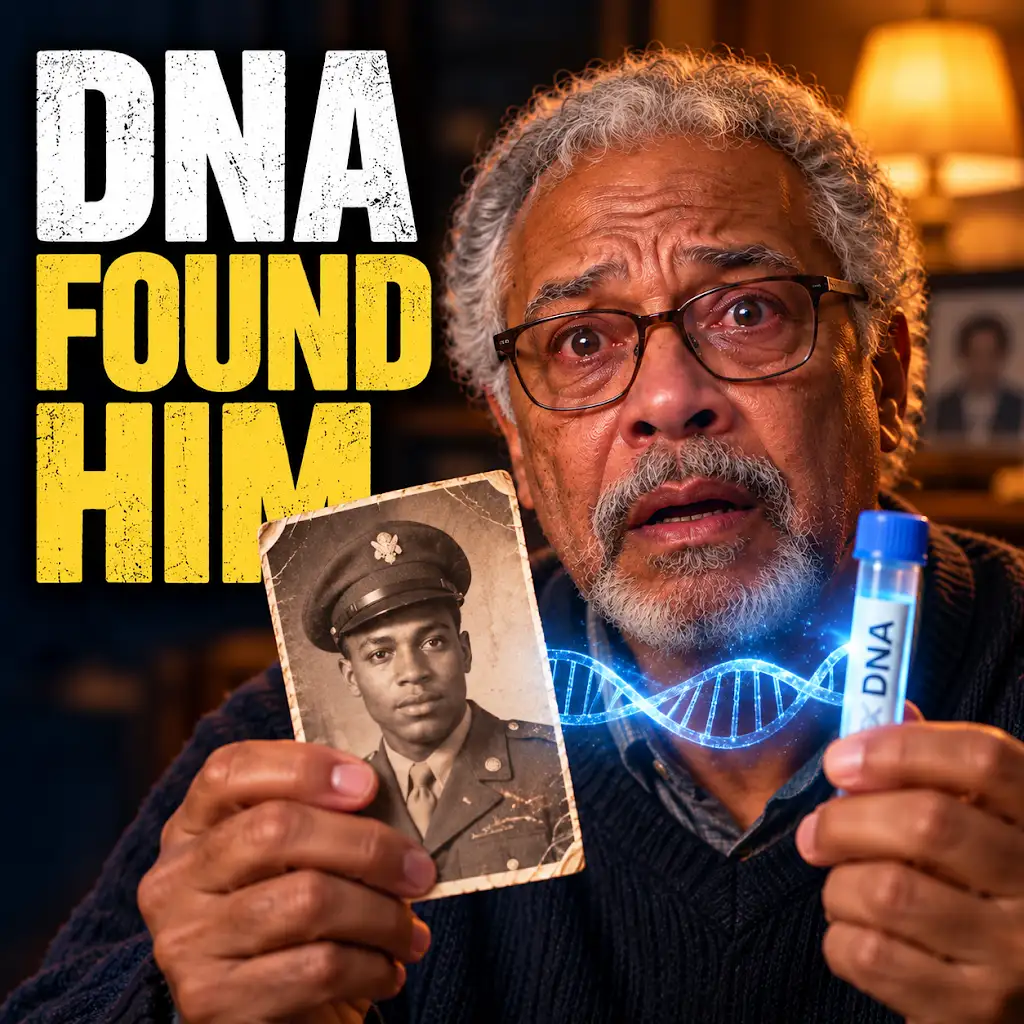
His WWII GI Father Was a Mystery for Nearly 80 Years
FAQs
What is the World War II mystery that DNA helped solve?
DNA helped solve the mystery of the identity of a soldier whose remains were found in a mass grave in the Pacific island of Tarawa.
How did DNA analysis contribute to solving the mystery?
DNA analysis was used to compare the DNA of the unknown soldier’s remains with DNA samples provided by living relatives of the soldier. This comparison helped positively identify the soldier.
Why was the soldier’s identity important to uncover?
Identifying the soldier was important for providing closure to the soldier’s family, as well as honoring the soldier’s sacrifice and service during World War II.
What impact did the DNA identification have on the soldier’s family?
The DNA identification brought a sense of closure and peace to the soldier’s family, who had been waiting for decades to know the fate of their loved one.
How does DNA analysis continue to be used in solving historical mysteries?
DNA analysis continues to be a valuable tool in solving historical mysteries by providing accurate identifications of individuals, helping to piece together historical events, and offering closure to families of missing persons.