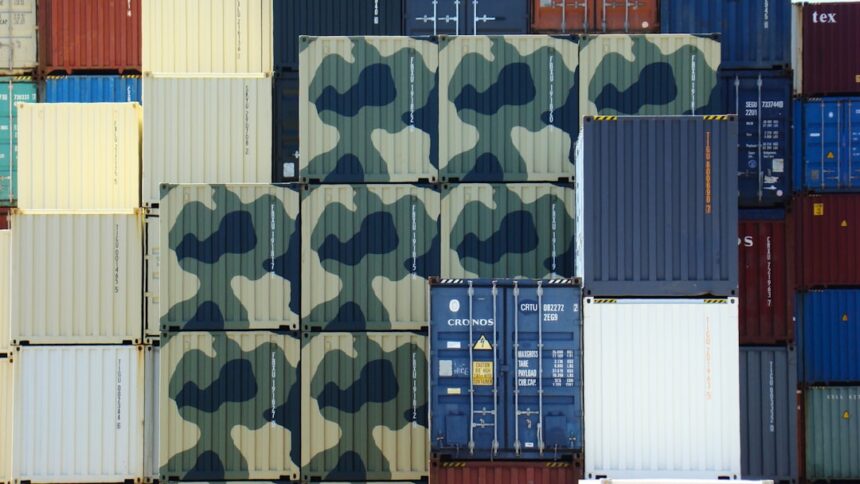
Supply chains, often unseen and unheralded, form the unshakeable backbone of military power. From the humblest ration pack to the most sophisticated missile system, the ability to reliably procure, transport, and distribute essential matériel is not merely a logistical challenge; it is a fundamental determinant of a nation’s capacity to wage war, project power, and maintain security. In an increasingly volatile global landscape, understanding and optimizing these complex networks is paramount for any state aspiring to robust defense capabilities.
The historical trajectory of warfare is inextricably linked to the evolution of supply chains. The legions of Rome, while formidable on the battlefield, relied on a sophisticated network of roads and supply depots to sustain their campaigns. Napoleon’s Grand Armée, despite its tactical brilliance, ultimately faltered when its logistical lines were stretched to breaking point. In the modern era, the scale and complexity of military operations have amplified the critical importance of efficient and resilient supply chains. They are not simply about moving goods; they are about enabling strategic objectives, maintaining operational tempo, and ultimately, ensuring the survival and success of military forces.
Sustaining the Fight: Ammunition and Materiel
The most immediate and tangible impact of a robust supply chain is the consistent availability of ammunition and essential materiel. The adage “ammunition is life” holds a profound truth. Units on the front lines, regardless of their bravery or training, are rendered ineffective without the continuous flow of bullets, shells, missiles, and explosives. This extends beyond direct combat consumables to encompass everything from fuel for vehicles and aircraft, to spare parts for equipment, to medical supplies for the wounded. A disruption, even a temporary one, in the supply of any of these critical items can have cascading negative effects, leading to degraded operational effectiveness, increased risk to personnel, and a potential loss of tactical advantage.
The Velocity of Firepower
The pace of modern warfare, characterized by its high tempo and often rapid engagements, demands an equally rapid and responsive supply chain. The ability to replenish expended munitions quickly, sometimes in near real-time, is crucial for maintaining offensive momentum and responding to emergent threats. This necessitates not only efficient production but also strategic prepositioning of supplies in forward operating bases and theatre dumps, minimizing the time and distance required for delivery.
The Diversity of Needs
Military supply chains are inherently diverse, catering to a vast array of needs across different branches of service and operational environments. A navy requires specialized fuels, lubricants, and spare parts for complex machinery; an air force needs aviation fuel, aircraft components, and munitions; and ground forces demand a broad spectrum of items, from heavy armor components to individual soldier’s equipment. Coordinating these disparate needs and ensuring their timely delivery is a monumental undertaking.
The Enabler of Power Projection
Beyond sustaining forces in combat, supply chains are the fundamental enablers of power projection. The ability of a nation to deploy its military forces to distant theatres of operation and sustain them there for extended periods is contingent upon its logistical capabilities. This involves a complex interplay of strategic airlift, sealift, and land transportation networks, all linked by a robust and responsive supply chain.
Strategic Sealift and Airlift Capabilities
For overseas deployments, strategic sealift and airlift are indispensable. Large cargo ships and specialized transport aircraft are the arteries through which heavy equipment, personnel, and vast quantities of supplies traverse oceans and continents. The readiness and availability of these assets, coupled with their efficient utilization, are direct reflections of a nation’s logistical strength and its capacity to exert influence beyond its immediate borders.
Forward Basing and Logistics Hubs
Establishing and maintaining forward operating bases and logistical hubs in strategic locations around the world is a cornerstone of power projection. These facilities act as vital nodes in the supply chain, allowing for the prepositioning of equipment, the staging of aircraft and ships, and the rapid replenishment of forces engaged in operations. The security and accessibility of these hubs are therefore critical to the success of any overseas military endeavor.
The intricate relationship between supply chains and military power is further explored in a compelling article on the topic, which highlights how logistics and resource management can significantly influence a nation’s strategic capabilities. For a deeper understanding of this dynamic, you can read more in the article available at In the War Room. This resource delves into historical examples and contemporary implications, illustrating how effective supply chain management can be a decisive factor in military success.
Navigating the Complexities: Challenges in Military Supply Chain Management
The inherent complexity of military operations, combined with the global nature of modern defense procurement and deployment, presents a formidable array of challenges for supply chain management. These challenges are multifaceted, encompassing geopolitical considerations, technological advancements, and the ever-present threat of disruption.
Geopolitical Risks and Vulnerabilities
The globalized nature of defense supply chains makes them susceptible to geopolitical risks. Reliance on specific countries for critical components, raw materials, or manufacturing capacity can create vulnerabilities. Trade disputes, political instability, or outright conflict in key supplier nations can have a detrimental impact on a nation’s defense readiness.
Dependency on Foreign Suppliers
Many nations depend on foreign suppliers for advanced military technologies, critical raw materials like rare earth elements essential for electronics, or even basic manufactured goods. This dependency can be a significant strategic weakness, as evidenced by disruptions experienced during recent global events that have highlighted the fragility of certain supply chains.
Transit Routes and Chokepoints
Military supply chains often rely on specific transit routes, including maritime shipping lanes and air corridors. These routes can be vulnerable to disruption from piracy, terrorism, natural disasters, or the actions of adversarial states. Identifying and mitigating risks associated with critical chokepoints, such as narrow straits or strategically important canals, is a constant concern.
Technological Advancements and their Supply Chain Implications
The rapid pace of technological advancement in both civilian and military sectors presents both opportunities and challenges for supply chain management. Integrating new technologies seamlessly and ensuring their effective support throughout their lifecycle requires considerable foresight and adaptation.
The Rise of Advanced Manufacturing
3D printing, additive manufacturing, and AI-driven automation are transforming manufacturing processes. While offering potential for on-demand production and reduced lead times, integrating these technologies into established military supply chains requires significant investment in infrastructure, training, and standardization. The ability to rapidly produce critical parts in theatre could revolutionize logistics, but requires robust digital infrastructure and secure networks.
Cybersecurity Threats to Digital Logistical Systems
Modern military supply chains are heavily reliant on digital systems for inventory management, tracking, and communication. These systems are vulnerable to cyberattacks, which can disrupt operations, compromise sensitive data, or even lead to the manipulation of supply chains for malicious purposes. Ensuring the resilience and security of these digital infrastructures is a paramount concern.
The Human Element: Training and Expertise
Despite advancements in automation and technology, the human element remains indispensable to the effective functioning of military supply chains. Highly skilled personnel are required to plan, manage, and execute complex logistical operations.
The Need for Specialized Logisticians
Military logisticians are not simply truck drivers or warehouse managers. They are highly trained professionals with expertise in areas such as strategic planning, inventory control, risk management, and international transportation law. Maintaining a robust cadre of such individuals is crucial for operational readiness.
The Impact of Personnel Shortages
Recruitment and retention challenges within military logistics branches can have a direct impact on the ability to sustain operations. A shortfall in trained personnel can lead to increased workload for existing staff, potential errors, and ultimately, a degradation of logistical capabilities.
Strategies for Building Resilient and Agile Military Supply Chains
In the face of evolving threats and an increasingly unpredictable global environment, building resilient and agile military supply chains is no longer a desirable objective but a strategic imperative. This requires a proactive and multi-pronged approach that embraces innovation, diversification, and robust planning.
Diversification and De-Risking Strategies
Reducing reliance on single sources and diversifying supply chains is a critical strategy for mitigating risks and enhancing resilience. This involves a conscious effort to spread procurement across different geographic regions and to cultivate multiple suppliers for critical components and materials.
Multi-Sourcing and Redundancy
Implementing multi-sourcing strategies ensures that no single supplier or region holds a monopoly on critical defense goods. Establishing redundancy in production and distribution networks can provide alternative pathways in the event of disruptions. This might involve dual manufacturing facilities or a network of strategically located distribution centers.
Near-shoring and Friend-shoring
Near-shoring, bringing production closer to home, and friend-shoring, re-shorthing to trusted allied nations, are becoming increasingly important strategies. These approaches reduce transit times, minimize exposure to geopolitical risks associated with far-flung supply chains, and foster stronger economic and security ties with allies.
Embracing Innovation and Technology
Leveraging advancements in technology can significantly enhance the efficiency, transparency, and resilience of military supply chains. This includes the adoption of sophisticated analytical tools, automation, and advanced communication systems.
Data Analytics and Predictive Modeling
The application of big data analytics and predictive modeling can revolutionize supply chain management. By analyzing vast datasets related to inventory levels, demand patterns, transportation routes, and potential disruptions, military planners can gain unprecedented insights to optimize resource allocation, anticipate shortages, and proactively mitigate risks.
Artificial Intelligence and Automation
Artificial intelligence (AI) can be employed in various aspects of supply chain management, from optimizing inventory levels and routing to predicting equipment failures and automating repetitive tasks. Robotic process automation (RPA) can streamline administrative processes, freeing up human personnel for more strategic responsibilities.
Enhancing Collaboration and Partnerships
Effective military supply chains are not built in isolation. Fostering strong collaboration with industry partners, allies, and international organizations is essential for building capabilities and ensuring seamless operations.
Public-Private Partnerships
Engaging in robust public-private partnerships with defense contractors and civilian logistics providers can provide access to expertise, resources, and innovative solutions. These partnerships can streamline acquisition processes, improve efficiency, and enhance the overall responsiveness of the supply chain.
Interoperability with Allied Nations
For coalition operations, interoperability of supply chains is paramount. This involves standardizing logistics procedures, communication systems, and materiel to ensure that allied forces can effectively support each other during joint operations. Information sharing and joint planning are crucial components of this effort.
The Future of Military Supply Chains: Adaptability and Foresight

The landscape of warfare is constantly evolving, and so too must the supply chains that underpin military power. The future demands an even greater emphasis on adaptability, foresight, and the ability to anticipate and respond to unprecedented challenges.
The Impact of Emerging Technologies
Emerging technologies like quantum computing and advanced robotics hold the potential to further revolutionize supply chain operations. Quantum computing could unlock new possibilities for complex optimization problems, while advanced robotics could enable fully autonomous logistics operations, from warehouse management to last-mile delivery.
Autonomous Logistics Systems
The development and integration of autonomous logistics systems, including self-driving vehicles and drones, are poised to transform the way military supplies are moved. These systems can operate in hazardous environments, reduce human exposure to risk, and increase the speed and efficiency of delivery.
Blockchain for Supply Chain Transparency and Security
Blockchain technology offers the potential for enhanced transparency, traceability, and security within military supply chains. By creating an immutable ledger of transactions, blockchain can help prevent counterfeiting, ensure the integrity of goods, and provide a clear audit trail for all movements of materiel.
The Importance of Strategic Foresight and Scenario Planning
As geopolitical dynamics shift and new threats emerge, strategic foresight and robust scenario planning become critical. Military leaders must constantly assess potential future operating environments and proactively adapt their supply chains to meet those challenges.
Adapting to Climate Change Impacts
The growing impacts of climate change, from extreme weather events to rising sea levels, pose significant logistical challenges. Military planners must account for these impacts on infrastructure, transportation networks, and the availability of resources when designing and maintaining supply chains.
Preparing for Hybrid Warfare and Asymmetric Threats
Hybrid warfare, which blurs the lines between conventional conflict, cyber warfare, and irregular tactics, demands a highly adaptable and resilient supply chain. The ability to rapidly reconfigure logistics in response to unexpected disruptions, to counter disinformation campaigns targeting supply chains, and to integrate cyber defense mechanisms are all critical for success.
Understanding how supply chains shape military power is crucial in today’s geopolitical landscape. A related article explores the intricate connections between logistics and national security, highlighting how efficient supply chains can enhance a nation’s military capabilities. For further insights, you can read more about this topic in the article available here. This examination reveals that the ability to maintain robust supply lines can significantly influence the outcome of conflicts and the overall strength of a military force.
Conclusion: The Enduring Significance of the Logistical Backbone
| Aspect | Impact |
|---|---|
| Logistics | Efficient supply chains enable rapid deployment of military forces |
| Resilience | Robust supply chains ensure continuous provision of essential resources |
| Cost | Effective supply chains reduce the financial burden of military operations |
| Technology | Innovative supply chain management enhances military capabilities |
In conclusion, the intricate and often invisible world of military supply chains is far more than a supporting function; it is the very foundation upon which modern military power is built. The ability to reliably deliver the right resources, to the right place, at the right time, remains a fundamental determinant of strategic success. As the nature of warfare continues to evolve, marked by increased complexity, rapid technological change, and an ever-present threat of disruption, the imperative to cultivate adaptable, resilient, and technologically advanced supply chains will only grow. Nations that invest in the robustness of their logistical backbone will undoubtedly be the ones best positioned to navigate the challenges of the 21st-century security landscape and to effectively project their power and protect their interests on the global stage. The ceaseless flow of matériel, enabled by sophisticated logistics, is the silent engine that drives military effectiveness, a truth that will continue to resonate throughout the annals of conflict and security.

China’s Invisible Chokehold on Modern Weapons
FAQs
What is a supply chain in the context of military power?
A supply chain in the context of military power refers to the network of organizations, resources, and activities involved in producing and delivering military equipment, supplies, and support to military forces.
How do supply chains impact military power?
Supply chains play a crucial role in determining the effectiveness and readiness of military forces. A well-functioning supply chain ensures that military forces are adequately equipped, supplied, and supported, thereby enhancing their operational capabilities and overall military power.
What are some key components of military supply chains?
Key components of military supply chains include procurement, production, transportation, storage, distribution, maintenance, and logistics support. These components work together to ensure that military forces have access to the necessary resources and support.
How do supply chains influence military strategy and operations?
Supply chains influence military strategy and operations by shaping the availability and deployment of military resources. The efficiency and resilience of supply chains can impact the ability of military forces to sustain operations, project power, and respond to threats.
What are some challenges associated with military supply chains?
Challenges associated with military supply chains include logistical complexities, supply chain vulnerabilities, security risks, and the need to adapt to evolving threats and technologies. Addressing these challenges is essential for maintaining and enhancing military power.