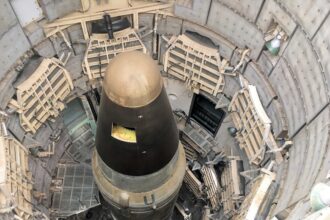
The modern military supply chain, a complex and colossal organism, fuels the readiness and operational capability of armed forces worldwide. It is a critical enabler of national security, responsible for the timely and efficient delivery of everything from meals ready-to-eat and ammunition to advanced weaponry and specialized equipment, often across vast distances and challenging environments. However, in an era of rapid technological advancement, evolving geopolitical landscapes, and increasing budget constraints, the traditional military supply chain is facing unprecedented pressures. Streamlining this intricate network is no longer a matter of incremental improvement but a strategic imperative. This article explores the multifaceted strategies and technologies being employed to optimize the military supply chain, ensuring it remains responsive, resilient, and cost-effective in the 21st century.
The nature of conflict and the demands placed upon military forces have shifted dramatically. Gone are the days of protracted, large-scale, conventional warfare occupying the sole focus of logistical planning. Today’s military operations often involve:
Increased Operational Tempo and Global Reach
Modern conflicts can erupt with little warning, demanding rapid deployment and sustainment across diverse theaters. This necessitates a supply chain that can react with agility, adapting to unforeseen requirements and shifting priorities. The ability to project power globally means supplies must be transported and delivered to remote locations, often with limited existing infrastructure. This stretch on logistical capabilities requires a complete rethinking of traditional hub-and-spoke models.
The Rise of Asymmetric Warfare and Irregular Threats
Counter-insurgency operations, counter-terrorism missions, and responses to humanitarian crises present unique logistical challenges. These operations often occur in environments with unpredictable threat levels, requiring adaptable force protection measures for supply convoys and the ability to deliver specialized sustainment packages to dispersed units. The logistical tail must be designed to be less vulnerable and more adaptable to the dispersed nature of these operations.
Technological Advancements and their Logistical Interdependencies
The integration of advanced technologies, from drones and artificial intelligence to cyber warfare capabilities, introduces new logistical demands. These complex systems require specialized maintenance, spare parts, and trained personnel. Furthermore, the very nature of these technologies impacts how logistics are conducted, creating new pathways for both delivery and vulnerability. The interconnectedness of these systems creates a complex web of dependencies that must be managed.
The Imperative of Cost Efficiency and Resource Optimization
Despite the critical nature of military logistics, defense budgets are subject to intense scrutiny. Streamlining the supply chain is crucial for identifying and eliminating waste, reducing overhead, and optimizing the use of resources. This involves not just cutting costs but also finding smarter, more efficient ways to achieve the same or better logistical outcomes.
In today’s rapidly evolving military landscape, the efficiency and resilience of supply chains are more critical than ever. A related article that delves into the intricacies of modern military supply chains can be found at this link: Understanding Modern Military Supply Chains. This piece explores the challenges and innovations shaping logistics in defense operations, highlighting the importance of technology and strategic planning in ensuring that troops are well-equipped and supported in the field.
Embracing Digital Transformation and Data Analytics
The digital revolution offers a paradigm shift in how military supply chains can be managed. The vast amounts of data generated throughout the logistical process, from procurement and inventory management to transportation and deployment, can be harnessed for unprecedented visibility and predictive capabilities.
Real-Time Visibility and Situational Awareness
Traditional supply chains often operate with significant blind spots, making it difficult to track assets, anticipate shortages, or reroute shipments effectively. Implementing digital solutions provides real-time tracking of all supply chain components.
Leveraging IoT and Sensor Technology
The Internet of Things (IoT) and advanced sensors attached to inventory, vehicles, and infrastructure can transmit constant updates on location, condition, and status. This real-time data flow allows for immediate identification of issues and facilitates proactive decision-making.
Integrated Command and Control Systems
Connecting disparate logistical systems into a unified command and control platform provides a holistic view of the entire supply chain. This integration allows for seamless information sharing between different branches of the military and allied forces, enhancing coordination and responsiveness.
Blockchain for Transparency and Traceability
Blockchain technology offers an immutable ledger for tracking the movement of goods, ensuring authenticity and preventing counterfeiting or diversion. This is particularly crucial for high-value or sensitive items, providing an unprecedented level of trust and traceability.
Predictive Analytics for Demand Forecasting and Risk Mitigation
Moving beyond reactive logistics, predictive analytics allows for proactive intervention. By analyzing historical data, operational tempo, and environmental factors, the supply chain can anticipate future needs and potential disruptions.
AI-Powered Demand Forecasting
Artificial intelligence (AI) algorithms can analyze vast datasets to predict demand for specific items based on operational plans, historical consumption patterns, and emerging threats. This enables more accurate inventory management, reducing both stockouts and excess inventory.
Identifying and Mitigating Supply Chain Risks
Predictive models can identify potential chokepoints, supplier vulnerabilities, and geopolitical risks that could impact the supply chain. This allows for the development of contingency plans and the diversification of sourcing strategies.
Maintenance Prediction for Equipment Readiness
Predictive maintenance, powered by AI and machine learning, can forecast when equipment is likely to fail, allowing for proactive servicing and repair. This minimizes downtime and ensures operational readiness, a critical aspect of military effectiveness.
Modernizing Procurement and Inventory Management

The efficiency of the entire supply chain is heavily reliant on the initial stages of procurement and the ongoing management of inventory. These areas are ripe for optimization through technological adoption and revised processes.
Agile Procurement Strategies
Traditional, lengthy procurement cycles are ill-suited to the rapid pace of modern military needs. Embracing agile procurement methods allows for faster acquisition of critical goods and services.
Streamlined Contracting Processes
Reducing bureaucratic hurdles and simplifying contract requirements can significantly accelerate the acquisition of necessary supplies. This involves greater flexibility and empowerment within procurement teams.
Utilizing Commercial Off-The-Shelf (COTS) Solutions
Where feasible, leveraging commercially available products and services can reduce development time and costs. This requires a careful evaluation of COTS suitability and security implications for military applications.
Strategic Sourcing and Supplier Collaboration
Building stronger relationships with key suppliers and diversifying the supplier base can enhance resilience and reduce reliance on single sources. This fosters greater collaboration and can lead to more innovative solutions.
Intelligent Inventory Optimization
Effective inventory management is a delicate balance between ensuring sufficient stock to meet demand and minimizing the costs associated with storage, obsolescence, and spoilage.
Just-in-Time (JIT) and Just-in-Case (JIC) Hybrid Models
While JIT can reduce inventory holding costs, a purely JIT approach is risky in a military context. A hybrid model that strategically positions critical items while utilizing JIT for less critical consumables offers a balanced approach.
Automated Warehousing and Inventory Tracking
Implementing automated storage and retrieval systems (AS/RS) and advanced inventory tracking technologies minimizes manual labor, reduces errors, and improves stock accuracy.
Demand-Driven Replenishment Systems
Shifting from fixed-cycle replenishment to systems that automatically trigger orders based on real-time demand and stock levels ensures that inventory is replenished only when needed.
Lifecycle Management of Spares and Equipment
Implementing robust systems for tracking the lifecycle of spare parts and equipment ensures that obsolete items are identified and replaced, and that critical components are always available.
Enhancing Transportation and Distribution Networks

The physical movement of goods is the most visible and often most resource-intensive aspect of the military supply chain. Innovations in transportation and distribution are crucial for improving speed, efficiency, and resilience.
Leveraging Advanced Logistics Platforms and Technologies
The core of modern distribution lies in the intelligent orchestration of various transportation modes.
Autonomous Vehicles and Drones for Last-Mile Delivery
The use of autonomous vehicles, including trucks and drones, promises to revolutionize last-mile delivery, particularly in challenging or dangerous terrains. These can provide vital medical supplies, ammunition, or even food to forward operating bases.
Optimized Route Planning and Network Design
Advanced software can analyze diverse factors – including weather, traffic, security threats, and operational needs – to optimize transportation routes and network configurations, minimizing transit times and fuel consumption.
Intermodal Transportation Integration
Seamless integration of different transportation modes (air, sea, rail, road) through optimized transfer points and standardized containerization enhances efficiency and flexibility in moving goods across long distances.
Collaborative Logistics with Allies
Sharing transportation assets and capacity with allied nations can lead to significant cost savings and improved reach, especially in joint operations.
Resilient and Secure Distribution Chains
Ensuring the security and uninterrupted flow of supplies is paramount, especially in contested environments.
Diversified Transportation Hubs and Staging Areas
Establishing multiple, geographically dispersed hubs and staging areas reduces reliance on single points of failure and allows for rapid adaptation to changing operational requirements or security threats.
Enhanced Security Measures for Convoys and Shipments
Employing advanced security technologies, including real-time tracking, armored vehicles, and drone surveillance, protects supply convoys from attacks and interdiction.
Contingency Planning for Disruptions
Developing robust contingency plans for a wide range of potential disruptions, from natural disasters to cyberattacks, ensures that supply chains can continue to function even under duress.
Supply Chain Security Audits and Vulnerability Assessments
Regularly assessing the security of the entire supply chain, from origins to destinations, helps identify and address potential vulnerabilities before they can be exploited.
In today’s rapidly evolving battlefield, the efficiency of the military supply chain is more critical than ever. A recent article discusses the innovative strategies being implemented to enhance logistics and ensure that troops receive the necessary resources in a timely manner. For a deeper understanding of these advancements, you can read more about it in this insightful piece on modern military logistics at In the War Room. This exploration highlights how technology and strategic planning are reshaping the way military supplies are managed and delivered.
The Human Element: Training, Talent, and Culture
| Aspect | Metric |
|---|---|
| Inventory Management | Inventory Turnover Ratio |
| Logistics | On-time Delivery Performance |
| Procurement | Supplier Lead Time |
| Quality Control | Defect Rate |
| Cost Management | Total Cost of Ownership |
While technology plays a pivotal role, the success of any streamlined military supply chain ultimately depends on the skills, dedication, and adaptability of its personnel, as well as the organizational culture that supports it.
Developing a Future-Ready Logistics Workforce
The demands on military logisticians are evolving, requiring new skillsets and a commitment to continuous learning.
Upskilling and Reskilling Existing Personnel
Investing in training programs that equip current personnel with the knowledge and skills in areas like data analytics, AI, cybersecurity, and automated systems is essential.
Recruiting and Retaining Specialized Talent
Attracting individuals with expertise in cutting-edge technologies is crucial. This includes fostering an environment that values innovation and provides opportunities for career growth.
Cross-Training for Increased Versatility
Ensuring that logisticians are cross-trained in various aspects of the supply chain fosters greater flexibility and allows for more adaptable responses to emergent situations.
Developing Leadership in Logistical Innovation
Cultivating leaders who champion new technologies, embrace data-driven decision-making, and foster a culture of continuous improvement is vital for driving long-term success.
Fostering a Culture of Adaptability and Proactiveness
The military supply chain must move away from a reactive, command-and-control mentality towards one that is agile, collaborative, and empowered.
Encouraging Innovation and Experimentation
Creating a safe environment for experimentation with new technologies and processes allows for the identification of more efficient and effective solutions.
Promoting Collaboration Across Services and Branches
Breaking down organizational silos and encouraging seamless collaboration between different branches of the military, as well as with civilian agencies and private sector partners, is critical for a truly integrated supply chain.
Empowering Front-Line Logisticians with Decision-Making Authority
Granting appropriate levels of autonomy to personnel on the ground can significantly speed up decision-making and response times, especially in rapidly evolving operational environments.
Continuous Improvement Through Feedback Loops
Establishing robust feedback mechanisms from operational units back to logisticians ensures that the supply chain is constantly learning and adapting to real-world needs and challenges.
In conclusion, streamlining the modern military supply chain is not merely an operational upgrade; it is a strategic imperative for ensuring national security in an increasingly complex and dynamic world. By embracing digital transformation, modernizing procurement and inventory management, enhancing transportation networks, and investing in its human capital, militaries can build supply chains that are not only more efficient and cost-effective but also more resilient, responsive, and ultimately, more capable of meeting the demands of the 21st-century battlefield. The journey towards a truly streamlined military supply chain is ongoing, requiring sustained commitment, strategic foresight, and a willingness to adapt to the ever-changing landscape of global security.

China’s Invisible Chokehold on Modern Weapons
FAQs
What is the modern military supply chain?
The modern military supply chain refers to the complex network of organizations, resources, and activities involved in the procurement, production, storage, and distribution of goods and services to support military operations.
What are the key components of the modern military supply chain?
The key components of the modern military supply chain include procurement, transportation, inventory management, logistics, and distribution. These components work together to ensure that military forces have the necessary resources to carry out their missions.
How has technology impacted the modern military supply chain?
Technology has significantly impacted the modern military supply chain by enabling real-time tracking of inventory, improving communication and coordination between different supply chain partners, and enhancing the efficiency of logistics and transportation processes.
What are the challenges faced by the modern military supply chain?
Challenges faced by the modern military supply chain include the need to adapt to rapidly changing operational environments, ensuring the security and integrity of supply chain operations, and managing the complexity of global supply chains.
What are the future trends in the modern military supply chain?
Future trends in the modern military supply chain include the increased use of automation and robotics, the integration of artificial intelligence and predictive analytics, and the adoption of sustainable and environmentally friendly supply chain practices.