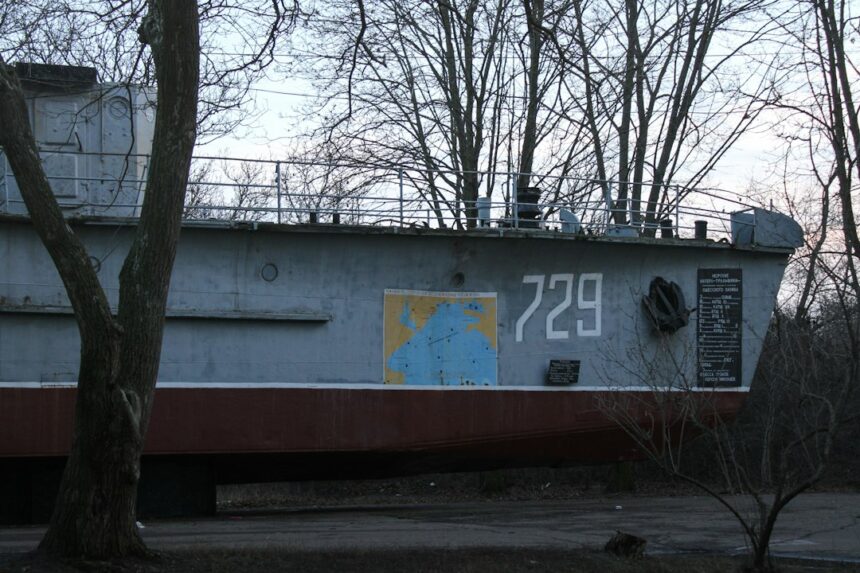
The Soviet Union’s navy, a formidable force during the Cold War, represented a significant departure from historical Russian maritime traditions. For centuries, Russia’s focus had been largely land-based, with its navy often playing a secondary role. However, the ideological and geopolitical rivalry with the United States and its NATO allies fundamentally reshaped Soviet strategic thinking. The Cold War spurred an unprecedented naval buildup, transforming the Soviet Navy from a primarily defensive coastal force into a global power projection instrument. This transformation was driven by a desire to counter American naval dominance, secure vital sea lanes, project Soviet influence abroad, and possess a credible strategic nuclear deterrent at sea. The immense resources poured into shipbuilding, technological development, and personnel training underscored the strategic importance the Kremlin placed on its naval capabilities. The Soviet Navy’s evolution was a complex interplay of strategic imperatives, technological ambition, and the relentless pressure of the bipolar world order.
The Genesis of a Global Fleet
The roots of the Soviet Navy’s Cold War resurgence lie in the post-World War II realization that naval power was crucial for global influence and security. Prior to the war, the Soviet Navy had suffered significant losses and was largely an antiquated force. The immense scale of the conflict and the strategic role played by the Allied navies, particularly the United States Navy (USN), made it clear to Soviet leadership that a powerful navy was no longer a luxury but a necessity.
From Coastal Defense to Blue Water Ambitions
For much of its history, the Russian Navy had been confined to specific seas – the Baltic, the Black Sea, and the Arctic. Its primary mission was coastal defense and projecting power within these limited theaters. The Cold War, however, demanded a different kind of maritime power. The vastness of the oceans, the global reach of American naval forces, and the economic lifeline provided by international shipping lanes compelled the Soviet Union to think beyond its traditional maritime frontiers. The strategic objective shifted from defending Soviet shores to challenging American dominance on the high seas and being able to operate in areas far from Soviet territory. This required a fundamental reimagining of fleet composition, operational doctrine, and logistical support. The construction of large aircraft carriers, long-range submarines, and modern surface combatants were all tangible manifestations of this ambitious shift. The ideological struggle also played a role; a global superpower needed a global navy to match its rhetoric and project its influence into every corner of the world.
Ideological Imperatives and Strategic Parity
The Cold War was fundamentally an ideological struggle. The Soviet Union sought to present itself as a global counterweight to Western capitalist influence. A powerful navy was seen as a potent symbol of this power and a vital tool for asserting Soviet interests on a global scale. Achieving strategic parity with the United States, particularly in the nuclear realm, was a paramount objective. The development of ballistic missile submarines (SSBNs) became a cornerstone of Soviet nuclear strategy, offering a survivable second-strike capability that could deter a first strike from the West. This focus on nuclear deterrence profoundly shaped the composition and deployment of the Soviet Navy, particularly its submarine force. The ability to project power, support allies, and disrupt enemy supply lines were all crucial elements of this broader ideological and strategic competition. The very existence of a formidable Soviet fleet served as a constant reminder to the West of the Soviet Union’s capabilities and its unwavering commitment to the ideological contest.
The naval strategies employed by the Soviet Union during the Cold War played a crucial role in shaping maritime dynamics and geopolitical tensions of the era. For a deeper understanding of this topic, you can explore the article that delves into the intricacies of the Soviet Navy’s operations and its impact on global naval power balances. To read more, visit this article.
The Pillars of Soviet Naval Might
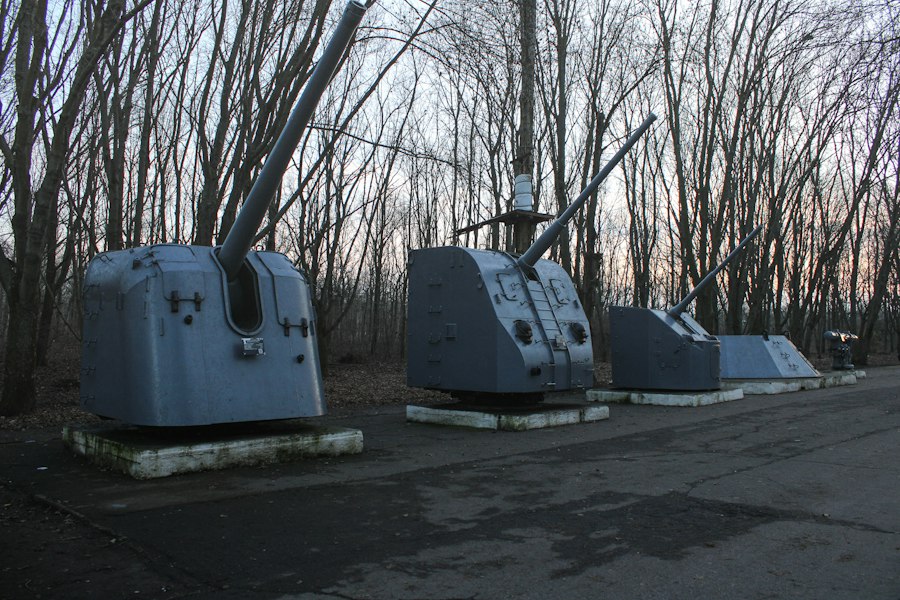
The Soviet Navy’s power rested on several key pillars, each meticulously developed to meet specific strategic objectives. This included a diverse range of vessels, from the silent hunters of the deep to the imposing battle cruisers of the surface fleet, all supported by a sophisticated network of bases and logistical infrastructure.
The Submarine Menace: Silent Hunters of the Deep
The Soviet submarine force was arguably the most feared and strategically significant component of its navy. Driven by the imperative of nuclear deterrence and the desire to challenge Western naval superiority, the Soviets invested heavily in submarine technology and production. Their submarine fleet was characterized by its sheer numbers, its diverse capabilities, and its often innovative, if sometimes risky, designs. The development of SSBNs, carrying intercontinental ballistic missiles (ICBMs), provided a crucial second-strike capability. These submarines were designed for stealth and extended patrols, making them incredibly difficult to track and target. Beyond nuclear deterrence, diesel-electric submarines (SSKs) played a vital role in coastal defense, anti-shipping operations, and intelligence gathering. The Soviets also excelled in building attack submarines (SSNs), both nuclear and diesel-powered, designed to hunt enemy submarines and surface ships. Some of these designs, such as the Charlie and Echo classes, were among the first to carry anti-ship cruise missiles, giving them a potent offensive punch. The constant cat-and-mouse game between Soviet submarines and NATO anti-submarine warfare (ASW) forces was a defining feature of the Cold War naval landscape. The emphasis on submarine development reflected a strategic understanding that controlling the underwater domain was essential for projecting power and ensuring survival in a nuclear conflict. The sheer volume of submarines produced, often with a focus on rapid production over the absolute cutting edge in every aspect, allowed the Soviet Union to maintain a numerical advantage that NATO could only counter through superior technology and tactics.
Surface Fleets: Projecting Power and Presence
While submarines formed the backbone of its strategic deterrent, the Soviet Union also maintained substantial surface fleets designed to project power, assert presence, and engage in conventional warfare. These fleets included a wide array of vessels, from large aircraft carriers and battle cruisers to destroyers and frigates. The development of the Soviet aircraft carrier program, though less advanced than its American counterpart, signaled a clear ambition to challenge carrier battle group dominance. Vessels like the Kiev and Admiral Kuznetsov classes were unique in their design, often combining aircraft and helicopter capabilities with significant missile armament, reflecting a Soviet preference for multi-role platforms. Soviet battle cruisers, such as the Kirov class, were massive vessels armed with a formidable array of anti-ship missiles, anti-air missiles, and heavy guns, designed to hunt down and destroy NATO carrier groups and other high-value targets. These ships were often referred to as “carrier killers” due to their offensive missile capabilities. Destroyers and frigates formed the bulk of the surface combatant fleet, tasked with escort duties, anti-submarine warfare, and anti-air defense. While often robustly armed, some Soviet surface ships were criticized for their reliance on large, concentrated missile armament and a perceived lack of sophistication in their sensor and electronic warfare systems compared to their Western counterparts. Nevertheless, the sheer size and firepower of the Soviet surface fleets made them a significant threat and a crucial element of the Soviet Union’s global naval presence. The visible presence of these large warships in international waters served as a constant demonstration of Soviet power and a deterrent against perceived Western aggression.
Naval Aviation: Eyes in the Sky and Strike Power from the Sea
Naval aviation was an integral part of the Soviet Navy’s operational capability, providing reconnaissance, anti-submarine warfare, and offensive strike power. While the Soviet Union never developed carrier aviation on the scale of the United States, it had a significant shore-based naval air arm and utilized aircraft and helicopters from its own carriers and other platforms. Soviet naval aviation units were stationed at airfields along the Soviet coastline and at forward operating bases in allied nations, allowing them to project power over vast distances. Their aircraft, including maritime patrol aircraft like the Tu-95RTs “Bear” and the Il-38 “May,” were crucial for intelligence gathering, tracking NATO naval movements, and providing targeting data for Soviet submarines and surface ships. They also operated anti-submarine warfare helicopters and fixed-wing aircraft capable of launching anti-ship missiles. The development of carrier-borne aircraft, though often limited by the design of Soviet carriers, aimed to provide some degree of air superiority and reconnaissance over the fleet. The integration of naval aviation with the submarine and surface fleets was a complex but essential aspect of Soviet naval strategy, ensuring that Soviet naval forces had the aerial support and offensive punch necessary to contend with their NATO adversaries. The continuous monitoring of NATO fleets by Soviet naval aircraft was a daily reality of the Cold War, providing invaluable intelligence and often serving as a constant, low-level provocation.
Strategy and Doctrine: The Art of Naval Warfare
The Soviet Navy’s operational strategy was shaped by a unique blend of defensive imperatives, offensive ambitions, and the ever-present threat of nuclear war. Their doctrine differed significantly from that of Western navies, often emphasizing overwhelming firepower and aggressive offensive actions.
The “Mass and Firepower” Doctrine
A hallmark of Soviet naval doctrine was its emphasis on “mass and firepower.” This translated into a focus on producing large numbers of robust, heavily armed vessels, particularly those equipped with potent anti-ship missile systems. The philosophy was to overwhelm enemy defenses with sheer offensive capability rather than relying on the more nuanced electronic warfare and sophisticated damage control prevalent in Western navies. This was particularly evident in their approach to surface combatants, where the development of ships like the Kirov-class battle cruisers, bristling with cruise missiles, exemplified this doctrine. The goal was to deliver a decisive blow to enemy carrier groups and other high-value targets before they could effectively respond. This doctrine was also reflected in the submarine force, where the sheer number of submarines, coupled with their potent missile armament, was intended to create an unacceptable risk for any adversary attempting to operate in Soviet-controlled waters or engage Soviet naval assets. The concept of “preemption” or striking first with overwhelming force was a recurrent theme, reflecting a willingness to take calculated risks to achieve battlefield dominance. This contrasted with the Western emphasis on attrition and long-term naval campaigns.
Global Power Projection and Sea Lane Control
While often viewed as a defensive force, the Soviet Navy was increasingly tasked with projecting power globally and securing vital sea lanes. This ambition was driven by the need to support Soviet allies, disrupt Western supply lines, and demonstrate Soviet influence in distant theaters. The deployment of Soviet naval task forces to the Indian Ocean, the Mediterranean, and the South Atlantic became a regular feature of the Cold War, challenging American naval dominance in these regions. The control of key maritime choke points was also a significant strategic objective. The Soviet Navy sought to deny Western access to critical waterways and ensure the unimpeded passage of its own merchant and military vessels. This required a sustained presence and the ability to operate far from Soviet shores, necessitating significant logistical support, including underway replenishment capabilities and access to overseas bases. The “shadowing” of US Navy carrier battle groups by Soviet warships was a common practice, serving as a constant reminder of Soviet vigilance and capability. This global reach was a testament to the successful transformation of the Soviet Navy from a regional force to a genuine blue-water navy.
The Shadow of Nuclear War: Deterrence and Escalation Control
The omnipresent threat of nuclear war profoundly shaped Soviet naval strategy. The primary role of the SSBN force was to provide a survivable second-strike capability, ensuring that the Soviet Union could retaliate even after a devastating first strike. This “mutual assured destruction” (MAD) scenario was the ultimate guarantor of Soviet security. Beyond strategic deterrence, the Soviet Navy was also designed to operate in a limited nuclear war scenario, with specialized anti-submarine and anti-ship missiles that could carry nuclear warheads. The doctrine of “escalation dominance” also played a role, with the idea that Soviet forces could engage in conventional or limited nuclear warfare at sea without necessarily triggering a full-scale global nuclear exchange. However, the precise nature of escalation control in the context of naval warfare remained a complex and debated topic between the two superpowers. The naval arms race itself was a manifestation of this nuclear tension, with both sides constantly developing new technologies and strategies to gain an advantage in a potential nuclear conflict. The existence of nuclear-armed torpedoes and missiles for submarines and surface ships meant that any naval engagement carried the terrifying possibility of escalating into a nuclear catastrophe.
Operations and Engagements: The Cold War at Sea
The Cold War naval landscape was characterized by a constant state of alert, intelligence gathering, and near-misses. While direct fleet engagements between the Soviet Union and NATO were avoided, naval operations were a continuous display of power and a test of resolve.
The Ever-Present Standoff: Intelligence Gathering and Shadowing
Throughout the Cold War, Soviet and NATO naval forces engaged in a perpetual game of cat and mouse. Intelligence gathering was paramount for both sides, and naval exercises and deployments were closely monitored. Soviet warships and submarines would routinely shadow NATO naval formations, particularly carrier battle groups, observing their operations, testing their responses, and gathering electronic intelligence. Similarly, NATO submarines and aircraft would track Soviet naval movements. These operations, while not involving direct combat, were highly risky and often involved close calls and tense encounters. The constant presence of Soviet submarines near vital Western shipping lanes and naval bases was a significant concern for NATO. The ability of Soviet naval aviation to provide long-range reconnaissance further amplified this constant surveillance. This period of intense observation and shadowing underscored the high stakes of the Cold War and the constant preparedness required of naval forces. The psychological impact of this constant surveillance was also significant, fostering a sense of unease and perpetual tension.
Limited Engagements and Incidents
While a full-scale naval war between the Soviet Union and NATO was averted, there were numerous incidents and limited engagements that highlighted the potential for conflict. These included collisions between ships, near-misses during naval exercises, and instances of Soviet forces interfering with Western naval operations. One notable incident was the repeated harassment of US Navy vessels in the Black Sea by Soviet patrol boats. There were also numerous close encounters between submarines, often involving tense moments as one vessel attempted to track and potentially target the other. The sinking of the Soviet submarine K-129 in 1968, and subsequent attempts by the US to salvage it, also underscored the technological race and the clandestine nature of naval operations. These incidents served as stark reminders of the dangers inherent in Cold War naval deployments and the ever-present risk of miscalculation leading to escalation. Each incident, however minor, was amplified by the global media and contributed to the heightened tensions of the era.
Naval Diplomacy and Presence Operations
Beyond the direct military competition, naval power was also a key instrument of diplomacy for the Soviet Union. The deployment of Soviet warships to foreign ports and the participation in international naval exercises served to project Soviet influence, demonstrate solidarity with allies, and counter Western diplomatic overtures. Soviet naval diplomacy was particularly active in developing nations, where the presence of Soviet vessels offered a visible symbol of Soviet support and a counterpoint to Western influence. The “presence operations” – the routine patrolling of international waters – were a crucial element of this diplomatic strategy. By maintaining a visible naval presence in key regions, the Soviet Union aimed to signal its global reach and its commitment to its allies. This projection of power was not always overtly aggressive but served as a constant reminder of Soviet capabilities and intentions. The international waters became a stage for this naval diplomacy, with the flags of the Soviet Union fluttering on ships in harbors and on the open sea, a silent but potent message to the world.
The naval strategies employed by the Soviet Union during the Cold War were crucial in shaping the geopolitical landscape of the time. One insightful article that delves into this topic is available at In the War Room, where it explores the various tactics and technologies that defined the Soviet navy’s approach to maritime warfare. Understanding these strategies provides a deeper appreciation of the Cold War’s complexities and the naval arms race that accompanied it.
The Legacy of the Soviet Navy
| Metric | Details |
|---|---|
| Active Personnel | Approximately 400,000 (peak during Cold War) |
| Number of Submarines | Over 200 (including ballistic missile, attack, and diesel-electric submarines) |
| Number of Surface Combatants | Over 150 (including cruisers, destroyers, frigates, and corvettes) |
| Ballistic Missile Submarines (SSBNs) | Approximately 40 |
| Aircraft Carriers | 1 (Kiev-class, with several other carriers and large aviation cruisers) |
| Primary Naval Bases | Sevastopol, Vladivostok, Murmansk, Baltiysk |
| Major Naval Fleets | Northern Fleet, Pacific Fleet, Baltic Fleet, Black Sea Fleet |
| Naval Aviation | Included maritime patrol aircraft, anti-submarine warfare aircraft, and carrier-based fighters |
| Strategic Role | Sea-based nuclear deterrence, anti-carrier warfare, and protection of Soviet maritime interests |
| Technological Innovations | Development of nuclear-powered submarines, missile technology, and advanced sonar systems |
The dissolution of the Soviet Union in 1991 marked the end of an era for its once-mighty navy. However, the legacy of its Cold War naval buildup continues to influence naval strategy and power dynamics to this day.
The Submarine Force: A Lingering Threat and Technological Heritage
The Soviet submarine force, built on a foundation of sheer numbers and innovative designs, left an indelible mark on naval warfare. While many of these vessels have been decommissioned or scrapped, the technological heritage and operational experience gained during the Cold War continue to inform submarine development worldwide. The Soviet emphasis on stealth, advanced sonar, and potent missile armament laid the groundwork for modern submarine capabilities. The legacy also includes the vast knowledge gained in anti-submarine warfare, both by those who hunted Soviet submarines and those who operated them. The sheer scale of the Soviet submarine construction program meant that even after the collapse, a significant number of submarines remained, requiring complex and costly decommissioning processes. The haunting presence of these underwater leviathans, even in their rusting hulks, served as a testament to the immense resources and strategic focus dedicated to this silent arm of Soviet power. The technological innovations, however, continued to be studied and emulated by navies around the globe.
The Transformation of the Russian Navy
Following the collapse of the Soviet Union, the Russian Navy faced severe cutbacks and a period of significant decline. However, in recent years, Russia has been undergoing a naval resurgence, drawing on the technological expertise and strategic lessons learned during the Cold War. Modern Russian naval strategy continues to emphasize submarine capabilities and the development of advanced missile systems. The focus on projecting power into strategically important regions, a hallmark of Soviet naval policy, has also re-emerged. The current Russian Navy, while smaller than its Soviet predecessor, is a modernized and increasingly capable force, seeking to reassert its influence on the global stage. The lessons of the Cold War, particularly regarding the importance of a robust and technologically advanced navy, remain deeply ingrained in Russian military thinking. The legacy of Soviet naval power is not one of complete disappearance but of a complex transformation, adapting to new geopolitical realities while retaining core strategic objectives. The challenges of maintaining such a vast and complex fleet, even in its diminished state, continue to be a significant factor in global naval power calculations.
Lessons Learned: The Enduring Impact on Global Naval Strategy
The Cold War naval competition between the Soviet Union and NATO had a profound and lasting impact on global naval strategy. The relentless development of new technologies, from nuclear propulsion and ballistic missiles to advanced sonar and anti-ship weapons, revolutionized naval warfare. The emphasis on sea lane control, power projection, and the strategic importance of submarines became central tenets of naval thinking worldwide. The Soviet Navy’s pursuit of naval parity, even with limited resources compared to the US, demonstrated the potential for determined national will and strategic focus to achieve significant maritime capabilities. The constant threat of conflict also fostered a deep understanding of the importance of interoperability, alliance building, and sophisticated command and control systems. The lessons learned from this period of intense rivalry continue to shape the strategic planning and operational doctrines of navies across the globe, reminding us of the enduring significance of maritime power in the international arena. The specter of a global naval confrontation, though averted, informed the cautious and calculated approaches adopted by naval powers even in peacetime, ensuring a continued focus on readiness and technological advancement.
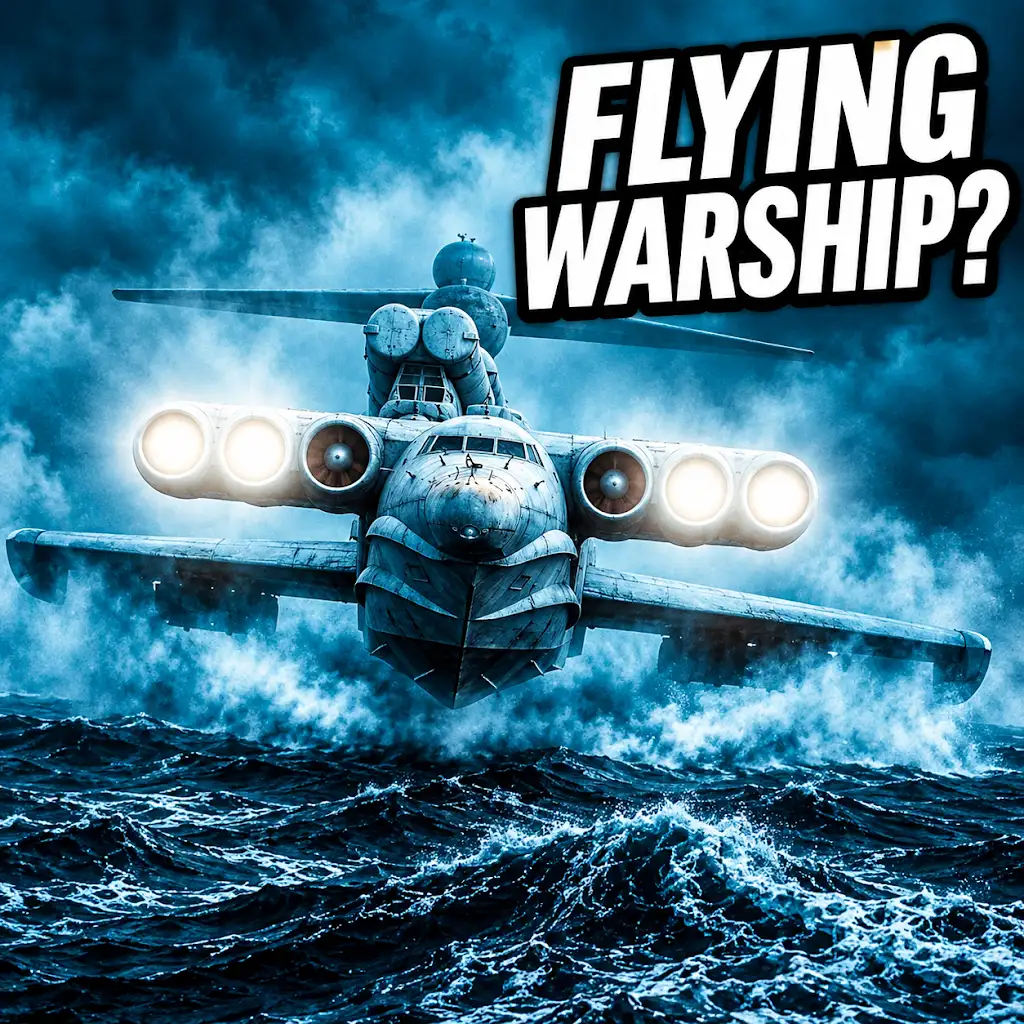
The Soviet Warship That Learned to Fly
FAQs
What was the role of the Soviet Union navy during the Cold War?
The Soviet Union navy played a crucial role during the Cold War by projecting power, protecting Soviet interests, and countering the influence of the United States and its allies in various regions around the world.
What were some key naval strategies employed by the Soviet Union during the Cold War?
Some key naval strategies employed by the Soviet Union during the Cold War included maintaining a strong submarine fleet, utilizing naval aviation for reconnaissance and strike missions, and establishing naval bases in strategic locations.
How did the Soviet Union navy compare to the United States navy during the Cold War?
During the Cold War, the Soviet Union navy was considered a formidable force that posed a significant challenge to the United States navy. The Soviet navy had a large number of ships, submarines, and naval aviation assets, although it generally lagged behind the U.S. in terms of technology and overall capabilities.
What were some notable incidents involving the Soviet Union navy during the Cold War?
Some notable incidents involving the Soviet Union navy during the Cold War include the Cuban Missile Crisis, where Soviet ships carrying nuclear missiles were intercepted by U.S. naval forces, and various confrontations between Soviet and NATO naval vessels in the Atlantic and Pacific oceans.
How did the collapse of the Soviet Union impact its navy and naval capabilities?
The collapse of the Soviet Union in 1991 had a significant impact on its navy and naval capabilities. Many ships and submarines were decommissioned or sold off, naval bases were abandoned, and the overall strength of the Russian navy was greatly reduced in the years following the dissolution of the Soviet Union.