Scuttling and the Irony of Surrender
The conclusion of the Second World War presented a unique and complex challenge for the Allied powers: the disposition of the vast naval assets surrendered by the Axis nations. Among these, the Imperial Japanese Navy’s submarine fleet, once a potent threat in the Pacific, represented a significant logistical and strategic puzzle. Unlike larger warships that often found roles in Allied navies or were dismantled for scrap, the fate of Japanese submarines was more varied, encompassing deliberate scuttling, dismantling, and even some unusual repurposing. The sheer number of these vessels, coupled with the logistical constraints of the post-war period, dictated a range of solutions, many of which underscored the finality of Japan’s defeat and the Allied determination to prevent any resurgence of Japanese military power. The act of scuttling, in particular, held a poignant symbolic weight, representing a final defiance or, conversely, a pragmatic decision to deny the enemy valuable assets.
The Imperial Japanese Navy had developed a formidable submarine force throughout the war. Their submarines were not merely designed for traditional wolfpack tactics but also for specialized missions, including carrying cargo, deploying midget submarines, and even launching the Kamikaze-style Kaiten manned torpedoes. By the war’s end, Japan possessed a substantial fleet of these vessels, ranging from older designs to the more advanced Type B and Type C submarines. The surrender of Japan on August 15, 1945, left these submarines in various states of readiness and operational capacity. Many were docked in Japanese ports, while others were at sea, unaware of the cessation of hostilities. This widespread dispersal added to the complexity of the Allied task. The immediate aftermath of the surrender saw Allied forces securing Japanese naval bases and inventorying the surrendered equipment. The submarines, as a category of military hardware, were subject to stringent Allied directives aimed at demilitarization and disarmament.
The decision to scuttle a significant portion of the Japanese submarine fleet was driven by a confluence of factors. Foremost among these was the desire to prevent any potential resurgence of Japanese naval power. The Allied powers, particularly the United States, were keenly aware of Japan’s industrial capacity and the potential for it to be quickly repurposed for military ends. Allowing a functioning submarine fleet to remain in Japanese hands, even under supervision, was deemed an unacceptable risk. Furthermore, the economic realities of the post-war period played a role. Dismantling thousands of vessels, including submarines, would have been an enormous undertaking, requiring significant labor and resources that were already stretched thin. Scuttling offered a more immediate and less resource-intensive solution to neutralize the threat. Symbolic considerations also loomed large. The act of deliberately sinking one’s own fleet, as many Japanese commanders were ordered to do, served as a stark visual representation of their nation’s complete defeat and the renunciation of its aggressive ambitions.
In the aftermath of World War II, the disposal of Japanese submarines became a significant concern for both the Allied forces and the Japanese government. The complexities surrounding the dismantling and repurposing of these vessels are explored in detail in a related article, which provides insights into the environmental and logistical challenges faced during this period. For more information on this topic, you can read the full article here: Postwar Disposal of Japanese Submarines.
The Operational Imperative: Denying Future Capability

The primary driver behind the disposal of Japanese submarines was the imperative to deny their future operational use by any potential adversaries, including a resurgent Japan or even other emerging powers. The Allied powers, having endured years of brutal conflict in the Pacific, were not inclined to leave any potential tools of future aggression readily available. This led to a systematic approach to disarmament that left little room for ambiguity.
Pre-emptive Measures: Controlled Sinking
In the immediate days and weeks following the official surrender, Allied forces took steps to ensure that no Japanese submarines could be reactivated or used by their former crews. This often involved Allied personnel boarding surrendered vessels to disable them, removing key components, and in many cases, supervising their controlled sinking. This controlled sinking was distinct from the more chaotic and defiant scuttling that some Japanese crews undertook. It was a methodical process designed to ensure complete incapacitation of the vessels.
The Allied Directive: From Surrender to Scrappage
The Allied directive concerning the disposition of Japanese naval assets was clear: demilitarization and disarmament. This meant that no operational warships, including submarines, were to be left in Japanese possession. The initial phases involved securing the submarines, documenting their condition, and then executing the planned disposal methods. For many, this meant a watery grave, orchestrated by Allied forces.
The Symbolism of Scuttling: A Final Act of Defiance or Submission

Scuttling, the act of deliberately sinking a vessel, carried profound symbolic weight in the context of Japan’s surrender. For some Japanese naval officers, it was a final, albeit tragic, act of loyalty to their Emperor and a refusal to allow their vessels to fall into enemy hands intact. For others, it was a grim acknowledgment of their defeat, a means to prevent further bloodshed, and a way to comply with surrender terms while preserving a semblance of honor.
Captains’ Orders: The Naval Code in Practice
Numerous Japanese submarine captains were faced with the agonizing decision of how to dispose of their vessels once the surrender order was received. The naval code and their sense of duty often dictated that warships should not be surrendered to the enemy. This led to instances of captains initiating scuttling procedures themselves, sometimes with their crews still aboard. These actions, while often tragic, were a direct response to perceived obligations and the harsh realities of war’s end.
Allied Oversight: Preventing Undesirable Outcomes
While some scuttling was initiated by Japanese crews, the Allied powers also oversaw the sinking of many submarines. This oversight was crucial to ensure that the scuttling was thorough and that no valuable equipment or technology was deliberately retained by the Japanese. Allied engineers would often ensure that critical systems were rendered inoperable before authorizing the sinking, thereby guaranteeing the vessels’ permanent incapacitation.
Diversified Fates: Beyond the Ocean Floor
While scuttling was a prominent method of disposal, not all Japanese submarines met their end beneath the waves. A smaller number underwent different fates, reflecting the varied priorities and capabilities of the post-war era. These included dismantling for scrap, which was a more protracted but ultimately resource-efficient solution for some vessels, and even more unusual scenarios.
The Scrap Heap: Dismantling for Material Gain
A considerable number of Japanese submarines, particularly older or less damaged vessels, were ultimately dismantled for scrap. This process provided valuable raw materials for the rebuilding of Japan’s industrial base, albeit under Allied supervision. While not as dramatic as a mass scuttling, dismantling represented a practical approach to dispose of the vessels and reclaim their constituent parts.
The Prize of War: Limited Allied Exploitation
In rare instances, a handful of Japanese submarines were deemed of sufficient technical interest to be captured and studied by the Allied powers. These vessels, often more advanced designs, were subjected to thorough examination, their technology analyzed, and their performance evaluated. While a few might have been considered for potential incorporation into Allied navies, the overwhelming number of surrendered submarines made this impractical as a widespread solution.
Unintended Consequences: The Risk of Reuse
Despite the best intentions and rigorous efforts, the specter of submarines being reused or falling into the wrong hands always lingered. While the primary focus was on complete disarmament, the possibility, however remote, of a salvaged submarine being reactivated by a non-Allied entity was a concern that underpinned the thoroughness of the disposal operations.
In the aftermath of World War II, the disposal of Japanese submarines became a significant concern for the Allied forces, as they sought to dismantle remnants of the Imperial Navy. An insightful article that delves into this topic can be found on In The War Room, where it discusses the various methods employed to safely dispose of these vessels and the implications for naval history. For more detailed information, you can read the article here.
The Logistics of Neutralization: A Monumental Task
| Submarine Class | Number of Submarines | Disposal Method | Year of Disposal | Notes |
|---|---|---|---|---|
| Type A (I-400 class) | 3 | Scuttled by US Navy | 1946 | Scuttled in the Pacific to prevent Soviet capture |
| Type B (I-15 class) | 10 | Scrapped | 1947-1948 | Disassembled in Japan under Allied supervision |
| Type C (I-52 class) | 5 | Sunk in combat or scuttled | 1944-1946 | Some sunk during war, others scuttled postwar |
| Type D (Kaiten class) | 18 | Destroyed or scrapped | 1945-1947 | Many destroyed in final battles, remainder scrapped |
| Other Classes | Various | Scrapped or scuttled | 1945-1950 | All remaining submarines disposed under Allied orders |
The sheer scale of the Japanese submarine fleet presented a logistical challenge of immense proportions. Thousands of personnel, considerable resources, and a complex coordination effort were required to implement the various disposal methods. The Allied powers, in their post-war occupations, had to contend with the practicalities of managing these surrendered assets across a vast geographical area.
Post-War Occupation: Allied Control and Inventory
Following Japan’s surrender, Allied forces assumed control of naval bases and shipyards. This involved extensive inventorying of all surrendered naval assets, including submarines. Establishing clear lines of authority and communication was crucial for coordinating the dismantling and sinking operations effectively.
Resource Allocation: Balancing Demands
The post-war period was characterized by competing demands for resources. The Allied powers had to balance the needs of reconstruction, occupation, and the disarmament of Axis navies. The disposal of submarines was one of many tasks that required careful allocation of personnel, equipment, and financial resources.
Lasting Legacies: Ghosts of the Pacific War
The disposal of the Japanese submarine fleet left a lasting legacy, both tangible and intangible. Sunken submarines litter the seabed in various locations, silent memorials to the conflict. The technological advancements observed in some of these vessels also contributed to the evolution of submarine warfare in the post-war era. The sheer volume of the scuttled fleet, however, served as a powerful and enduring symbol of Japan’s defeat and the world’s collective effort to establish a lasting peace.
Underwater Monuments: Silent Sentinels of History
Many of the scuttled Japanese submarines now rest on the ocean floor, their hulls slowly succumbing to the ravages of time and the sea. These underwater graveyards serve as poignant reminders of the immense naval power that was once wielded and ultimately neutralized. For divers and maritime historians, these wrecks represent significant archaeological sites, offering glimpses into the operational capabilities and final moments of these vessels.
Technological Footprints: The Evolution of Submarine Warfare
The design and operational characteristics of the Japanese submarines, particularly their advanced features, did not disappear entirely with their sinking. Allied analysis of captured vessels contributed to the understanding and development of submarine technology in the decades that followed. Innovations in hull design, propulsion, and weaponry observed in Japanese submarines undoubtedly influenced the trajectory of naval warfare.
The Memory of a Fleet: A Symbol of Demilitarization
The systematic disposal of the Japanese submarine fleet stands as a testament to the commitment of the Allied powers to demilitarize their defeated adversaries. The visual spectacle of so many vessels being deliberately sunk or dismantled served as a powerful message of renunciation and a foundational step towards the establishment of a new global order. The ghosts of this formidable fleet, though submerged, continue to speak of a pivotal moment in history.
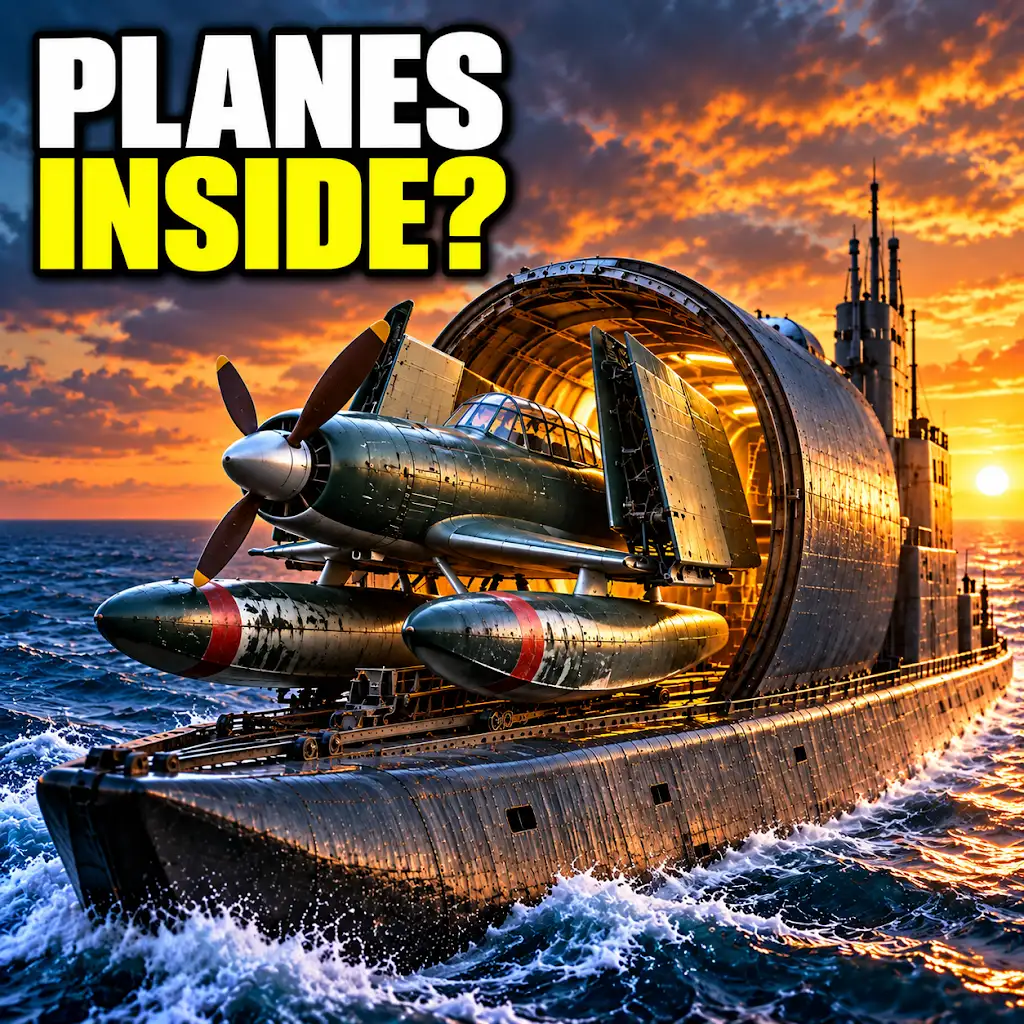
Japan Built a Submarine That Could Launch Three Planes
FAQs
What happened to Japanese submarines after World War II?
Japanese submarines were either scuttled by their crews or surrendered to Allied forces at the end of World War II.
How were Japanese submarines disposed of after the war?
Many Japanese submarines were scuttled by their crews in order to prevent them from falling into enemy hands. Some were also captured by Allied forces and either used for testing or scrapped.
Were any Japanese submarines preserved as war trophies?
Yes, some Japanese submarines were taken as war trophies by Allied forces. For example, the USS Bowfin, a Japanese submarine captured by the US Navy, is now a museum ship in Hawaii.
Did any Japanese submarines survive the postwar disposal process?
A few Japanese submarines did survive the postwar disposal process. Some were used for research purposes, while others were sold to other countries or preserved as museum ships.
What is the significance of the postwar disposal of Japanese submarines?
The postwar disposal of Japanese submarines marked the end of their military service and contributed to the overall demilitarization of Japan after World War II. It also played a role in shaping the historical record of submarine warfare during the conflict.