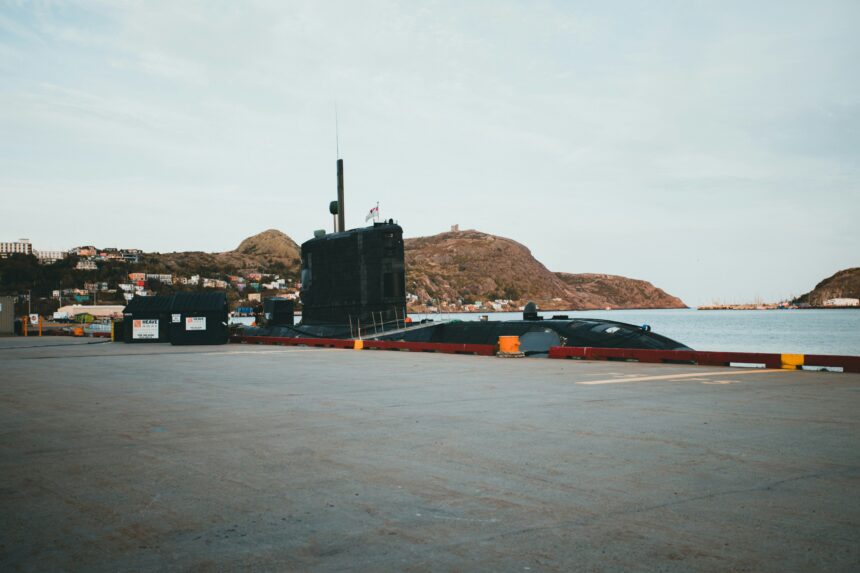
The frigid North Atlantic, a vast and unforgiving expanse, often served as the silent chessboard of the Cold War. In 1971, beneath its churning waves, a strategic move was unfolding, a testament to the escalating naval arms race and the ever-present tension between the United States and the Soviet Union. This was the year of the Soviet submarine’s significant Atlantic deployment, a calculated demonstration of power designed to project Soviet influence, gather crucial intelligence, and fundamentally alter the strategic calculus of the era. This deployment was far more than a routine patrol; it was a carefully orchestrated power play, a ripple in the geopolitical pond that sent tremors through the Western alliance.
The Silent Shadows: Soviet Submarine Capabilities in 1971
By 1971, the Soviet Union had achieved remarkable advancements in submarine technology and operational doctrine. The perceived technological gap that had existed in the immediate post-war years had significantly narrowed, and in some areas, the Soviets were even forging ahead. This transformation was driven by a relentless focus on naval power, viewing the submarine as a critical component of their global strategy. Their submarine force was not merely a defensive asset; it was increasingly designed for offensive operations and power projection, capable of challenging American naval dominance in international waters.
The Evolution of the Soviet Submarine Fleet
The Soviet submarine fleet had undergone a dramatic metamorphosis since its World War II origins. The early diesel-electric boats, while effective in their time, were gradually being supplanted by a new generation of technologically sophisticated vessels. The keystone of this modernization was the increasing integration of nuclear-powered submarines. These leviathans of the deep possessed unparalleled endurance and speed, allowing them to operate for extended periods without surfacing and to traverse vast distances with relative impunity. The development of both ballistic missile submarines (SSBNs) and attack submarines (SSNs) provided the Soviet Navy with a dual-threat capability, able to hold Western cities at risk and to interdict Allied shipping.
The introduction of the Project 671 “Yorsh” class (NATO reporting name: Victor I) SSNs marked a significant step forward. These submarines were designed for sophisticated anti-submarine warfare (ASW) operations, capable of hunting and destroying American submarines. They were equipped with advanced sonar systems and a formidable array of torpedoes. Concurrently, the SSBN fleet was rapidly expanding, with the deployment of the Project 667A “Navaga” class (NATO reporting name: Yankee I) submarines. These vessels carried ballistic missiles capable of reaching targets across North America, providing the Soviet Union with a credible nuclear deterrent and a significant lever in strategic negotiations. The sheer number of submarines, combined with their improving technological capabilities, meant that the Soviet Navy was no longer a regional force but a global contender.
Operational Doctrine: The Art of the Deep
Soviet submarine doctrine in the early 1970s was shaped by a combination of defensive imperatives and offensive ambitions. While the defense of Soviet coastlines and the disruption of NATO’s sea lanes remained central, there was a growing emphasis on operating far from Soviet shores. This shift was a direct response to the perceived threat of American carrier battle groups and the vulnerability of Soviet naval bases. The doctrine encouraged aggressive patrols, seeking out enemy vessels, and operating in the “red zones” – areas of high strategic importance to NATO.
Furthermore, the Soviets placed a premium on intelligence gathering. Submarine deployments were often timed to coincide with major NATO exercises, allowing them to observe and record the capabilities and tactics of their adversaries. They sought to map sonar signatures, understand communication patterns, and identify the locations of critical naval assets. This information was invaluable for refining their own ASW capabilities and for planning potential future operations. The emphasis was on stealth, deception, and the ability to operate independently for extended periods, hallmarks of the submarine’s inherent strategic advantage.
In 1971, the deployment of Soviet nuclear submarines in the Atlantic marked a significant escalation in Cold War tensions, as these vessels were strategically positioned to counter NATO forces and assert Soviet naval power. For a deeper understanding of the geopolitical implications and military strategies involved during this period, you can explore a related article that discusses the broader context of Soviet naval operations and their impact on international relations. To read more, visit this article.
The Atlantic Arena: A Crucible of Confrontation

The North Atlantic, with its deep waters and strategic chokepoints, had always been a prime theater for naval confrontation during the Cold War. For the Soviet Union, deploying submarines into this region was a bold declaration of intent. It was a direct challenge to the established American naval hegemony and a signal that the Soviet Union was no longer content to be confined to its own territorial waters. This deployment was a strategic gamble, aimed at achieving multiple objectives simultaneously and demonstrating a newfound confidence in their maritime capabilities.
Projections of Power and Presence
The primary objective of the 1971 deployment was to project Soviet power and presence into the heart of NATO’s operational domain. By operating submarines off the coasts of North America and throughout the Atlantic, the Soviets were demonstrating their reach and their ability to threaten vital sea lanes and naval bases. This was a psychological as much as a military maneuver. It aimed to sow doubt and unease within NATO command structures, forcing them to dedicate significant resources to ASW operations and to constantly monitor the activities of Soviet submarines. The presence of Soviet submarines in close proximity to American shores was a constant reminder of the potential for escalation and the ever-present threat of nuclear war.
Intelligence Gathering and ASW Cat and Mouse
Beyond mere presence, the deployment served as a critical intelligence-gathering mission. Soviet submarines were tasked with trailing American naval vessels, particularly carrier strike groups and SSBN patrols. They sought to gather data on the latest ASW technologies, sonar capabilities, and tactical procedures employed by the US Navy. This was a continuous game of cat and mouse, a high-stakes dance where detection could mean destruction, but success provided invaluable tactical and strategic information. The vastness of the Atlantic provided both a sanctuary and a hunting ground, allowing Soviet submarines to operate in relative anonymity while seeking out their targets.
The data collected was vital for refining Soviet ASW tactics, improving their own submarine designs, and identifying vulnerabilities in NATO’s defense networks. The ability to track and potentially target Allied submarines was a crucial aspect of Soviet naval strategy, as it directly impacted the survivability of their own SSBN fleet and their ability to conduct offensive operations. The Atlantic deployment was a real-world laboratory for testing and refining these capabilities.
The US Response: Vigilance and Countermeasures
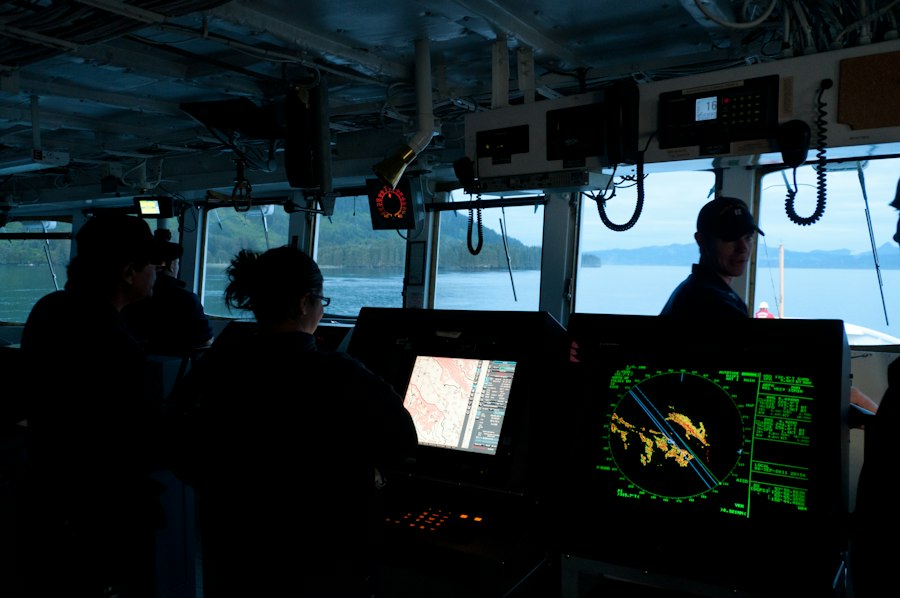
The United States Navy, at the forefront of the Western alliance’s defense, was acutely aware of the growing Soviet submarine threat. The 1971 Atlantic deployment, while not entirely unexpected, represented a significant intensification of this challenge. The US Navy’s response was multifaceted, encompassing enhanced surveillance, intensified ASW operations, and strategic adjustments to naval deployments. The stakes were incredibly high, as the security of global sea lanes and the integrity of the nuclear deterrent rested on the ability to counter this burgeoning Soviet maritime power.
The Watchful Eye: Surveillance and Detection
The American response began with an unprecedented level of vigilance. The US Navy, in coordination with its NATO allies, significantly increased its aerial and surface patrols over the North Atlantic. Long-range maritime patrol aircraft, such as the P-3 Orion, were constantly in the air, equipped with advanced sonar buoys and magnetic anomaly detectors, scanning the ocean depths for any sign of submerged Soviet vessels. Surface fleets were also redeployed, with ASW-focused destroyers and frigates forming dedicated hunter-killer groups. The goal was to create a persistent and pervasive surveillance net, making it increasingly difficult for Soviet submarines to operate undetected.
The intelligence community also played a crucial role. Signals intelligence (SIGINT) was employed to intercept Soviet communications, providing valuable insights into their operational plans and submarine movements. Hydrographic surveys were conducted to map the ocean floor and identify potential ambush points or hiding places. The continuous flow of information was essential for directing ASW assets and for maintaining a comprehensive picture of Soviet submarine activity.
The ASW Arsenal: Tools and Tactics
The US Navy deployed its considerable ASW arsenal to counter the Soviet threat. This included a range of specialized vessels and aircraft, each designed to detect, track, and neutralize submarines. The ASW cruiser, equipped with powerful sonar systems and sophisticated torpedoes, was a key component. Destroyers and frigates, while smaller, were also heavily armed and deployed in large numbers. The introduction of advanced sonar technologies, including towed arrays and variable depth sonar, significantly improved the ability to detect submarines operating at greater depths and in shallower waters.
The development of new torpedoes, such as the Mk 48, gave American submarines and surface ships a powerful offensive capability. The training of ASW crews was also intensified, focusing on the nuances of submarine detection and the tactics required to outmaneuver and engage an enemy submarine. The constant interaction between Soviet submarines attempting to remain hidden and American forces actively seeking them out created a dynamic and ever-evolving ASW landscape in the Atlantic.
Strategic Implications: A Shift in the Balance of Power
The 1971 Soviet submarine deployment in the Atlantic was far more than a simple naval exercise; it had profound strategic implications that rippled through the Cold War’s geopolitical landscape. It signaled a significant shift in the perceived balance of power, forcing NATO to re-evaluate its defense strategies and underlining the growing global reach of Soviet military might. The ability of the Soviet Union to project such a substantial submarine force into waters previously considered an American lake fundamentally altered the strategic calculus of the era.
The Erosion of Naval Superiority
For decades, the United States Navy had enjoyed undisputed naval superiority. The 1971 deployment challenged this long-held assumption. The sheer number and improving sophistication of Soviet submarines operating in the Atlantic demonstrated that the Soviets were no longer a second-tier naval power. They were capable of posing a credible threat to NATO’s vital sea lanes, which were crucial for the movement of troops, supplies, and strategic resources. The deployment forced the US to acknowledge that maintaining its dominance required constant vigilance and significant investment in ASW capabilities. The dream of unchallenged sea control was becoming increasingly elusive.
Nuclear Deterrence and Escalation Risks
The presence of Soviet SSBNs in the Atlantic also had direct implications for nuclear deterrence. The ability of these submarines to operate within striking distance of North America significantly increased the perceived risk of a pre-emptive nuclear strike. This added a new layer of complexity to the nuclear standoff, as both sides were now acutely aware of the potential for a devastating exchange initiated from beneath the waves. The deployment served as a stark reminder that the Cold War was not solely a conventional arms race but also a constant negotiation of nuclear risk. The specter of a full-scale nuclear war, initiated by a rogue submarine or a miscalculation, loomed larger than ever.
In 1971, the deployment of Soviet nuclear submarines in the Atlantic marked a significant escalation in Cold War tensions, as these submarines were capable of launching nuclear missiles and posed a direct threat to NATO forces. This strategic maneuvering is explored in greater detail in a related article that discusses the implications of such military actions on global security dynamics. For further insights, you can read more about this topic in the article available at In the War Room.
Legacy of the Silent Fleet: Echoes in Modern Naval Strategy
| Metric | Details |
|---|---|
| Year of Deployment | 1971 |
| Type of Submarine | Project 667A Navaga (Yankee-class) SSBN |
| Number of Submarines Deployed | Approximately 4-6 |
| Primary Mission | Strategic nuclear deterrence patrols in the Atlantic Ocean |
| Patrol Duration | Typically 60-90 days |
| Operational Area | North Atlantic, near US and NATO naval bases |
| Armament | 16 R-27 (SS-N-6) ballistic missiles |
| Significance | First extended Soviet SSBN patrols in the Atlantic, enhancing second-strike capability |
The 1971 Soviet submarine deployment in the Atlantic, though decades in the past, left an indelible mark on naval strategy and the broader understanding of maritime power projection. It served as a crucial learning experience for both sides, highlighting the evolving nature of naval warfare and the enduring importance of submarine capabilities in the calculus of global power. The lessons learned during this period continue to inform naval thinking and shape the strategies employed by modern navies in the 21st century.
The Enduring Importance of Submarine Warfare
The 1971 deployment underscored the fact that submarine warfare remained a critical element of military strategy. The ability to operate stealthily beneath the waves offered a unique advantage in terms of surprise, intelligence gathering, and offensive potential. The deployment demonstrated that even with advanced detection technologies, submarines remained a potent force, capable of inflicting significant damage and disrupting enemy operations. This realization spurred continued investment in submarine technology and ASW capabilities on both sides, a trend that continues to this day. Modern navies still grapple with the challenge of detecting and countering advanced submarines, a direct legacy of the competitive environment fostered during the Cold War.
A Prelude to Future Naval Contests
The 1971 Atlantic deployment can be viewed as a prelude to future naval contests and the ongoing evolution of maritime power projection. It was a clear signal that the Soviet Union intended to be a major player on the global seas, not just a regional force. This ambition, coupled with the strategic adjustments forced upon NATO, set the stage for continued naval competition and technological innovation. The ongoing development of submarine technologies, such as quiet propulsion systems and advanced sonar, is a direct continuation of the arms race that was so intensely felt in the Atlantic of 1971. The silent shadows of those Soviet submarines continue to cast a long and relevant echo in the strategic considerations of today’s naval powers, a testament to the enduring significance of their bold Atlantic gambit.
The Soviet Submarine That Broke a Speed Record—and Its Own Stealth
FAQs
What was the purpose of the Soviet nuclear submarine Atlantic deployment in 1971?
The purpose of the Soviet nuclear submarine Atlantic deployment in 1971 was to demonstrate the Soviet Union’s naval capabilities and assert its presence in the Atlantic Ocean.
How many Soviet nuclear submarines were deployed in the Atlantic in 1971?
During the Soviet nuclear submarine Atlantic deployment in 1971, a total of seven Soviet nuclear submarines were deployed in the Atlantic Ocean.
Were there any incidents or confrontations during the Soviet nuclear submarine Atlantic deployment in 1971?
Yes, there were several incidents and confrontations during the Soviet nuclear submarine Atlantic deployment in 1971, including encounters with NATO naval forces and surveillance by Western intelligence agencies.
What was the reaction of NATO countries to the Soviet nuclear submarine Atlantic deployment in 1971?
NATO countries closely monitored the Soviet nuclear submarine Atlantic deployment in 1971 and increased their own naval presence in response to the Soviet submarines operating in the Atlantic Ocean.
Did the Soviet nuclear submarine Atlantic deployment in 1971 have any long-term implications?
The Soviet nuclear submarine Atlantic deployment in 1971 heightened tensions between the Soviet Union and NATO countries, leading to increased military activities and surveillance in the Atlantic Ocean during the Cold War.