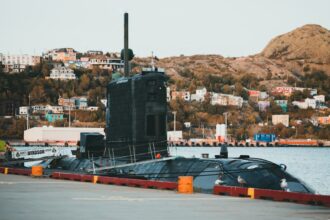
The silent service, a world of pressure, darkness, and the constant hum of machinery, relies on a delicate dance of stealth and detection. For any submarine, but particularly those designed for the high-stakes environment of the Cold War, the ability to ‘see’ underwater is paramount. Sonar, the electronic eyes and ears of a submersible, is the tool that makes this possible. However, for certain Soviet submarine classes, this vital sense was severely compromised at their operational peak – their top speed. This article delves into the technological limitations that rendered some of the Soviet Union’s most potent underwater weapons effectively blind when pushing their engines to the limit, exploring the implications for naval strategy and the inherent trade-offs in submarine design.
The Unseen Threat: Sonar’s Crucial Role
Sonar, an acronym for Sound Navigation and Ranging, operates by emitting sound waves and then interpreting the echoes that return after bouncing off objects in the water. This process allows submarines to detect other vessels, map the seabed, and navigate safely through complex underwater terrain. In the context of military submarines, sonar is not merely a navigational aid; it is a primary weapon system. The ability to detect an enemy before being detected is the cornerstone of submarine warfare. A submarine that can identify its target at a distance can launch its torpedoes or missiles with a higher probability of success, while remaining hidden itself. Conversely, a submarine that is detected is vulnerable. The pursuit of ever-greater speeds for submarines, driven by the desire for rapid deployment, evasive maneuvers, and the ability to outmaneuver threats, often presented a paradoxical challenge to the very technology that was meant to ensure its survival and offensive capability.
The Physics of Sound and Submarine Operation
Understanding why Soviet submarines faced this specific limitation requires a brief excursion into the physics of sound propagation in water and the operational realities of a submerged vessel. Sound travels much faster and further in water than in air, making it the ideal medium for underwater detection. However, the ocean is not a uniform medium. Temperature gradients, salinity variations, and pressure all affect the speed and direction of sound waves, creating phenomena like the Sound Fixing and Ranging (SOFAR) channel, a natural waveguide that can carry sound for thousands of miles.
A submarine’s sonar system comprises both passive and active components. Passive sonar listens for sounds generated by other vessels, such as engine noise, propeller cavitation, and hydroacoustic signatures. This is the preferred method for stealthy operations, as it reveals nothing about the submarine’s presence. Active sonar, on the other hand, emits a powerful “ping” and listens for the returning echo. While it offers greater certainty in detection and ranging, it also betrays the submarine’s location to any enemy equipped with passive sonar.
The internal workings of a submarine also play a role. The massive engines and propulsion systems required to achieve high speeds generate significant internal noise. This noise, a byproduct of cavitation (the formation and collapse of vapor bubbles around spinning propellers) and machinery vibration, can mask the faint echoes of returning sonar signals or even overwhelm the sensitive receivers of the sonar equipment. Furthermore, the water flowing over the hull at high speeds creates its own acoustic signature, known as hydrodynamic noise, which can also interfere with sonar performance.
The Cold War Arms Race and Design Imperatives
The Cold War was characterized by an intense technological arms race between the United States and the Soviet Union, particularly in the realm of naval power. Submarines were a critical component of this competition, offering the potential for strategic deterrence, power projection, and intelligence gathering. Both nations poured vast resources into developing increasingly sophisticated submarines. For the Soviet Union, a primary objective was to counter the formidable naval power of the United States, including its carrier strike groups and its own submarine fleet.
The emphasis on speed for Soviet submarines was driven by several factors. Rapid deployment to distant patrol areas was essential for maintaining a strategic presence and responding to perceived threats. The ability to quickly evade anti-submarine warfare (ASW) forces, particularly the sophisticated sonar systems of NATO vessels, was also a significant concern. Some Soviet designers believed that overwhelming speed was a viable countermeasure to detection, allowing a submarine to outrun any pursuer once its position was compromised. This philosophy led to the development of submarine classes designed for exceptional speed, often at the expense of other capabilities. The pursuit of this high-speed doctrine created a fundamental tension with the need for effective sonar operation, a tension that would manifest in significant design compromises.
In exploring the vulnerabilities of Soviet submarines, an intriguing article discusses how these vessels became sonar blind when operating at top speed, significantly impacting their stealth capabilities. This phenomenon not only affected their operational effectiveness but also raised concerns during the Cold War regarding underwater warfare strategies. For a deeper understanding of this topic, you can read more in the article available at In the War Room.
The Paradox of Speed: Sonar Degradation at High Velocity

The core of the problem lay in the inherent conflict between achieving high speeds and maintaining optimal sonar performance. Pushing a submarine’s engines to their maximum output generated a cascade of acoustic disturbances that overwhelmed the delicate sensors responsible for detecting faint underwater sounds. This wasn’t a minor inconvenience; at top speed, the sonar systems of some Soviet submarines were rendered practically useless, leaving them vulnerable and blind in the very environment they were designed to dominate.
Hydrodynamic Noise: The Hull’s Own Scream
One of the most significant contributors to sonar degradation at high speeds was hydrodynamic noise. As a submarine moves through the water, the water flows over its hull, generating turbulence and pressure fluctuations. This turbulence creates a pervasive acoustic noise that increases dramatically with speed. At lower speeds, this noise is manageable, allowing sonar to pick out the fainter sounds of distant targets. However, as the submarine accelerates, the hydrodynamic noise can become so intense that it completely drowns out any incoming sonar echoes, effectively creating an acoustic “wall” that prevents the sonar from functioning.
The shape of the hull, the design of the propeller, and the condition of the outer hull surface all influence the level of hydrodynamic noise. Soviet submarines, particularly those designed for high speed, often featured streamlined, hull forms optimized for velocity. However, even the most advanced hull designs could not entirely eliminate this phenomenon. The faster the submarine moved, the louder its own hull screamed, making it impossible to hear anything else. This meant that at the very moments when a submarine might need to be most aware of its surroundings – during a high-speed escape or a rapid repositioning – its primary means of detection was severely hampered.
Propeller Cavitation: The Roar of the Blades
Another major culprit was propeller cavitation. Submarine propellers are designed to generate thrust by accelerating a large volume of water. At high rotational speeds, the pressure on the suction side of the propeller blades can drop below the vapor pressure of the water. This causes tiny bubbles of water vapor to form. As these bubbles collapse under higher pressure further down the blade, they create intense shockwaves that generate a distinctive acoustic signature – the “roar” of cavitation.
This cavitation noise is not only loud but also broadband, meaning it covers a wide range of frequencies, making it difficult to filter out. For submarines, propeller cavitation becomes a significant issue as their engines work harder to achieve higher speeds, leading to faster propeller rotation. The more aggressive the cavitation, the more it contaminates the acoustic environment, obscuring any signals the sonar might be trying to detect. Soviet submarines, built with powerful engines to achieve impressive speeds, often pushed their propeller designs to the limit, exacerbating the cavitation problem. The distinct acoustic signature of their high-speed propellers became a tell-tale sign of their presence to any attentive listener, further compromising their stealth.
Internal Machinery Noise: The Submarine’s Heartbeat
Beyond the noise generated by the interaction of the submarine with the water, the internal machinery itself contributes significantly to the acoustic signature. The powerful engines, generators, pumps, and cooling systems all produce their own vibrations and acoustic emissions. While submarine designers strive to isolate and dampen this internal noise, it is never entirely eliminated. At higher speeds, these systems often operate at greater power, leading to increased vibration and noise levels. This internal clamor can create a “curtain” of sound that prevents the sonar from effectively processing external sounds.
The challenge for sonar operators is to distinguish between the subtle echoes of external targets and the overwhelming din of their own vessel. At high speeds, the signal-to-noise ratio deteriorates dramatically. The desired signals become so weak relative to the internal noise that they are effectively lost. This internal noise also affects the performance of active sonar. The transmitted “ping” itself can be masked by internal noise, and the returning echoes, already faint, are further attenuated by the internal acoustic “fog.”
Design Trade-offs and Strategic Implications
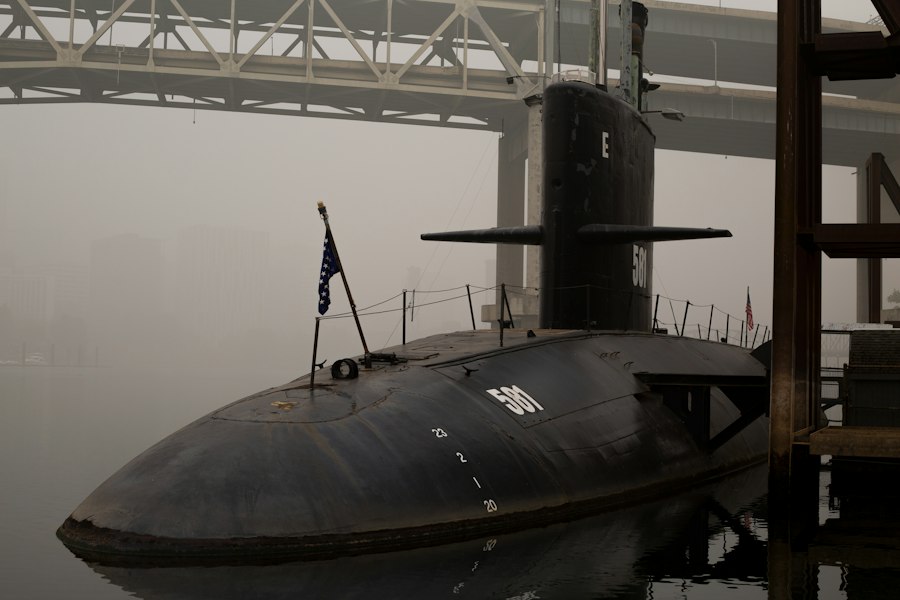
The decision to prioritize high speed in certain Soviet submarine classes, despite the significant sonar limitations it imposed, was a direct consequence of the strategic imperatives and design philosophies of the era. This was not a flaw in engineering in the sense of something being poorly constructed, but rather a deliberate compromise to achieve a specific set of performance characteristics. The implications of this trade-off were far-reaching, impacting operational doctrine, tactical deployments, and the overall effectiveness of these vessels in combat.
The “Dash and Escape” Doctrine
The focus on high speed suggests a strategic doctrine that emphasized rapid deployment and the ability to quickly escape detection or pursuit. For Soviet submarines operating in vast oceans, often far from friendly bases, the ability to outrun an ASW screen or evade a hunter-killer submarine was seen as a crucial survival mechanism. This “dash and escape” philosophy meant that if a submarine was detected, its primary recourse was not to fight from concealment but to accelerate to maximum speed and attempt to break contact.
However, this doctrine created a critical vulnerability. If a submarine was detected while at high speed, its sonar would be effectively blind, making it difficult to assess the threat, adjust course to avoid torpedoes, or even identify the direction of pursuers. This paradox meant that the very speed intended for evasion could, in fact, lead to greater vulnerability if the element of surprise was lost. The operational environment dictated that submarines often had to operate at high speeds for extended periods, not just for brief bursts, further amplifying the sonar blind spot.
The “Stealth vs. Speed” Dilemma
The fundamental challenge for submarine designers has always been the inherent tension between stealth and speed. Stealth requires minimizing acoustic emissions, which is best achieved at low speeds and with careful management of machinery noise. High speed, as discussed, inherently generates significant acoustic noise. Soviet designers faced this dilemma head-on. For some classes, the decision was made to prioritize speed, accepting the trade-off in sonar capability. This might have been based on an assessment of the expected operational scenarios. For example, if the primary mission was to transit quickly to a patrol area or to deliver a strike and then disengage, the limited sonar capability at top speed might have been deemed an acceptable risk.
Conversely, other submarine classes, particularly those designed for prolonged covert operations and intelligence gathering, would have prioritized quieter operation and thus relied more on passive sonar at lower speeds. The diversity of Soviet submarine classes reflects this complex interplay of strategic objectives and technological capabilities. The different designs represent different answers to the enduring question of how best to achieve dominance in the underwater realm, with speed and stealth often being competing, rather than complementary, characteristics.
Impact on Anti-Submarine Warfare (ASW)
The sonar blindness at high speeds had a profound impact on how Soviet submarines interacted with ASW forces. For NATO, understanding this limitation became a key element in their ASW tactics. If a Soviet submarine known to have high-speed capabilities was suspected to be in an area, ASW forces might employ tactics designed to force it to accelerate, thereby compromising its detection capabilities. This could involve using decoys, creating acoustic disturbances, or even employing active sonar in a way that encouraged evasion.
Conversely, Soviet submariners operating these high-speed boats would have to be acutely aware of their sonar’s limitations. They might rely more heavily on intelligence from other sources, such as satellite reconnaissance or aerial surveillance, to identify potential threats before entering ASW kill zones. Their tactical approach might involve operating at lower speeds for extended periods, only resorting to high speed when absolutely necessary for transit or evasion, and accepting the temporary loss of sonar awareness. This reliance on anticipation and prior intelligence, rather than real-time detection at high speeds, would have been a critical aspect of their operational planning.
Technological Limitations and Design Choices
The specific engineering challenges that led to the sonar blindness in high-speed Soviet submarines were multifaceted, rooted in the materials, construction techniques, and acoustic understanding of the time. While modern submarines have made significant strides in mitigating these issues, the historical context reveals the acute difficulties faced by Soviet engineers.
Hull Design and Hydrodynamic Efficiency
The pursuit of speed necessitated highly streamlined hull designs. This often meant less internal volume and a greater emphasis on minimizing drag. However, this streamlining could also impact the placement and effectiveness of sonar arrays. Hydrophones, the individual sensors within a sonar array, need to be exposed to the water to receive acoustic signals. Placing them in areas of extreme turbulence or pressure fluctuations, often at the leading edges of a high-speed hull, could degrade their performance.
Furthermore, the materials used for hull construction, while robust, could also contribute to acoustic transmission. Even subtle vibrations from the hull could radiate internally, further obscuring delicate sonar signals. The challenge was to create a hull that could withstand the immense pressures of the deep ocean and achieve high speeds, while simultaneously providing a stable and acoustically transparent platform for sensitive sonar equipment. Soviet designers often opted for thicker, more robust hulls, which, while adding strength, could also act as a barrier to faint acoustic signals.
Propeller Technology and Cavitation Control
The design of submarine propellers is a highly specialized field. Achieving high thrust at high speeds without excessive cavitation is a delicate balancing act. Soviet engineers developed powerful engines and advanced propeller designs, but the fundamental physics of cavitation remained a significant hurdle. Techniques to mitigate cavitation, such as specific blade geometries, variable pitch propellers, or the use of specialized coatings, were areas of ongoing research and development.
However, the sheer power of the engines in these high-speed submarines often pushed even advanced propeller designs to their limits. The trade-off was stark: more power meant more speed, but also more cavitation. The development of quieter propeller technologies, which are now a hallmark of modern stealth submarines, was not as advanced or as prioritized in the Soviet Union for their high-speed classes. The characteristic “screw” noise of their propellers became a familiar sound for NATO ASW forces, a testament to the limitations of their cavitation control at maximum thrust.
Sonar Array Placement and Shielding
The placement of sonar arrays on a submarine’s hull is critical for optimal performance. Different arrays are designed to listen in different directions and at different frequencies. However, at high speeds, the entire hull becomes a source of noise. Placing hydrophones in areas that experienced less hydrodynamic turbulence or internal vibration was a constant challenge.
Moreover, the need to shield sensitive sonar components from internal machinery noise was paramount. This involved the use of specialized acoustic insulation materials and careful routing of internal conduits and cabling. However, the sheer volume of powerful machinery required for high-speed operation meant that achieving complete acoustic isolation was exceptionally difficult. The internal noise created a pervasive “acoustic fog” that could render the sonar blind, particularly when the submarine was operating at its speed limit. This challenge was exacerbated by the limited space available within the hull, especially in streamlined designs focused on speed.
The challenges faced by Soviet submarines in maintaining effective sonar capabilities at high speeds are intriguing, particularly when considering the implications for naval strategy during the Cold War. A related article explores these issues in depth, shedding light on the technological limitations that affected underwater warfare. For a more comprehensive understanding of this topic, you can read the full article here.
Modern Countermeasures and Evolving Naval Warfare
| Parameter | Value | Unit | Notes |
|---|---|---|---|
| Submarine Class | Typhoon (Project 941) | – | Example of Soviet ballistic missile submarine |
| Maximum Speed | 27 | knots | Top submerged speed |
| Sonar Effectiveness at Top Speed | Significantly Reduced | – | Sonar becomes “blind” due to noise and flow interference |
| Primary Cause of Sonar Blindness | Flow Noise and Cavitation | – | Hydrodynamic noise masks sonar signals |
| Operational Speed for Effective Sonar | 5-10 | knots | Typical speed range for sonar detection |
| Sonar Type | Passive and Active Hull-Mounted | – | Common Soviet submarine sonar configuration |
| Sonar Detection Range at Low Speed | Up to 20 | nautical miles | Depends on conditions and target noise |
| Sonar Detection Range at Top Speed | Less than 1 | nautical miles | Due to noise interference |
The limitations observed in Soviet submarines of the Cold War era have spurred significant advancements in submarine sonar technology and naval warfare strategies. While the specific issue of complete sonar blindness at top speed might be less prevalent in modern designs, the underlying principles of acoustic noise management and detection continue to drive innovation. The lessons learned from the Cold War have shaped the development of quieter submarines and more sophisticated ASW capabilities.
Advances in Sonar Technology
Modern sonar systems are far more sophisticated than their Cold War predecessors. Advances in digital signal processing, computational power, and transducer technology have enabled sonar systems to filter out a much wider range of noise, both internal and external. Techniques such as adaptive beamforming, which can dynamically adjust the sonar array’s sensitivity to focus on specific directions and frequencies, have greatly improved the ability to detect faint signals in noisy environments.
Furthermore, the development of synthetic aperture sonar (SAS) allows for significantly higher resolution imagery of the seabed and submerged objects, even in challenging conditions. The integration of multiple sonar types, including passive, active, and towed arrays, provides a more comprehensive picture of the underwater environment. These technological leaps have significantly reduced the “blind spots” that plagued earlier submarines, even at higher speeds.
Quieter Submarine Design
The drive for stealth has led to a paradigm shift in submarine design. Modern submarines are engineered to be exceptionally quiet, with a focus on minimizing all sources of acoustic emission. This includes the development of advanced propeller designs that produce minimal cavitation, quieter machinery and propulsion systems, and highly effective acoustic insulation. The use of anechoic coatings on the hull, which absorb sonar signals rather than reflecting them, further enhances stealth.
The hull shapes themselves are often optimized for low-speed, low-noise operation, with less emphasis on extreme speed as a primary evasion tactic. Instead, modern submarines rely on a combination of stealth, maneuverability, and the ability to effectively employ their sonar at all operational speeds. The emphasis has shifted from “outrunning” detection to “avoiding” detection altogether.
Evolving ASW and Submarine Tactics
The evolution of submarine technology has, in turn, driven advancements in ASW. The ability of modern submarines to operate more quietly has forced ASW forces to develop more sensitive detection systems and more sophisticated tactics. This includes the increased use of airborne ASW platforms, such as helicopters and maritime patrol aircraft, which can deploy sonobuoys over vast areas.
The strategic implications of the sonar blindness at high speeds also highlight the enduring importance of tactical awareness. Even with advanced technology, the human element remains crucial. Submariner training now emphasizes a deep understanding of acoustic physics, environmental conditions, and the capabilities and limitations of their own and their adversary’s sonar systems. The cat-and-mouse game of submarine warfare continues, with each side constantly adapting to the technological advancements of the other, a testament to the complex and enduring challenges of operating in the silent, unseen world beneath the waves.
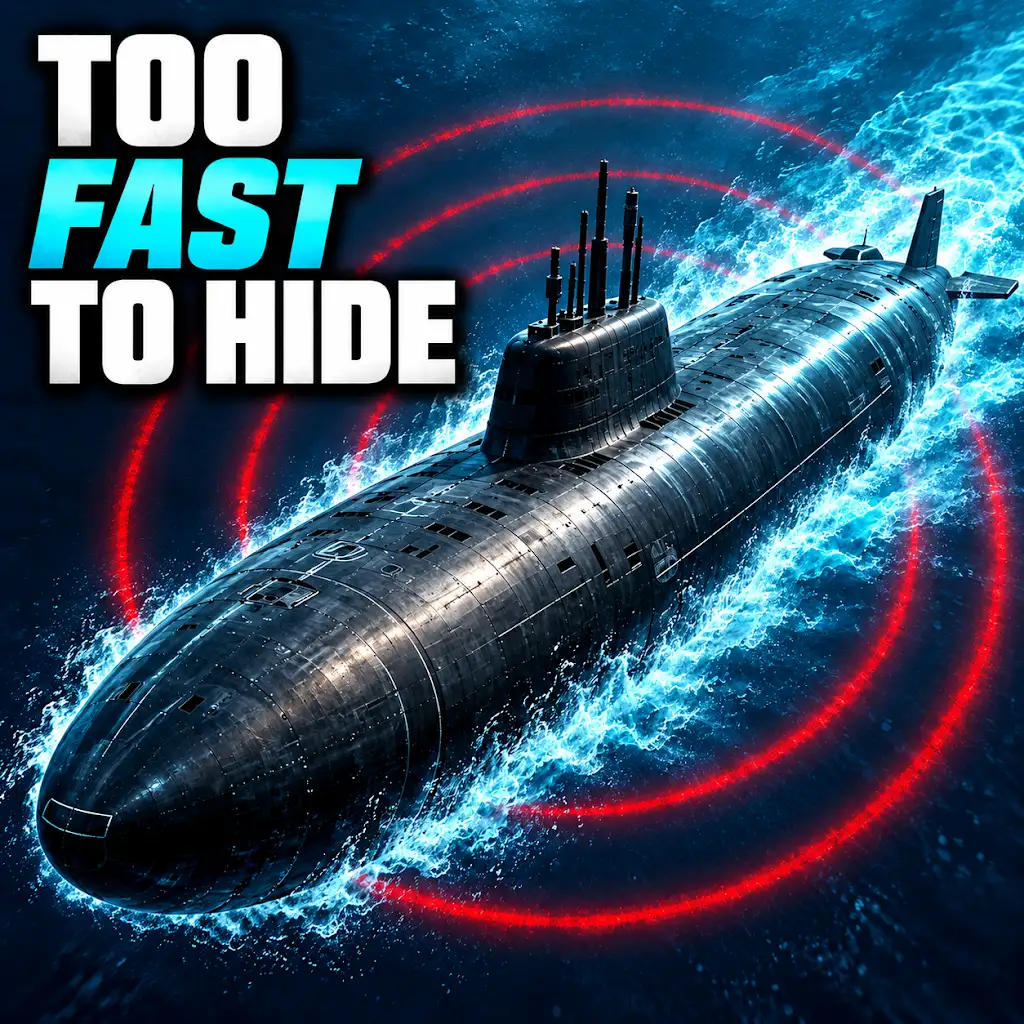
The Soviet Submarine That Broke a Speed Record—and Its Own Stealth
FAQs
What is the article about?
The article discusses how Soviet submarines experienced a blind spot in their sonar systems when traveling at top speeds.
Why did Soviet submarines have a blind spot in their sonar systems?
Soviet submarines had a blind spot in their sonar systems due to the Doppler effect, which caused the sonar signals to be distorted at high speeds.
How did the blind spot affect the Soviet submarines?
The blind spot in the sonar systems of Soviet submarines made it difficult for them to detect and track enemy vessels accurately when traveling at top speeds.
Was the issue with the sonar systems of Soviet submarines resolved?
The issue with the sonar systems of Soviet submarines was eventually resolved by implementing new technologies and techniques to compensate for the blind spot at high speeds.
What lessons can be learned from the blind spot in Soviet submarine sonar systems?
The blind spot in Soviet submarine sonar systems highlights the importance of continuously improving and testing technologies to ensure optimal performance in critical situations.