Modern defense technology represents a rapid and continuous evolution in the way nations protect themselves and project power. It encompasses a vast array of sophisticated systems, from the micro-scale of advanced sensors to the macro-scale of orbital platforms. The driving forces behind this relentless innovation are the ever-changing geopolitical landscape, the pursuit of strategic advantage, and the imperative to minimize human casualties through increasingly autonomous and precise capabilities. These advancements are not merely about fielding more potent weaponry; they are about intelligence gathering, rapid response, cyber resilience, and the ability to operate effectively in increasingly complex and contested environments. Understanding this transformative field requires delving into its key areas, appreciating the underlying principles, and recognizing the profound implications for global security.
The conceptualization of warfare has undergone a seismic shift. Gone are the days when conflicts were solely characterized by overt, large-scale kinetic engagements between nation-states. Today’s battlefield is a multi-dimensional, interconnected space, often characterized by hybrid threats. These threats blend conventional military operations with irregular warfare tactics, economic coercion, disinformation campaigns, and cyberattacks. This complexity necessitates a defense technological approach that is equally adaptable and multifaceted.
The Rise of Unmanned Systems
One of the most significant developments in modern defense technology is the proliferation of unmanned systems. These platforms, operating without a human pilot or operator onboard, offer a range of advantages, from reduced risk to personnel to enhanced persistence and operational flexibility.
Unmanned Aerial Vehicles (UAVs)
UAVs, often referred to as drones, have transitioned from niche reconnaissance tools to ubiquitous assets across the spectrum of military operations. Their applications range from intelligence, surveillance, and reconnaissance (ISR) missions, providing real-time battlefield awareness, to precision strike capabilities. The development of miniaturized sensors and advanced navigation systems allows even small, tactical drones to gather critical data. Furthermore, the integration of artificial intelligence (AI) is enabling autonomous target recognition and engagement, reducing operator workload and reaction times. The evolution of UAV technology includes the development of swarming capabilities, where multiple drones coordinate their actions to achieve a common objective, overwhelming defenses or executing complex tactical maneuvers. The ongoing research also focuses on enabling longer endurance, higher payload capacities, and greater stealth for these aerial platforms.
Unmanned Ground Vehicles (UGVs)
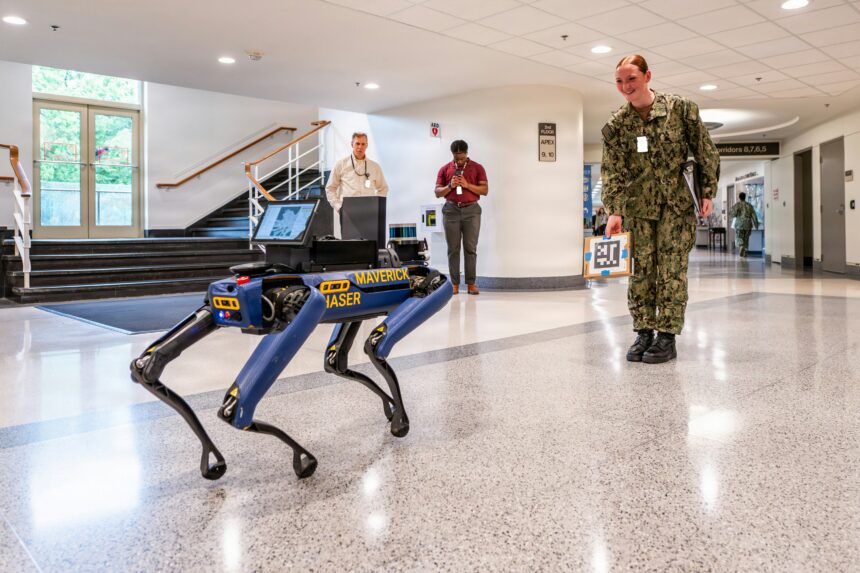
While less visible than their aerial counterparts, UGVs are increasingly important for tasks that are too dangerous or repetitive for human soldiers. These include mine clearance, reconnaissance in hazardous environments, logistics support, and even combat roles in certain scenarios. Advanced UGVs are being equipped with sophisticated sensor suites, including lidar and radar, to navigate complex terrain autonomously. Their ability to operate in contaminated zones or under direct fire significantly enhances force protection. Research is also exploring the integration of UGVs with human soldiers, creating collaborative teams where robots perform dangerous tasks while humans provide strategic oversight and decision-making.
Unmanned Maritime Vehicles (UMVs)
UMVs, encompassing both surface and subsurface designs, are revolutionizing naval operations. Unmanned surface vessels (USVs) can be deployed for surveillance, mine countermeasures, and patrol missions, extending a navy’s reach without risking human lives. Unmanned underwater vehicles (UUVs) are invaluable for deep-sea reconnaissance, anti-submarine warfare, and mine hunting. Their stealth capabilities make them particularly effective for clandestine operations. The development of autonomous navigation and data processing allows UMVs to operate for extended periods and in challenging oceanic conditions, gathering vital intelligence and maintaining a constant presence.
Advanced Sensor Technologies
The effectiveness of any defense system hinges on its ability to perceive and understand its environment. Modern defense technology relies on increasingly sophisticated sensor systems that can detect, identify, and track targets with unprecedented accuracy and in a wide range of conditions.
Electro-Optical and Infrared (EO/IR) Sensors
EO/IR sensors capture electromagnetic radiation across visible light and infrared spectrums. This allows for detection of heat signatures emitted by objects, making them effective for identifying targets at night or through obscurants like smoke and fog. Advances in sensor resolution, spectral analysis, and signal processing have significantly improved target identification and classification capabilities. The integration of AI with EO/IR systems enables automated detection and tracking of potential threats, freeing up human operators for higher-level decision-making. This technology is crucial for everything from missile guidance to intelligence gathering.
Radar Systems
Radar systems utilize radio waves to detect objects and determine their range, altitude, direction, and speed. Modern radar technology has become increasingly agile and sophisticated, employing techniques like phased arrays and synthetic aperture radar (SAR) to provide high-resolution imagery and track multiple targets simultaneously. The development of low-probability-of-intercept (LPI) radar techniques aims to make these systems harder for adversaries to detect. Advanced radar is critical for air and missile defense, ground surveillance, and maritime situational awareness, providing an indispensable layer of battlefield perception.
Cyber and Electronic Warfare (EW) Sensors
In the modern battlespace, information is as crucial as firepower. Cyber and EW sensors are designed to detect and analyze signals in the electromagnetic spectrum, identify cyber intrusions, and assess the electronic environment. This includes the ability to detect enemy radar emissions, communication signals, and exploitable network vulnerabilities. Advanced EW systems can not only detect but also disrupt or deceive enemy electronic systems, shaping the electromagnetic battlefield to one’s advantage. The increasing reliance on digital networks makes these sensors paramount for maintaining operational integrity and preventing enemy intelligence gathering.
For those interested in a deeper understanding of modern defense technology, a related article can be found at In the War Room. This resource provides insightful analyses and discussions on the latest advancements in military technology, including innovations in cybersecurity, unmanned systems, and advanced weaponry. Exploring these topics can enhance your comprehension of how contemporary defense strategies are evolving in response to emerging threats.
The Revolution of Lethal Autonomous Weapons Systems (LAWS)
The development of Lethal Autonomous Weapons Systems (LAWS) represents one of the most controversial and ethically complex advancements in modern defense technology. These systems have the capability to select and engage targets without direct human intervention. While proponents argue for their potential to reduce collateral damage and protect soldiers, concerns surrounding accountability, ethical decision-making, and the potential for escalation remain significant.
Artificial Intelligence and Machine Learning in Defense
AI and machine learning are the foundational technologies underpinning many of the advancements in modern defense. Their ability to process vast amounts of data, identify patterns, learn from experience, and make decisions is transforming every aspect of military operations.
AI for Target Recognition and Tracking
AI algorithms are enabling systems to analyze sensor data and automatically identify and track potential threats. This dramatically reduces the cognitive load on human operators and allows for faster reaction times. Machine learning models can be trained on massive datasets of images and sensor readings to recognize specific types of vehicles, aircraft, or even individuals, improving accuracy and reducing the likelihood of misidentification. The development of predictive analytics through AI can also anticipate enemy movements or intentions.
AI for Mission Planning and Execution
AI is also being employed to optimize mission planning and execution. Complex logistical challenges, route optimization, and resource allocation can be handled more efficiently by AI systems. In the context of autonomous systems, AI dictates mission parameters and adapts to changing circumstances in real-time, ensuring objectives are met with optimal efficiency. This extends to sophisticated simulations for training and wargaming, allowing for the testing of various strategic scenarios.
AI for Cybersecurity and Threat Detection
In the cyber domain, AI plays a critical role in defending against sophisticated attacks. AI-powered systems can monitor networks for anomalous behavior, identify nascent threats before they become widespread, and even automate responses to cyber intrusions. Machine learning models can learn the patterns of normal network traffic and flag deviations that might indicate a malicious actor. This proactive approach is essential in a landscape where cyber threats are constantly evolving.
Next-Generation Weapons Systems: Precision, Speed, and Survivability
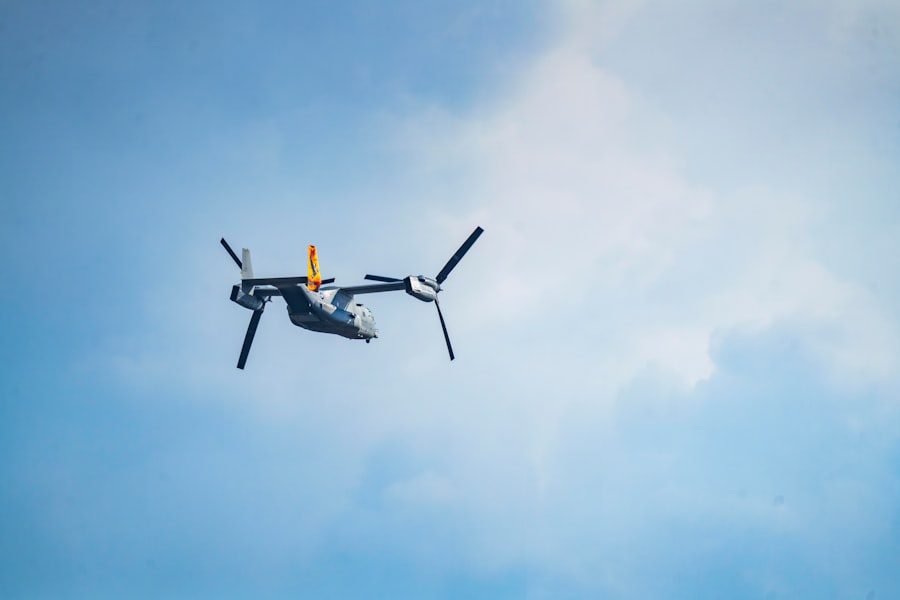
Modern defense technology is characterized by a relentless pursuit of enhanced lethality, accuracy, and survivability for its weapon systems. This involves pushing the boundaries of physics and engineering to create tools that can engage targets more effectively and with reduced risk to friendly forces.
Hypersonic Weapons
Hypersonic weapons, traveling at speeds exceeding Mach 5, represent a significant leap in offensive capabilities. Their extreme speed makes them exceptionally difficult to detect, track, and intercept using existing missile defense systems.
Hypersonic Missiles
These missiles can be launched from aircraft, ships, or ground-based platforms and deliver conventional or nuclear payloads. Their trajectory can be controlled, allowing for complex maneuvers that further complicate interception. The development of hypersonic glide vehicles (HGVs), which are boosted to high altitudes and then glide back towards their target at hypersonic speeds, is a particular area of focus. The primary advantage of hypersonic weapons lies in their reduced flight time, which significantly shortens the reaction window for adversaries.
Hypersonic Propulsion Systems
The development of robust and reliable propulsion systems is crucial for achieving sustained hypersonic flight. This includes advancements in scramjet (supersonic combustion ramjet) technology, which allows for efficient engine operation at extremely high speeds. Research is also ongoing into alternative propulsion methods and materials that can withstand the intense heat generated by hypersonic travel.
Directed Energy Weapons (DEWs)
DEWs harness concentrated beams of energy to disable or destroy targets. They offer the potential for precise engagements with near-instantaneous effect and a virtually unlimited magazine depth, as their “ammunition” is electrical power.
High-Energy Lasers (HELs)
HELs use focused laser beams to damage or destroy targets. They are particularly effective against drones, small boats, and missiles. The development of HELs has overcome significant challenges related to power generation, beam control, and atmospheric distortion, allowing for their deployment on various platforms. Their ability to engage multiple targets sequentially and with minimal collateral effects makes them a valuable asset for defense.
High-Power Microwaves (HPMs)
HPM weapons emit intense bursts of microwave radiation that can disrupt or disable electronic systems. They are effective against electronic warfare systems, communication networks, and even guidance systems of missiles and aircraft. The selective targeting of electronic components offers a non-lethal or less-than-lethal option for disabling enemy capabilities.
Advanced Ballistic Missile Defense (BMD)
As the threat of ballistic missile proliferation grows, so too does the sophistication of defensive systems designed to counter them. Modern BMD systems are multi-layered and incorporate cutting-edge interceptor technologies and advanced tracking capabilities.
Interceptor Missiles
These are the “shooters” of BMD systems, designed to intercept incoming ballistic missiles in various phases of their flight. Modern interceptors are highly agile, capable of precise maneuvers, and employ sophisticated seekers to lock onto targets. The development of both exo-atmospheric (outside the Earth’s atmosphere) and endo-atmospheric (within the Earth’s atmosphere) interceptors allows for a layered defense.
Advanced Radar and Tracking Systems
The effectiveness of BMD relies heavily on early detection and precise tracking of ballistic missiles. This is achieved through networks of powerful radar systems, including phased array radars, and space-based sensors. These systems provide the data necessary for the command and control of interceptor missiles, ensuring optimal engagement opportunities.
The Cyber Domain: The New Frontier of Warfare

The digital realm has become an indispensable theater of operations. Cyber warfare encompasses activities such as cyber espionage, sabotage, disruption of critical infrastructure, and the manipulation of information. Modern defense technology is increasingly focused on both offensive and defensive capabilities within this complex domain.
Offensive Cyber Operations
Offensive cyber operations aim to exploit vulnerabilities in enemy networks and systems to achieve military objectives. This can involve disabling critical infrastructure, stealing sensitive information, or disrupting communications.
Network Exploitation and Infiltration
This involves developing and employing tools and techniques to gain unauthorized access to enemy computer systems. This can range from exploiting software vulnerabilities to sophisticated social engineering tactics. Once inside, adversaries can map the network, exfiltrate data, or prepare for future disruptive actions.
Malware and Advanced Persistent Threats (APTs)
Malware, including viruses, worms, and Trojans, can be used to disrupt operations or steal data. APTs are particularly sophisticated and sustained cyberattacks, often state-sponsored, that aim to maintain covert access to a target network over extended periods for espionage or sabotage. The development of novel malware and obfuscation techniques is a key aspect of offensive cyber capabilities.
Defensive Cyber Operations
Defensive cyber operations are paramount for protecting a nation’s own critical information infrastructure and military networks from attack. This involves a multi-layered approach to cybersecurity.
Network Defense and Intrusion Detection Systems (IDS)
This includes the implementation of robust firewalls, intrusion detection and prevention systems, and access control measures to safeguard networks. AI-powered IDS can analyze network traffic for anomalies and identify potential threats in real-time. Regular security audits and vulnerability assessments are also crucial components.
Information Warfare and Disinformation Countermeasures
Information warfare encompasses the strategic use of information to influence the perceptions and behaviors of adversaries, as well as friendly forces and civilian populations. Modern defense strategies include developing capabilities to counter enemy disinformation campaigns, identify and debunk false narratives, and promote accurate information. This is a critical aspect of maintaining public trust and preventing the erosion of support for military operations.
In exploring the advancements in modern defense technology, one can gain deeper insights by reading a related article that delves into the implications of these innovations on global security. The article provides a comprehensive overview of how emerging technologies are reshaping military strategies and operations. For a more detailed examination, you can check out this informative piece on defense technology. Understanding these developments is crucial for grasping the future landscape of warfare and defense systems.
Space-Based Supremacy: The Ultimate High Ground
| Technology | Explanation |
|---|---|
| Stealth Technology | Reduces visibility to radar, infrared, and other detection methods |
| Unmanned Aerial Vehicles (UAVs) | Remote-controlled aircraft used for surveillance and combat |
| Cybersecurity | Protects networks, systems, and data from cyber attacks |
| Directed Energy Weapons | Uses concentrated energy to disable or destroy targets |
Outer space has emerged as a critical domain for modern defense, offering unparalleled capabilities for communication, navigation, intelligence gathering, and early warning. Maintaining superiority in space is increasingly seen as a prerequisite for success in terrestrial conflicts.
Satellite Technology for Defense
Satellinks and other satellite-based systems are indispensable for modern military operations, providing a global reach and enabling a wide range of functions.
Communication Satellites
These provide secure and reliable communication channels for military forces operating anywhere on the globe. They enable real-time command and control, data transfer, and voice communication, even in remote or contested environments. The development of resilient and jam-resistant satellite communication links is a key priority.
Navigation and Timing Satellites (e.g., GPS)
Global navigation satellite systems (GNSS) are fundamental for precision targeting, logistics, and troop movement. Their ability to provide accurate location and timing information underpins a wide array of military applications, from guiding missiles to coordinating troop formations.
Intelligence, Surveillance, and Reconnaissance (ISR) Satellites
These satellites, equipped with advanced sensors, provide continuous, global surveillance capabilities. They can monitor enemy activities, track troop movements, and gather intelligence on potential threats from an vantage point impossible to achieve from the ground. The combination of optical, radar, and signals intelligence from space offers a comprehensive picture of the operational environment.
Space Situational Awareness (SSA) and Space Domain Awareness (SDA)
Ensuring the safety and security of space assets requires a comprehensive understanding of the space environment. SSA and SDA involve tracking satellites, debris, and potential threats in orbit.
Orbital Object Tracking and Identification
This involves using ground-based and space-based sensors to monitor the roughly 30,000 cataloged objects in Earth orbit, as well as countless smaller pieces of debris. This information is vital for preventing collisions and identifying potential hostile actions against space assets.
Space Traffic Management
As space becomes more congested, effective space traffic management is becoming increasingly important. This involves coordinating satellite launches, pályaszabályozás, and de-orbiting procedures to minimize the risk of collisions and ensure the sustainable use of space.
The Future of Defense Technology: Autonomy, Integration, and Resilience
The trajectory of modern defense technology points towards a future defined by greater autonomy, seamless integration of diverse systems, and enhanced resilience. The development of “network-centric warfare,” where all assets are interconnected and share information in real-time, is a key objective. This allows for a more cohesive and responsive military force capable of adapting to rapidly changing battlefield conditions. The ethical considerations surrounding autonomous systems will continue to be debated and refined, shaping the responsible deployment of these advanced capabilities. Furthermore, investments in research and development will undoubtedly unlock new paradigms of warfare, ensuring that defense technology remains a dynamic and ever-evolving field, crucial for national security and global stability. The constant race between offensive and defensive capabilities, particularly in areas like cyber and hypersonics, will continue to drive innovation, demanding foresight, adaptability, and a deep understanding of the technological landscape.

The Hidden Weakness Behind Modern Warfare
FAQs
What is modern defense technology?
Modern defense technology refers to the advanced tools, systems, and strategies used by military and defense organizations to protect and secure a country’s borders, citizens, and interests. This includes a wide range of technologies such as drones, cyber security systems, advanced weaponry, surveillance equipment, and more.
How does modern defense technology work?
Modern defense technology works by utilizing cutting-edge equipment and systems to detect, deter, and defend against potential threats. This can include the use of advanced sensors, communication systems, artificial intelligence, and other technologies to gather intelligence, track enemy movements, and respond to attacks.
What are some examples of modern defense technology?
Examples of modern defense technology include unmanned aerial vehicles (drones), stealth aircraft, advanced missile defense systems, cyber warfare tools, electronic warfare systems, and advanced communication and surveillance equipment. These technologies are constantly evolving and being upgraded to stay ahead of potential threats.
How is modern defense technology changing warfare?
Modern defense technology is changing warfare by enabling more precise and targeted attacks, enhancing situational awareness, and allowing for remote and autonomous operations. It also presents new challenges in terms of cyber warfare and the potential for asymmetric threats from non-state actors.
What are the ethical considerations of modern defense technology?
Ethical considerations of modern defense technology include concerns about civilian casualties from advanced weaponry, the potential for misuse of surveillance and cyber warfare tools, and the implications of autonomous weapons systems. There are ongoing debates about the ethical use of these technologies and the need for international regulations and oversight.