The chill of the Cold War permeated the oceans as much as it did the geopolitical landscape. Beneath the waves, a silent, deadly dance played out between the superpowers, a ballet of submarines carrying the ultimate deterrent. Among these underwater leviathans, the Soviet submarine B-59 would inadvertently become the focal point of a crisis that brought the world to the precipice of nuclear annihilation. The Vasili Arkhipov Submarine Incident, as it came to be known, was a harrowing testament to the razor-thin edge on which global security teetered in October 1962.
The summer of 1962 had seen a subtle shift in the Cold War’s dynamics. The United States, under President John F. Kennedy, was increasingly concerned about Soviet influence in the Western Hemisphere, particularly in Cuba. Fidel Castro’s communist regime, firmly entrenched after the failed Bay of Pigs invasion, was a constant thorn in America’s side. The Soviet Union, led by Nikita Khrushchev, saw an opportunity to redress the strategic imbalance caused by the presence of American Jupiter missiles in Turkey, bordering the USSR.
The Secret Deployment of Soviet Missiles
The decision to deploy nuclear missiles in Cuba was a audacious gamble by Khrushchev. These medium-range and intermediate-range ballistic missiles, once operational, could reach a significant portion of the continental United States within minutes, dramatically altering the strategic calculus. The deployment was carried out under extreme secrecy, with Soviet ships ferrying the missiles and associated equipment to the island nation throughout the late summer and early autumn of 1962. The goal was to present a fait accompli to the United States, hoping to deter a preemptive strike and gain leverage in future negotiations.
American Discovery and Escalation
The elaborate deception, however, was not to last. On October 14, 1962, an American U-2 spy plane, on a routine reconnaissance mission over Cuba, captured photographic evidence of missile launch sites under construction. The images, analyzed by intelligence agencies, confirmed the presence of Soviet offensive nuclear weapons. The discovery sent shockwaves through Washington. Kennedy and his advisors were presented with stark choices, each fraught with peril. The revelation marked the beginning of what would become known as the Cuban Missile Crisis, an intense thirteen-day standoff that captivated and terrified the world.
The Vasili Arkhipov submarine incident is a pivotal moment in Cold War history, highlighting the critical role of individual decision-making in preventing nuclear catastrophe. For a deeper understanding of the events surrounding this incident and its implications on military strategy and international relations, you can read a related article that explores these themes in detail. Check it out here: Vasili Arkhipov: The Man Who Prevented Nuclear War.
The B-59: A Weapon of Mass Destruction
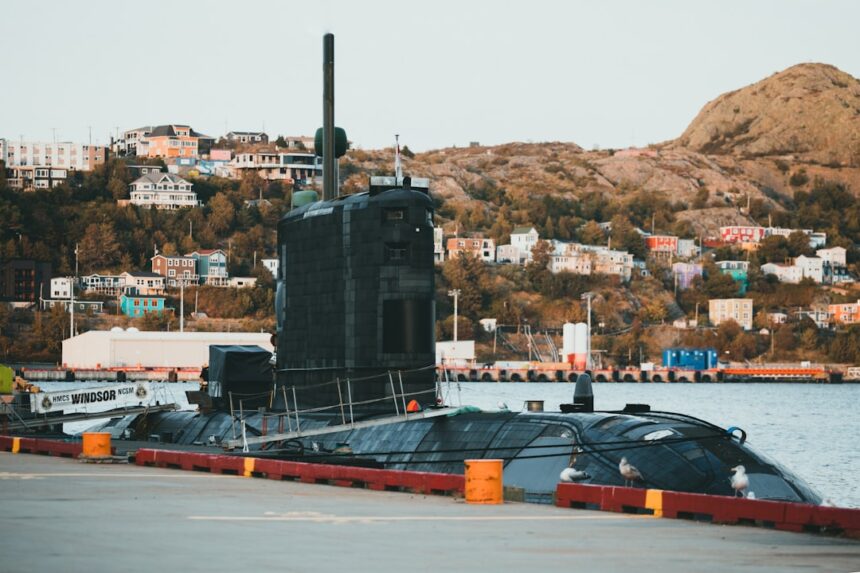
The Soviet submarine B-59, a Project 641 (NATO reporting name: Foxtrot-class) diesel-electric submarine, was part of the flotilla dispatched to Cuba. These submarines, while not as technologically advanced as their American counterparts, were formidable in their own right and represented a significant component of the Soviet naval arsenal. B-59 was armed with conventional torpedoes, but crucially, it also carried the capability to launch nuclear torpedoes. This capability, deployed in the tense atmosphere surrounding Cuba, amplified the inherent danger of the situation.
The Mission and Its Objectives
The mission of B-59 and its sister submarines operating near Cuba was multifaceted. Primarily, they were tasked with providing a deterrent presence and, if necessary, engaging American naval vessels. More ominously, they carried nuclear-armed torpedoes, intended as a retaliatory measure in the event of a full-scale conflict. The submarines operated in a highly concealed manner, attempting to evade detection by the U.S. Navy’s ASW (anti-submarine warfare) forces. The waters around Cuba were a deathtrap for submarines, with American destroyers actively hunting for any sign of Soviet underwater activity.
The Crew’s Underestimation of the Situation
The crew of B-59, like many Soviet submariners at the time, operated under a degree of isolation from the broader political and military landscape. Information was compartmentalized, and the full extent of the crisis unfolding above the waves was not always clear to those on the front lines. The submariners were aware of the tense geopolitical situation but likely did not grasp the precise level of nuclear threat or the immediate danger they were in. Their orders were to evade detection and maintain their operational readiness, a task that became increasingly difficult as the U.S. Navy tightened its cordon.
The Confrontation in the Atlantic

As the Cuban Missile Crisis intensified, the U.S. Navy initiated a naval blockade, or “quarantine,” around Cuba, aiming to prevent further Soviet military shipments. This blockade placed Soviet submarines operating in the vicinity in a precarious position. They were ordered to break through the blockade, but also to avoid confrontation. This created a dangerous paradox, forcing them to navigate a minefield of American naval assets with strict orders not to initiate hostilities but also to defend themselves if attacked.
The U.S. Navy’s ASW Operations
The American Navy deployed an extensive network of anti-submarine warfare forces around Cuba. Destroyers, patrol planes, and other submarines were actively engaged in searching for and tracking Soviet submarines. The U.S. Navy employed depth charges as a means of signaling and warning submarines to surface. While not intended as direct offensive weapons in this context, the repeated dropping of these charges could be disorienting, damaging, and terrifying for crews trapped inside a submarine.
The Escalating Pressure on B-59
B-59 found itself in the midst of this intense ASW pressure. The submarine was operating submerged, deep within the Atlantic Ocean, hundreds of miles from Cuba, when it was detected by U.S. Navy destroyers. The destroyers began to drop practice depth charges, not as an attack but as a signal for B-59 to surface. However, for the crew of B-59, isolated and without direct communication with Moscow, these explosions were indistinguishable from actual attack. The submarine was already operating under harsh conditions: hot, humid, and with dwindling battery power. The constant barrage of depth charges amplified the stress and fear onboard.
The Critical Decision: Nuclear Torpedo or Survival?

The situation onboard B-59 had devolved into a desperate struggle for survival. The relentless depth charges were pounding the hull, the heat and humidity were becoming unbearable, and the crew was on edge, believing they were under direct attack. The commanding officer, Captain Valentin Savitsky, was faced with an impossible decision, a decision that would have global ramifications.
The Authority to Launch
In the event of an attack and loss of communication with Moscow, Soviet submarines like B-59 were authorized to launch their nuclear torpedoes. This was a crucial component of the Soviet nuclear doctrine, designed to ensure a retaliatory strike even if the command structure was decapitated. Savitsky, convinced that the submarine was being attacked and that his command was lost, considered exercising this authority. The launch of a nuclear torpedo would have irrevocably escalated the crisis, almost certainly triggering a nuclear response from the United States.
Vasili Arkhipov’s Role
Amidst the panic and the clamor of the depth charges, a critical voice of reason emerged: Vasili Arkhipov, the flotilla commander and second-in-command of B-59. While Savitsky, along with political officer Ivan Maslennikov, were prepared to authorize the launch, Arkhipov, a trained officer with a clear head, disagreed. He understood the immense implications of such an action and recognized that the U.S. Navy’s actions, while alarming, were likely signaling charges, not a full-blown attack.
The Tense Deliberation
The exchange between Savitsky and Arkhipov was reportedly fraught with tension. Savitsky argued for immediate retaliation, citing the perceived attack and their orders. Arkhipov, however, pushed back, calmly but firmly, arguing that they did not have enough information to confirm an attack and that launching a nuclear weapon would be catastrophic. Under Soviet naval protocol, the launch of a nuclear weapon required the agreement of three officers: the commanding officer, the political officer, and the flotilla commander (or his deputy if the flotilla commander was not onboard). Arkhipov’s veto, based on his superior rank and his insistence on certainty, was crucial. He argued that they should attempt to re-establish communication and await further orders, rather than plunge the world into nuclear war. His refusal to consent, a courageous and life-saving act, prevented the immediate escalation.
The Vasili Arkhipov incident is a significant event in the history of the Cold War, showcasing the tense moments that could have led to nuclear catastrophe. For a deeper understanding of the implications of this incident and the broader context of submarine warfare during that era, you can explore a related article that discusses the strategic decisions made under pressure. This article provides insights into the critical moments that defined the Cold War and highlights the importance of communication and decision-making in high-stakes situations. To read more, visit this insightful article.
The Path to De-escalation and Reflection
| Event | Details |
|---|---|
| Date | October 27, 1962 |
| Location | Caribbean Sea |
| Incident | Vasili Arkhipov prevented a nuclear launch during the Cuban Missile Crisis |
| Consequences | Prevented potential nuclear war between the US and the Soviet Union |
Arkhipov’s decisive intervention averted an immediate nuclear catastrophe. However, the crisis was far from over. The tense standoff between the superpowers continued, and the incident served as a stark reminder of the fragility of peace. The lessons learned from the Vasili Arkhipov Submarine Incident had a profound impact on nuclear strategy and the understanding of the dangers of miscalculation.
The Surfacing and Withdrawal
Following Arkhipov’s successful appeal, the captain, though still seething, relented. B-59 eventually surfaced and, after some initial uncertainty, was allowed to proceed by the U.S. Navy. The submarine, along with others that had been operating in the area, eventually withdrew from the vicinity of Cuba. The immediate threat of nuclear war posed by B-59 was neutralized, but the broader crisis remained.
The Aftermath and the Hotline
The Cuban Missile Crisis was ultimately resolved through intense diplomatic negotiations. The Soviet Union agreed to remove its missiles from Cuba, and in return, the United States pledged not to invade Cuba and secretly agreed to remove its Jupiter missiles from Turkey. The incident, however, highlighted the critical need for improved communication between the superpowers. In the aftermath, the Moscow-Washington hotline was established, a direct teletype link designed to allow for rapid and secure communication during future crises, aiming to prevent misunderstandings and reduce the risk of accidental escalation.
A Legacy of Caution and Awareness
The Vasili Arkhipov Submarine Incident remains one of the most significant and terrifying moments of the Cold War. It demonstrated the immense power wielded by individuals in high-stakes situations and the profound consequences of their decisions. Vasili Arkhipov, a relatively unknown figure at the time, became a quiet hero, his calm demeanor and moral courage preventing a global catastrophe. The incident serves as a perpetual reminder of the existential dangers of nuclear weapons and the paramount importance of de-escalation, clear communication, and responsible leadership in the face of international tension. The world, unknowingly, owes a profound debt to the brave submariner who refused to push the button.
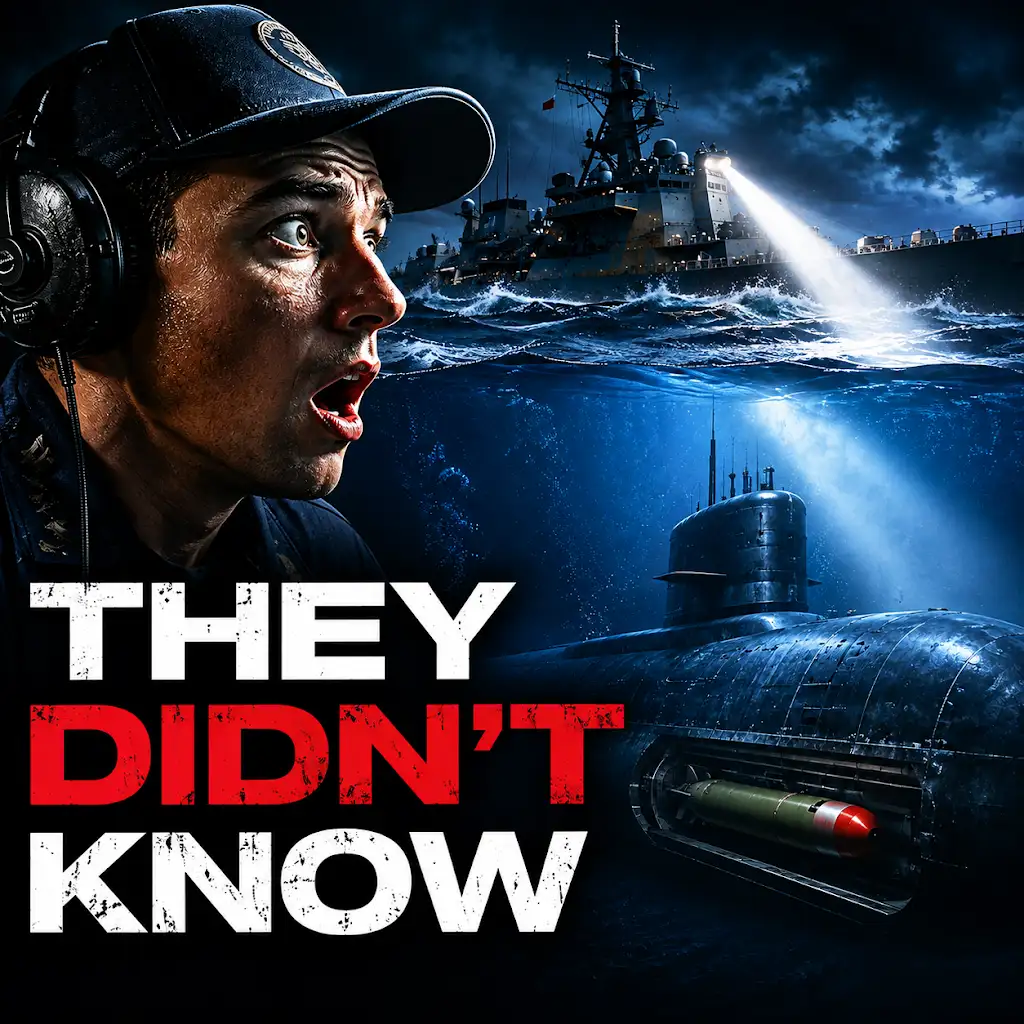
The U.S. Navy Didn’t Know This Submarine Had a Nuclear Torpedo
FAQs
What was the Vasili Arkhipov submarine incident?
The Vasili Arkhipov submarine incident refers to a critical event during the Cuban Missile Crisis in 1962, when Soviet naval officer Vasili Arkhipov prevented the launch of a nuclear torpedo during a tense confrontation between the United States and the Soviet Union.
What happened during the incident?
During the Cuban Missile Crisis, a Soviet submarine, B-59, was located by US Navy forces and subjected to depth charges. The submarine was unable to communicate with Moscow and the crew believed that war had already broken out. The captain and political officer of the submarine were in favor of launching a nuclear torpedo, but Vasili Arkhipov, as the flotilla commander, refused to authorize the launch, preventing a potential nuclear catastrophe.
What were the potential consequences of the nuclear torpedo launch?
Had the nuclear torpedo been launched, it could have triggered a full-scale nuclear war between the United States and the Soviet Union, leading to catastrophic consequences for both countries and the world at large.
What impact did the incident have on the Cuban Missile Crisis?
The Vasili Arkhipov submarine incident played a crucial role in preventing the escalation of the Cuban Missile Crisis into a nuclear conflict. It highlighted the importance of communication and rational decision-making in times of crisis, and ultimately contributed to the peaceful resolution of the standoff between the two superpowers.
How is Vasili Arkhipov remembered for his actions during the incident?
Vasili Arkhipov is widely regarded as a hero for his role in preventing a nuclear catastrophe during the Cuban Missile Crisis. His actions have been recognized and celebrated as a testament to the importance of level-headed leadership and the prevention of nuclear war.