The Shadow Beneath the Waves: A Near Miss in the Atlantic
The Cold War was a period of pervasive tension, a global chess match played out in the shadows of espionage, proxy conflicts, and the ever-present threat of nuclear annihilation. Beneath the surface of the vast oceans, this silent war was waged with particular intensity. Submarines, the unseen predators of the deep, represented both the ultimate deterrent and a constant source of anxiety. It was in this charged atmosphere that a remarkable and potentially catastrophic encounter occurred between a Soviet submarine and an American destroyer, an incident that, while not resulting in direct combat, underscored the precarious balance of power and the ever-present risk of miscalculation. The collision between the Soviet submarine K-22 and the USS Voge in 1970, though perhaps less publicized than some other Cold War flashpoints, serves as a potent reminder of the dangers inherent in the constant cat-and-mouse game played by the world’s naval superpowers.
The collision of the Soviet submarine K-22 with the U.S. Navy vessel Voge in 1989 remains a significant event in Cold War naval history, highlighting the tensions and complexities of underwater warfare during that era. For a deeper understanding of the implications of this incident and its impact on submarine operations, you can read a related article that explores the broader context of Soviet naval strategies and the technological advancements of the time. Check it out here: related article.
The Soviet Silent Service: A Rising Power
The Soviet Union’s submarine force underwent a dramatic expansion and modernization throughout the Cold War. Driven by a perceived need to counter the formidable naval might of the United States, particularly its carrier battle groups and its own growing submarine fleet, the Soviets invested heavily in submarine technology and construction. By the 1960s and early 1970s, they possessed a vast and increasingly sophisticated undersea arsenal, ranging from aging diesel-electric boats to the cutting-edge nuclear-powered ballistic missile submarines (SSBNs) and attack submarines (SSNs).
The Genesis of a Mighty Fleet
The post-World War II era saw the Soviet Union inheriting a significant U-boat design and production capability from Germany. This formed the bedrock of their early submarine development. However, it was the advent of nuclear propulsion that truly transformed their capabilities. The development of the first Soviet nuclear submarine, the K-3 Leninsky Komsomolets, in 1958, marked a pivotal moment. This was followed by a rapid succession of designs, each aiming to improve speed, endurance, stealth, and firepower. The focus shifted towards operational readiness, extensive patrol areas, and the ability to project power globally.
The K-22: A Product of Soviet Engineering
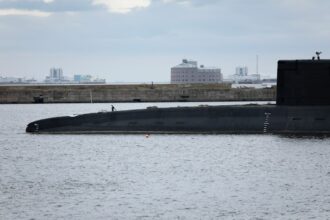
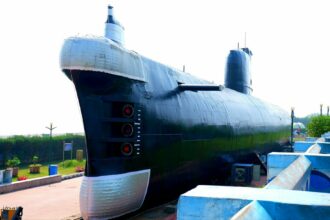
The specific submarine involved in the incident, the K-22, was a Project 641 (NATO reporting name: Foxtrot-class) diesel-electric attack submarine. While not as advanced as the Soviet Union’s nuclear fleet, the Foxtrot-class submarines were a substantial and capable platform. Built in the early 1960s, these submarines were designed for extended patrols, reconnaissance, mine-laying, and anti-shipping operations. They possessed a respectable armament of torpedoes and were known for their relatively quiet operation at slow speeds, making them challenging to detect. The K-22, like its sister ships, represented a significant component of the Soviet Navy’s conventional submarine force, tasked with a variety of missions, often operating in close proximity to NATO naval forces. Its operational deployment was part of a broader Soviet strategy to monitor and, if necessary, interdict Western shipping and naval movements.
The American Sentinel: Vigilance on the High Seas
The United States Navy, as the dominant naval power during the Cold War, maintained a constant state of readiness and vigilance. Its fleet was tasked with protecting vital sea lanes, projecting power globally, and deterring Soviet aggression. Submarine hunting was a critical component of this mission. Destroyers, frigates, and specialized anti-submarine warfare (ASW) aircraft and helicopters formed the front line in detecting and tracking enemy submarines. The USS Voge was one such vessel, an integral part of this elaborate detection and defense network.
The USS Voge: A Guardian of the Atlantic
The USS Voge (FF-1083) was a Garcia-class frigate, commissioned in 1964. These ships were specifically designed for anti-submarine warfare, equipped with advanced sonar systems, torpedo tubes, and a helicopter hangar for ASW operations. The Garcia-class frigates were considered workhorses of the fleet, deployed to various hotspots around the globe to provide escort duties and conduct ASW patrols. Their presence in areas where Soviet submarines were known to operate was routine. The USS Voge, on the day of the collision, was engaged in its assigned mission, a testament to the constant, often unheralded, work of maintaining maritime security. Its crew would have been highly trained in ASW tactics, constantly scanning the underwater environment for any sign of hostile intent.
The Game of Cat and Mouse: Routine Interdiction
The encounter between the K-22 and the USS Voge was not an isolated incident but rather a manifestation of the ongoing “cat and mouse” game that characterized Cold War naval operations. Soviet submarines regularly operated in waters frequented by NATO naval forces, conducting surveillance, testing Western ASW capabilities, and preparing for potential wartime scenarios. Similarly, NATO warships, including the USS Voge, were tasked with tracking and, if necessary, shadowing these Soviet vessels. This often involved maintaining close proximity, sometimes within visual or sonar range, to monitor their movements and identify their capabilities. These operations were conducted with a high degree of professionalism by both sides, but the inherent risks of operating large vessels in close proximity in the subsurface domain were always present.
The Encounter: A Night of Mistaken Identity and Close Calls
The specific circumstances leading to the collision are shrouded in the inherent secrecy of submarine operations. However, available accounts suggest a scenario where both vessels were engaged in their respective missions, operating in an area with potentially limited visibility or under conditions that impaired standard detection methods. The collision itself was a near-disaster, a testament to the thin line between routine surveillance and outright conflict.
The collision of the Soviet submarine K-22 with the vessel Voge remains a significant event in naval history, highlighting the complexities of underwater navigation during the Cold War. For those interested in exploring more about this incident and its implications on maritime safety, you can read a related article that delves into the details and aftermath of the collision. This examination provides valuable insights into the challenges faced by submarines during that era. To learn more, visit this article.
Navigational Challenges and Impaired Detection
The incident likely occurred in the North Atlantic, an area where both Soviet and NATO submarines frequently operated. Factors such as rough seas, darkness, or even the deliberate employment of electronic countermeasures by the Soviet submarine could have played a role in obscuring the USS Voge’s detection capabilities. Submarines, particularly diesel-electric ones like the K-22, could operate submerged for extended periods, making them incredibly difficult to track, especially in adverse weather conditions. The reliance on sonar, while
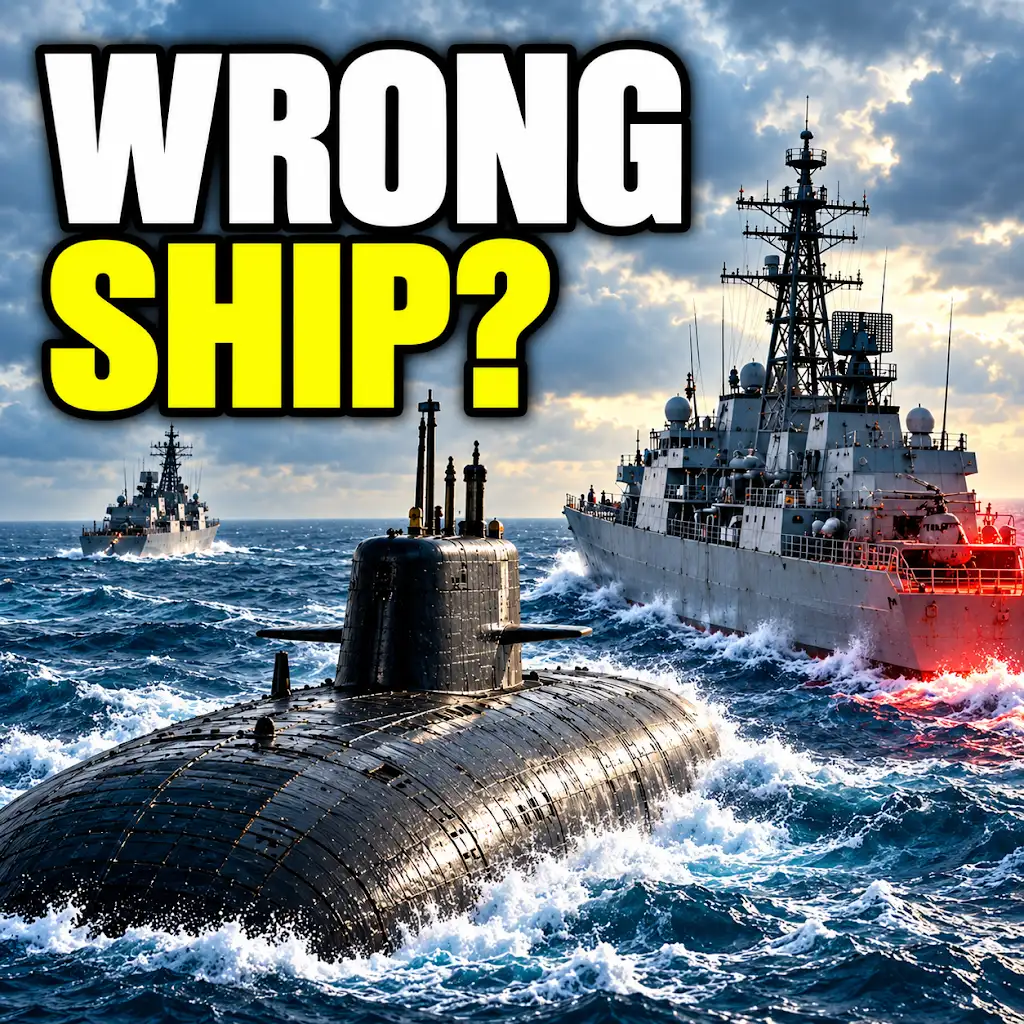
A Soviet Submarine Hit a U.S. Frigate. Was It the Wrong Ship?
FAQs
What was the Soviet submarine K-22?
The Soviet submarine K-22 was a Project 627A (NATO reporting name: November-class) nuclear-powered attack submarine of the Soviet Navy.
When did the collision between Soviet submarine K-22 and the USS Voge occur?
The collision between the Soviet submarine K-22 and the USS Voge occurred on February 3, 1970, in the Mediterranean Sea.
What was the USS Voge?
The USS Voge was a Belknap-class destroyer in the United States Navy at the time of the collision with the Soviet submarine K-22.
What were the circumstances surrounding the collision between the Soviet submarine K-22 and the USS Voge?
The collision occurred during a cat-and-mouse game between the Soviet submarine and the USS Voge, with both vessels engaging in maneuvers to track each other’s movements.
Were there any casualties or significant damage resulting from the collision?
Fortunately, there were no casualties resulting from the collision between the Soviet submarine K-22 and the USS Voge, but both vessels sustained damage that required repairs.